10 Easy Science Experiments for Kids: Step-by-Step Instructions

Sitting at a desk reading definitions can make basic scientific principles seem confusing or distant. Trying simple activities at home bridges this gap immediately. Engaging directly with practical tasks turns complex ideas into memorable real-world experiences.
By doing easy science experiments for kids, children build confidence, develop critical thinking skills, and satisfy their natural curiosity. Hands-on learning transforms passive reading into active discovery, keeping children curious about how the physical world works around them every single day.
Importance of Easy Science Experiments for Kids
Engaging in practical activities at an early age provides several key advantages for young minds. Doing simple activities helps children develop foundational skills while keeping learning enjoyable and interactive.
-
Encourages Critical Thinking: Children learn to make observations, ask questions, and understand cause-and-effect relationships during each activity.
-
Builds Practical Problem-Solving Skills: Working through steps helps learners analyze outcomes and think logically when results change.
-
Fosters Lifelong Curiosity: Simple hands-on discovery sparks a genuine interest in exploring science, technology, engineering, and mathematics (STEM).
-
Provides Safe, Guided Discovery: Using kid-safe materials ensures children explore physical science concepts without unnecessary risks.
-
Enhances Retention: Experiencing a reaction in real time helps students remember fundamental concepts far better than passive reading.
10 Easy Science Experiments for Kids to Try at Home
Here are 10 engaging activities selected from popular junior learning sets and classic simple setups that young learners can try at home using activity kits designed to make hands-on learning fun and interactive.
1. Underwater Volcano
This activity demonstrates how liquids of different densities and temperatures interact. Children observe how warm liquid rises through cooler liquid, creating a stunning visual plume that mimics underwater volcanic activity.
2. Balloon Inflator
Using basic household materials or kit components, this project captures gas produced from a chemical reaction. As the reaction builds, gas fills the container and expands directly into the balloon, demonstrating how gases occupy physical space.
3. Magic Milk
Magic Milk introduces young learners to surface tension. Adding tiny drops of liquid detergent into a tray of color-infused milk causes the surface film to break, sending vibrant patterns swirling across the surface in real time.
4. Exploding Artwork
Combining vibrant color mixing with a fizzy chemical reaction, this project lets children create unique artistic patterns. The resulting foam spreads colors across the paper, combining creative art with physical chemistry.
5. Bath Bombs
Making homemade fizzy spheres gives kids a direct look at acid-base reactions. Combining dry ingredients with safe liquids forms a moldable mix that fizzes intensely once dropped into water.
6. Water Firework
By dropping colored liquids into oil suspended over water, children observe how oil and water do not mix. The colored droplets sink through the oil layer and burst when reaching the water, creating a colorful display resembling fireworks.
7. Bubble Volcano
This activity expands on classic fizzy reactions by adding bubbling agents. The pressure forces a continuous stream of foamy bubbles over the edge of the container, demonstrating rapid reaction dynamics.
8. Secret Message
Kids write hidden text using safe, clear solutions. Once dried, applying an indicator liquid or mild heat reveals the hidden writing, illustrating chemical solubility and hidden oxidation reactions.
9. Soap Boat
Placing a small floating cutout on water and adding liquid soap behind it demonstrates surface tension propulsion. The disruption in water tension pushes the lightweight boat forward across the surface instantly.
10. Oobleck
Creating Oobleck introduces learners to non-Newtonian fluids. This unique mixture behaves like a solid under quick pressure, yet flows smoothly like a liquid when held gently in open hands.
How to Perform Easy Science Experiments for Kids at Home
Following a structured process ensures every activity is both safe and educational. Following a science experiments kits step by step guide makes learning structured and hassle-free.
-
Gather Materials: Collect all required components, safety tools, and containers before beginning any project.
-
Set Up a Clean Workspace: Cover your table with protective sheet materials or plastic trays to manage any unexpected spills easily.
-
Read All Instructions Carefully: Review the complete workflow before mixing liquids or combining ingredients.
-
Form a Simple Hypothesis: Ask children what they think will happen during the experiment before starting the action.
-
Execute the Experiment: Carefully follow each step, measuring materials accurately and observing physical changes.
-
Discuss the Results: Compare the final outcome with the initial prediction to reinforce key learning points.
When to Try Easy Science Experiments for Kids
Interactive discovery activities fit naturally into many schedules throughout the year. Having versatile options ready ensures productive screen-free learning during any downtime.
-
Rainy Days: Turn indoor weather downtime into exciting physical discoveries using household items or ready-to-use learning kits.
-
Birthday Celebrations: Engage small groups of kids with interactive activities like exploding artwork or fizzy bath bombs.
-
Family Fun Nights: Replace screen time with collaborative family activities where children demonstrate reactions to their parents.
-
School Holidays: Maintain educational momentum during term breaks with entertaining fun science experiments that keep young minds active.
Tips to Make Easy Science Experiments for Kids Fun and Simple
Keeping activities lighthearted and straightforward builds lasting confidence in young learners.
-
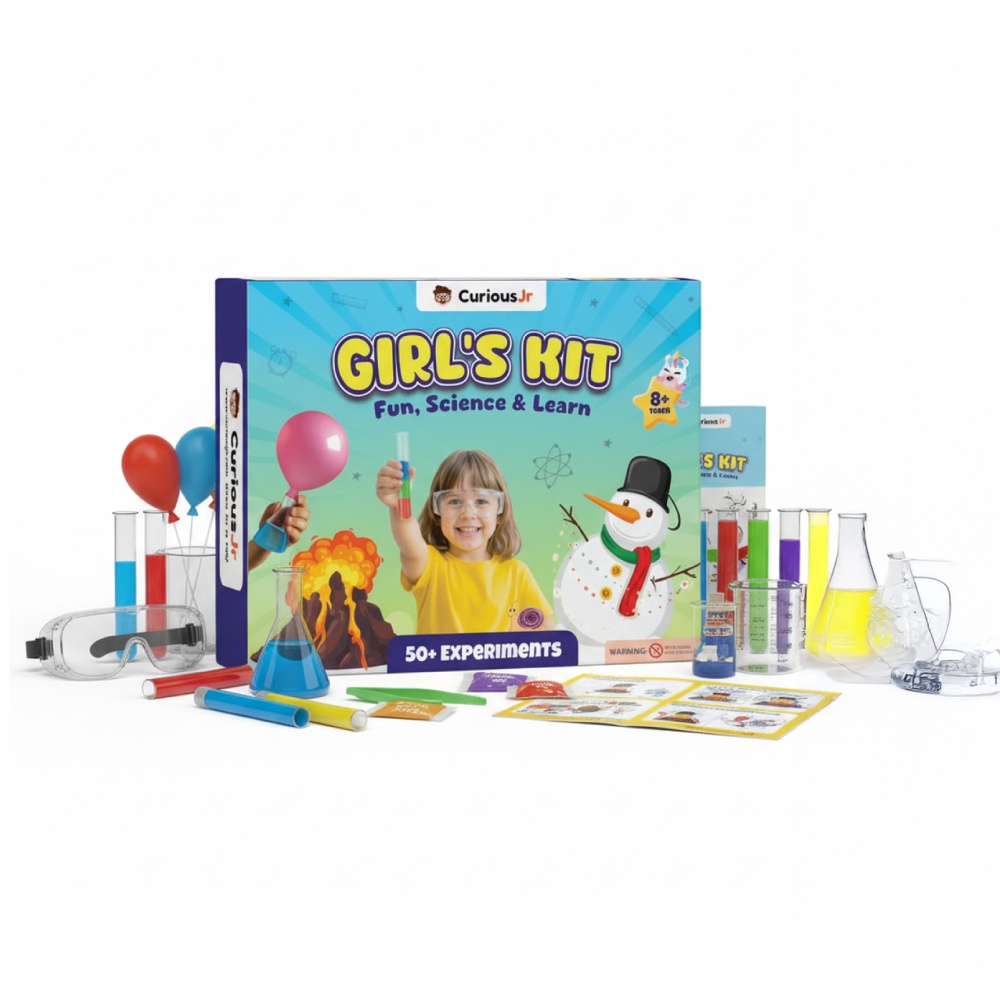
Use Pre-Packaged Junior STEM Kits: Complete kits featuring themed activities like Color Quest, Fiz-Tastic Fun, and mystery surprise activities reduce setup time and guarantee kid-safe materials.
-
Keep Sessions Short: Focus on quick 15-to-20-minute activities to match the natural attention spans of younger children.
-
Encourage Questions: Let kids control the liquid pouring or color choices to build ownership over their discovery process.
-
Focus on the Fun: Avoid treating activities like strict exams; emphasize the joy of discovery over perfect outcomes.
Common Mistakes to Avoid During Easy Science Experiments for Kids
Avoiding typical missteps ensures that practical activities remain safe, engaging, and stress-free for everyone involved.
-
Skipping Workspace Preparation: Uncovered tables can lead to messy cleanups. Always use protective trays or disposable sheets.
-
Rushing Through Steps: Skipping instructions or adding wrong measurements can change the expected chemical reaction.
-
Relying on Unsafe Materials: Avoid using strong household chemicals. Stick strictly to kid-safe, non-toxic materials designed for young learners.
-
Overcomplicating the Explanation: Keep definitions clear and simple so young children stay focused on basic concepts.
Read More: 15 New Science Project Ideas
Science Experiments for Kids FAQs
Are these practical activities safe for younger children at home?
Yes, using non-toxic household items or guided junior STEM kits featuring kid-safe materials ensures every activity remains safe for young learners under basic adult supervision.
What materials are needed for simple home science projects?
Most activities require basic items like baking soda, liquid detergent, water, food colors, vegetable oil, or ready-made activity sets designed for kids.
How do simple activities help children learn basic concepts?
Hands-on activities turn abstract textbook definitions into visible physical reactions, helping children retain principles through direct personal observation.
How long does a typical home experiment take to finish?
Most basic activities take between 15 to 30 minutes from initial workspace setup to final discussion, making them ideal for young attention spans.
What is the best way to introduce practical activities to a child?
Start with visually engaging activities like foaming reactions or color mixing tasks that yield immediate, exciting results to spark instant interest.