Creative Ways to Help Kids Enjoy Cursive Handwriting Practice
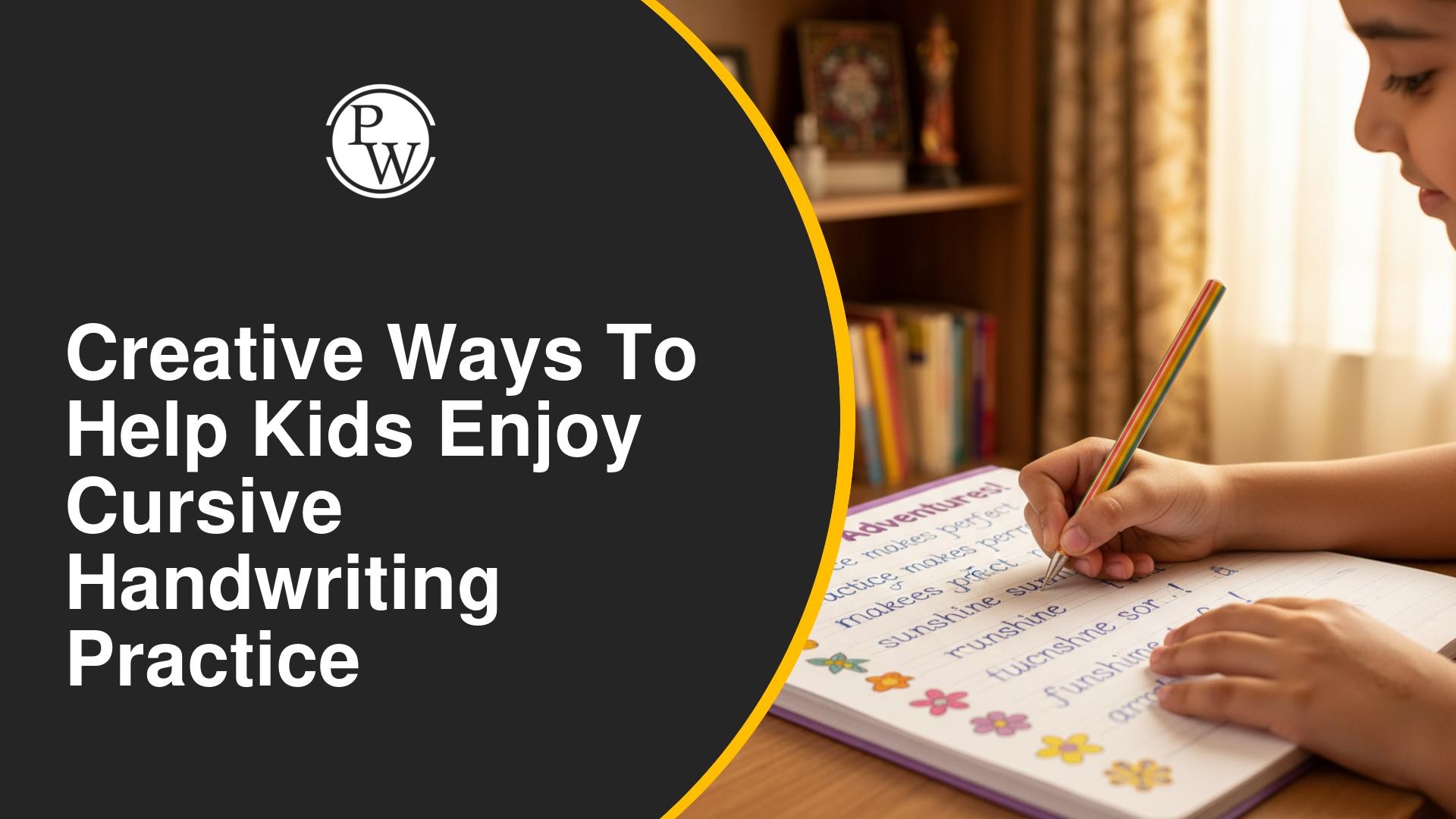
Good handwriting is a skill that children develop over time with regular practice and the right guidance. While learning cursive writing may seem challenging at first, making the practice fun and engaging can keep children motivated and help them learn faster. Simple activities, step-by-step exercises, and positive encouragement can turn handwriting practice into an enjoyable part of a child's daily routine.
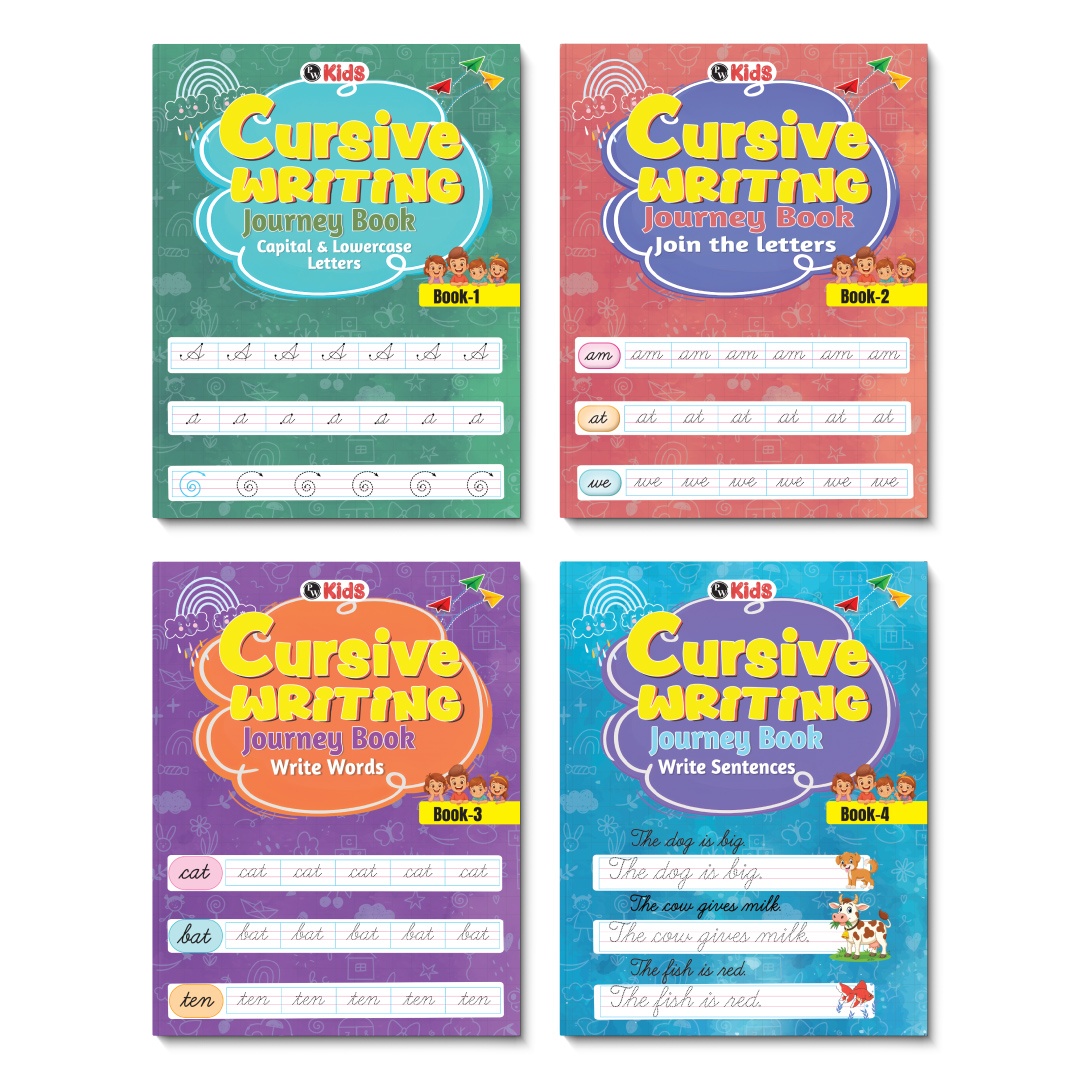
The PW Cursive Writing Journey Books are designed to support this learning journey. With guided tracing, letter formation exercises, word and sentence writing practice, and plenty of opportunities for independent learning, the books help children build neat, fluent, and confident cursive handwriting easily and enjoyably.
Creative Ways to Help Kids Enjoy Cursive Handwriting Practice
Learning cursive handwriting doesn't have to feel like homework. With the right activities and practice routine, children can enjoy writing while improving their letter formation, handwriting speed, and confidence. Instead of asking kids to write the same letters repeatedly, parents can turn handwriting practice into a fun daily activity that keeps them interested.
1. Start with Short Practice Sessions
Young children learn better through short and focused practice. Spending just 10–15 minutes a day on cursive writing is often more effective than long practice sessions.
The PW Cursive Writing Journey Books introduce letters gradually, allowing children to practise without feeling overwhelmed.
2. Follow a Step-by-Step Learning Approach
Learning cursive becomes easier when children master one skill before moving to the next. Instead of jumping directly into writing words, they should first learn basic strokes, followed by individual letters, letter joins, words, and finally sentences.
The PW Kids book set follows this structured progression, making it easier for beginners to develop strong handwriting skills.
3. Use Guided Tracing Activities
Tracing helps children understand the correct direction and shape of each letter. It also improves pencil control and builds muscle memory.
The books include guided tracing lines, directional arrows, and clear examples, helping children practise proper letter formation with confidence.
4. Make Letter Joining Fun
Many children find joining cursive letters challenging. Practising two-letter combinations before writing complete words helps them understand smooth letter connections.
The PW Cursive Writing Journey Books include dedicated exercises for joining letters naturally before progressing to longer words.
5. Encourage Word and Sentence Writing
Once children become comfortable with letters, encourage them to write simple words and short sentences. This improves handwriting flow, spacing, and writing speed while increasing confidence.
The books gradually move from tracing words to writing complete sentences independently.
6. Celebrate Small Achievements
Positive encouragement motivates children to keep practising. Praise their effort, display their best handwriting pages, or reward them after completing a lesson. Small achievements help build confidence and create a positive attitude toward learning.
7. Allow Independent Practice
Children improve faster when they have opportunities to write on their own. After guided exercises, encourage them to copy simple words or write short sentences independently.
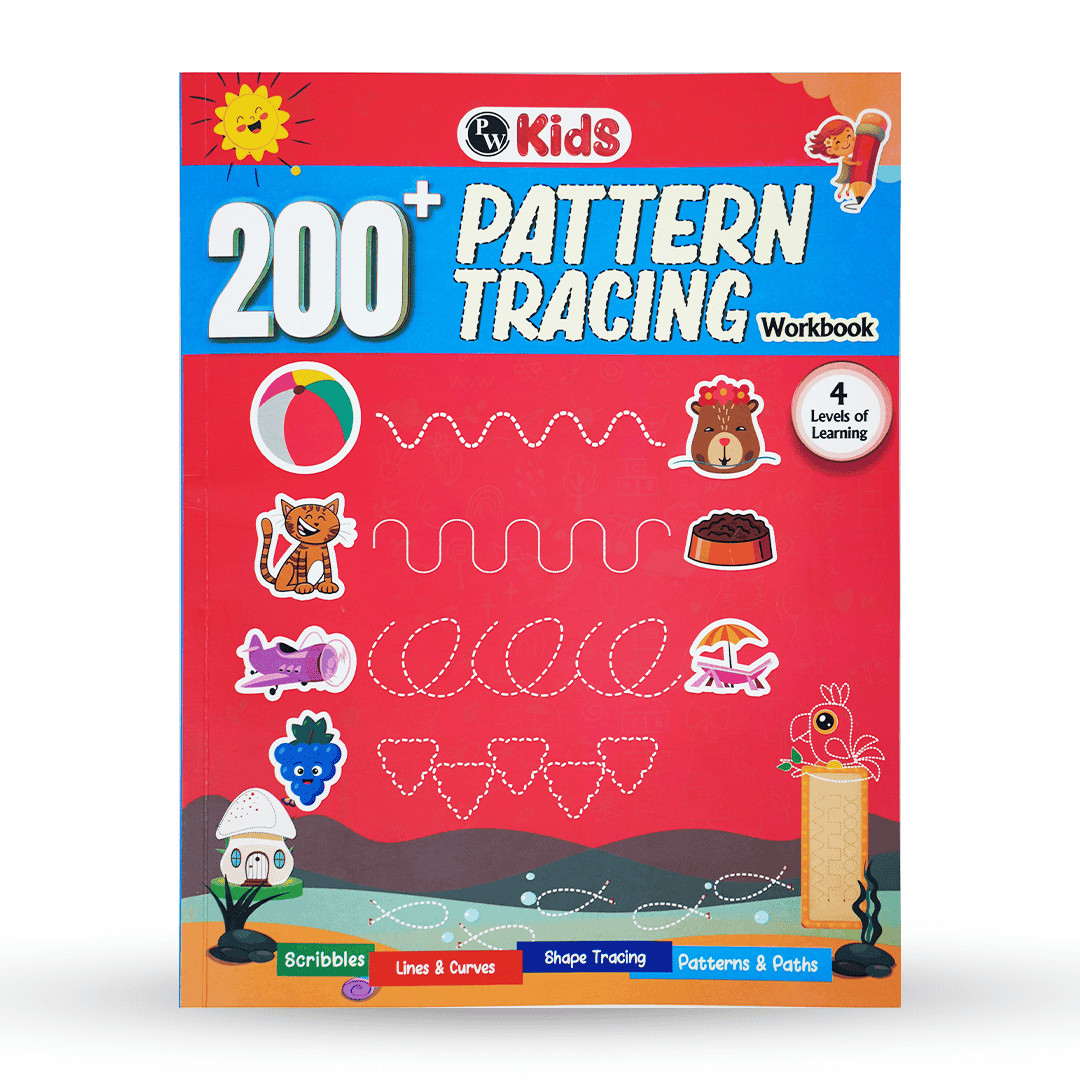
The Kids Writing Time Pencil Control books provide extra practice space so children can apply what they have learned and gradually improve their handwriting.
Why Choose PW Cursive Writing Journey Books?
The PW Cursive Writing Journey Books (Set of 4) are thoughtfully designed to help beginners develop neat, fluent, and confident handwriting through structured practice.
Key Features
-
Step-by-step learning from basic strokes to complete sentences.
-
Practice for capital and small cursive A–Z letters.
-
Guided tracing with directional arrows.
-
Activities for joining letters smoothly.
-
Practice with two-letter, three-letter, and four-letter words.
-
Sentence writing exercises to improve spacing and consistency.
-
Repetitive practice to build confidence and handwriting fluency.
-
Extra writing space for independent practice.
Benefits of Regular Cursive Handwriting Practice
Regular kids writing books practice offers several long-term benefits beyond neat writing.
-
Improves fine motor skills and pencil control.
-
Develops proper letter formation and spacing.
-
Strengthens hand-eye coordination.
-
Builds writing confidence.
-
Improves concentration and patience.
-
Encourages independent learning.
-
Makes school writing tasks easier and more organised.
Helping children enjoy cursive handwriting practice is all about making learning simple, engaging, and consistent. Short practice sessions, guided activities, and positive encouragement can make a big difference in building handwriting skills.
The PW Cursive Writing Journey Books (Set of 4) support this journey with step-by-step lessons, guided tracing, word-building exercises, and sentence writing activities, helping children progress from beginner to confident cursive writers while making practice enjoyable.
Read More: Benefits of Kids Practice Books for Writing Skills
Kids Cursive Handwriting Books FAQs
1. What age group are the PW Cursive Writing Journey Books suitable for?
The books are designed for young learners who are beginning to learn cursive handwriting and want to improve their writing skills through structured practice.
2. What do the PW Cursive Writing Journey Books include?
The set includes four books covering basic strokes, capital and small cursive letters, letter joining, word writing, sentence writing, and independent practice activities.
3. How do these books help improve handwriting?
The books use guided tracing, directional arrows, repetition, and progressive exercises to improve letter formation, handwriting fluency, spacing, and writing confidence.
4. Can children practise independently with these books?
Yes. The books include guided lessons as well as extra practice space, allowing children to build confidence and practise independently at their own pace.