How to Introduce Finger Painting to Your Kids?
For many parents, giving a toddler a tub of paint can feel like inviting a big mess. Colourful hands, paint on clothes, and messy tables are often the first things that come to mind. But finger painting is much more than a fun activity. It helps children build fine motor skills, recognise colours, improve hand-eye coordination, and express their creativity from an early age.
The good news is that introducing finger painting doesn't have to be difficult. With child-safe, washable paints, a simple painting space, and a few easy activities, your child's first painting experience can be safe, enjoyable, and stress-free.
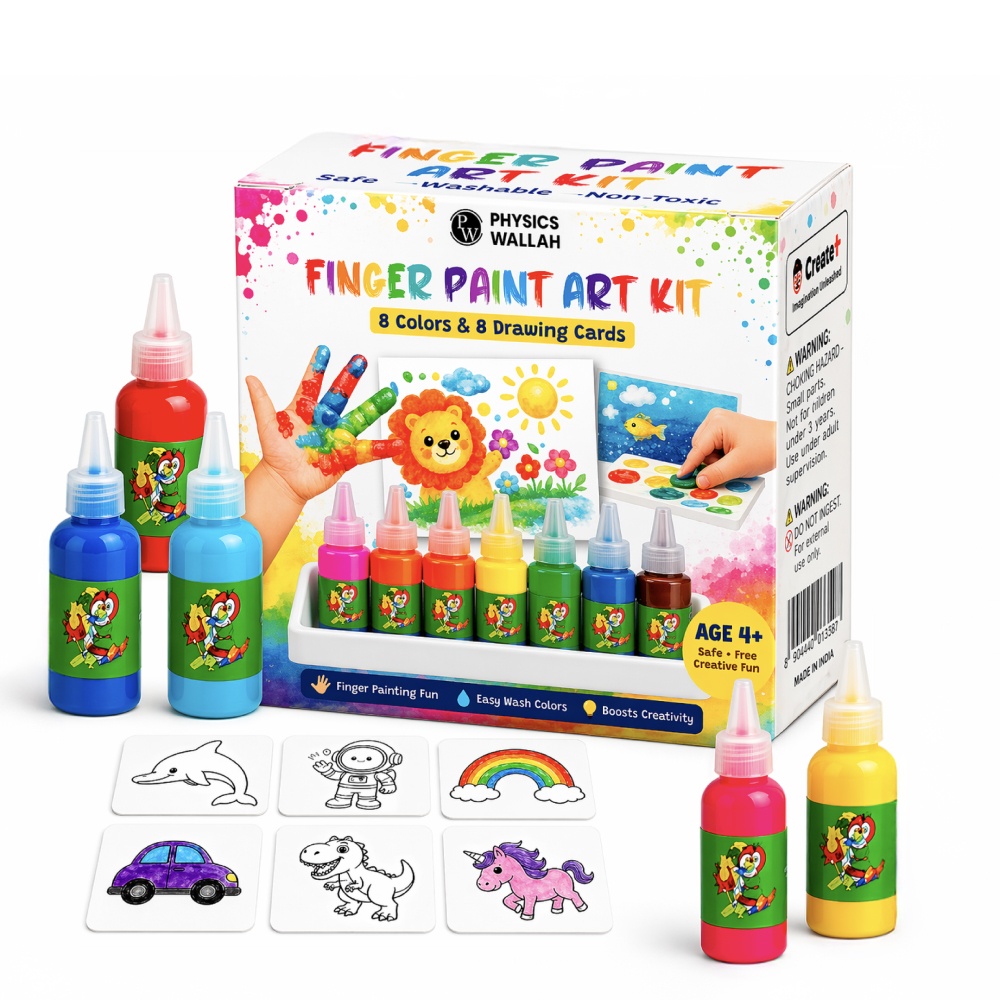
If you're looking for an easy way to begin, the PW Finger Paint Art Kit offers child-safe paints and activity cards to help toddlers aged 2–5 explore colours and creativity. Here, you will learn how to introduce finger painting to your kids, the right age to start, and simple tips to make every painting session fun.
Why Finger Painting is Good for Toddlers
Before learning how to introduce finger painting to your child, it is helpful to know why it is a great activity. Finger painting is not just about making colourful pictures. It helps toddlers learn new skills, explore colours and textures, and enjoy creative play. Here are some of its key benefits:
-
Builds fine motor skills – Pressing, tapping, and moving fingers through paint strengthens the small muscles in the hands, which later help with writing and drawing.
-
Supports sensory development – Feeling the texture of paint helps children explore different sensations and supports early learning.
-
Teaches colour recognition – Children learn to identify colours and discover what happens when different colours are mixed.
-
Encourages creativity – There is no right or wrong way to finger paint, so children can freely express their ideas and imagination.
-
Creates quality family time – Finger painting gives parents and children a chance to spend enjoyable, screen-free time together.
What Age Should You Introduce Finger Painting?
Most experts agree that toddlers as young as 18 months to 2 years can start exploring finger painting, as long as the paint is non-toxic and supervision is close. The sweet spot for most families is between 2 and 5 years, when children have enough hand control to enjoy the activity but are still young enough to benefit from open-ended sensory play.
If your child still puts everything in their mouth, stick to non-toxicedible or taste-safe paint options until that habit passes.
To make creative play even more engaging, parents can pair finger painting with Kids Activity Kits that include age-appropriate art and craft materials, sensory activities, and hands-on learning projects. These kits encourage creativity, improve fine motor skills, and provide children with fun, screen-free learning experiences.
How to Prepare Before You Begin
A little preparation can make hand painting fun, safe, and stress-free for both you and your child. Setting up the right space and using child-friendly materials allows toddlers to enjoy the activity while you focus on creativity instead of the mess.
1. Choose Safe, Washable Paint
Always pick paints labelled non-toxic and washable. These clean off skin, clothes, and most surfaces without harsh scrubbing.
2. Set Up a Mess-Friendly Zone
Cover the table with a plastic sheet or old newspaper, and have your child wear an old t-shirt or smock. Painting outdoors or on an easy-to-wipe floor also helps.
3. Keep Sessions Short
For a first attempt, 10–15 minutes is plenty. Extend the time once your child is comfortable with the sensation of paint on their hands.
4. Have Wet Wipes or a Damp Cloth Ready
Keep cleanup supplies within arm's reach so you're not scrambling mid-activity.
Step-by-Step: How to Introduce Finger Painting to Your Kids
Introducing finger painting gradually helps children feel comfortable while encouraging curiosity and creativity. Follow these simple steps to make the first painting session enjoyable and build your child's confidence with the activity.
-
Start with one colour so your child can focus on the sensation and movement, not colour mixing.
-
Let them touch the paint first to build comfort before they start "creating."
-
Demonstrate a simple motion — a dot, a swirl, a line. Toddlers learn by imitation.
-
Give them full creative freedom. The goal is exploration, not a perfect picture.
-
Introduce more colours gradually once they're confident.
-
Celebrate the effort, not the accuracy.
-
End on a positive note, before they get bored or overstimulated.
Fun First-Time Finger Painting Activities to Try
Starting with simple painting activities helps children build confidence while making the experience enjoyable. These beginner-friendly ideas encourage creativity, improve finger control, and allow toddlers to explore colours and textures through hands-on play.
-
Handprint animals – turn a handprint into a lion, butterfly, or fish
-
Dot painting – great for younger toddlers still building finger control
-
Colour mixing exploration – mix two primary colours and discover a new one
-
Nature-inspired art – paint a tree, flower, or rainbow with fingers
-
Guided drawing cards – simple outlines give first-timers a gentle starting point
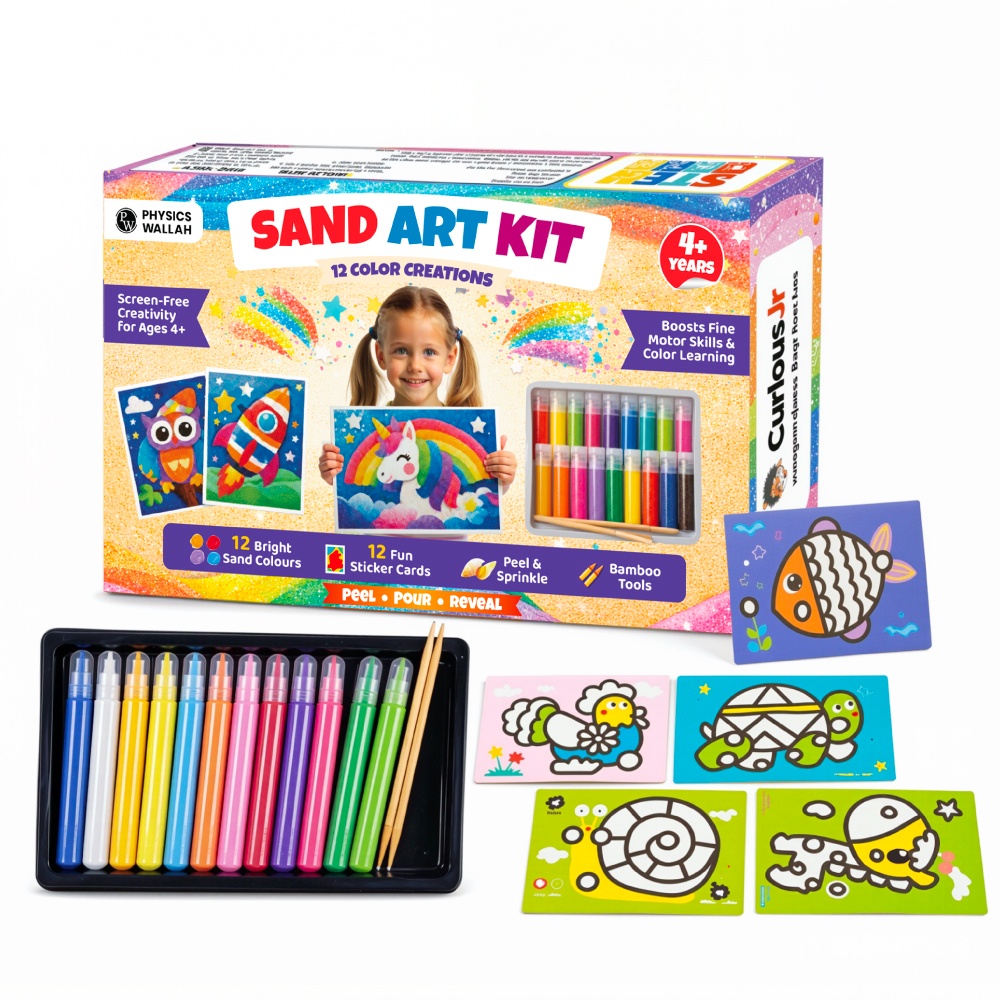
The PW DIY Sand Art Activity Kit for Kids offers a fun and mess-free way for children to explore creativity through colourful sand art activities. Designed with easy-to-use materials and engaging templates, it helps develop fine motor skills, hand-eye coordination, and imaginative thinking while making learning enjoyable.
Tips to Keep Finger Painting Mess-Free and Safe
A few simple precautions can make finger painting enjoyable while keeping cleanup easy. Creating a safe and organised painting space allows children to explore freely without unnecessary mess or safety concerns.
-
Always supervise young children during painting sessions
-
Use squeeze bottles or small cups instead of loose paint tubs
-
Keep sessions away from carpets and soft furnishings
-
Wash hands immediately after, even with washable paint
-
Store paints out of reach when not in use
Common Mistakes Parents Make
Finger painting should be a fun and pressure-free experience for children. Avoiding a few common mistakes can help your child stay engaged, explore freely, and enjoy the activity without frustration.
-
Choosing paint that isn't washable or non-toxic
-
Introducing too many colours at once
-
Correcting technique instead of letting them explore
-
Skipping the setup step
-
Making the session too long
Also Check - Kids Books
Choose the PW Finger Paint Art Kit for Creative Learning
The right art kit can help children enjoy creative activities while supporting early learning and development. The PW Finger Paint Art Kit for Kids is specially designed for toddlers aged 2–5 years, combining child-safe, washable finger paints with engaging activity cards to make painting fun, interactive, and easy for both children and parents.
The PW Finger Paint Art Kit for Kids includes:
-
8 vibrant washable finger paints (50 ml each) made with a non-toxic, child-safe formula.
-
Fun drawing and activity cards that encourage creativity and imaginative play.
-
Easy-to-clean colours that wash off hands, clothes, and most surfaces without hassle.
-
A toddler-friendly design that supports fine motor skills, hand-eye coordination, colour recognition, and sensory development.
-
A complete art and craft activity kit suitable for home learning, preschool classrooms, daycare, homeschooling, and parent-child bonding sessions.
If you're looking for a safe and engaging finger painting kit for your child, explore the PW Finger Paint Art Kit for Kids here:
Read More: 50 Colours Name in English
Finger Painting FAQs
At what age can I introduce finger painting to my child?
Around 18 months to 2 years is typical, with 2–5 being ideal for building on the skill.
Is finger painting safe for toddlers who still put things in their mouth?
Yes, with certified non-toxic, taste-safe paints and close supervision.
How do I stop finger painting from becoming too messy?
Set up a mess-friendly area, use washable paints, dress your child in old clothes, and keep cleanup supplies nearby.
How long should a first session last?
About 10–15 minutes, increasing gradually as attention span grows.
What's the best way to clean finger paint off skin and clothes?
Washable paints usually come off with warm water and mild soap on skin, and a standard wash for clothing if rinsed before drying.
Do I need special tools to start?
Just non-toxic washable paints, paper, and a wipeable surface. A kit with drawing cards makes it easier for beginners.