How to Make Glow-in-the-Dark Experiments at Home: Step-by-Step Guide
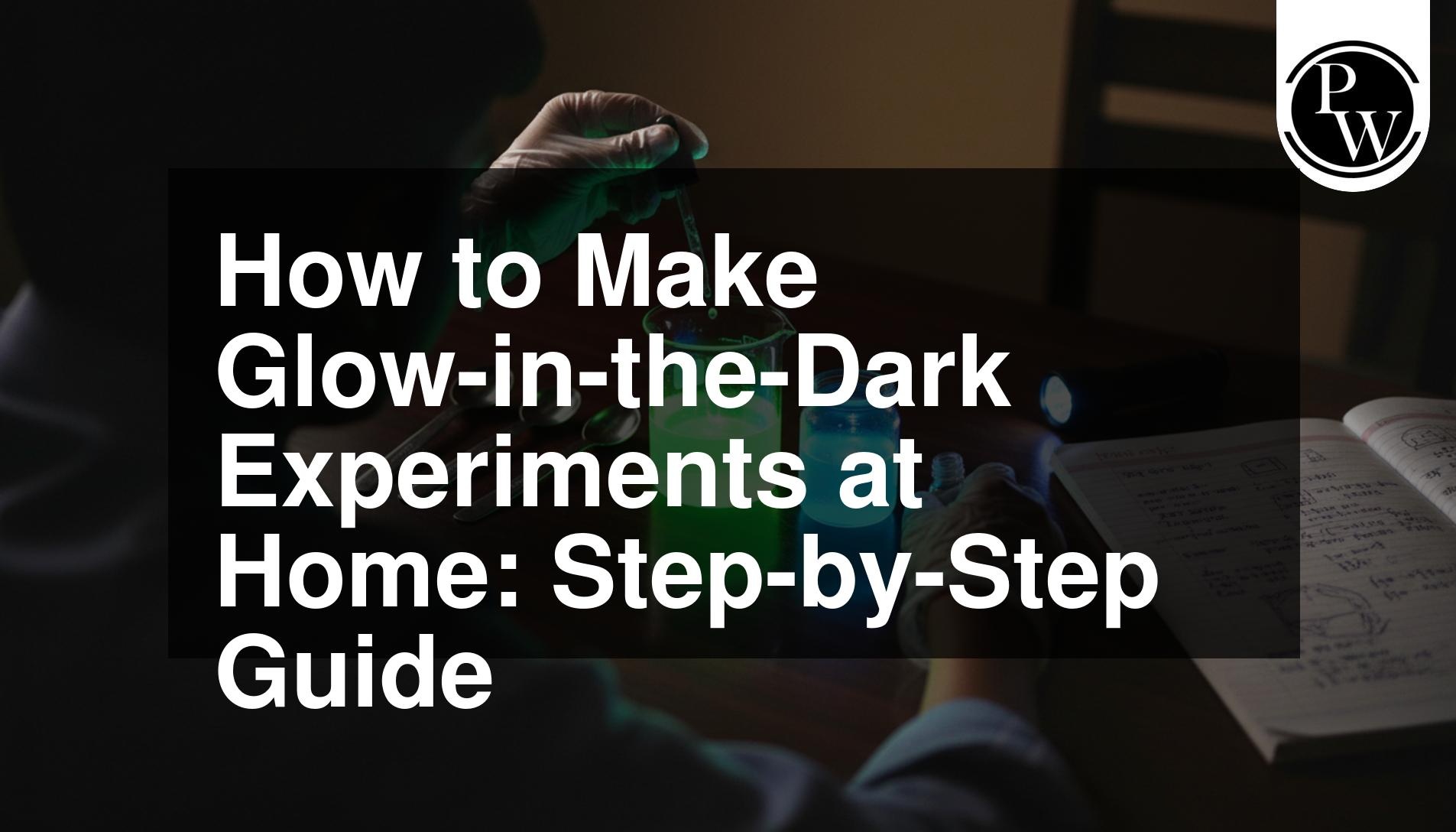
Science experiments become more interesting when students can see scientific concepts happening in front of them. Glow in the dark experiments kits are simple activities that can help students learn about light, energy, fluorescence, and chemical properties.
Many of these activities can be done at home using easily available experiments kit such as highlighters, tonic water, laundry detergent, and a UV light.
What are Glow in the Dark Experiments?
Before starting any activity, it is useful to understand why some materials appear to glow. Glow-in-the-dark experiments often demonstrate fluorescence or phosphorescence. Both involve materials absorbing energy and releasing some of that energy as light, but they work in different ways.
Fluorescent materials usually glow while they are exposed to a light source such as ultraviolet light. When the UV light is removed, the visible glow normally stops very quickly. Highlighter ink and quinine in tonic water are common examples of fluorescent materials.
Phosphorescent materials can continue to glow for some time after the original light source is removed. This happens because the material stores some of the absorbed energy and releases it more slowly.
These experiments can introduce students to topics such as light, energy transfer, wavelengths, and basic chemistry. They also encourage observation, comparison, and recording of results.
Features of Glow in the Dark Experiments Kit
A glow-in-the-dark science kit can provide a more organised way for children to explore science through hands-on activities. A good kit should combine simple instructions, suitable materials, and activities that encourage children to learn while experimenting.
-
15+ Glow-in-the-Dark Experiments: Multiple activities can introduce children to glowing reactions, luminous materials, and other visual science concepts.
-
Fun STEM Learning for Kids: Hands-on activities can help children develop observation, logical thinking, problem-solving, creativity, and basic scientific reasoning.
-
Simple Step-by-Step Guide: Clear instructions make it easier for children to understand what to do at each stage. Younger children should complete activities with adult supervision.
-
Suitable Gift for Boys and Girls: Science activity kits can be useful for birthdays, holidays, school activities, and other occasions where children can learn through play.
-
Kid-Friendly Materials: Choose kits that clearly mention the materials included and provide appropriate safety instructions for the recommended age group.
A kids experiments kit can also make it easier for parents and teachers to introduce children to practical STEM activities without having to collect every material separately.
What is the Science Behind Glow in the Dark Experiments
The science behind glow in the dark experiments is connected to how materials interact with energy and light. Fluorescent substances can absorb ultraviolet radiation, which has more energy than visible light.
When a fluorescent material absorbs UV energy, electrons in its molecules move to a higher-energy state. The electrons then return to a lower-energy state and release some of that energy as visible light. This is why a material that looks normal under regular lighting can appear bright under a blacklight.
Tonic water is a common example because quinine can fluoresce under ultraviolet light. Similarly, fluorescent dyes in highlighter ink absorb UV radiation and produce visible colours.
Optical brighteners found in some laundry detergents also demonstrate this effect. They absorb some ultraviolet light and emit visible blue light, which can make white fabrics appear brighter.
These simple observations introduce students to concepts related to wavelengths, energy levels, light absorption, and emission.
What are the Required Materials for Glow in the Dark Experiments
Most basic activities can be completed with simple materials. Prepare everything before starting so you do not need to leave the experiment halfway through.
-
Highlighters: Yellow and green highlighters often contain fluorescent dyes that respond to UV light.
-
Tonic Water: Tonic water containing quinine can produce a blue fluorescent glow under UV light.
-
UV Blacklight: A suitable UV flashlight or blacklight is needed to activate many fluorescent materials.
-
Clear Glass Containers: Transparent jars or glasses make it easier to observe the glowing liquid.
-
Pliers or Tweezers: These may help remove the felt ink core from some highlighters, with adult assistance.
-
Warm Water: Warm water can help extract water-soluble fluorescent ink from a highlighter core.
-
Laundry Detergent: Some detergents contain optical brighteners that can fluoresce under UV light.
Keep the kids activity kits arranged on a clean surface before beginning. This makes the activity easier to complete and reduces unnecessary interruptions.
How to do Glow in the Dark Experiments at Home
One simple activity uses a fluorescent highlighter. Fill a clear container with warm water. With adult help, carefully remove the ink reservoir from a highlighter and place the felt core into the water. Allow it to sit for several minutes so that the ink can mix with the water.
Once the water has taken on the colour of the highlighter, move to a darker room. Shine the UV blacklight on the container and observe what happens. The liquid may appear much brighter under the UV light because the fluorescent dye absorbs ultraviolet energy and releases visible light.
Another simple activity uses tonic water. Pour a small amount of tonic water into a clear container and take it into a dark room. Shine the UV light on it and observe the colour and brightness of the glow.
Students can also compare these results with a small amount of diluted laundry detergent. The optical brighteners present in some detergents can produce a visible glow under UV light.
Record your observations in a notebook. Note the colour, brightness, and how the materials respond when the UV light is moved closer or farther away.
What are the Safety Rules for Glow in the Dark Experiments
Safety is important even when using common household materials. Students should prepare the workspace before beginning and ask an adult for help whenever needed.
-
Use Protective Equipment: Safety glasses and gloves can provide additional protection during activities involving liquids or tools.
-
Use UV Lights Carefully: Never look directly into a UV light source. Follow the manufacturer's instructions when using a blacklight.
-
Have Adult Supervision: Younger children should perform these activities with a parent, teacher, or another responsible adult.
-
Do Not Taste Materials: Household products and experiment materials should never be consumed, even if they look like food or drinks.
-
Keep the Area Clean: Wipe up spills immediately and wash your hands after completing the experiment.
-
Avoid Unknown Chemicals: Never mix household chemicals unless the activity specifically requires it and the instructions confirm that it is safe.
-
Read Product Labels: Check the instructions and warnings on every product before using it.
A clean and well-ventilated workspace, along with a Science Kit for School Projects, makes the experiment safer and easier to manage.
How to do Troubleshooting for Glow in the Dark Experiments
Sometimes an experiment may not produce a bright glow. This does not always mean that the activity has failed. Several factors can affect the result.
-
Check the UV Light: Make sure the light is working properly and is suitable for the material being tested.
-
Reduce Room Light: A dark room makes a weak glow easier to see.
-
Check the Material: Not every highlighter or detergent contains the same fluorescent ingredients.
-
Adjust Concentration: If a highlighter solution looks too weak, a smaller amount of water or more fluorescent ink may make the effect easier to observe.
-
Check the Container: Use a clean, clear container so that the glow is not blocked or difficult to see.
-
Compare Samples: Testing two materials under the same conditions can help identify which one produces a stronger effect.
Troubleshooting is also an important part of scientific learning because it teaches students to observe carefully, test possible causes, and make changes based on evidence.
Read More: Simple Science Projects for Kids
Glow in the Dark Experiments Kit FAQs
What makes liquids glow under a blacklight?
Some liquids contain fluorescent compounds that absorb ultraviolet radiation and release part of that energy as visible light. This makes the liquid appear to glow when a UV blacklight is used.
Are household materials safe for students?
Many common materials used in simple experiments can be suitable when handled correctly. However, students should always read product labels, avoid tasting any material, use suitable safety equipment, and have adult supervision when required.
Why does tonic water glow blue?
Tonic water can contain quinine, which is fluorescent. When ultraviolet light reaches the quinine molecules, they absorb the UV energy and release some of it as visible blue light.
Can you make glowing water without a blacklight?
Some materials can glow after being exposed to ordinary light because they are phosphorescent. However, common fluorescent materials such as highlighter ink and quinine usually need an ultraviolet source to produce their strongest visible glow.
How do optical brighteners work in laundry detergent?
Optical brighteners absorb some ultraviolet radiation and release visible blue light. This can make white fabrics appear brighter under certain lighting conditions. Not every detergent contains the same type or amount of optical brightener, so results can vary.