10 Fun Science Experiments Kids Can Do Using a Science Activity Kit

When terms like chemical bonding, atmospheric pressure, or electrical conductivity stay on the page, science feels more like a task to memorise than a world to discover. Many learners struggle to connect classroom lessons with real-world phenomena, leading to lower confidence during exam preparation.
Practical discovery offers a direct remedy to this everyday struggle. Engaging in science experiments for kids bridges the gap between theory and practice, making complex ideas instantly accessible. Working directly with materials builds lasting curiosity and helps young minds grasp core principles with ease.
What Are Science Experiments for Kids?
At their foundation, science experiments for kids are structured, interactive activities designed to test ideas, observe reactions, and answer questions about how the physical world operates. Rather than relying solely on passive reading, these activities encourage learners to form hypotheses, mix components, measure changes, and reflect on outcomes.
-
Active Observation: Watching color changes, gas production, or physical movements unfold in real time.
-
Structured Steps: Following simple protocols to achieve repeatable and clear results.
-
Concept Connection: Linking physical results directly to topics such as density, oxidation, or force.
Why Use a Science Activity Kit for Science Experiments for Kids?
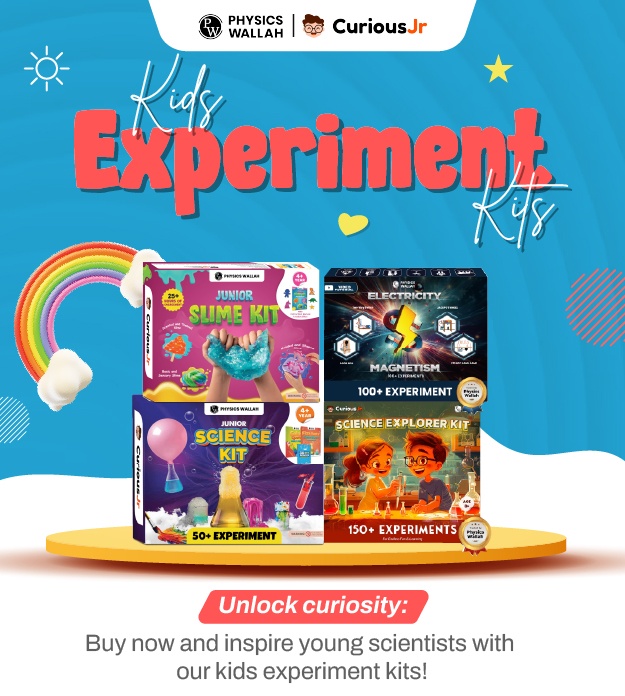
Attempting household practicals often leads to frustration when missing components or vague instructions ruin the outcome. A dedicated activity kit eliminates these barriers by providing pre-measured materials and tested guides tailored for mid-term school modules.
|
Advantage |
Standard Household Setup |
Dedicated Activity Kit |
|
Preparation Time |
High (requires sourcing multiple items) |
Instant (all components included) |
|
Safety Standards |
Variable (untested household liquids) |
High (child-safe, tested materials) |
|
Success Rate |
Unpredictable due to wrong proportions |
Consistently accurate results |
|
Learning Clarity |
Often lacks clear scientific explanations |
Step-by-step educational context |
Using a kit ensures that every attempt yields a clean, understandable result, keeping students motivated and focused on the underlying principles.
What are the 10 Fun Science Experiments for Kids to Try?
Below are ten practical, engaging activities designed to demonstrate key scientific concepts using components typically found inside a guided kit.
1. The Volcano Chemical Eruption
-
Concept: Acid-base chemical reactions.
-
How It Works: Combine sodium bicarbonate (baking soda) with a weak acid like citric acid in the kit's miniature beaker. Adding water triggers an instant neutralization reaction, releasing carbon dioxide gas in a fizzing foam.
2. Rainbow Liquid Density Column
-
Concept: Liquid density and viscosity.
-
How It Works: Layer liquids of varying densities—such as glycerine, colored water, and vegetable oil—into a narrow tube. The liquids refuse to mix, forming distinct colored bands that visually demonstrate mass per unit volume.
3. DIY Electro-Magnet
-
Concept: Electromagnetism and circuit flow.
-
How It Works: Wind an insulated copper wire tightly around an iron nail and attach the ends to a low-voltage battery block. The electric current creates a magnetic field capable of lifting small paperclips.
4. Walking Water Capillary Action
-
Concept: Surface tension and capillary attraction.
-
How It Works: Place folded paper towels between cups filled with colored water. Water moves upward against gravity through tiny cellulose fibres, filling the empty cups and demonstrating how plants transport fluids.
5. Magic Balloon Gas Generator
-
Concept: Gas production and pressure accumulation.
-
How It Works: Stretch a rubber balloon over the neck of a test tube containing vinegar and baking soda. The generated carbon dioxide inflates the balloon without any manual blowing.
6. Lemon Circuit Power
-
Concept: Electrochemistry and energy conversion.
-
How It Works: Insert copper and zinc strips into citrus fruits and connect them to an LED bulb. The citric acid acts as an electrolyte, allowing ions to flow and generating enough voltage to light the bulb.
7. Crystal Snowflake Growth
-
Concept: Supersaturated solutions and crystallization.
-
How It Works: Dissolve salt or borax in hot water until no more dissolves. As the solution cools over several hours, solid molecules lock together along pipe cleaners to form structured crystals.
8. Bouncy Egg Osmosis
-
Concept: Membrane permeability and acid reactions.
-
How It Works: Submerge a raw egg in vinegar for 48 hours. The acid dissolves the calcium carbonate shell, leaving an intact, flexible semi-permeable membrane that bounces gently on flat surfaces.
9. Invisible Ink Oxidation
-
Concept: Thermal oxidation and organic compounds.
-
How It Works: Write messages using lemon juice on paper. When gently warmed over a safe heat source, the carbon compounds oxidize faster than the paper, turning brown and revealing the hidden writing.
10. Homemade Lava Lamp
-
Concept: Immiscibility and gas lift forces.
-
How It Works: Fill a tube with oil and water, then drop in an effervescent tablet. The sinking tablet generates carbon dioxide bubbles that carry colored water droplets upward, creating a rhythmic movement before settling back down.
Things You Need for Science Experiments for Kids
Carrying out these activities smoothly requires a clean, organized workspace equipped with essential tools. Most specialized items come included in kids experiment kit, but keeping a few general supplies nearby ensures uninterrupted focus.
Essential items include:
-
Kit Accessories: Test tubes, measuring beakers, pipettes, safety goggles, and plastic stirrers.
-
Base Reagents: Citric acid powder, sodium bicarbonate, food colorings, and copper indicators.
-
Common Extras: Clean water, paper towels, scissors, and small glass jars.
Having these elements organized before starting prevents accidental spills and maintains a steady workflow.
Safety Tips for Science Experiments for Kids
Safety must remain the highest priority during every practical session. Establishing clear rules keeps the environment stress-free and prevents unnecessary accidents.
Follow these primary guidelines:
-
Wear Protection: Always put on safety goggles and gloves before handling powders or liquids.
-
Work on Covered Surfaces: Place a plastic mat down to shield tabletops from stains or acidic drips.
-
Supervised Handling: Keep an adult nearby when working with low-voltage batteries or warm solutions.
-
Clean Up Promptly: Wash all test tubes and pipettes thoroughly immediately after completing an activity.
How Science Experiments for Kids Make Learning Fun?
Interactive learning transforms abstract textbook definitions into tangible experiences. When students see a physical reaction take place, their brain forms stronger neural connections than it would from passive reading alone.
Key educational advantages include:
-
Critical Thinking: Encourages students to ask why a specific reaction occurred rather than simply memorizing the result.
-
Confidence Building: Completing an activity independently strengthens academic self-belief before school assessments.
-
Long-Term Retention: Visual and tactile memories last significantly longer than rote-memorized definitions.
Creative Ways to Enjoy Science Experiments for Kids
To gain the greatest educational value, turn practical sessions into collaborative, creative sessions rather than strict, isolated tasks.
Try these approach variations:
-
Keep a Science Journal: Record initial guesses, step-by-step observations, and final findings in a dedicated notebook.
-
Host Family Demonstrations: Let the learner explain the scientific principle behind an activity to family members.
-
Introduce Single Variables: Change one element—such as water temperature—to observe how it alters the reaction speed.
These creative additions turn simple science activities for kids into deep, inquiry-based learning experiences.
Common Mistakes to Avoid During Science Experiments for Kids
Even simple practicals can fail if key steps are overlooked. Avoiding these routine errors ensures consistent success every time.
-
Inaccurate Measurements: Adding too much liquid or powder alters chemical ratios and neutralizes expected results.
-
Rushing the Process: Certain reactions, such as crystal growth, require steady patience over hours rather than minutes.
-
Skipping Instructions: Skimming through steps often leads to missed components or incorrect mixing orders.
-
Using Unclean Equipment: Residue from previous tests can contaminate new mixtures and skew outcomes.
Selecting easy science experiments with clear, pre-tested instructions helps eliminate these common pitfalls and keeps study sessions productive.
Science Experiments for Kids FAQs
Are these science activities safe to perform at home?
Yes, all activities listed use non-toxic, child-safe materials when performed according to standard safety instructions and under basic adult supervision.
What age group benefits most from an activity kit?
These activities are tailored primarily for middle-school students aged 8 to 14, aligning directly with foundational general science curricula.
How long does a typical experiment take to finish?
Most hands-on setups take between 15 and 30 minutes to prepare and observe, making them easy to fit into daily study schedules.
Do I need prior laboratory experience to help my child?
No prior experience is necessary. Comprehensive kits feature clear, step-by-step guides that walk parents and students through each stage seamlessly.
How do practical kits help with school exam preparation?
Practicals turn abstract syllabus topics into visible physical processes, making underlying concepts far easier to recall during written tests.