CLAT Previous Year Question Papers PDF with Solutions
You can get better at the Common Law Admission Test by working through CLAT previous year question papers. It's not so much about memorising hefty law books as it is about learning how to read between the lines to pass the CLAT. Many people who want to pass the exam feel overwhelmed by the amount of material they have to cover and have trouble figuring out which areas are most important. If you want to pass this hard test, you have to go from reading passively to solving problems. One approach to do this is to look at a prior year's CLAT question paper.
Check out: PW Law Books
CLAT Exam Pattern and Marking Scheme
To do well in the CLAT exam you need to know the format:
Offline exam with pen and paper
-
Time: 120 minutes
-
Total number of questions: 120
-
English, Current Affairs and General Knowledge, Legal Reasoning, Logical Reasoning, and Quantitative Techniques are the sections.
Check the official website as well to see any new announcements / changes.
Plan for Grading:
-
+1 point for every right answer
-
-0.25 points for each wrong answer
-
0 points for questions that were not attempted
This way of grading makes speed and precision equally important. Random guessing can reduce your score, so practising the last year's papers helps you make smarter attempt decisions.
CLAT Previous Year Question Papers
CLAT previous year question papers are essential for effective law entrance exam preparation. They help students understand the exam pattern, question types, and difficulty level. Practicing these papers improves reading speed, logical reasoning, and time management. It also helps identify important topics and boosts confidence, making students better prepared for the actual exam.
|
CLAT Previous Year Question Papers with Solutions |
|
|
CLAT Previous Year Question Papers 2023 |
|
|
CLAT Previous Year Question Papers 2024 |
|
|
CLAT Previous Year Question Papers 2025 |
|
|
CLAT Previous Year Question Papers 2026 |
|
Want more such CLAT Previous Year Question Papers? Check out below:-
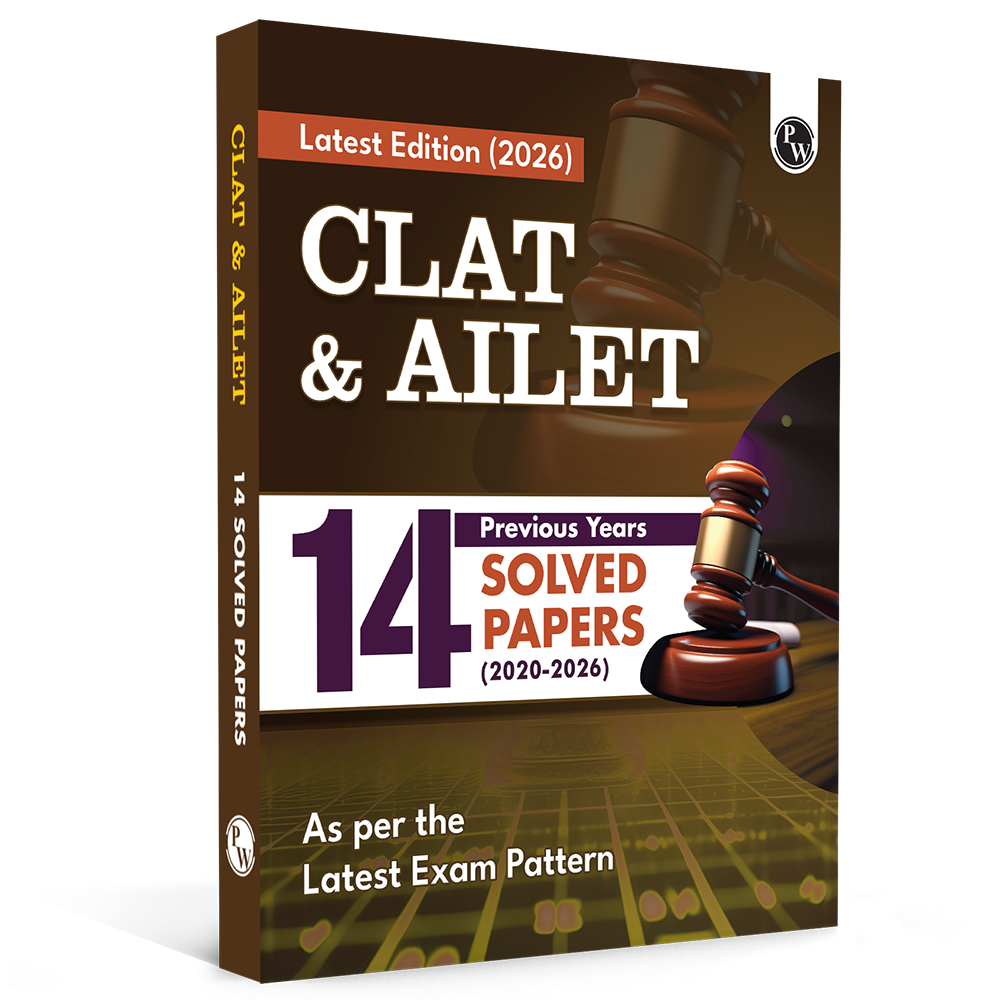
CLAT & AILET 14 Previous Years Solved Papers
How to Use the CLAT PYQ for Preparation?
You won't get results just by looking at the questions. You need to follow an organised approach to get the most out of the question paper from last year.
1. Create the Exam Environment
Set a timer for two hours, turn off your phone, and sit in a quiet place. Solving a previous year paper under pressure is the only way to gauge your actual readiness. Do not look at the solutions until the timer goes off.
2. Focus on the Solutions
Once finished, don't just check your score. Look at the CLAT papers from the previous year with answers to understand the "why" behind every wrong choice. Did you not know enough, or did you misunderstand the passage? This is where the true learning takes place.
3. Identify Pattern Shifts
If you compare a previous year CLAT question paper from 2018 with one from 2024, you will see a massive shift from "one-liner" questions to deep analytical passages. Focusing more on the papers from 2020 onwards is essential to stay aligned with the current curriculum.
When to Start Solving CLAT Previous Year Question Papers?
Many students are confused about when to start using previous year question papers. Here’s the right approach:
-
Early Stage: Focus on building concepts and reading skills
-
Mid Preparation: Start solving section-wise questions from PYQs
-
Final Stage: Solve full-length previous year papers under timed conditions
Ideally, you should start serious PYQ practice after completing a basic understanding of the syllabus and then use them consistently till the exam.
Benefits Of CLAT Previous Year Question Papers?
The transition of the CLAT from a factual, memory-based test to a comprehension-heavy format in 2020 changed the game entirely. Now, every part, from English language to legal thinking, is founded on passages. Here's why you have to obtain the PDF of last year's papers for your success:
-
Understanding the Logic: CLAT assesses your ability to pull out ideas from text, which is different from regular tests. Practicing a PYQ helps you figure out how the people who give the test set up "distractor" alternatives.
-
Time Management: You have exactly one minute to answer each of the 120 questions. Real-time practice with a PYQs ensures you don't spend too much time on a single tricky passage.
-
Topic Weightage: You will see that several topics of law, such torts, contracts, and constitutional law, come up a lot. Knowing these tendencies helps you decide what to study first.
-
Building Stamina: Reading 20 to 22 long passages in one sitting is exhausting. Regular practice helps you acquire the mental strength you need for the day of the test.
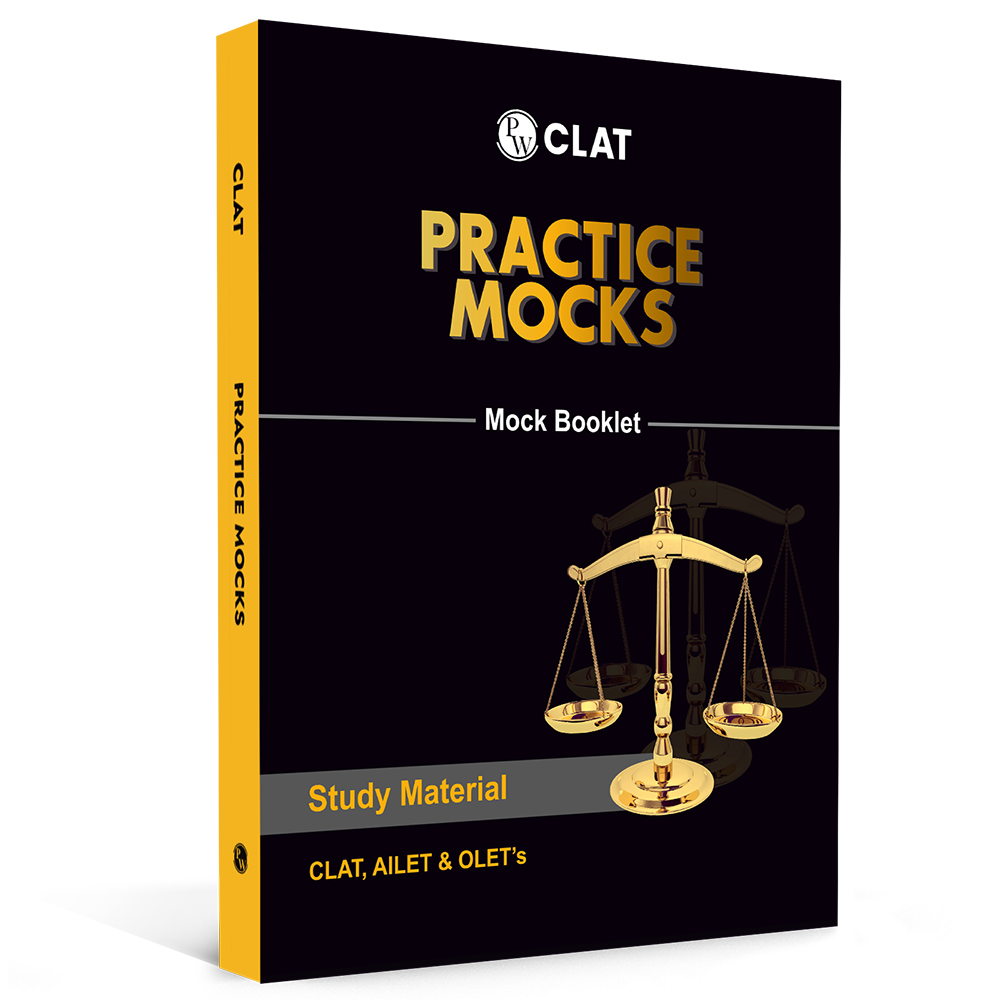
Also Check, CLAT Practice Mock Booklet 2026
Key Sections in CLAT PYQs
The CLAT previous year papers PDF usually contains five main segments. Here is what to look for in each:
-
English Language: Focus on how the tone of the author is questioned.
-
Current Affairs & GK: Note the depth of questions. It is rarely just about "who" or "where" but often involves the "background" of the event.
-
Legal Reasoning: Look for the application of legal principles to the facts provided in the passage.
-
Logical Reasoning: Pay attention to puzzles and syllogisms that appear in a PYQ.
-
Quantitative Techniques: These are now data-interpretation-based. Practice calculating percentages and ratios from graphs and tables.
Tips for Solving CLAT Previous Year Question Papers
A common mistake students make is solving the same CLAT previous year question papers repeatedly without a strategy. Instead, try this:
-
First Pass (Knowledge Check): Solve the paper to see what you already know.
-
Second Pass (Speed Check): A month later, solve the same PYQ but try to finish it 15 minutes faster.
-
Third Pass (Logic Check): Focus only on the questions you got wrong previously. Check if your logic has improved or if you are still making the same errors.
Using a PDF as a diagnostic tool helps you pinpoint whether your weakness lies in speed, accuracy, or conceptual clarity.
Read More: CLAT Syllabus 2027
CLAT Previous Year Question Papers FAQs
Are previous year question papers enough to clear the exam?
You should utilise them with updated mock tests and current events periodicals to get a better idea of how the test is set up and how hard it is. They provide you the basics, but the test often brings up new subjects.
Where can I find CLAT previous year papers with answers for free?
You can download the PDF directly or reputable educational platforms that compile the official keys from the Consortium of NLUs.
From which year should I start practising the PYQ?
It is best to start from 2020 onwards because the exam pattern changed significantly that year. Once you master those, you can look at older previous year CLAT question paper sets for extra practice in legal reasoning and vocabulary.
Does solving a CLAT paper from the previous year help in time management?
Yes, definitely. Practising with a CLAT exam previous year question paper helps you learn how to allocate time to different sections, ensuring you don't leave any marks on the table due to a lack of time.
How many previous-year papers should I solve?
Ideally, you should solve at least the last 5 to 10 years of papers. However, give more weight to the most recent ones to stay in touch with the current passage-based trend.