How to Cover NEET Biology Syllabus with NCERT Punch?

You already know that Biology is the backbone of your preparation. However, reading the same NCERT textbooks over and over again can be very boring, and oftentimes, students may not be able to pinpoint what lines could potentially form difficult questions.
A number of students are often found drowning in the ocean of knowledge, confused between what they need to know and what they should simply know for the examination.
That is when NEET NCERT Punch biology becomes crucial. This resource serves as an essential link between the routine of reading textbooks and successfully preparing for NEET.
Check Out: PW NEET Books
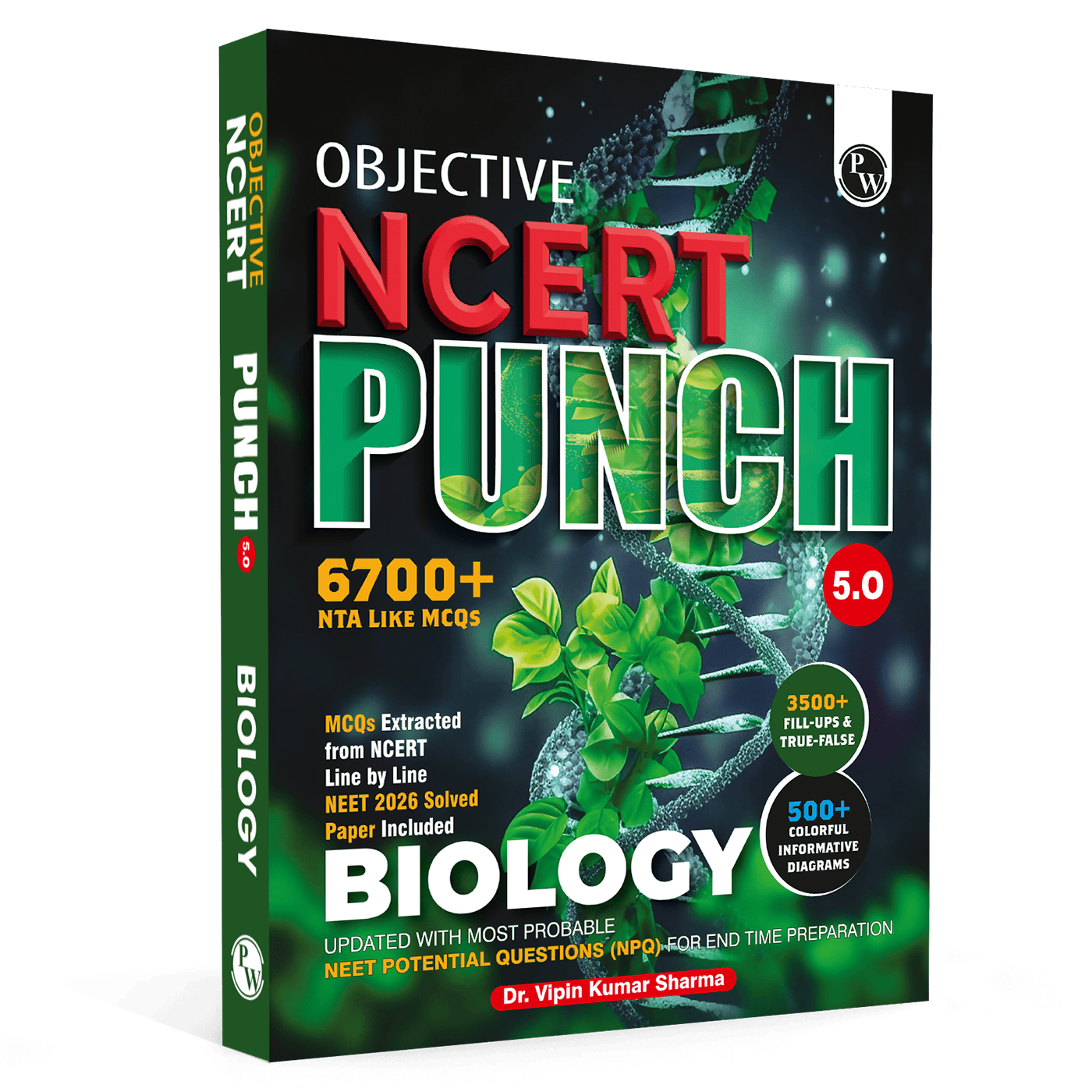
Overview of NEET NCERT Punch Biology
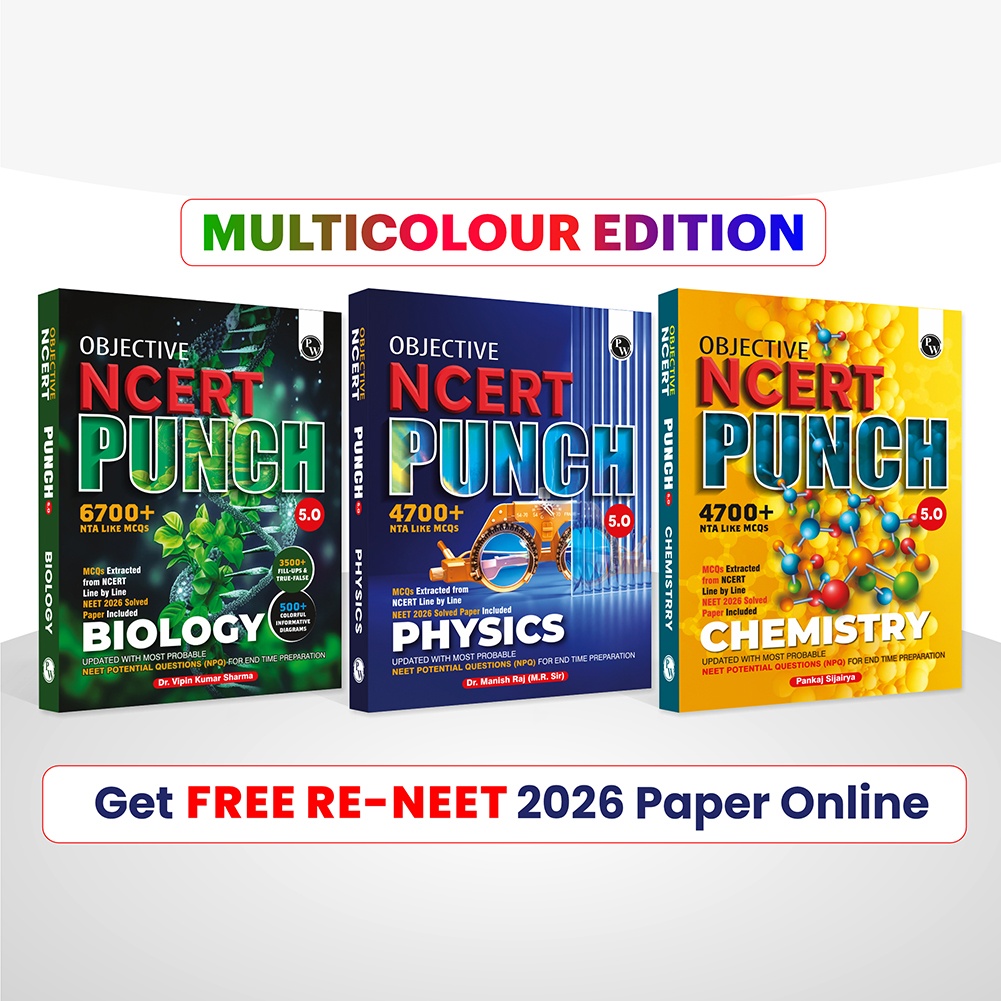
The NEET NCERT Punch Biology is a resource created with the purpose of helping NEET aspirants understand and prepare from NCERT textbooks in a systematic and objective manner.
This book acts as a one-stop solution for understanding and studying all aspects of NCERT Biology. Instead of studying in theory, the book allows the user to learn better by answering the more than 2000+ MCQs present in the book.
Moreover, the book caters to those preparing for NEET in 2026 and has incorporated all of the new NMC guidelines and rationalised the contents accordingly.
Features of NEET NCERT Punch Biology
To understand how NEET NCERT Punch Biology book helps in covering the syllabus, we must look at the specific tools it provides to students.
NCERT-Picks for Concept Clarity
Every chapter in the NEET NCERT Punch biology starts with a section called "NCERT-Picks." These are curated summaries where complex concepts are simplified. If you find certain processes in Plant Physiology or Genetics hard to grasp, these picks use flowcharts and colourful diagrams to make the information stick. It’s like having a mentor highlight the most important parts of the chapter before you start practising.
NCERT Line-by-Line Fill-ups
One of the most unique aspects of PW NCERT Punch biology is the inclusion of "Line by Line" Fill-in-the-blanks and True/False questions. This forces you to pay attention to every single word in the NCERT textbook. NEET is known for picking minor details from the text and turning them into confusing options; practising these ensures you don't miss those subtle nuances.
Extensive Question Typology
The book provides a massive bank of over 2000+ questions. In NEET NCERT Punch biology, you aren't just solving simple multiple-choice questions. You get a variety of formats:
-
Matching Type Questions: Perfect for revising scientific names and functions.
-
Statement-based Questions: To test your deep understanding of concepts.
-
Assertion & Reason: These are often the most difficult in NEET, and this book provides ample practice for them.
-
Image-based MCQs: Since Biology is a visual subject, these questions help you identify diagrams quickly.
Benefits of Using NEET NCERT Punch Biology
Choosing the right NEET NCERT Punch books for biology can be the difference between a score of 300 and 360. Here is how this specific book adds value to your daily study routine.
1. Focus on Rationalised Content
The NCERT syllabus has seen several changes recently. This book highlights the "Rationalised Content [RC]," ensuring you don't waste time on topics that have been removed from the current syllabus. This keeps your preparation lean and efficient.
2. Improved Speed and Accuracy
With the "High-Order Time Intensive MCQs" section, you learn how to manage your time. These questions are designed to be challenging, mimicking the difficulty level of the actual exam. By solving these, you develop the stamina needed for the three-hour marathon of the NEET exam.
3. Visual Learning with 500+ Diagrams
Biology is hard to learn without visuals. The objective NCERT Punch biology includes over 500 colourful and informative diagrams. These help in simplifying complex biochemical pathways and anatomical structures, making them much easier to remember during the exam.
4. Real-time Exam Feel with PYQs
The book includes year-wise analysis of NEET and AIIMS past year questions. By seeing how many questions were asked from a particular topic in previous years, you can prioritise your revision effectively. It even includes the NEET paper to keep you updated with the latest trends.
How to Improve Your Scores with NEET NCERT Punch Biology
Simply owning the book isn't enough; you must use it strategically to see a jump in your marks.
Step 1: The First Read
Read a chapter from your standard NCERT textbook first. Once you have a basic understanding, open the NEET NCERT Punch biology and go through the "NCERT-Picks." This will reinforce what you just read and clarify any immediate doubts through diagrams.
Step 2: The Fill-Up Challenge
Move to the "Line by Line" fill-ups. Try to answer these without looking back at your textbook. This is the ultimate test of your "active recall" abilities. If you struggle here, it means you need to read that specific section of the NCERT more carefully.
Step 3: Topic-wise MCQ Practice
The PW NCERT Punch biology organises questions topic-wise. Instead of solving the whole chapter at once, solve MCQs for the specific topic you studied that day. This prevents burnout and ensures you are mastering small chunks of the syllabus daily.
Step 4: Analysing Mistakes
Don't just check the answer key. This book provides detailed explanations for High-Order questions. Read the logic behind the correct answer to ensure you don't repeat the same mistake in your mock tests.
Check Out: NEET Question Banks
When to Start Using NEET NCERT Punch Biology?
Ideally, you should start using this book as soon as you begin your Class 11 or 12 journey. However, it is especially effective during the mid-term phase. This is the time when you have finished a significant portion of the syllabus and need to start consolidating your knowledge.
Using NEET NCERT Punch biology during your mid-term revision helps you bridge the gap between "knowing" a concept and "applying" it. It is also an excellent tool during the final months before NEET, where your focus shifts from reading theory to solving as many questions as possible.
Study Strategy Plan with NEET NCERT Punch Biology
To cover the entire syllabus systematically, follow this 4-week cycle for groups of chapters:
|
Week |
Activity |
Focus Area |
|
Week 1 |
Concept Building |
Read NCERT & NCERT-Picks in the book. |
|
Week 2 |
Active Recall |
Complete Fill-ups and True/False for those chapters. |
|
Week 3 |
Skill Application |
Solve Topic-wise MCQs and Exemplar questions. |
|
Week 4 |
Exam Simulation |
Solve PYQs and Time Intensive MCQs under a timer. |
This structured approach ensures that you are not just skimming through the book but are actually absorbing the content. The objective NCERT Punch biology is designed to handle this repetitive cycle without making the student feel overwhelmed.
Read More: NEET Biology Chapter Wise Weightage
NEET NCERT Punch Biology FAQs
Is NEET NCERT Punch Biology enough for the 360/360 target?
Yes, if used alongside the standard NCERT textbooks. It covers every line of the syllabus through various question formats, ensuring you are prepared for even the most difficult sections of the exam.
Does this book include the latest deleted topics?
The NEET punch PW biology specifically, marking rationalised content. This means you will know exactly which topics have been removed by the NCERT and can focus your energy on the relevant syllabus.
Are the solutions provided for all MCQs?
The book provides detailed explanations for complex and high-order questions to help students understand the logic. For standard questions, a clear answer key is provided for quick checking.
How is the "Line by Line" section different from regular MCQs?
Regular MCQs often give you hints through options. The "Line by Line" fill-ups in NEET NCERT Punch biology require you to remember the exact terminology used by NCERT, which builds much stronger memory retention.
Can I use this book for my Class 12 board exams too?
Absolutely. Since the book is strictly based on the NCERT curriculum and includes diagrams and flowcharts, it is highly beneficial for understanding concepts that are tested in board exams as well.