How PW Objective Punch Helps You Revise NCERT Line by Line Daily

Many students spend hours reading through pages without actually checking how much information they retain from the syllabus. Active recall is the missing link that converts reading into actual test-day points. When you lack a clear method to check your daily progress, tracking your growth becomes nearly impossible.
This detailed article demonstrates how utilizing a structured tool like NEET NCERT punch solves this exact problem, giving you the clarity needed to test your knowledge every single day.
Overview of NEET NCERT Punch Book
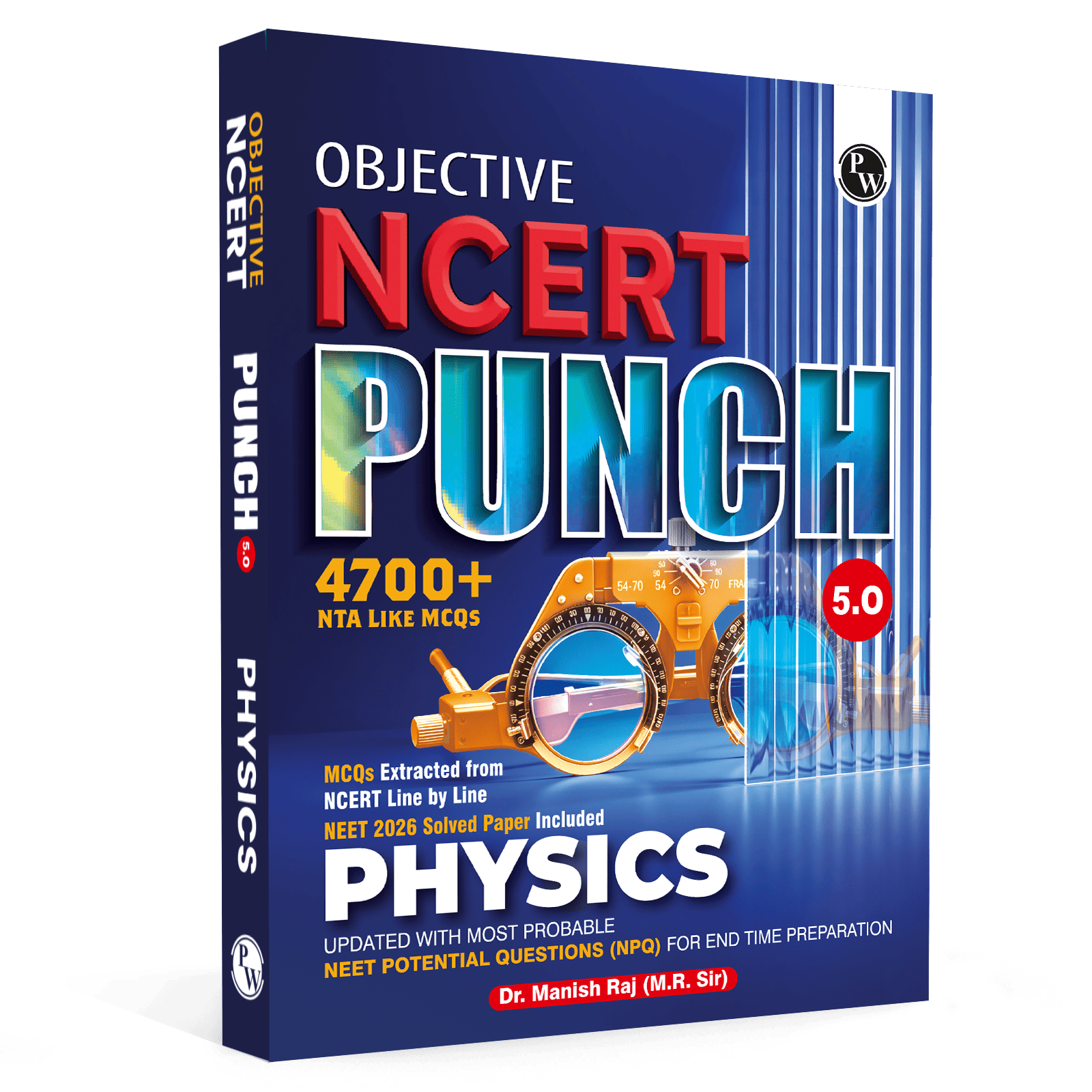
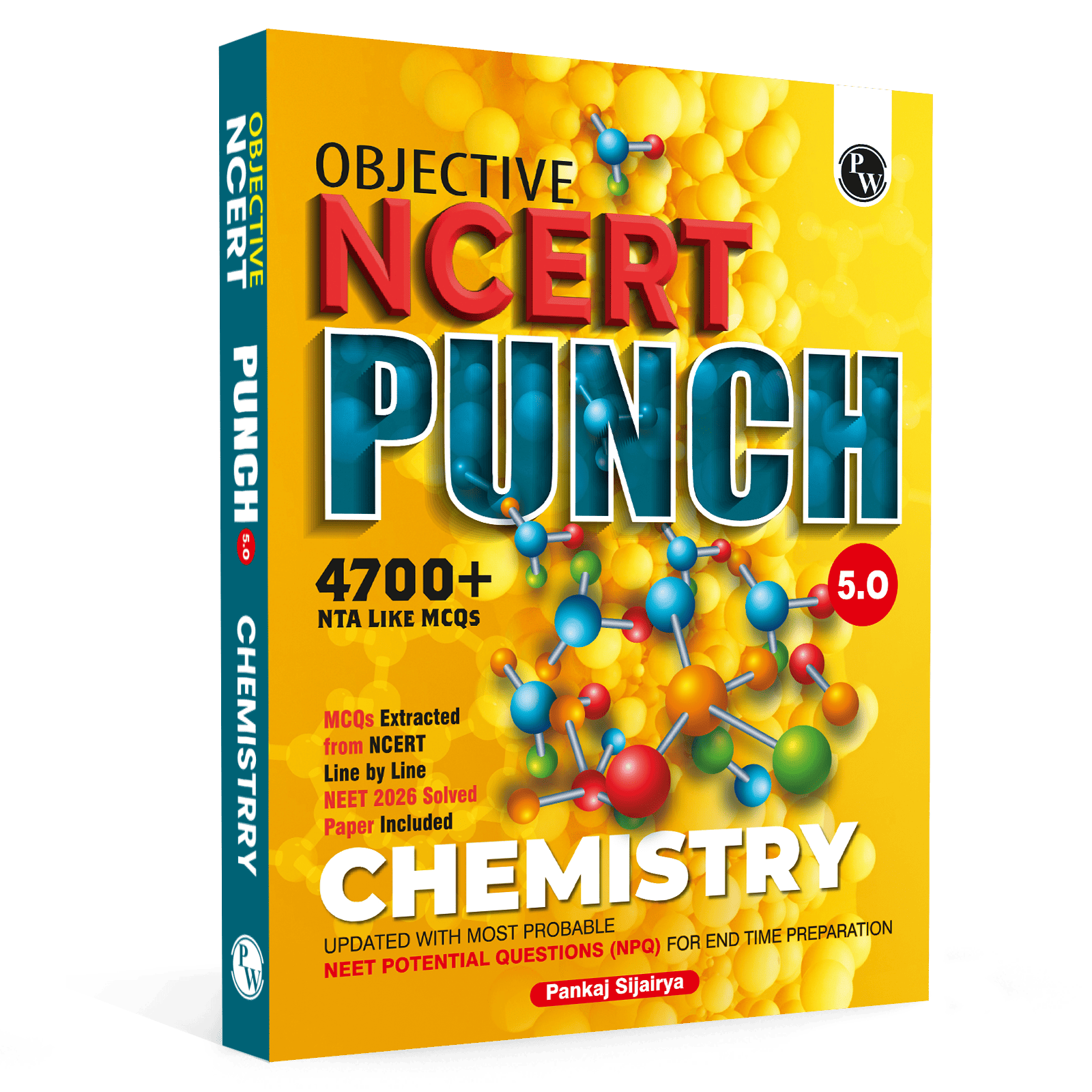
Medical aspirants frequently find themselves looking for a structured way to practice questions that match the official curriculum. The NEET NCERT punch combo is designed as a complete three-book package covering Physics, Chemistry, and Biology.
Built specifically around the latest national testing criteria, this set covers both Class 11 and Class 12 topics.
The collection acts as a reliable objective punch to help you move away from passive reading and switch to active practice. It focuses completely on developing conceptual clarity and ensuring you have an exam-oriented framework for your daily study sessions.
Instead of searching through random worksheets, you get a dedicated setup that tests your understanding of the core topics.
Why does NEET NCERT Punch Make Daily Revision Easier?
Balancing three different sciences requires a regular routine that does not take hours to set up. A targeted text-based NEET question bank makes your PCB revision efficient by removing the guesswork from what you need to study next.
-
Saves Critical Planning Time: You do not have to spend precious morning hours deciding which questions to solve because the book aligns perfectly with the standard syllabus chapters.
-
Builds Regular Habits: Having access to clear, well-organised question sets enables you to build a reliable daily MCQ practice routine.
-
Reduces Exam Stress: Breaking down a huge syllabus into smaller, manageable question targets prevents last-minute cramming.
By setting up a predictable structure, this resource ensures you spend less energy managing your schedule and more time actually answering questions.
How Does NEET NCERT Punch Help With Line-by-Line Learning?
True mastery of the national syllabus requires looking closely at every single line, chart, and statement in your main textbook. The question bank helps you achieve a deep line by line NCERT revision by turning text paragraphs into realistic test questions.
1. Dynamic Question Formatting
The books contain 3500+ fill-in-the-blanks & true-false questions that force you to focus heavily on specific terminology. These formats prevent you from simply guessing the answer and ensure you know the exact facts.
2. Advanced Analytical Practice
The main exam regularly uses complex questions to test how well you understand the relationships between different concepts. This toolkit includes assertion-reason and statement-based questions to improve your logical thinking skills. It also offers 240+ Match the Column and 4200+ Multi Correct MCQs to prepare you for any sudden changes in the official test pattern.
How to Use NEET NCERT Punch for Revision?
To get the most value out of this resource, you should follow a clear step-by-step approach rather than jumping randomly between chapters.
-
Read the Reference Material First: Spend time reviewing the specific chapter in your primary textbook to fix the basic concepts in your mind.
-
Utilise the In-Book Summaries: Look over the chapter-wise short notes and 500+ colourful diagrams provided in the book to quickly refresh your memory.
-
Start with Foundational Practice: Begin solving the basic questions to check your initial understanding.
-
Move to Advanced Problems: Tackle the 4800+ Numerical Profile Questions and specialized high-order, time-intensive problems to build real confidence.
Daily Study Plan for Using the NEET NCERT Punch
A chaotic study routine often leads to ignoring difficult subjects. Using a structured layout helps make sure you give equal attention to Physics, Chemistry, and Biology every single week.
|
Day of the Week |
Core Subject Focus |
Targeted Question Types |
Estimated Study Time |
|
Monday |
Biology (Botany) |
Statement-based & Fill-in-the-blanks |
90 Minutes |
|
Tuesday |
Chemistry (Physical) |
Numerical Profiles & Formula Practice |
120 Minutes |
|
Wednesday |
Physics |
High-order MCQs & Diagram Profiles |
120 Minutes |
|
Thursday |
Biology (Zoology) |
Match the Column & True/False |
90 Minutes |
|
Friday |
Chemistry (Organic/Inorganic) |
Assertion-Reason & Reactions |
100 Minutes |
|
Saturday |
Full PCB Review |
Past Exam Papers & Mixed Formats |
180 Minutes |
|
Sunday |
Error Analysis |
Rewatching Weak Concepts & Revision |
90 Minutes |
Practice Sheet for Using NEET NCERT Punch
Try solving these representative text-based examples to see how the NEET book tests your understanding of core concepts.
Section A: Foundational Concept Checks
-
Question 1 (True/False): All living organisms show cellular organization without exception.
-
Question 2 (Fill-in-the-blank): The functional unit of inheritance that controls a specific trait is called a gene.
-
Question 3 (Match the Column): Match the specific cell organelle with its main metabolic function.
Section B: Advanced Application Examples
-
Question 4 (Assertion-Reason):
-
Assertion: Mitochondria are commonly called the powerhouses of the cell.
-
Reason: They generate adenosine triphosphate through cellular respiration.
-
Question 5 (Numerical Profile): Calculate the overall change in internal energy when a system absorbs a specific amount of heat and performs mechanical work on its surroundings.
Tips to Use NEET NCERT Punch for Daily Revision
Simply answering questions is not enough; you need to apply smart strategies to get the maximum benefit from your practice sessions.
-
Use a Stopwatch: Time your sessions to replicate actual test conditions, which helps you manage your pace during the real exam.
-
Keep an Error Notebook: Write down every single mistake you make so you can review those specific points right before the big day.
-
Focus on Past Papers: Pay extra attention to the NEET Previous Year Questions (PYQs), including the latest 2026 paper, to understand exactly how questions are framed.
-
Review the Most Probable Questions (NPQs): Use the dedicated end-stage revision questions during your final weeks of preparation to check your overall readiness.
Common Mistakes to Avoid While Using NEET NCERT Punch
Avoiding common study traps will help you save hundreds of hours of wasted effort over the academic year.
-
Skipping Explanations: Do not just look at the correct answer key. Take the time to understand the reasoning behind the solution so you do not repeat the same mistake.
-
Over-relying on Guesswork: If you do not know a fact, go back to your textbook instead of guessing blindly.
-
Ignoring Your Weak Subjects: It is natural to prefer your favorite subjects, but ignoring your weaker topics will hurt your overall rank.
-
Leaving Questions Unfinished: Make sure you complete a whole section once you start it to build the focus needed for a long exam.
Read More: How To Start NEET Preparation From Zero Level?
NEET NCERT Punch Book FAQs
How does using the NEET NCERT punch combo support daily revision?
The combo provides a highly structured collection of 11400+ NTA-level MCQs sorted by topic. This massive variety allows you to run daily practice sessions that match your school or self-study schedule perfectly.
Can I use these specific books for boards and other competitive tests?
Yes, because the contents are built completely on the official national curriculum framework. Practicing these questions helps improve your speed and accuracy for school boards, CUET, and various medical entrance assessments.
What makes this book effective for deep line by line NCERT revision?
The book converts normal text lines into unique question formats like fill-in-the-blanks, true-false, and match-the-column items. This forces you to focus closely on the exact wording used in your primary textbook.
How does regular daily MCQ practice affect test-day performance?
Regular practice builds your stamina, improves your problem-solving speed, and trains your brain to handle different question formats under pressure. This directly reduces exam anxiety and prevents silly mistakes.
When should I start using these NCERT objective questions in my schedule?
You should start using the NCERT objective questions immediately after finishing a topic in class. Working on them early ensures you fix the concepts in your mind while the information is still fresh.