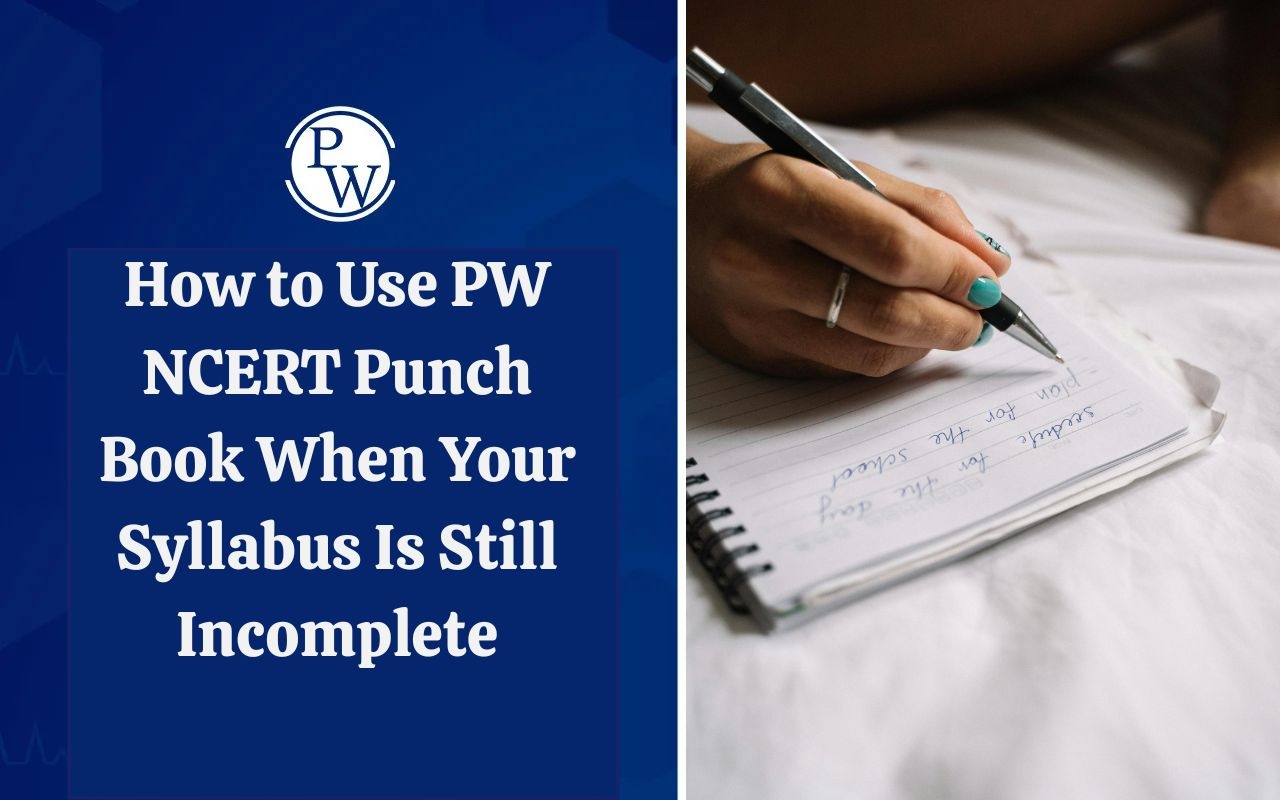
How to Use PW NCERT Punch Book When Your Syllabus Is Still Incomplete
When preparing for competitive entrance examinations like NEET, dealing with an incomplete syllabus can cause stress. Many students delay practice until they finish the entire textbook, which can lead to poor retention and less revision time. Using the PW NCERT Punch Book alongside theory helps students practice questions from completed topics while continuing with new chapters. It supports regular practice, improves speed and accuracy, and helps identify weak areas early. An incomplete syllabus does not mean you need to stop practicing.
What Is the PW NCERT Punch Book?
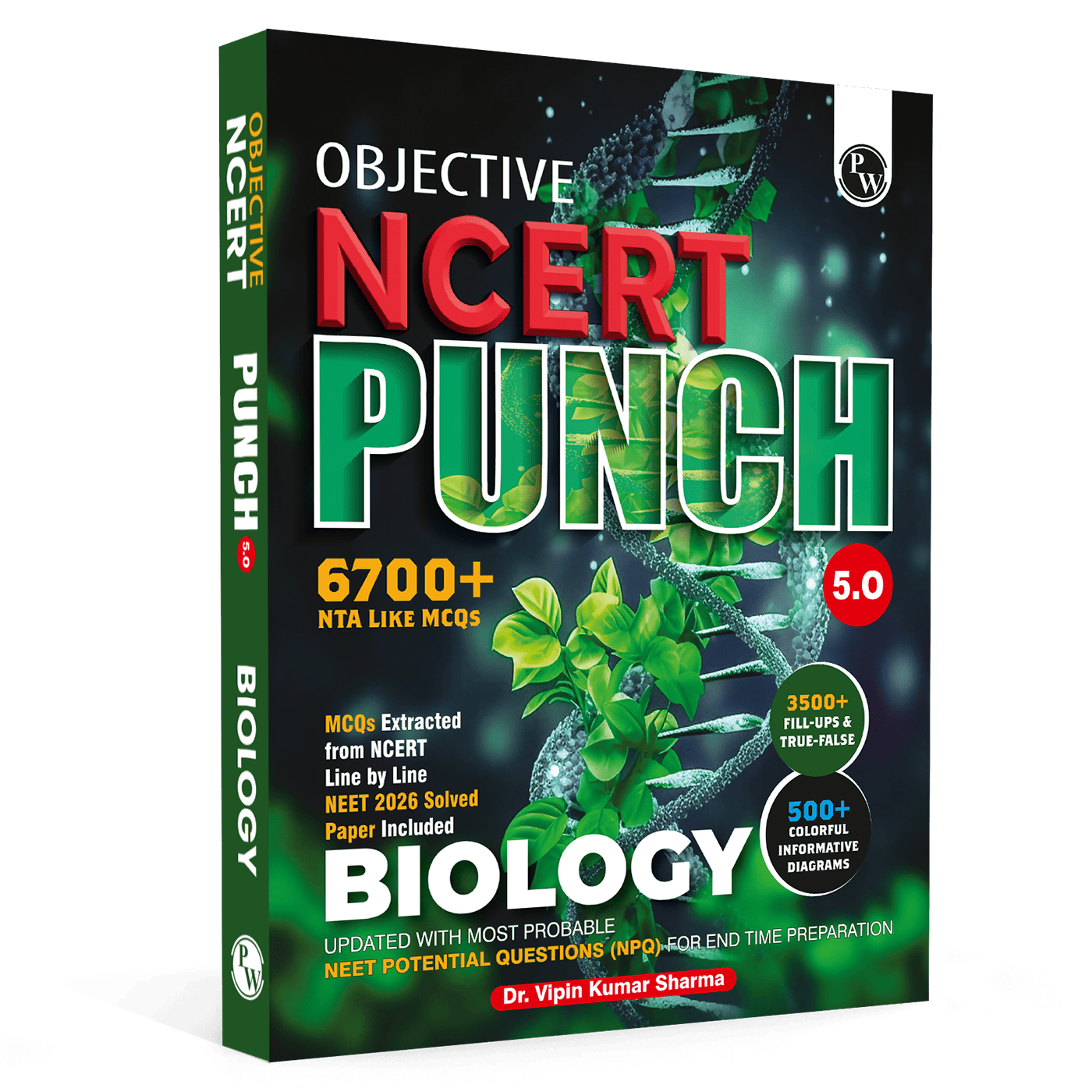
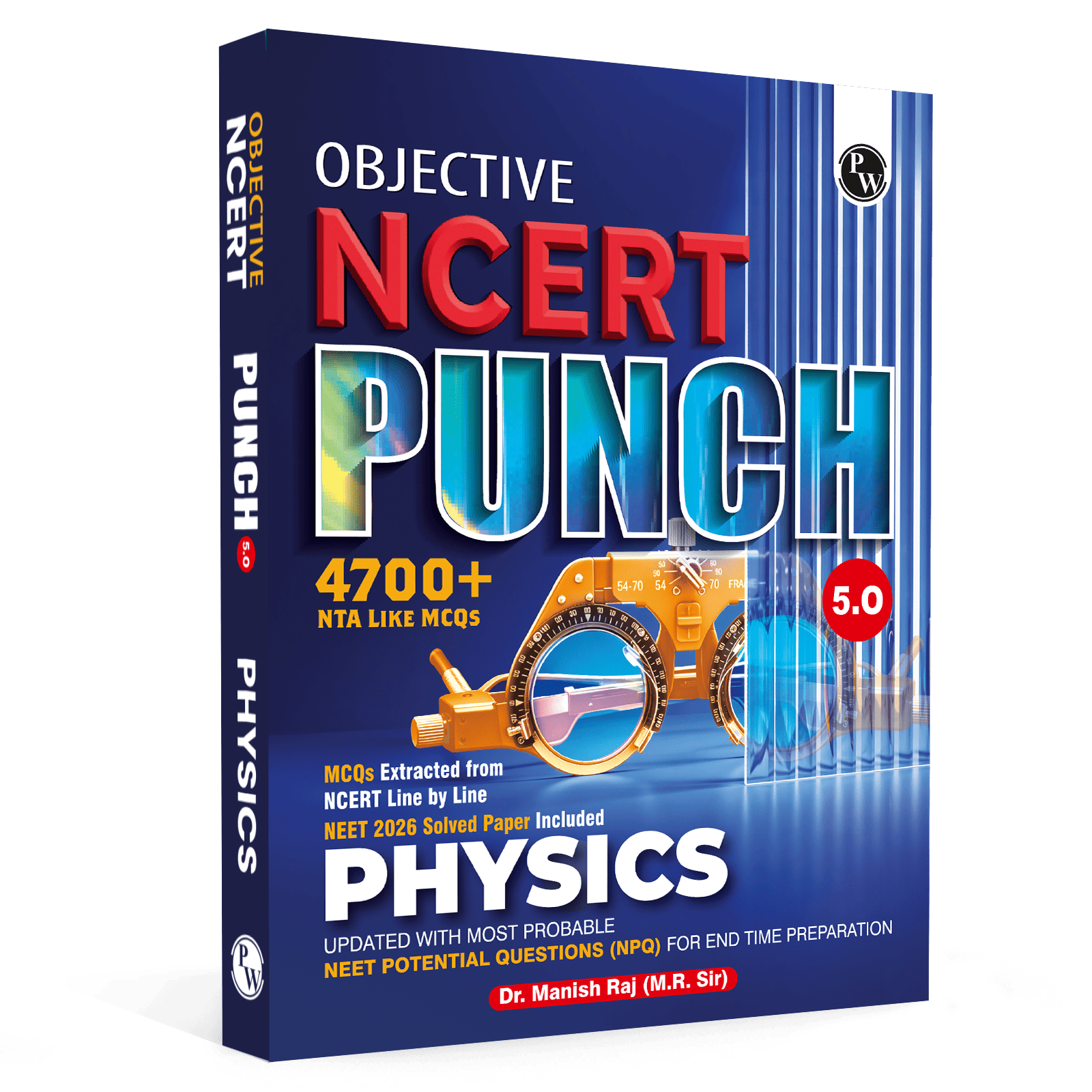
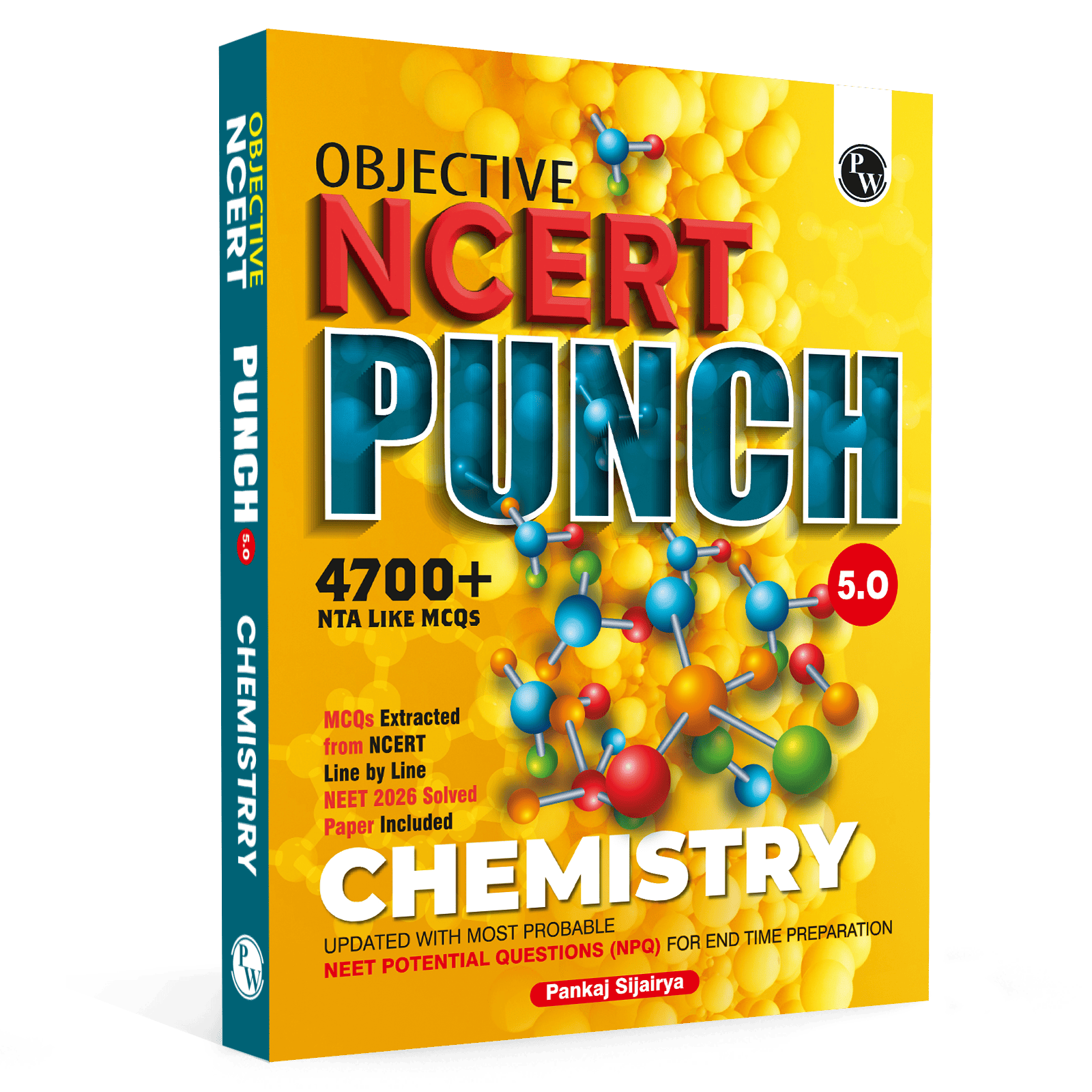
The Punch Book is a NEET practice book designed to help students prepare with NCERT-based questions. It covers Physics, Chemistry, and Biology through chapter-wise and topic-wise practice. It includes 11,400+ NTA-level MCQs, short notes, colourful diagrams, NEET PYQs, fill-in-the-blanks, true-false, assertion-reason, match-the-column, multi-correct, and numerical questions. It helps students revise NCERT concepts, find weak areas, improve accuracy, and build confidence through regular NEET MCQ practice.
Features of PW NCERT Punch Book
Prepare for NEET with a wide collection of NTA-level MCQs, NCERT-based questions, PYQs, and different practice formats. The PW NCERT Punch Book helps students strengthen concepts, improve accuracy, and practise important topics for better exam preparation.
• 11,400+ NTA-Level MCQs: Practice a large collection of NTA-level questions designed to cover important NEET topics and improve your speed, accuracy, and overall exam readiness.
• Chapter-Wise Short Notes & 500+ Colourful Diagrams: Revise key concepts faster with short notes and more than 500 colourful diagrams. These visual aids make difficult topics easier to understand and remember.
• 3,500+ Fill-in-the-Blanks & True-False Questions: Strengthen your basic concepts with different practice formats. These questions help you check your understanding of important NCERT facts and concepts.
• NEET Previous Year Questions (PYQs): Practice actual NEET Previous Year Questions (PYQs), including the latest 2026 paper, to understand the type, level, and pattern of questions asked in the exam.
• 240+ Match the Column Questions: Improve your ability to connect related concepts and facts with more than 240 Match the Column questions based on important NEET topics.
• 4,200+ Multi Correct MCQs: Build confidence with over 4,200 Multi Correct MCQs. This practice helps you handle questions where more than one option may be correct.
• 4,800+ Numerical Profile Questions: Improve your calculation and application skills with 4,800+ Numerical Profile Questions covering important concepts that require proper understanding and practice.
• Assertion-Reason & Statement-Based Questions: Develop better logical thinking and improve accuracy by practising Assertion-Reason and statement-based questions commonly used to test deeper concept understanding.
• Most Probable NEET Questions (NPQs): Focus on important and expected questions with Most Probable NEET Questions (NPQs). These are useful for quick and focused revision during the final stage of preparation.
• High-Order & Time-Intensive MCQs: Challenge yourself with higher-level questions that require more thinking and time management. Regular practice can help you improve your exam temperament and handle difficult questions with greater confidence.
• Topic-Wise & Unit-Wise NCERT Coverage: Strengthen your NCERT preparation with questions arranged according to topics and units. This makes it easier to identify weak areas, revise specific concepts, and complete your syllabus in a systematic way.
Why Use the PW NCERT Punch Book to Complete Your Syllabus?
Starting topic-wise practice early prevents active recall delay. Waiting to complete 100% of the chapters before touching line-by-line question banks creates an unmanageable backlog close to the exam date.
-
Line-by-Line NCERT Coverage: The book transforms every single paragraph of the official textbook into objective questions, allowing you to check topic mastery immediately.
-
Targeted Question Practice: Instead of attempting full-length mock tests for uncovered units, you can solve specific exercise sections for topics you have just completed.
-
Identification of Weak Areas: Attempting questions on partially covered units reveals exactly where your conceptual understanding falls short, allowing you to fix gaps early.
-
Confidence Building: Completing topic-wise sets provides a measurable sense of progress, reducing anxiety caused by pending chapters.
Explore NEET Question Banks with NCERT-based questions, chapter-wise practice, important concepts, previous year questions, and detailed solutions to strengthen preparation, improve accuracy, and boost exam confidence.
|
Practice Method |
Traditional Revision |
PW NCERT Punch Approach |
|
Timing of Practice |
After completing the entire syllabus |
Parallel with ongoing chapter coverage |
|
Question Focus |
Random full-syllabus mocks |
Topic-wise line-by-line questions |
|
Error Diagnosis |
Delayed until late in the session |
Immediate feedback on specific sub-topics |
|
NCERT Alignment |
General concepts |
Strict line-by-line coverage |
How to Use PW NCERT Punch Book for Completing the Syllabus?
To make steady progress without feeling overwhelmed by pending chapters, follow a structured framework that balances theory with objective practice.
Step 1: Map Completed vs. Pending Chapters
Create a clear list of all syllabus units divided into three distinct buckets: fully completed, partially learned, and untouched. Focus your immediate question practice on the fully completed and partially learned units first.
Step 2: Allocate Daily Time Slots for Practice
Divide your daily study session into two main segments: theory coverage for new chapters and question practice for completed topics. Dedicate at least 60 to 90 minutes daily specifically to solve line-by-line questions from the completed sections of the book.
Step 3: Solve Topic-Wise MCQs Immediately After Reading
Do not solve questions in isolation. As soon as you finish reading a section or sub-topic from your main textbook, immediately open the corresponding chapter in the book and attempt the line-by-line questions to cement the concept.
Step 4: Use the Elimination Method for Partially Covered Units
When dealing with partially covered chapters, solve questions related to the specific sub-topics you know. For options referring to unstudied sub-topics, use elimination techniques to test your analytical skills without getting discouraged.
Step 5: Mark Difficult Questions for Second-Pass Revision
During your first pass through any chapter, star or highlight questions that you answered incorrectly or found challenging. These marked questions will serve as your primary revision material once you finish the remaining syllabus.
Read More - Improve NEET Biology Score with NCERT Punch Book by PW
Benefits of Line-by-Line Practice in PW NCERT Punch Book
Line-by-line question practice bridges the gap between passive reading and active problem-solving, which is critical for mastering complex subjects.
-
Active Recall Training: Forcing your brain to retrieve facts from memory strengthens neural pathways much faster than re-reading notes.
-
Spotting Exam Patterns: Solving questions designed around exact textbook lines helps you recognize how statements are tweaked to create tricky multiple-choice options.
-
Time Management Improvement: Regularly timed topic-wise drills improve your solving speed, which is critical for long exams.
-
Reduced Rote Learning: Working through varied question formats like match-the-column, assertion-reason, and statement-based questions encourages genuine understanding rather than superficial memorization.
Common Mistakes to Avoid with the PW NCERT Punch Book
Using a specialized question bank incorrectly can hinder your efficiency. Avoid these common traps when your syllabus is still pending:
-
Waiting for 100% Syllabus Completion: Postponing practice until every chapter is finished leads to memory decay on early topics. Start solving questions as soon as a single topic is complete.
-
Skipping Detailed Explanations: Reading only the correct option key without reviewing the underlying explanation limits learning. Always read explanations for incorrect attempts to understand the reasoning.
-
Attempting Random Mixed Tests Early: Jumping into cumulative or mixed tests before covering base chapters creates unnecessary stress. Stick to strict topic-wise filtering until your coverage reaches a higher percentage.
-
Ignoring Marked Errors: Solving hundreds of questions without revisiting incorrect attempts wastes the diagnostic potential of the question bank. Maintain a dedicated error tracking system.
FAQs
Can I start using the PW NCERT punch book if only 40% of the syllabus is complete?
Yes, you can start using the NCERT punch book immediately for the 40% syllabus you have completed, while continuing theory coverage for the rest.
How does NEET NCERT preparation improve using line-by-line question banks?
Effective NEET NCERT preparation improves because line-by-line question banks test exact textbook statements, ensuring you do not miss hidden facts or diagrams.
Is daily NEET MCQ practice useful during the theory phase?
Yes, consistent NEET MCQ practice during the theory phase reinforces memory, builds speed, and highlights immediate conceptual gaps.
What is the best NEET preparation strategy for pending topics?
The best NEET preparation strategy is to divide your daily schedule between learning new topics and practicing objective questions from already covered units.
How to handle a NEET incomplete syllabus close to exams?
Prioritise high-weightage chapters, focus on core textbook reading, and solve topic-wise questions from completed chapters rather than attempting full-length tests prematurely.