When Should You Introduce a NEET Question Bank Into Your Study Plan

Cracking a highly competitive nationwide medical entrance exam requires more than just memorising textbook pages. Many aspiring doctors face the frustrating hurdle of understanding a chapter completely but failing to solve its complex multiple-choice questions during practice. This gap happens when you delay structured item practice for too long. To improve your chances of securing a high score, knowing exactly when and how to integrate a comprehensive NEET question bank into your daily routine can determine your final rank.
Why You Should Start Using a NEET Question Bank Early
Many students make the mistake of waiting until the entire syllabus is finished before opening a question bank for NEET. This delays the critical self-assessment needed to check if you actually understood the topic. Starting early with a dedicated source transforms passive reading into active recall.
Using a structured resource early provides essential benefits for your daily study routine:
-
Validates Theoretical Knowledge: Reading a biology layout or physics formula feels easy, but solving a twisted question tests your true application skills.
-
Exposes You to Diverse Formats: It introduces you to assertion-reasoning, match-the-following, and statement-based items that textbook summaries omit.
-
Builds Muscle Memory: Regular exposure reduces the friction of encountering new item patterns on the actual test day.
When to Start Using a NEET Question Bank Book
The ideal timeline to open your NEET NCERT Punch question bank book is immediately after completing your very first chapter from the NCERT textbooks. You do not need to finish all of physics or chemistry before practicing.
Phase 1: Topic-Wise Practice After Every Class
As soon as a topic is covered by your teacher or through self-study, open your item archives. Solving 30 to 50 targeted items on that specific sub-topic solidifies your learning.
Phase 2: Chapter-Wise Consolidations
Once an entire chapter is finished, dedicate a focused block of time to solve a complete chapter-wise set. This helps you understand how different concepts within the same chapter connect with each other.
Phase 3: The Revision Cycle
During mid-term revisions, reading the same text again causes boredom and false confidence. Instead, use your practice resource as a tool for reverse engineering your revision by solving items first and reviewing text only for incorrect answers.
How a NEET Question Bank Improves Speed and Accuracy
The medical entrance exam is a paper-and-pen-based test featuring a large number of multiple-choice questions across Physics, Chemistry, and Biology. You have to handle this vast number of questions within a limited time frame, making speed and accuracy just as vital as your core knowledge.
|
Practice Parameter |
How a Structured Practice Resource Helps |
|
Time Management |
Teaches you to allocate less than a minute per biology question, saving precious time for calculations. |
|
Error Reduction |
Helps you spot traps like "incorrectly matched" or "not true" phrases that cause negative marking. |
|
Elimination Skills |
Trains your mind to eliminate obviously incorrect options systematically when you are unsure. |
|
Exam Stamina |
Sitting and solving 100 questions continuously builds the mental focus needed for the real hall. |
Using a quality NEET UG question bank regularly helps you build a natural rhythm, ensuring you do not panic when the clock ticks down during the final test.
How to Choose the Best NEET Question Bank
Not all prep resources are created equal. Walking into a bookstore or browsing online can be overwhelming with hundreds of choices. A reliable option must align exactly with the latest National Medical Commission (NMC) guidelines and exam trends.
When choosing your primary practice resource, ensure it contains these non-negotiable features:
-
Strict NCERT Alignment: Questions must be directly extracted from the lines of your core textbooks, especially for Botany and Zoology.
-
Varying Difficulty Levels: The items should progress naturally from simple, direct recall definitions to moderate applications, and finally to complex, multi-concept problems.
-
High-Order Time-Intensive MCQs: The latest exam papers show an increase in lengthy, data-heavy questions that demand quick comprehension. Your book must train you for this.
-
Detailed Step-by-Step Solutions: Avoid books that only provide an answer key. Look for detailed explanations that clarify the underlying concepts and highlight common errors.
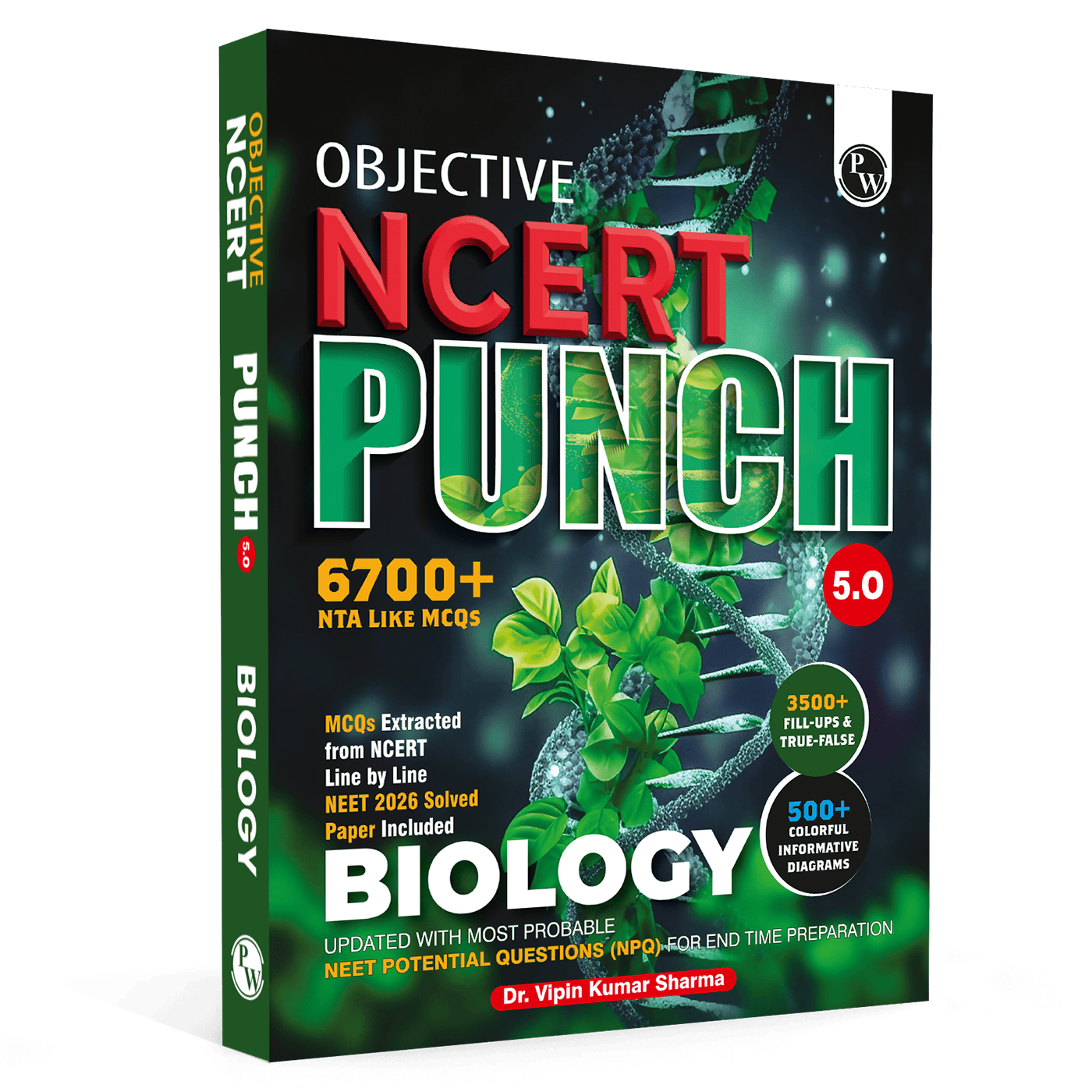
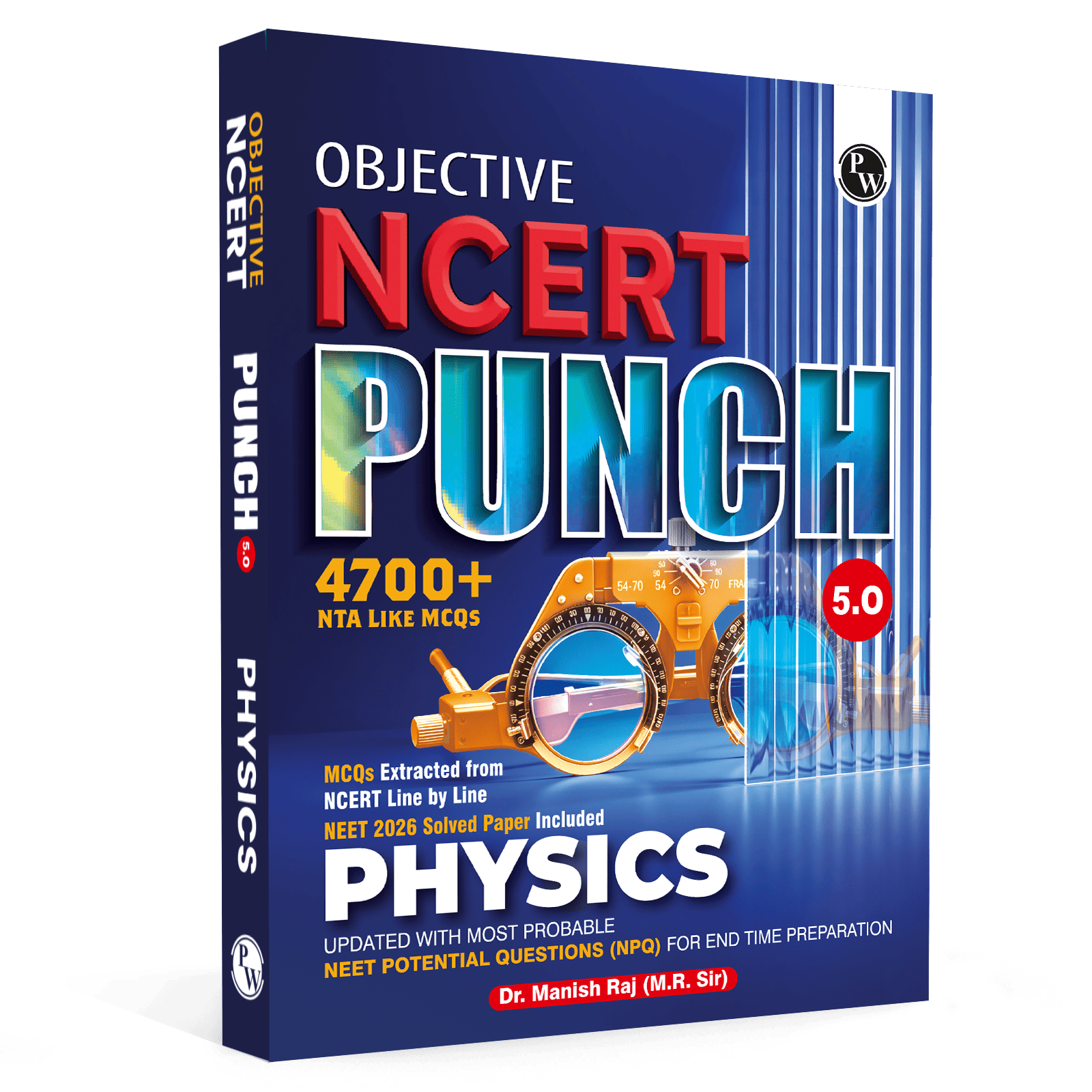
Options like the question bank series, including the Objective NCERT Punch, are specifically updated with these high-order, time-intensive MCQs and AIIMS previous year questions to match the current difficulty shifts. For example, the NEET NCERT Objective Punch Physics 2027 is designed to help aspirants practice exam-oriented questions and strengthen their problem-solving speed for NEET.
How to Use a NEET Question Bank Effectively
Simply flipping through pages and looking at solutions will not yield results. You need an actionable roadmap to make the most of your NEET exam question bank without feeling overwhelmed by the sheer volume of problems.
Follow this systematic framework to optimize your practice sessions:
1. Build the Foundation First
Never jump straight into solving problems without reading the basic theory. Ensure your class notes are clear and your basic concepts are sorted before touching the practice items.
2. Time Your Practice Sessions
Do not solve questions casually while listening to music or checking your phone. Set a stopwatch. Aim to complete 45 questions in 50 minutes for Physics and Chemistry, and 45 questions in 30 minutes for Biology.
3. Maintain a Dedicated Error Log
This is the secret weapon of top scorers. Keep a separate notebook where you record every mistake, the correct concept behind it, and why you got it wrong. Revisit this notebook every single week.
4. Use the Selection and Omission Method
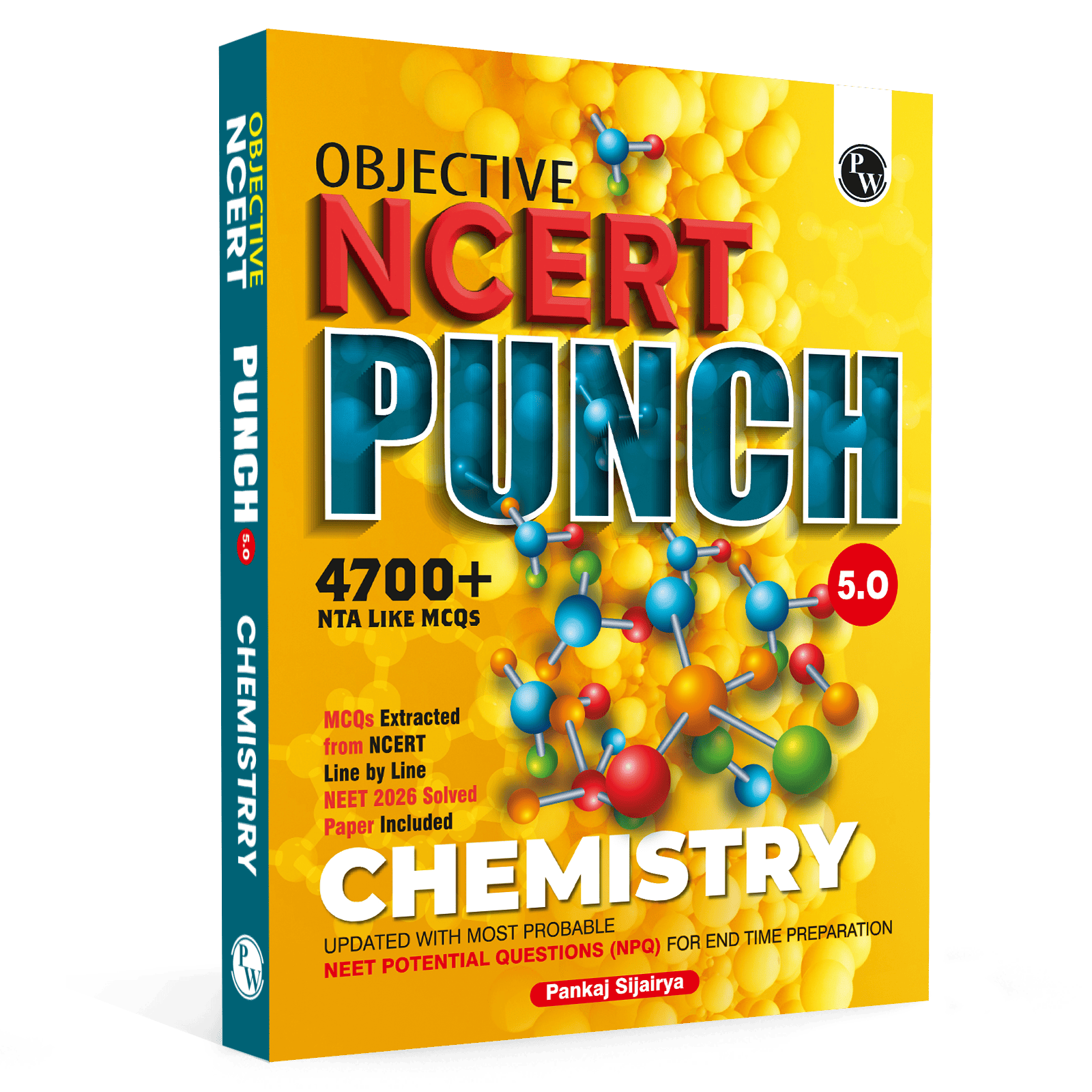
When working through your question bank 2026 edition, mark highly challenging items with a star. These become your custom revision points for the final months leading up to the examination. Resources such as the NEET NCERT Objective Punch Chemistry 2027 provide extensive practice questions, making it easier to identify difficult topics and create a focused revision strategy for NEET preparation.
How to Track Progress with a NEET Question Bank 2026
The real value of a practice resource lies in the post-solving analysis. Spending an hour solving questions means you must spend at least thirty minutes analyzing your results.
-
Categorize Your Mistakes: Divide your wrong answers into three categories: conceptual gaps, silly reading errors, or time management panics.
-
Fix Conceptual Gaps Immediately: If you notice you consistently miss questions on a specific mechanism, stop practicing and re-read that specific textbook section.
-
Monitor Accuracy Percentages: Track your correct-to-incorrect ratio per chapter. Aim to maintain an accuracy of above 85% before moving on to the next unit.
Read More: Which Book Should I Refer to For NEET Exams?
NEET Question Bank FAQs
What is a question bank and why is it useful?
It is a curated compilation of multiple-choice questions designed specifically for medical entrance preparation. It helps you understand the exact application of theory, reveals your weak areas, and improves your final test-taking stamina.
Can I rely only on a question bank for NEET to clear the exam?
No, you should use a question bank alongside your standard NCERT textbooks and classroom notes. The question book reinforces what you have already learned from your core theory sources.
How does a PW NEET question bank help with recent exam changes?
A modern resource like the PW question bank includes updated, high-order time-intensive MCQs, statement analysis, and matching combinations that mirror the latest shifts in the national assessment style.
When should I transition from a NEET UG question bank to full mock tests?
You should transition to full mock tests around three to four months before the final test date, once you have completed a substantial portion of your syllabus using a chapter-wise question bank.
Should my question bank include past year papers?
Yes, a premium question bank book must integrate authentic past year papers and solutions. This ensures you stay familiar with real exam difficulty levels and recurring high-yield themes.