NEET 2026 Last Minute Revision Book: Complete Guide
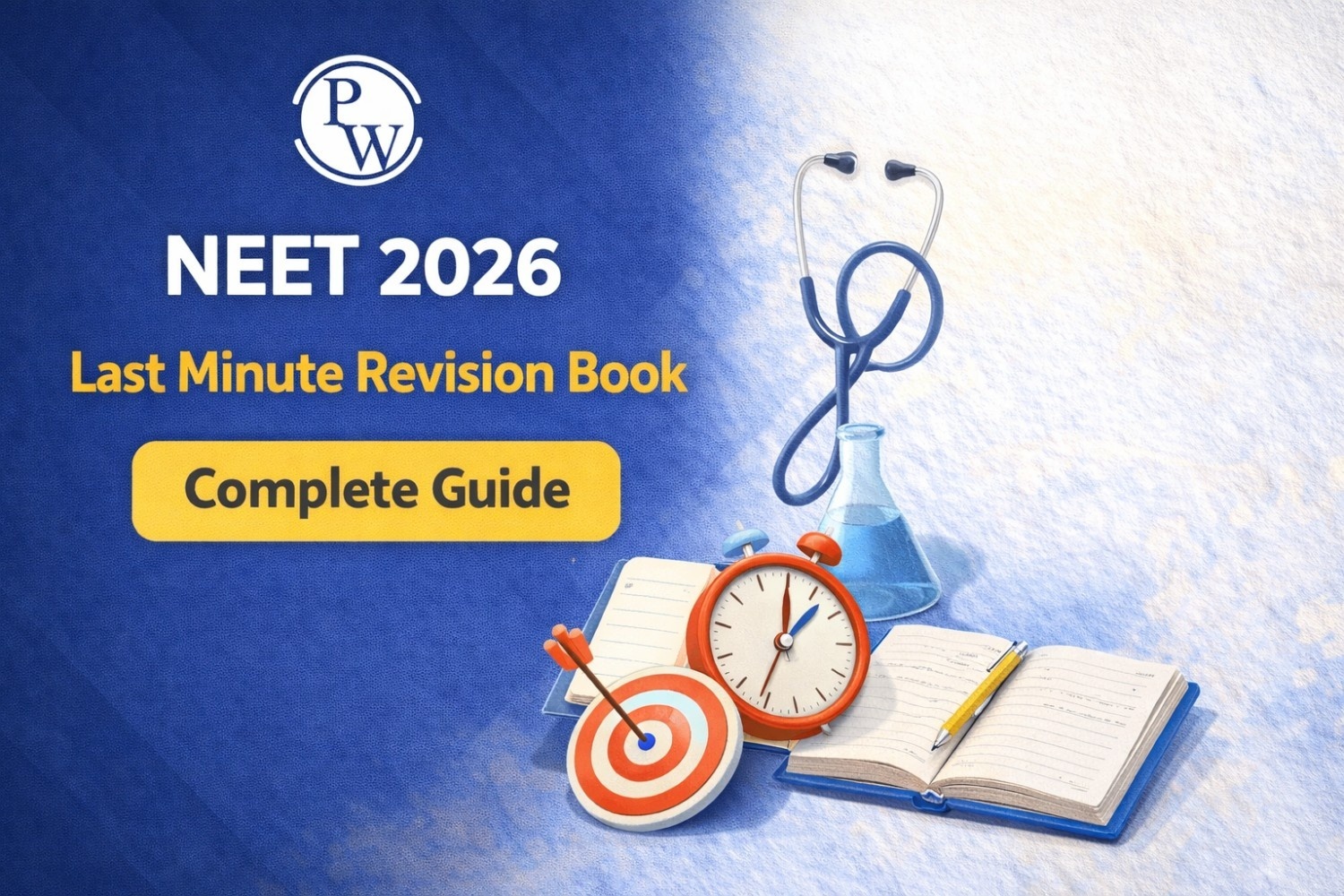
The last few weeks before the National Eligibility cum Entrance Test (NEET) are usually the most stressful for people who want to become doctors. You've been studying for months or even years, but as the test date gets closer, you start to forget things. The main problem students have is how to make thousands of pages of NCERT textbooks into a format that can be reviewed in a few days. A high-quality NEET revision book is your best friend at this point. Even the finest pupils can get scared if they don't have a disciplined mechanism to go back over complicated mathematics and biological illustrations. This NEET book is all about picking the correct tools and methods for your NEET last minute preparation tips 2026 so you can be calm and focused.
Why NEET Revision Book Important?
As the exam nears, reading full-length textbooks is no longer practical. You need a resource that highlights high-yield topics and frequently asked questions. A dedicated NEET last minute revision book for 2026 serves as a mental map, helping you bridge the gap between deep learning and quick recall.
Success in NEET depends on speed and accuracy. Revision books are designed to:
-
Provide a quick glance at essential concepts.
-
Offer "flashcard"-style learning for biology definitions.
-
Summarise complex physics derivations into simple, applicable formulas.
-
Highlight exceptions in inorganic chemistry that are often tested.
NEET Quick Revision Book for 2026 Exam
Different subjects require different revision approaches. A one-size-fits-all book rarely works because the cognitive load for physics is vastly different from that of biology.
Physics: Formulae and Application
For physics, your NEET quick revision book should focus heavily on a formula bank. You don't have time to derive the laws of thermodynamics or motion. Look for books that provide:
-
Unit-wise formula sheets.
-
Shortcut tricks for solving circuit problems or projectile motion.
-
Visual diagrams for optics and wave mechanics.
Chemistry: Reactions and Tables
Chemistry is a mix of logic and memory. A good revision book for this subject must separate physical, organic, and inorganic sections clearly.
-
Physical Chemistry: Focus on short notes for the mole concept, equilibrium, and electrochemistry.
-
Organic Chemistry: Named reactions and mechanism charts are vital.
-
Inorganic Chemistry: Periodic table trends and p-block exceptions should be presented in tables for easy memorisation.
Biology: The NCERT Based Books
Since biology carries 50% of the total marks, your revision book must be a condensed version of NCERT. It should feature labelled diagrams, flowcharts of physiological processes, and easy-to-read taxonomical hierarchies.
Check Out: NEET Test series
Benefits of NEET Reference Books for Last Minute Revision
NEET revision books can make the last stage of preparation more organised and effective.
-
Quick revision becomes easier because important points are arranged in a short and usable form
-
Concepts stay clearer when formulas, diagrams, and summaries are brought together in one place
-
Practice improves naturally through exam-style questions and worked solutions
-
Time management gets better when students solve revision-based questions regularly
-
Confidence grows as repeated revision helps with recall, speed, and accuracy
They work right as a support tool after NCERT, not as a replacement for it.
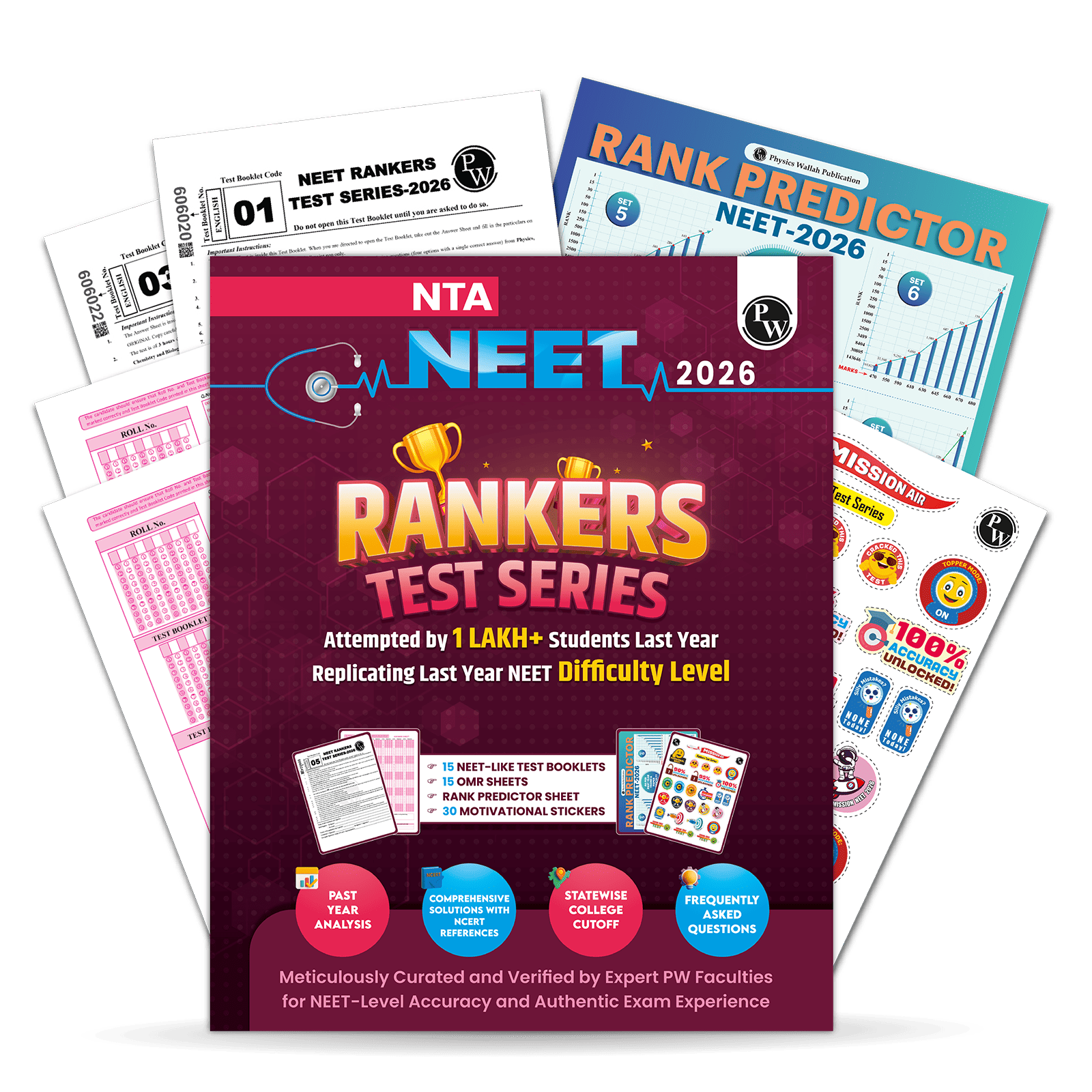
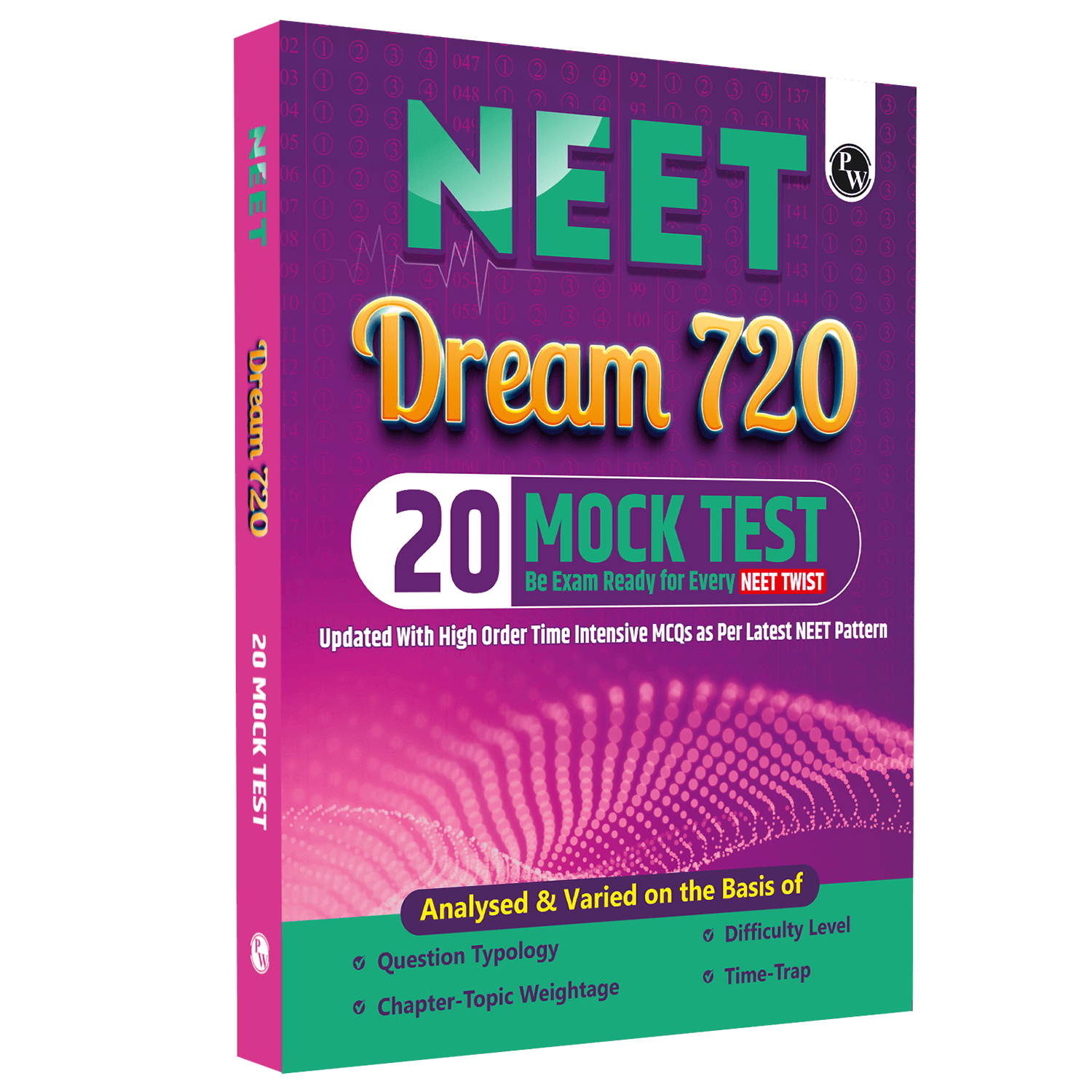
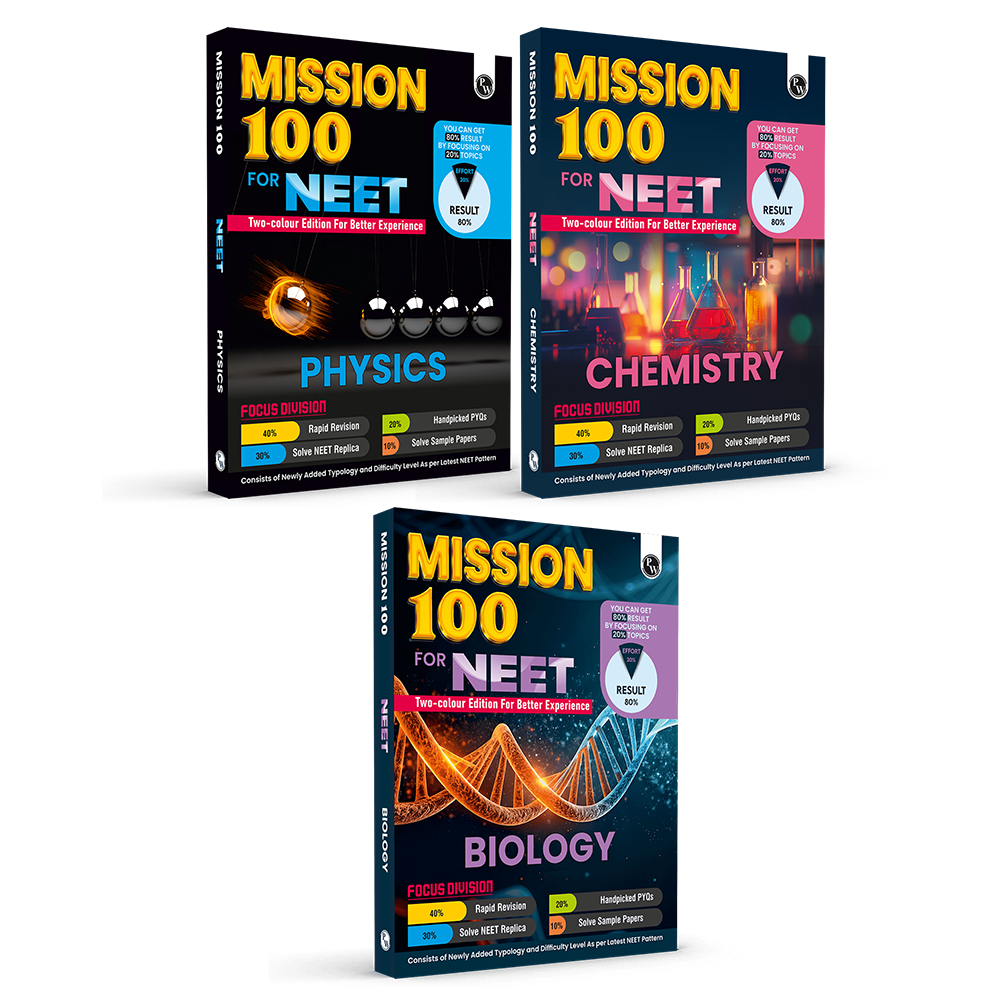
For last-minute revision, students should stick to reliable resources based on their preparation level. You can include the Mission PCB 100 PCB Combo 2026, NEET Dream 720 Mock Test 2026, and NEET Rankers Test Series 2026 in your study plan. Use these along with NCERT and your revision notes to improve recall, strengthen practice, and boost exam readiness.
The ideal strategy is simple: first learn from NCERT-based books, and then consolidate everything using your revision book for faster revision and recall.
Features of a NEET Revision Book for Last Month Preparation
When you are in the final thirty days, every hour counts. A revision book should not feel like another heavy textbook. It needs to be lightweight but packed with information.
|
Feature |
Importance for NEET 2026 |
Benefit to the Student |
|
Mind Maps |
High |
Connects different chapters visually. |
|
Previous Year Questions (PYQs) |
Critical |
Identifies the exam pattern and "hot topics." |
|
Trend Analysis |
Medium |
Shows which chapters have the highest weightage. |
|
Error Logs |
High |
Helps avoid repeating common mistakes in the exam. |
How to Use Your NEET Revision Book?
Using a revision book effectively is more important than just owning one. Follow a structured approach to maximise retention and recall.
Step 1: Active Reading
Instead of passively reading, focus on understanding key points, diagrams, and formulas. Highlight important concepts while studying.
Step 2: Active Recall Practice
Cover the page and try to recall formulas, reactions, or biological processes without looking. This strengthens memory retention.
Step 3: Integration with PYQs
After solving previous year questions, immediately refer to your revision book to revise the related concept.
Step 4: Error Correction Loop
Maintain a small error log. Every mistake should be cross-checked and revised from your NEET last minute revision book 2026 to avoid repetition.
Step 5: Short Revision Cycles
Use your revision book in short, focused sessions instead of long study hours. This keeps the brain fresh and improves retention.
Check Out: NEET Previous Year Papers
NEET Last Minute Preparation Tips 2026
Relying solely on a book isn't enough; you must know how to use it. Here are some actionable last minute preparation tips to integrate with your study material:
-
The 3-Hour Revision Cycle: Spend three hours on one subject using your revision book, then take a break. This mimics the actual exam duration.
-
Active Recall: Instead of just reading, cover the page and try to recite the formula or process.
-
Focus on High-Weightage Units: Prioritise Genetics and Evolution (Biology), Equilibrium (Chemistry), and Modern Physics.
-
Mock Test Alignment: After every mock test, use your last minute revision book to look up the answers you got wrong. This reinforces the correct information immediately.
Common Mistakes While Using a NEET Revision Book
Having too many books does not improve preparation; instead, it often creates confusion and reduces focus. A smart NEET preparation strategy is to rely on limited but high-quality resources and revise them multiple times.
-
Finish NCERT and NCERT based books thoroughly before moving to any other resource.
-
Select only 1–2 strong reference books per subject and stick to them.
-
Use subject-wise mock tests and MCQs to reinforce your understanding.
-
Avoid constantly switching between multiple books or sources.
-
Focus on revising the same material repeatedly to improve retention.
-
Prioritise depth of understanding over collecting more and more resources
Also Check, NEET Question Banks
How to Stay Focused During NEET Preparation?
While books provide the knowledge, your mental state provides the execution. Use your last minute preparation tips to manage stress. Ensure you are getting at least 6-7 hours of sleep. A tired brain cannot recall the specific details found in a revision book, no matter how many times you read them.
Keep your study space organised. Having one primary NEET revision book instead of five different reference guides prevents "resource overload." Stick to the material you trust and have used throughout the year.
Read More: NEET Handwritten Revision Notes PDF with Solutions
NEET Last Minute Revision Book FAQs
1. Which is theright NEET revision book for biology?
The right book is one that strictly follows the NCERT syllabus but presents the information in flowcharts and tables. It should cover all diagrams and scientist names mentioned in the textbooks.
2. How often should I use a NEET last minute revision book 2026?
In the final month, you should use it daily. It goes along with your mock tests and helps you rapidly go over the topics where you lost points during practice.
3. Does a NEET quick revision book for physics chemistry biology replace textbooks?
No, it doesn't take the place of textbooks. It is an extra tool that is meant to be used in the last phases of preparation. Textbooks help you learn the basics, while revision books help you remember what you've learned and polish it.
4. What should I focus on in a NEET revision book for last month preparation?
Concentrate on important themes, formulas, named reactions, and graphics. Skip the long introductory paragraphs and go straight to the summaries and key points.
5. Are NEET last minute preparation strategies helpful if I haven't finished the syllabus?
Yes. If the syllabus is incomplete, these tips and revision books help you prioritise the most important chapters so you can still secure a decent score by focusing on high-weightage areas.