Important NEET Chemistry Topics Based on 39 Years PYQ Analysis
Many students feel overwhelmed by the vast chemistry syllabus, often wasting weeks on minor topics while neglecting the high-yield sections that appear year after year. The pressure to memorize complex reactions and numerical formulas can lead to burnout if you do not have a clear roadmap. By analyzing the NEET chemistry PYQ trends from the last 39 years, you can identify recurring patterns and focus your energy where it matters most. This analytical approach transforms a massive syllabus into a manageable checklist, ensuring your preparation is both strategic and efficient for the 2027 exam.
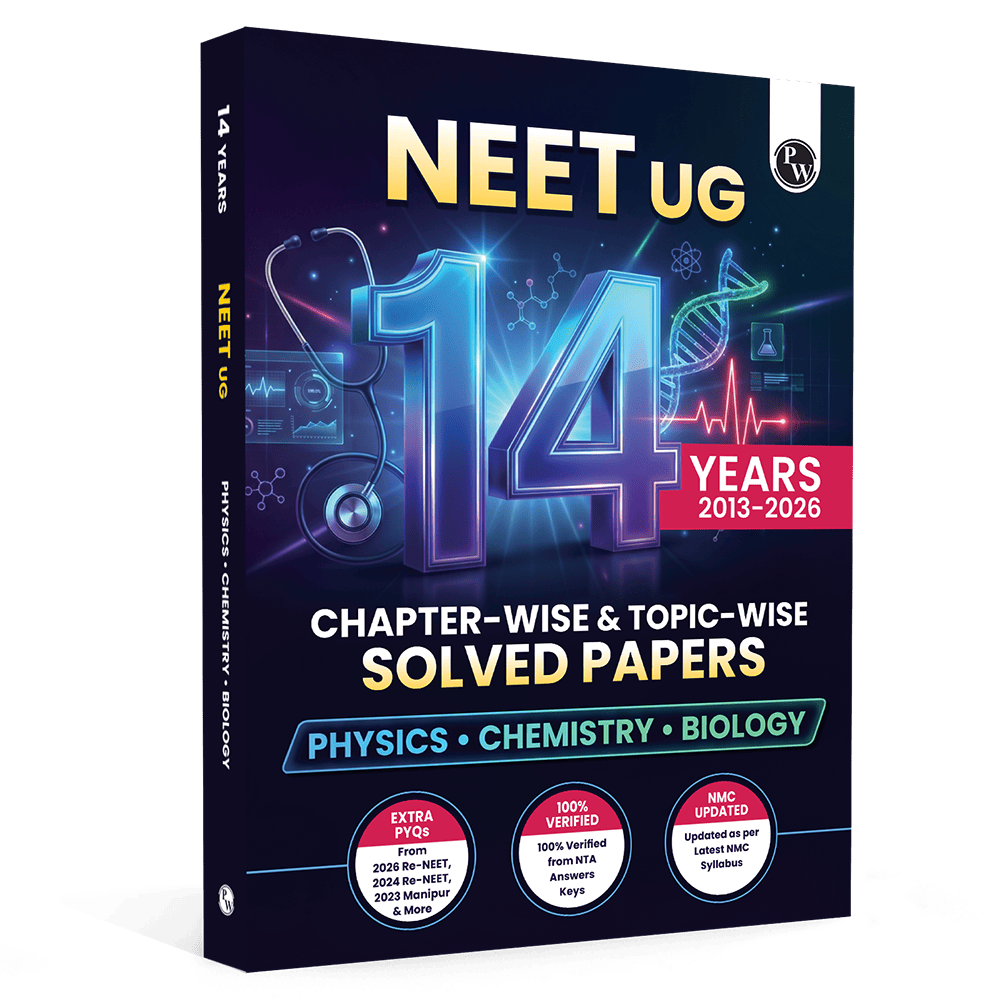
Check Out: NEET Books
NEET Chemistry PYQ Analysis
Understanding the historical data of the NEET exam helps you see the "big picture." Over nearly four decades, the exam has shifted from simple memory-based questions to more analytical and application-based problems. A reliable PYQ resource shows that while the syllabus remains rooted in NCERT, the way questions are framed has evolved.
Physical Chemistry often dominates the numerical section, requiring quick calculation skills. Organic Chemistry demands a strong grip on name reactions and mechanism-based logic. Inorganic Chemistry, on the other hand, is where you can score rapidly if you have mastered periodic trends and chemical bonding.
Using a dedicated NEET PYQ allows you to see these shifts in difficulty and topic distribution, making it easier to help identify high-weightage and frequently asked areas for your upcoming attempt.
Features of the NEET Chemistry PYQ Book
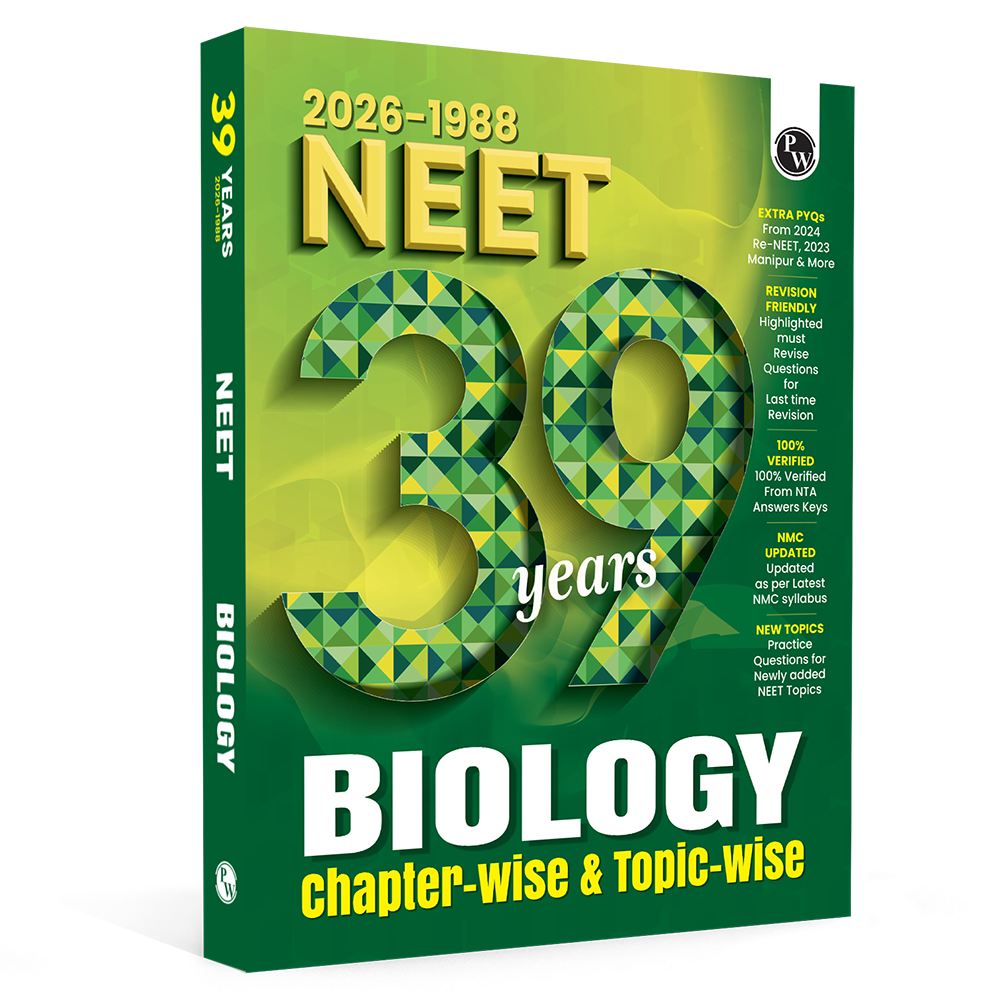
When you are looking for a study companion, the quality of the content determines your progress. PW NEET Chemistry PYQ Book is specifically designed to bridge the gap between theory and actual exam performance.
-
Extensive Coverage: It includes questions from 1988 to 2026, giving you a massive database of practice material.
-
Topic-wise Segregation: Questions are not just dumped in a list; they are organized by chapter and specific topic so you can practice what you just studied.
-
Verified Solutions: Every question comes with a carefully prepared solution to clear your doubts instantly.
-
Highlighted Must-Revise Questions: The book identifies specific "Must-Revise" questions that have Must-Revise questions based on recurring PYQ trends.
-
Latest Syllabus Alignment: It follows the most recent NTA guidelines, including updates for the 2027 exam cycle.
-
Additional Practice: Includes papers from Re-NEET and various state-level exams to provide a broader perspective on question variety.
Benefits of NEET Chemistry PYQ
Consistent practice with a PYQ source offers several advantages that reading alone cannot provide. It builds a bridge between "knowing" a concept and "applying" it under pressure.
Important Chemistry Chapters
Not all chapters are created equal. By going through a PYQ NEET compilation, you will notice that topics like Chemical Bonding, P-Block Elements, and Equilibrium consistently contribute a large number of questions. This allows you to prioritise your revision schedule effectively.
Better Speed and Accuracy
The NEET exam is a race against time. Solving NEET previous year question paper chemistry sets helps you develop a sense of rhythm. You learn how to avoid common traps and which formulas to apply quickly, reducing the time spent per question.
NEET Question Patterns
The NTA often uses specific phrasing that can be confusing. Regular exposure to PYQ helps you become "fluent" in exam language, so you spend less time decoding the question and more time solving it.
Check Out: NEET Previous Year Papers
How to Improve NEET Chemistry Score
Simply buying a NEET PYQ book chemistry is not enough; you need a system to extract its full value. Here is a step-by-step method to integrate PYQs into your daily routine.
Solve Questions After Every Chapter
Do not wait until the end of the year to start your PYQ practice. As soon as you finish a chapter in your coaching or school, solve all the previous year questions related to that specific topic. This reinforces what you just learned.
Learn from Mistakes
If you get a question wrong in your chemistry PYQ book, do not just look at the answer and move on. Identify if the error was due to a lack of conceptual clarity, a calculation mistake, or a misunderstanding of the question.
Mark Difficult Questions
During your first pass through the PYQ, circle or star the questions that took you too long to solve. These are your "weak spots" that need extra attention during your final revision.
Practice with a Timer
Once you have covered a significant portion of the syllabus, start solving full-length NEET previous year question paper chemistry sets with a timer. This simulates the real exam environment and helps manage exam-day anxiety.
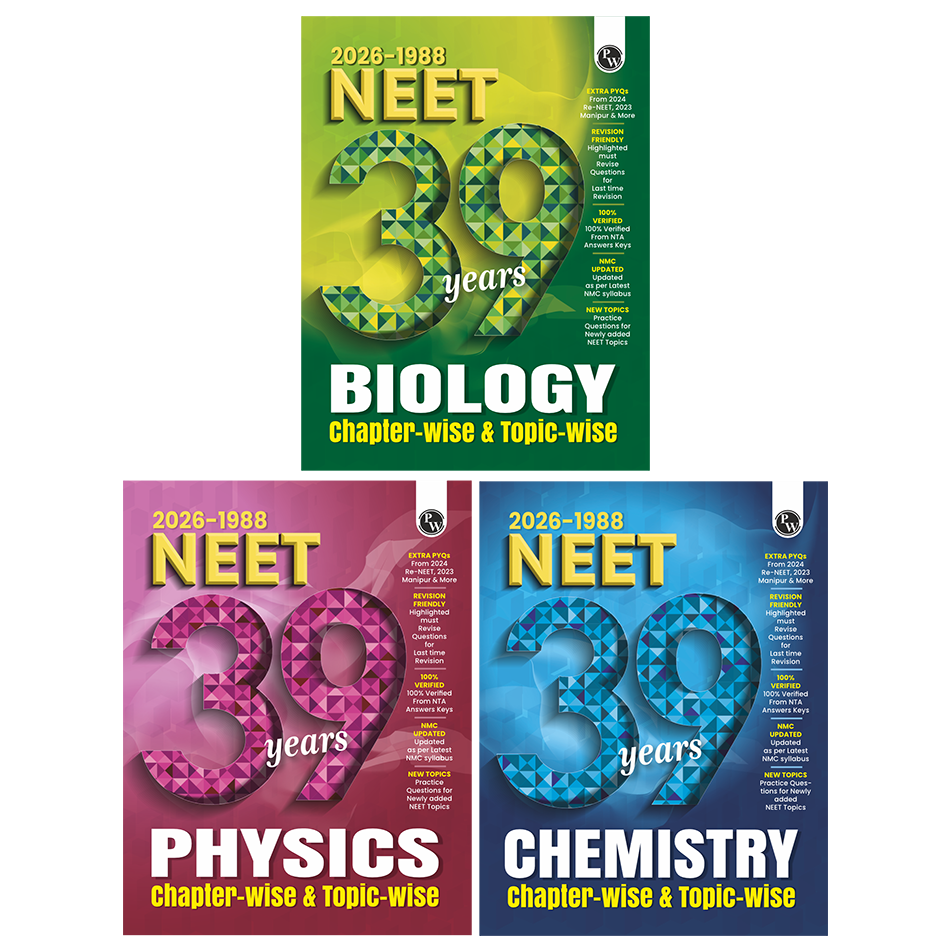
Also Check, NEET PYQ 39 Years Combo Set of 3 Books For 2027 Exam
Right Time to Start NEET Chemistry PYQ
Timing is everything in competitive exams. For a student aiming for 2027, the right time to start using a PYQ resource is right now.
-
Class 11 and 12 Students: Use it as a parallel practice tool alongside your regular curriculum. It helps you understand the depth required for each topic.
-
Dropper Students: Start with the NEET PYQ book chemistry immediately to identify the gaps in your previous preparation. Focus on the chapters where you lost marks in the past.
-
Mid-Term Preparation: During the middle of your academic session, use the chemistry PYQ NEET chapters to revise old topics while staying updated with new ones.
NEET Chemistry PYQ Study Plan
To achieve a high score, you need a structured plan that balances theory and practice. Here is a recommended strategy using your PYQ materials:
Phase 1: Concept Building (Months 1-6)
Focus on building concepts through NCERT and PW lectures. After every lecture, solve 10-15 questions from the chemistry PYQ NEET book. This ensures your foundation is tested against actual exam standards from the start.
Phase 2: Question Practice (Months 7-10)
Increase the volume of questions. Aim to complete all NEET PYQ from the last 15 years during this phase. Focus on your accuracy and try to solve Physical Chemistry problems without using a calculator.
Phase 3: Revision and Mock Tests (Months 11-12)
This is the time to go back to the "Must-Revise" questions you marked earlier in your NEET PYQ book.. Solve and complete previous year question paper chemistry sets from 2020 to 2026 at least twice to ensure you are comfortable with the most recent trends.
Read More: NEET Chemistry Chapter Wise Weightage
NEET chemistry PYQ Book FAQs
Which is the right NEET chemistry PYQ book for 2027?
The PW 39 Years Chemistry book is highly recommended as it includes chapter-wise solutions, highlighted must-revise questions, and the latest papers up to 2026.
How many years of NEET chemistry PYQ should I solve?
While solving the last 10-15 years is essential, practicing 39 years of PYQ helps you understand long-term patterns and ensures you are prepared for older topics that might resurface.
Are questions repeated in the NEET previous year question paper for chemistry?
Direct repetitions are rare, but concepts and question formats are frequently repeated. Excelling at at the PYQ NEET ensures you can handle variations of the same core concepts.
Is NCERT enough if I practice NEET PYQ book?
NCERT is the foundation, but the PYQ book on chemistry provides the necessary application practice. Together, they form a complete preparation strategy for a high score.
How often should I revise NEET chemistry PYQ?
You should revisit your marked and incorrect PYQ at least once every month to ensure the logic and formulas stay fresh in your mind.