NEET Negative Marks Increasing? How to Control Them

Facing a sudden surge in wrong answers during practice sessions can shake your confidence. You study hard, finish your syllabus, and understand core concepts, yet your final score drops due to penalty points.
This frustrating cycle happens to thousands of aspirants every single week. Controlling NEET negative marks is not just about studying harder; it requires analyzing your exam temperament, eliminating reckless guesses, and building a disciplined NEET exam strategy.
When every single mark dictates your rank, keeping your penalty count as close to zero as possible becomes the ultimate game-changer for your medical entrance preparation. Using the right NEET Books can help you strengthen concepts, practise questions, and improve accuracy.
What Are NEET Negative Marks
The undergraduate medical entrance examination operates on a strict marking system that tests both your knowledge and your risk management. Every incorrect answer deducts a mark from your total score, turning potential gains into heavy losses. Managing NEET negative marks starts by understanding how the scoring scheme operates during high-pressure tests.
-
For every correct response, candidates earn four marks, but every incorrect option results in a deduction of one mark, while unanswered questions attract no penalty.
-
A string of wrong guesses can pull down your overall percentile dramatically, even if your conceptual preparation across physics, chemistry, and biology is exceptionally strong.
-
Seeing a drop in mock scores due to penalties often triggers panic, leading to rushed decisions and further blunders in subsequent sections of the paper.
-
The cumulative effect of losing marks on questions you were unsure about can easily drop your rank by thousands of positions in a hyper-competitive field.
How to Find the Reasons Behind Your NEET Negative Marks
Uncovering why errors happen requires a meticulous review of your previous tests. Practising NEET Previous Year Papers can help you identify recurring mistakes, understand question patterns, and pinpoint the root cause so you can take corrective action before the final exam.
-
Rushing through numerical problems in physics or physical chemistry frequently leads to simple arithmetic errors and misplaced decimal points.
-
Words like "not," "incorrect," or "except" are often missed when students read questions too quickly under strict time constraints.
-
Assuming a familiar-looking question has a standard answer without reading all four options carefully causes completely avoidable blunders.
-
Fatigue during the final hour of the test often results in misreading data tables or bubbling the wrong circle on the optical response sheet.
Which Question Types Can Lead to More NEET Negative Marks
Certain formats within the syllabus carry a higher risk of triggering NEET negative marks. Recognizing these tricky patterns helps you decide whether to engage or skip.
-
Assertion-reasoning prompts require deep analytical clarity, and misjudging the logical link between statements often results in losing valuable points.
-
When several statements look partially correct in statement-based multiple-choice questions, guessing without absolute certainty usually backfires.
-
Spending too much time calculating difficult values under stress increases the likelihood of a panicked, incorrect final selection.
-
Complex diagram-based questions in biology can deceive you if you overlook minor labels or structural anomalies.
How to Decide Which Questions to Attempt to Reduce NEET Negative Marks
Building a reliable NEET guessing strategy protects your scorecard from reckless attempts. Practising with a NEET Question Bank can help you understand different question types and improve your ability to decide when to attempt or skip a difficult question. Knowing when to let go of a difficult question is just as important as knowing the answer.
-
Go through the paper first to solve direct, high-confidence questions, leaving complex items for a systematic second pass.
-
If you can safely eliminate two incorrect options, an educated attempt becomes statistically viable and worth the calculated risk.
-
Never guess blindly on questions where you have zero conceptual clarity, as random bubbling rarely works in highly competitive entrance tests.
-
Evaluate the time cost versus the marks reward before committing to long, multi-step calculations in physics.
How to Use Mock Tests to Track and Control NEET Negative Marks
Mock evaluations serve as a mirror for your exam temperament and conceptual gaps. Analyzing them properly ensures steady NEET accuracy improvement over time.
-
Note down every incorrect response from your practice papers and categorize whether it was a conceptual flaw or a silly calculation mistake.
-
Take practice tests in strict silence and within the exact three-hour window to build mental stamina and reduce exam-day panic.
-
Track how many minutes you spend on questions that eventually turn out wrong, and adjust your pacing strategy accordingly.
-
Compare your accuracy trends across multiple tests to see if negative marking is concentrated in a specific subject.
Read More: NEET Total Marks 2026 – Passing Marks and Marking Scheme
Tips to Reduce NEET Negative Marks During Practice
Small habit changes during your daily study routine can drastically cut down errors. Regularly practising NEET PYQs can help you identify common mistakes and improve accuracy. Consistent application of these techniques sharpens your overall focus.
-
Underline crucial keywords in the question paper to keep your brain focused on what is actually being asked.
-
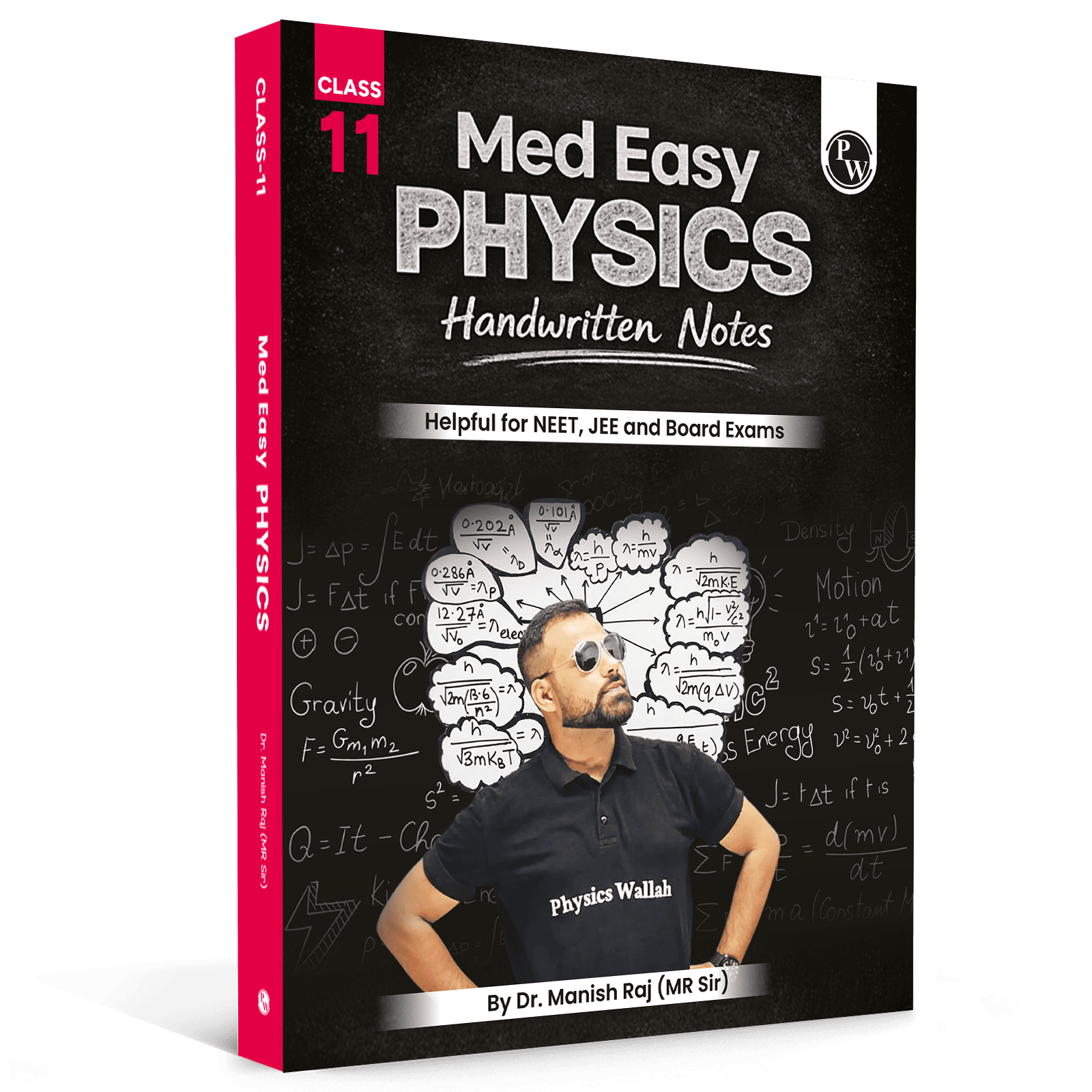
Revisit concise revision notes and textbook highlights frequently to prevent memory lapses on factual biology and chemistry topics.
-
Solve targeted practice questions and previous years' questions topic by topic to build absolute familiarity with common exam traps.
-
Train yourself to skip questions immediately when you feel a sense of mounting confusion or panic.
Practice Plan to Reduce NEET Negative Marks Before the Exam
A structured schedule ensures that your revision translates into tangible score stability. Consistency during the final weeks prevents last-minute chaos.
-
Dedicate specific days of your weekly schedule exclusively to reviewing past mistakes rather than just solving fresh modules.
-
Practice fifty-question blocks for individual subjects to tighten your speed and accuracy thresholds under pressure.
-
Resolve lingering conceptual confusion immediately with mentors or trusted study resources to ensure zero ambiguity during tests.
-
Implement a pre-exam simulation routine that mimics the exact atmospheric conditions of the actual testing center.
Also Read: NEET Handwritten Revision Notes PDF
NEET Negative Marks FAQs
What is the penalty for incorrect answers in the exam?
Every wrong response incurs a deduction of one mark, while correct answers award four marks, making it crucial to avoid random guessing.
How can I stop guessing answers blindly during tests?
Adopt a strict elimination method and only attempt questions where you can rule out at least two incorrect options with confidence.
Why do silly mistakes happen so frequently during exams?
Time pressure and mental fatigue often cause students to misread negative constraints or commit basic arithmetic calculation errors.
Are mock tests truly helpful for improving accuracy?
Regular mock practice helps you identify weak areas, track persistent errors, and build better exam temperament over time.
How do I handle difficult assertion-reasoning questions safely?
Break down each statement independently to verify its factual truth before evaluating the logical connection between them.