Chemical Bonding PYQs for NEET Preparation with PW Book
Chemical bonding stands out as a high-weightage chapter that directly influences your ability to tackle both inorganic and organic problems. Many candidates struggle to identify which concepts yield repeated questions year after year, leading to anxiety and wasted effort.
Without targeted practice, valuable study hours drift away on low-priority theory while core exam patterns remain unfamiliar. Working through dedicated chemical bonding NEET PYQ sets helps you bridge this gap smoothly.
What Is Chemical Bonding NEET PYQ?
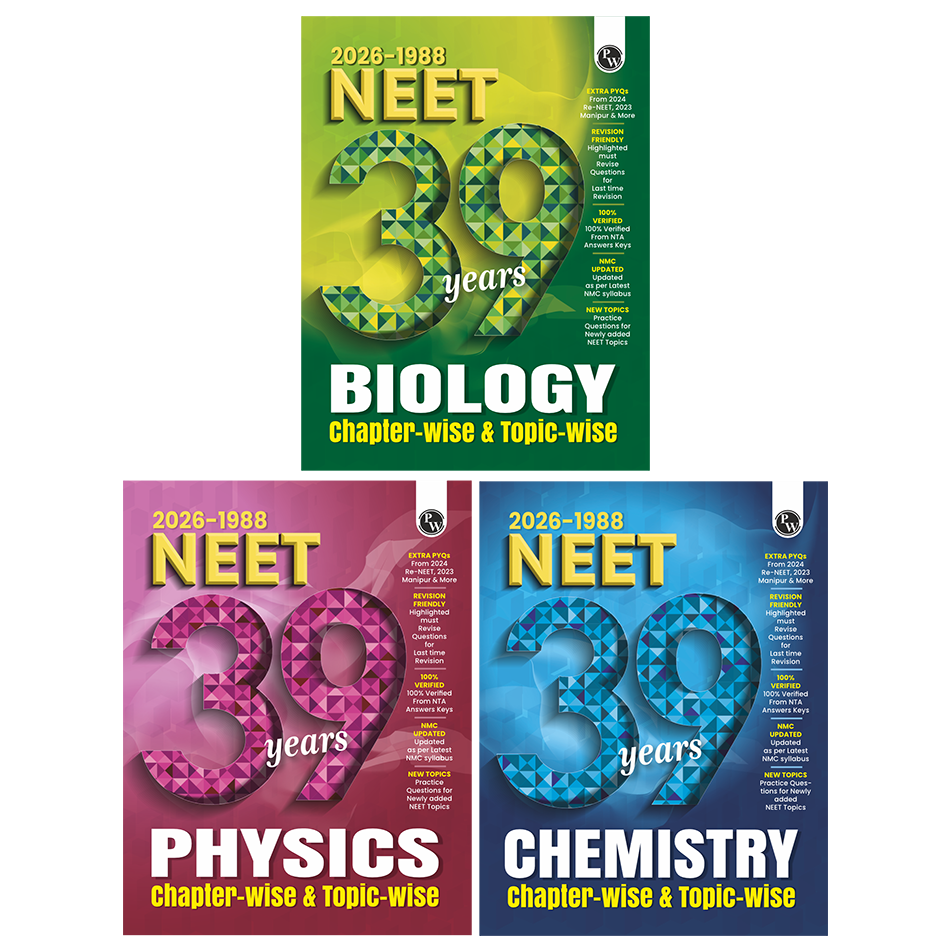
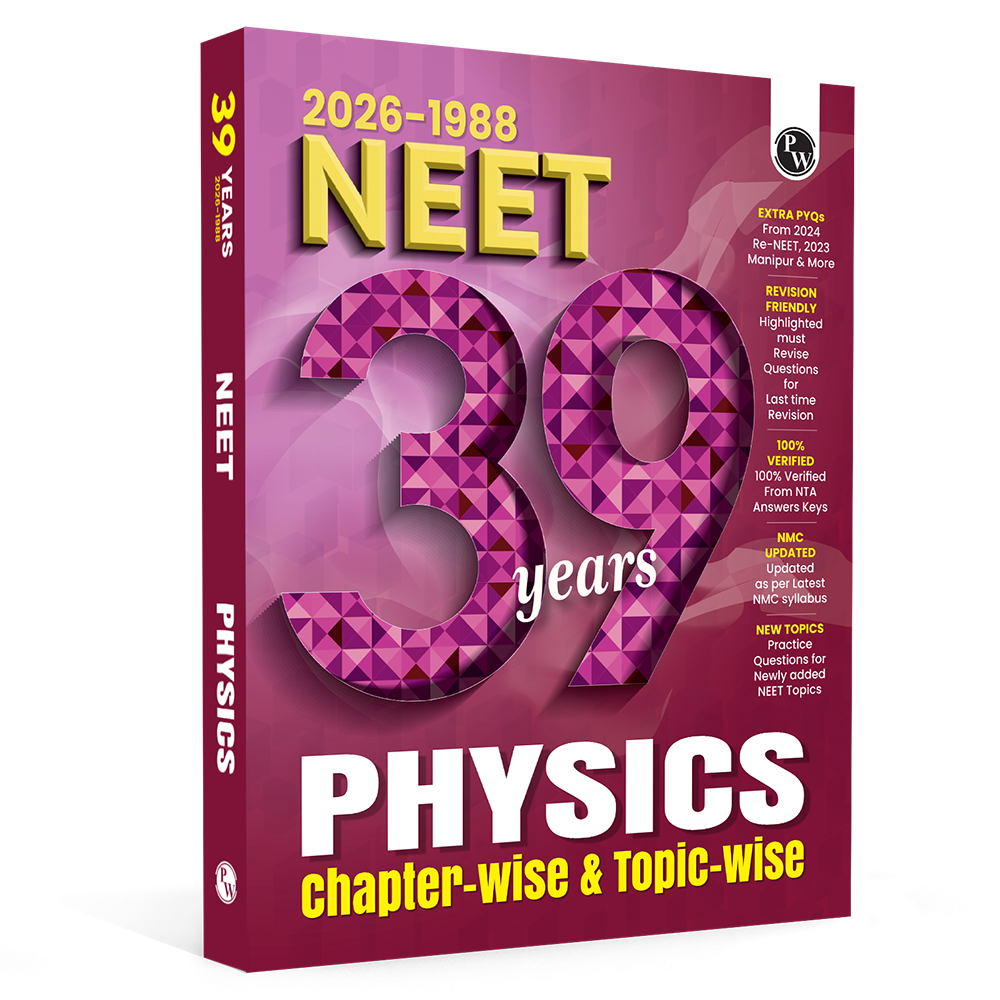
A chemical bonding NEET PYQ resource is a compiled collection of authentic past exam questions covering 39 years of medical entrance tests. Built upon a rich practice base similar to 38 years of previous test material, it serves as a direct mirror of how exam boards structure questions on molecular structure, valency, and inter-particle forces.
Using authentic past questions allows students to transition from simple textbook reading to targeted problem-solving. It gives a realistic preview of what to expect while keeping preparation strictly aligned with current examination standards.
-
Authentic Questions: Sourced directly from actual medical entrance examinations spanning 39 years.
-
Strict Syllabus Alignment: Fully aligned with the latest NTA guidelines, addressing both old and updated syllabus details.
-
Fully Solved Solutions: Delivers reliable answers to help students verify their thought process and correct mistakes early.
-
Focused Revision Support: Highlights key questions to enable rapid review during final prep stages.
Why Is Chemical Bonding NEET PYQ Important for NEET?
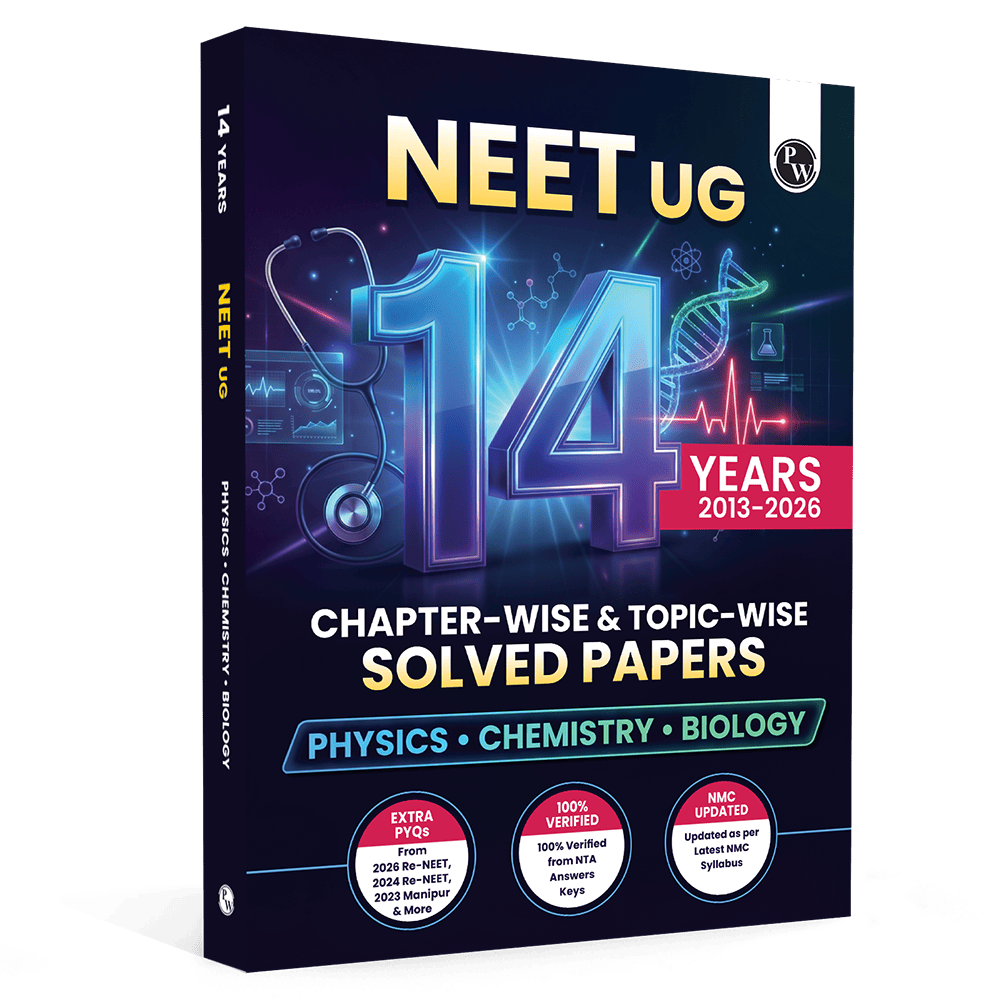
Practising Chemical Bonding NEET PYQ problems enables candidates to analyse recurring trends and focus their time on topics that appear frequently. Instead of randomly solving unverified questions, using NEET PYQ Books keeps revision structured, efficient, and aligned with actual exam standards. These books also help candidates identify weak areas, improve accuracy, and become familiar with the types of questions commonly asked in NEET.
|
Feature |
Primary Advantage for Students |
|
Exam Pattern Alignment |
Helps you understand real exam pattern and trends. |
|
Solved Explanations |
Boosts accuracy with fully solved, reliable answers. |
|
Structured Format |
Saves time with structured and focused preparation. |
|
Highlighted Items |
Improves revision efficiency with highlighted questions. |
|
Syllabus Coverage |
Covers both old and latest syllabus changes. |
|
Repeated Practice |
Strengthens concept clarity through repeated PYQ practice. |
Topics Covered in Chemical Bonding NEET PYQ
A complete past paper compilation covers every major sub-topic tested over the years. Engaging with chemical bonding NEET PYQ modules ensures total coverage across both fundamental and advanced principles that crop up across chemistry PYQs NEET sets.
Core Sub-Topics Addressed
-
VSEPR Theory & Molecular Geometry: Predicting shapes, bond angles, and lone pair interactions for inorganic molecules.
-
Hybridization: Determining orbital hybridization states and spatial arrangements for central atoms.
-
Molecular Orbital Theory: Calculating bond orders, predicting magnetic behavior, and evaluating electronic configurations.
-
Ionic and Covalent Bonding: Applying Fajan's rules, measuring lattice energy, and calculating dipole moments.
-
Intermolecular Forces: Analyzing hydrogen bonding trends and secondary molecular interactions.
Practice Sheet for Using Chemical Bonding NEET PYQ
Regular practice with chemical bonding NEET PYQ items helps measure readiness and pinpoint weak spots. Working through standard chemical bonding questions gives immediate feedback on your speed, accuracy, and depth of understanding.
Practical Sample Questions for Practice
-
Question 1: Which of the following species exhibits a linear shape despite having lone pairs on the central atom?
-
A) SF4
-
B) XeF2
-
C) NH3
-
D) H2O
-
Question 2: What is the bond order and magnetic nature of the oxygen molecule based on Molecular Orbital Theory?
-
A) Bond order = 2, Paramagnetic
-
B) Bond order = 2, Diamagnetic
-
C) Bond order = 1.5, Paramagnetic
-
D) Bond order = 2.5, Diamagnetic
-
Question 3: According to Fajan's rules, covalent character in an ionic compound increases with:
-
A) Large cation size and small anion size
-
B) Small cation size and large anion size
-
C) Small cation size and small anion size
-
D) Large cation size and large anion size
How to Use Chemical Bonding NEET PYQ?
Integrating past papers into your routine requires a clear plan rather than random question solving. Utilizing a reliable reference like a dedicated PW NEET chemistry PYQ book streamlines your workflow and keeps practice targeted.
-
Step 1: Finish Basic Theory: Read through core textbook chapters first to grasp fundamental rules and bonding concepts.
-
Step 2: Solve Questions Independently: Attempt a set of questions without looking at the solutions to test true memory recall.
-
Step 3: Analyze Step-by-Step Solutions: Compare your methods against fully solved, reliable answers to catch logical errors early.
-
Step 4: Highlight Tricky Problems: Mark complex items clearly to make future NEET chemistry revision fast and effective.
Study Strategy for Using Chemical Bonding NEET PYQ
A systematic strategy transforms routine study sessions into high-yield prep. Combining consistent practice with structured chemical bonding NEET modules builds long-term retention and keeps anxiety low as exams approach.
Phased Preparation Framework
-
Phase 1: Foundation Building: Complete core chapter theory, review structural formulas, and memorize key bonding rules thoroughly.
-
Phase 2: Targeted PYQ Practice: Work through 39 years of topic-wise questions, verifying each answer against fully solved explanations.
-
Phase 3: Smart Revision: Revisit highlighted questions to polish speed, while reviewing both old and latest syllabus changes.
Target Student Groups Who Benefit Most
-
NEET 2027 Aspirants: Students building a solid, long-term foundation early in their prep cycle.
-
Dropper Candidates: Repeaters aiming for score improvement through targeted error reduction.
-
Class 11 & 12 Students: Learners balancing board exam studies alongside competitive entrance prep.
-
Concept Seekers: Students looking to strengthen core concepts through repeated PYQ practice.
-
Smart Prep Focusers: Candidates prioritizing trend analysis over unguided reading.
Tips to Improve Accuracy with Chemical Bonding NEET PYQ
High accuracy separates top scorers from average performers. Working systematically through Chemistry Previous Year Questions helps eliminate silly mistakes and refine problem-solving techniques. Using NEET Books alongside PYQ practice can further strengthen concepts, improve accuracy, and provide targeted revision for important Chemistry topics.
-
Maintain an Error Notebook: Write down every formula or geometry rule you misapply during practice sessions.
-
Time Every Attempt: Use a stopwatch while solving question sets to simulate actual examination pressure.
-
Focus on Syllabus Changes: Ensure your practice materials cover both older trends and updated syllabus guidelines.
-
Revisit Highlighted Questions: Re-solve flagged problems weekly to ensure tricky concepts stick in your memory.
Common Mistakes to Avoid While Solving Chemical Bonding NEET PYQ
Avoiding frequent traps when working through chemical bonding NEET PYQ sets saves valuable time and protects your overall score on exam day.
-
Ignoring Central Atom Lone Pairs: Forgetting lone pairs leads straight to incorrect geometry predictions under VSEPR theory.
-
Rushing Valence Electron Calculations: Miscounting valence electrons causes incorrect bond order determinations in Molecular Orbital Theory.
-
Skipping Solved Explanations: Checking only the final answer choice without reading full explanations stops you from discovering easier methods.
-
Neglecting Syllabus Updates: Practicing obsolete question types that no longer fit current NTA guidelines wastes valuable time.
Read More: NEET Chemistry Chapter Wise Weightage 2026
NEET PYQ FAQs
1: How many years of chemical bonding NEET PYQ should I solve?
Practicing 39 years of past questions provides complete exposure to recurring patterns, historical trends, and standard question formats.
2: Does chemical bonding NEET PYQ cover updated syllabus rules?
Yes, quality question collections strictly follow the latest NTA syllabus guidelines, addressing both old and updated syllabus changes.
3: Why are fully solved answers important for chemistry PYQs NEET sets?
Fully solved answers give students reliable step-by-step methods to cross-check their work, fix errors, and build strong conceptual clarity.
4: Who benefits most from practicing chemical bonding NEET questions?
Class 11 and 12 students, dropper candidates aiming for score improvement, and 2027 aspirants all benefit from structured past paper practice.
5: How does chemical bonding NEET PYQ support rapid revision?
Highlighted questions within past paper compilations allow candidates to focus directly on high-yield, challenging problems during quick revision cycles.