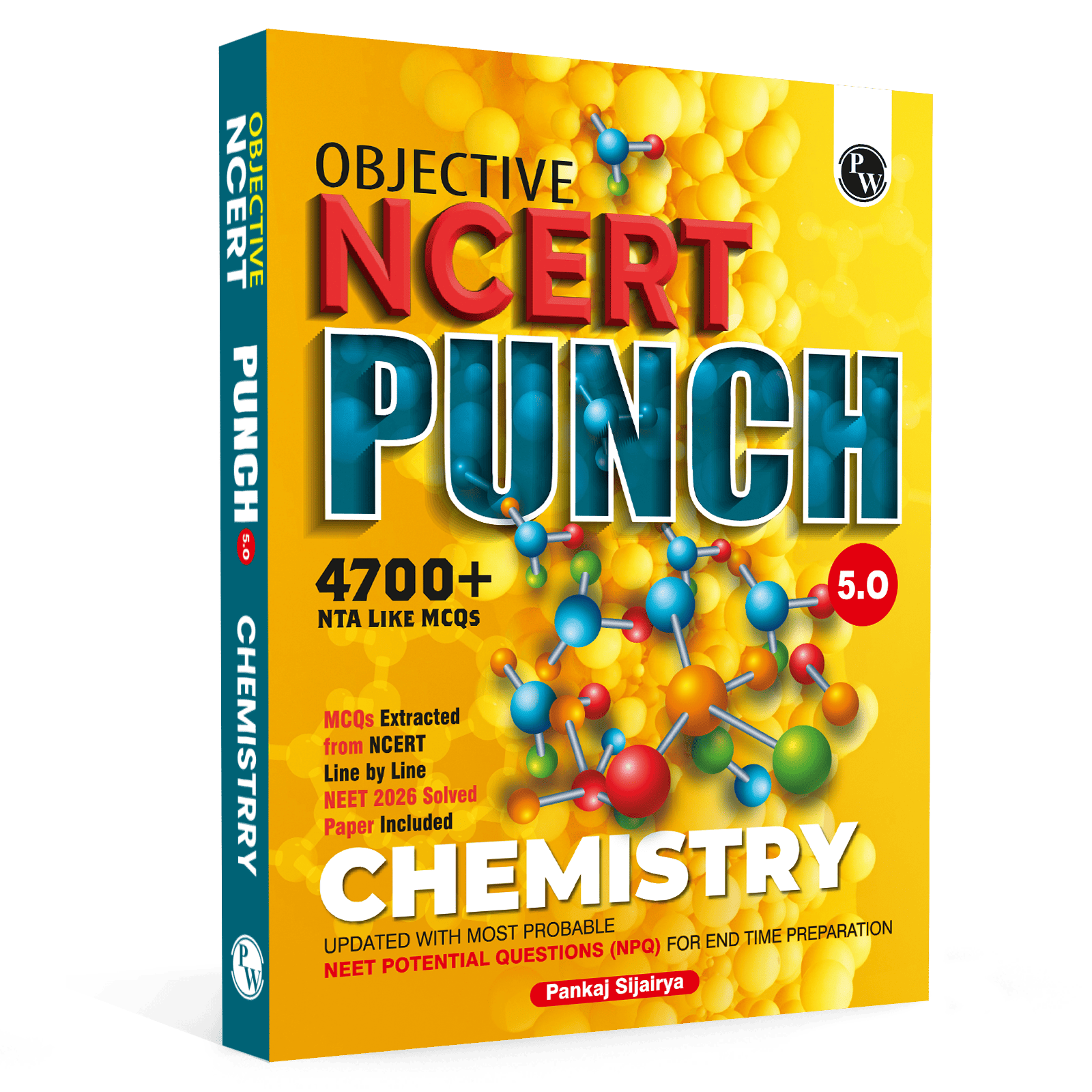
Thermodynamics NEET Questions Preparation with PW Objective NCERT Chemistry Book

Physical chemistry is not merely about memorizing formulas; it demands diligent practice especially with energy changes, entropy and enthalpy. Many medical aspirants have problems with calculation speed and clarity of concept while solving thermodynamics NEET questions in high-pressure exams. Students often lose valuable marks on numerical and statement based items without a structured practice source. PW Objective NCERT Chemistry Book by Pankaj Sijairya offers a targeted solution to fill the gap between textbook theory to real exam application.
Importance of Thermodynamics NEET Questions for NEET Preparation
The National Eligibility cum Entrance Test tests conceptual depth rather than rote learning. Physical chemistry chapters contribute a significant portion of numerical and theoretical problems, making thermodynamics the most critical scoring area. Students frequently find themselves confused between internal energy, work done, and enthalpy changes during tests.
-
High weightage in physical chemistry modules across multiple national exam cycles.
-
Direct linkage to fundamental physics concepts regarding energy conservation and system boundaries.
-
Blend of theoretical laws and intensive mathematical calculations requiring absolute numerical precision.
Structured workbooks familiarize candidates with different types of problem. When you solve NEET thermodynamics questions in a simulated environment, your brain becomes adept at quickly identifying the underlying formulae. This targeted practice eliminates panic on test day and enhances overall accuracy across the board. If you do this every day, you will find yourself instantly remembering laws of thermodynamics without second guessing your calculations.
How PW Objective NCERT Chemistry Book Helps Practise Thermodynamics NEET Questions
The PW Objective NCERT Chemistry Book is structured to transform passive reading into active problem-solving. Created under expert guidance, this resource aligns strictly with the latest national curriculum guidelines. It filters out redundant material so that students focus exclusively on what matters for the upcoming test.
-
Line-by-line coverage of standard NCERT textbook lines to ensure complete syllabus alignment and conceptual retention.
-
Dedicated practice modules for physical chemistry topics including states of matter, equilibrium, and chemical energetics.
-
Step-by-step solutions that explain the reasoning behind every formula application and sign convention.
When tackling thermodynamics questions for NEET, having clear step-by-step explanations prevents repetitive calculation errors. Using a PW Objective NCERT Punch Book can help break down complex derivations into digestible parts, ensuring that learners grasp the core principles of the first, second, and third laws of thermodynamics without unnecessary confusion.
Key Features for Practising Thermodynamics NEET Questions
Effective thermodynamics NEET preparation relies heavily on the quality and variety of practice questions available. The Punch series incorporates multiple question formats to test your knowledge from every possible angle.
-
Assertion and Reason items that test logical deduction and conceptual depth with over 300 targeted practice points.
-
Numerical profile questions numbering over 2400 items designed to sharpen calculation speed under strict time limits.
-
Statement-based questions that highlight subtle textbook exceptions and definitions essential for modern NTA testing standards.
Practicing these varied formats with a structured NEET Question Bank ensures you are better prepared for unexpected question twists on test day. Each module builds your confidence progressively, moving from straightforward formula substitutions to advanced multi-concept challenges. Regular interaction with these NEET chemistry questions solidifies your understanding of sign conventions for heat and work.
How to Solve Thermodynamics NEET Questions
A disciplined study plan turns raw study hours into productive output. Relying on random practice often leads to stagnation, whereas a structured protocol ensures steady improvement across all physical chemistry chapters.
-
Read the core textbook theory thoroughly before touching any question bank, paying special attention to shaded boxes and summary points.
-
Review NCERT-Picks and visual aids to recall important graphs, state functions, and cyclic processes quickly.
-
Solve topic-wise exercises using a physical timer to track your pacing and eliminate slow calculation habits.
Implementing this systematic routine helps you understand thermodynamics objective questions efficiently. When you treat each practice session as a mini-mock test, your ability to handle complex calculations improves drastically. Always maintain an error log to record formulas or sign conventions you misapply during early attempts.
Topic-Wise Practice Plan for Thermodynamics NEET Questions
Practising these questions topic-wise helps aspirants identify which concepts require more attention before moving to mixed practice. Instead of solving questions randomly, students can divide the chapter into thermochemistry, enthalpy, Hess's law, entropy, Gibbs energy, and the laws of thermodynamics. This approach makes revision more organised and helps track progress across different question types.
|
Thermodynamic Topic |
Core Focus Areas |
Strategic Practice Approach |
|
Thermodynamic Laws |
First, second, and third laws of thermodynamics and fundamental principles |
Start with conceptual questions and statement-based verification MCQs |
|
Enthalpy |
Enthalpy changes, standard states, and Hess's Law applications |
Practice formula-based numericals and thermochemical cycle problem-solving |
|
Heat and Work |
System-surroundings sign conventions, expansion work, and internal energy changes |
Solve rigorous calculation-based questions focusing on correct sign usage |
|
Entropy |
Entropy changes, criteria for spontaneity, and total entropy of the universe |
Mix conceptual reasoning with quick numerical calculations |
|
Gibbs Energy |
Relationship between ΔG, ΔH, and ΔS, spontaneity criteria, and equilibrium links |
Combine core formulas with multi-step application-based questions |
|
Thermochemistry |
Energy changes in chemical reactions, bond energies, and formation enthalpies |
Attempt NCERT-backed examples and multi-concept numerical questions |
After completing each topic, students should review their incorrect answers and revise the related NCERT concepts using NEET Books. Once the individual areas become stronger, mixed questions can be used to test overall preparation under timed conditions.
How to Track Progress with Thermodynamics NEET Questions
Tracking performance regularly can help students understand whether their preparation is actually improving. Simply counting the number of thermodynamics questions solved does not show the complete picture. Aspirants should also record their accuracy, time taken, and the types of mistakes made during each practice session.
-
Record the number of questions attempted and answered correctly.
-
Note the time taken for numerical and conceptual questions separately.
-
Maintain an error log for incorrect formulas, calculations, and concepts.
-
Revisit questions where the correct answer was selected through guessing.
-
Compare weekly scores to identify improvement or recurring weak areas.
-
Increase the difficulty level gradually as accuracy becomes consistent.
-
Take timed mixed sets before moving to full-length chemistry mocks.
This progress-based approach helps students focus their revision where it is actually needed. Regularly analysing performance while solving NEET questions can also improve calculation speed, reduce repeated errors, and build confidence for the NEET Chemistry section.
Common Mistakes to Avoid While Solving Thermodynamics NEET Questions
Even dedicated students commit avoidable errors that drain their exam scores. Recognizing these pitfalls early allows you to adjust your problem-solving approach and protect your hard-earned marks.
-
Ignoring sign conventions for heat and work done by or on the system during expansion and compression cycles.
-
Confusing extensive and intensive properties during conceptual evaluations of state and path functions.
-
Skipping detailed solution keys for questions you answered correctly by lucky guesses.
Conquering these common hurdles requires active self-assessment. When you review thermodynamics questions, always read the explanatory text provided in the book, even if your initial answer was right. This habit uncovers alternative, faster solution methods and ensures total command over the subject matter.
Read More: How to Start NEET Preparation After Class 10?
Thermodynamics NEET Questions FAQs
What makes the PW Objective NCERT Chemistry Book ideal for thermodynamics NEET preparation?
The book offers 100 percent NCERT-aligned content, topic-wise segregation, and thousands of practice items specifically curated for medical entrance aspirants.
How many thermodynamics objective questions should I solve daily?
Solving between fifteen to twenty questions daily helps maintain steady momentum without burning out, provided you review every mistake thoroughly.
Are previous year questions included alongside NEET thermodynamics questions?
Yes, the book integrates authentic past paper trends and updated practice sets to mirror the current exam standard.
How does the book help improve calculation speed for thermodynamics questions for NEET?
It features dedicated numerical profile sets and time-intensive problems that train your mind to compute faster under pressure.
Can beginners use this book for NEET chemistry questions?
Beginners can easily follow the structured format, starting with fundamental fill-ups and progressing toward advanced multi-concept problems.