How to use the NEET Question Bank to Master NCERT-based MCQs
Preparing for the National Eligibility cum Entrance Test requires absolute clarity over the textbook syllabus. Many medical aspirants face a significant hurdle when trying to convert textbook reading into accurate problem-solving.
This article explores how incorporating a dedicated NEET question bank transforms your study strategy, improves your retention, and helps you excel in multiple-choice questions.
What Is a NEET Question Bank?
A NEET question bank is a curated compilation of multiple-choice questions designed specifically to align with the official medical entrance examination syllabus. It acts as a comprehensive practice resource containing different types of questions across Physics, Chemistry, and Biology.
These resources typically feature a mix of previous year questions and newly framed problems based directly on textbook lines. Medical aspirants utilise these tools to bridge the gap between theoretical knowledge and exam-day application.
Why a NEET Question Bank Is Important for NCERT-Based Preparation
Using a dedicated NEET question bank ensures that your revision stays aligned with the exam pattern. It forces you to look at text lines from an analytical perspective rather than relying on passive reading.
-
Bypasses passive reading: Simply reading chapters repeatedly can create a false sense of security.
-
Encourages active recall: Solving questions from a NEET question bank demands that you retrieve information actively from memory.
-
Highlights hidden details: Exams often test minor footnotes or diagram captions that you might overlook during standard reading. The resources illustrate how structured paper-based books provide a tangible way to cross-reference your chapter progress.
Features of a NEET Question Bank
An effective NEET question bank includes specific functional elements that make practice more organised and productive. Based on the structure followed by modern preparation resources, these features are designed to strengthen conceptual understanding, improve question-solving speed, and support systematic revision.
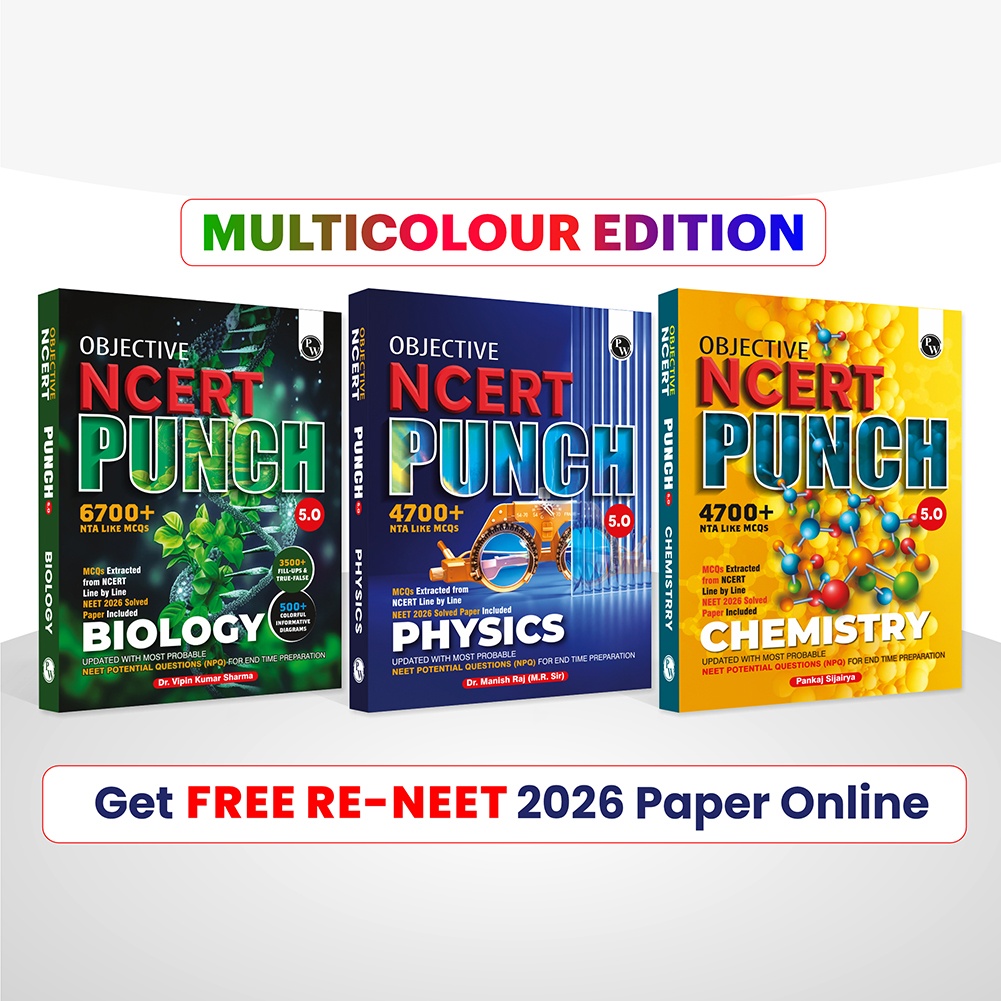
For students looking to make practice more targeted, resources such as the NEET NCERT Objective Punch Combo 2027 can help by combining objective-based learning with structured question practice aligned to exam preparation needs.
|
Feature Type |
Description |
Objective |
|
Topic-wise Segregation |
Questions grouped by sub-chapters |
Allows targeted practice right after completing a class lecture. |
|
Varied Difficulty Levels |
Mix of easy, moderate, and complex questions |
Builds baseline confidence before introducing advanced problems. |
|
Detailed Explanations |
Step-by-step solutions for every problem |
Provides immediate clarity on the exact reasoning behind the correct option. |
|
Previous Year Integration |
Inclusion of authentic past exam papers |
Exposes you directly to recurring themes and official question trends. |
How does the NEET Question Bank help in NCERT Concepts?
The competitive medical entrance exam tests your fundamental conceptual clarity. A structured NEET question bank breaks down chapters into smaller topic-wise questions. This systematic breakdown ensures that you do not leave any paragraph unpractised.
-
Solidifies application: You learn exactly how a biological process or chemical formula translates into a tricky multiple-choice scenario.
-
Clarifies definitions: Working through specialized items like assertion-reason or statement-based questions refines your logical understanding of facts.
-
Fixes misconceptions: Immediate feedback from detailed solutions rectifies conceptual errors before they become habits.
Benefits of NEET Question Bank
Integrating a regular practice routine around a NEET question bank offers structural advantages that directly influence your final rank.
-
Improves Speed and Accuracy: Consistent practice trains your brain to process multiple-choice options quickly while minimizing silly mistakes.
-
Builds Time Management: Solving questions within fixed limits ensures you finish the actual 200-question paper comfortably on time.
-
Reduces Exam Anxiety: Simulating the test environment through realistic problem variations helps build critical exam-day confidence.
-
Provides Honest Self-Assessment: Performance tracking highlights your exact strengths and weaknesses objectively.
How to Use the NEET Question Bank?
To gain the maximum advantage, you must treat your NEET question bank as an active learning framework rather than a casual quiz book.
-
Read the Chapter First: Never jump straight into the questions without reviewing your baseline class notes or textbooks.
-
Start with Moderate Problems: Begin with basic application questions to confirm you remember facts before attempting highly complex variations.
-
Analyse Wrong Answers: Spend time studying the detailed solutions for every mistake you make to learn the underlying logic.
-
Maintain a dedicated Log: Document toUGh problems and recurring errors so you can track your conceptual gaps easily.
For Biology-focused preparation, students can also use the NEET NCERT Objective Punch Biology 2027, which supports objective practice, concept reinforcement, and structured revision aligned with NEET preparation.
How to Use the NEET Question Bank for NCERT Revision
Revision should be dynamic rather than a repetitive look through highlighted text. A NEET question bank makes your revision phases highly goal-oriented.
-
Reverse Engineering: When revising a difficult chapter, try solving twenty questions first. Let your mistakes dictate which textbook sections you need to re-read.
-
Focus on High-Weight Topics: Use the question distribution to identify sections that historically yield the highest number of exam items.
-
Utilise Diagrams: Medical entrance exams frequently convert textbook diagrams into label-based multiple-choice problems. Ensure your practice book covers these visual variations thoroughly.
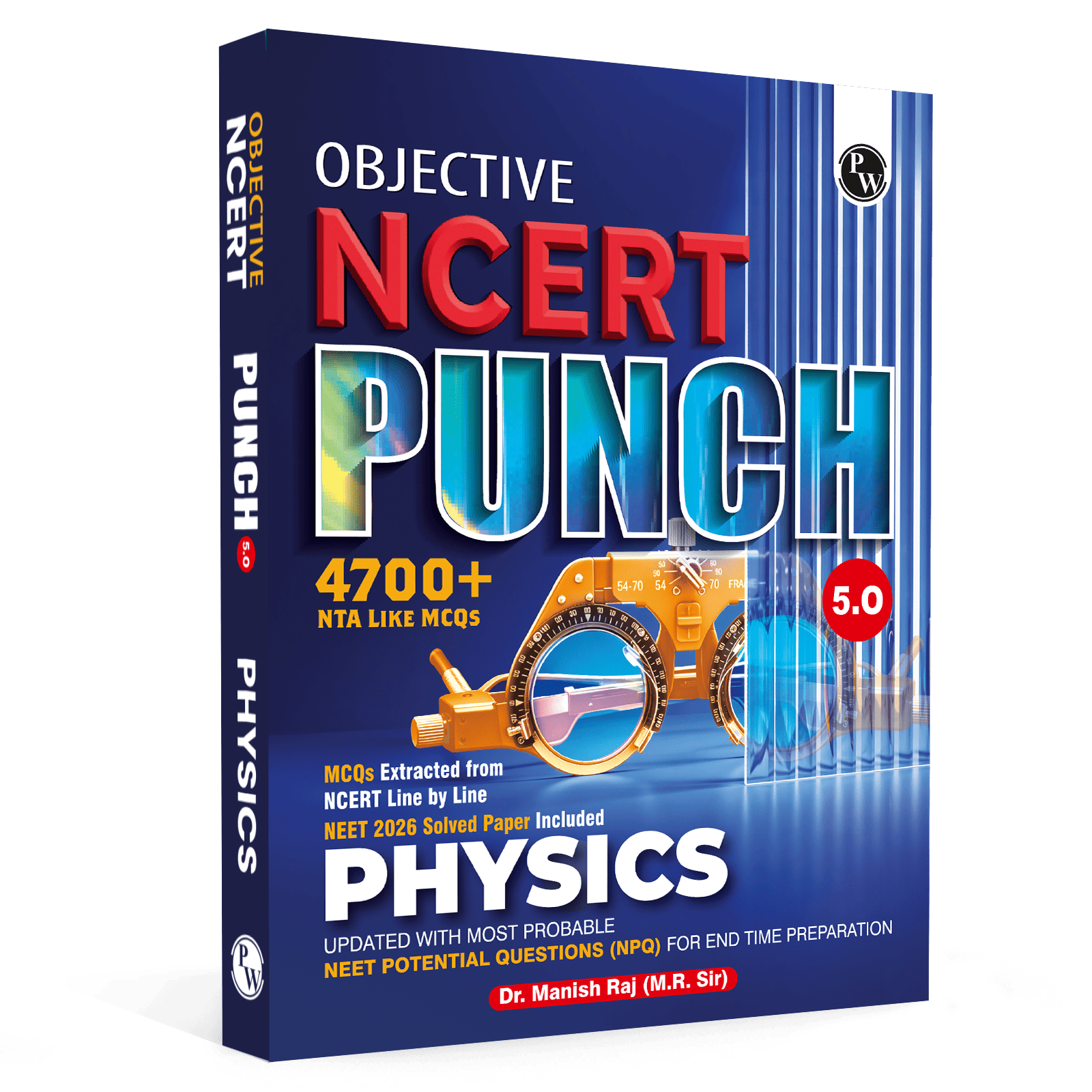
For stronger Physics revision and NCERT-based practice, students can also use the NEET NCERT Objective Punch Physics 2027 resource, which supports targeted objective practice and reinforces concept application through structured question solving.
When to Start Solving the NEET Question Bank?
The ideal time to start utilizing a NEET question bank is from the very first day of your preparation cycle. Waiting until the entire syllabus finishes creates an overwhelming backlog of unpractised topics.
-
Concurrent Phase: Solve topic-wise modules alongside your ongoing weekly classroom lectures.
-
Mid-Term Phase: Begin working through full chapter sets once you finish broader units.
-
Final Phase: Dedicate your time to mixed-subject mock sets and previous year papers during the final months before the national test.
Study Strategy Plan with the NEET Question Bank
A structured schedule ensures balanced coverage across Physics, Chemistry, and Biology. Use this weekly operational workflow to align your daily practice sessions with your long-term goals.
-
Monday & Tuesday (Concept Application): Complete your theoretical text reading and immediately solve 40–50 topic-focused problems from your NEET question bank.
-
Wednesday & Thursday (Error Tracking): Review your incorrect selections thoroUGhly. Re-read the specific textbook paragraphs associated with those errors to patch your understanding.
-
Friday (Speed Training): Set a timer and solve a mixed set of 60 questions to improve your pacing under simulated pressure conditions.
-
Weekend (Cumulative Review): Re-attempt the flagged or logged difficult items from the previous weeks to ensure the concepts are retained permanently.
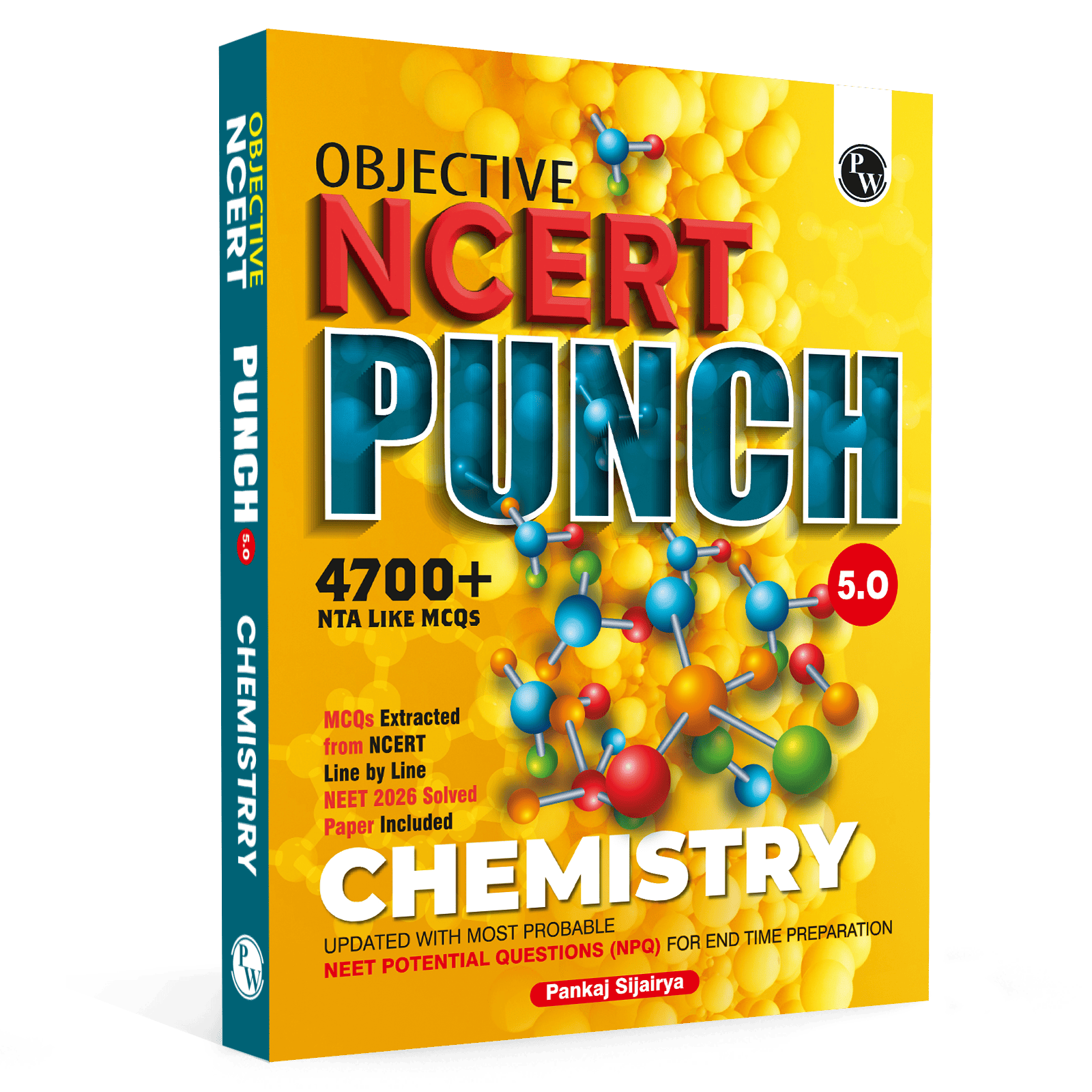
For stronger Chemistry preparation and objective-based NCERT practice, students can also use the NEET NCERT Objective Punch Chemistry 2027 resource to improve concept clarity and strengthen exam-oriented question-solving skills.
Common Mistakes to Avoid While Using the NEET Question Bank
Many aspirants own premium prep books but fail to see score improvements because of flawed practice habits. Recognizing these pitfalls early will keep your preparation on track.
-
Memorising Options blindly: Focus on the underlying scientific principle or formula derivation rather than trying to memorise a specific answer key.
-
Neglecting Explanations: Skipping the written solutions for questions you answered correctly by guessing prevents true conceptual mastery.
-
Irregular Practice Sessions: Binging hundreds of questions once a month is vastly inferior to solving thirty targeted problems every single day.
-
Ignoring the Clock: Practising without monitoring your time can lead to pacing issues during the actual competitive exam.
NEET Question Bank FAQs
Q1. Can a student clear the medical exam using only a question bank for NEET?
An official question bank for NEET is an indispensable tool for building speed, accuracy, and paper familiarity. However, it must be paired with thoroUGh textbook reading to ensure you understand foundational theory before practicing application.
Q2. How many multiple-choice items should I solve daily from a NEET UG question bank?
A balanced target is to solve roughly 80 to 100 high-quality questions daily from a NEET UG question bank. Distribute these across Physics, Chemistry, and Biology to maintain uniform confidence across all test sections.
Q3. Why should I choose a dedicated NEET question bank book over generic science guides?
A specialized NEET question bank book focuses entirely on the exact competitive exam pattern, difficulty balancing, and syllabus boundaries specified by the exam authorities. Generic guides often contain irrelevant out-of-syllabus information that wastes valuable time.
Q4. Is it helpful to practice from the NEET question bank 2026 edition early?
Yes, using a contemporary resource like a NEET question bank 2026 edition ensures your practice matches the most recent adjustments to the official test pattern and chapter distributions.