What is a NEET Question Bank and How Does it Differ from PYQs and Modules

The national entrance test is always a challenge for medical aspirants to handle their study resources well. With so many books, coaching notes and practice papers accessible, it becomes challenging to select the proper information. To remove the ambiguity and to increase your ultimate score, it is important to comprehend the exact function of a dedicated NEET question bank. In this article, we tell you how a practice-oriented NEET book makes your preparation easy and how it differs from other traditional study aids.
What Is a NEET Question Bank 2026?
It is a systematic collection of multiple choice questions compiled exactly as per the latest medical entrance exam pattern. It covers the full course of Physics, Chemistry & Biology. A good question bank will categorise questions by chapter and topic, not just a random set of issues. This setup allows medical hopefuls to test their understanding immediately after finishing a particular lecture or textbook section.
A comprehensive resource contains thousands of high-yield problems that range from basic knowledge recall to multi-step numerical analysis. It is designed to expose students to various problem formats, including statement-based questions, matching columns, and assertion-reason problems. This variety eliminates unexpected surprises on the actual test day.
NEET Question Bank vs Previous Year Questions (PYQs)
Many students assume that solving past papers is enough to secure a top rank, but past papers and question banks serve different functions. Previous Year Questions show you what has already been asked, while a NEET UG question bank prepares you for what could be asked next.
The structural and functional differences include:
-
Syllabus Coverage: NEET previous year paper only contain questions from topics that appeared in previous exam cycles. A NEET question bank book covers every single line of the syllabus, ensuring no sub-topic is left out.
-
Topic-Specific Practice: Past papers force you to solve a full mixed mock test. A question bank allows you to practice fifty to one hundred targeted questions exclusively on a single topic, like Kinematics or Plant Physiology.
-
Predictive Variations: Question banks introduce highly anticipated question formats, such as the high-order time-intensive MCQs featured in the question bank 2026 editions, which simulate evolving exam complexities.
NEET Question Bank vs Coaching Modules
Coaching modules are foundational booklets designed to teach you the subject from scratch. In contrast, a NEET exam question bank is engineered exclusively to refine your speed, accuracy, and elimination techniques.
The primary differences can be seen across these parameters:
-
Theory vs Practice: Coaching modules dedicate significant pages to detailed theories, derivations, and solved examples. A question bank skips heavy reading material and focuses entirely on varied practice questions.
-
Question Density: NEET Modules usually provide a limited set of exercises at the back of a chapter. A standalone question bank offers a much larger volume of questions per topic to build deep muscle memory.
-
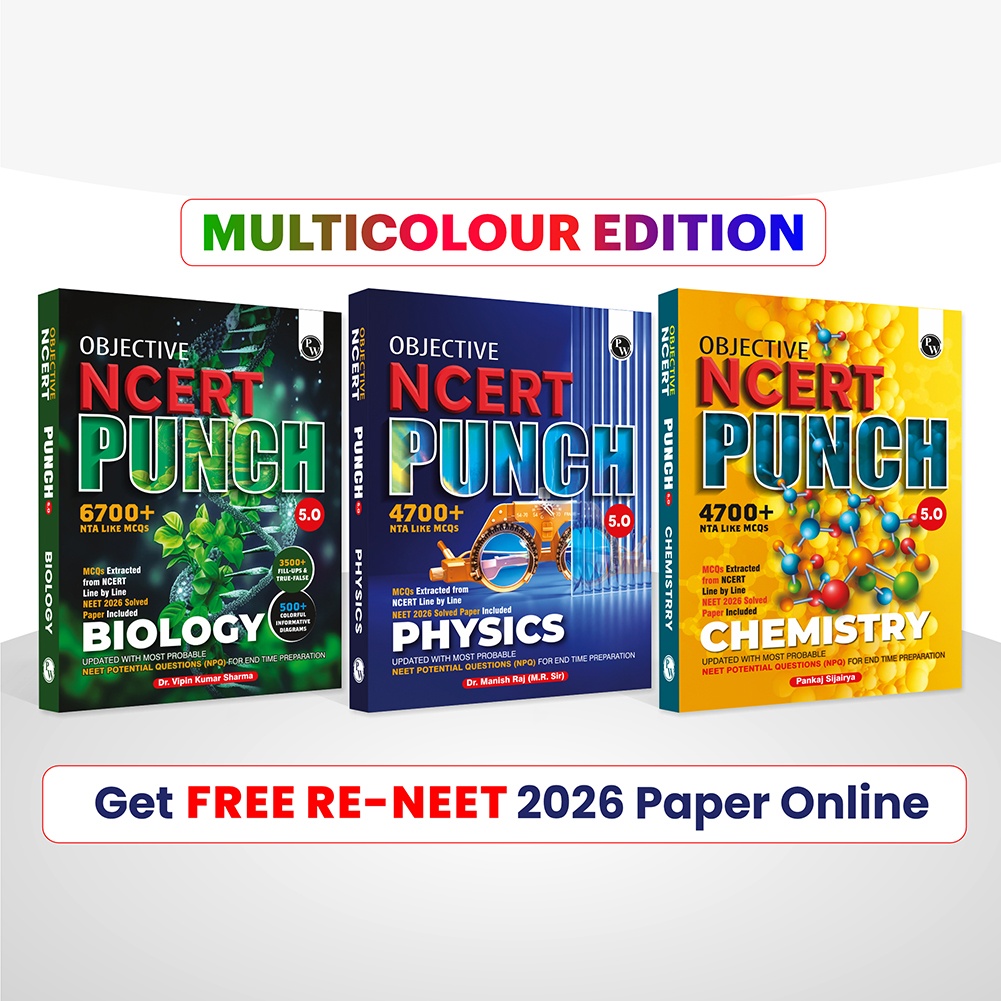
Focus on NCERT Application: Advanced question banks, like the NEET Objective NCERT Punch series, line up questions directly from textbook sentences, turning raw text into practice opportunities.
Why Use a NEET Question Bank Book for Preparation?
Using a specialized practice book changes how you process scientific concepts. It acts as an active testing tool rather than a passive reading habit.
Integrating a dedicated question bank book into your daily schedule provides several strategic advantages:
-
Pinpoints Knowledge Gaps: When you solve a diverse range of questions on a single topic, you immediately see where your conceptual understanding breaks down.
-
Builds Real-Time Speed: Practicing under timed conditions with a large set of topic-wise questions trains your brain to process data faster.
-
Detailed Step-by-Step Solutions: Top-tier resources provide comprehensive explanations that clarify the underlying logic, helping you understand why an option is correct and why other options are incorrect.
-
Reduces Exam-Day Anxiety: Regular exposure to challenging question formats builds familiar comfort, ensuring you stay calm during the actual exam.
NEET Question Bank Tips to Score 700+ Marks
Simply buying a book will not improve your rank; your method of practice determines your success. You must approach your resource systematically to extract maximum value.
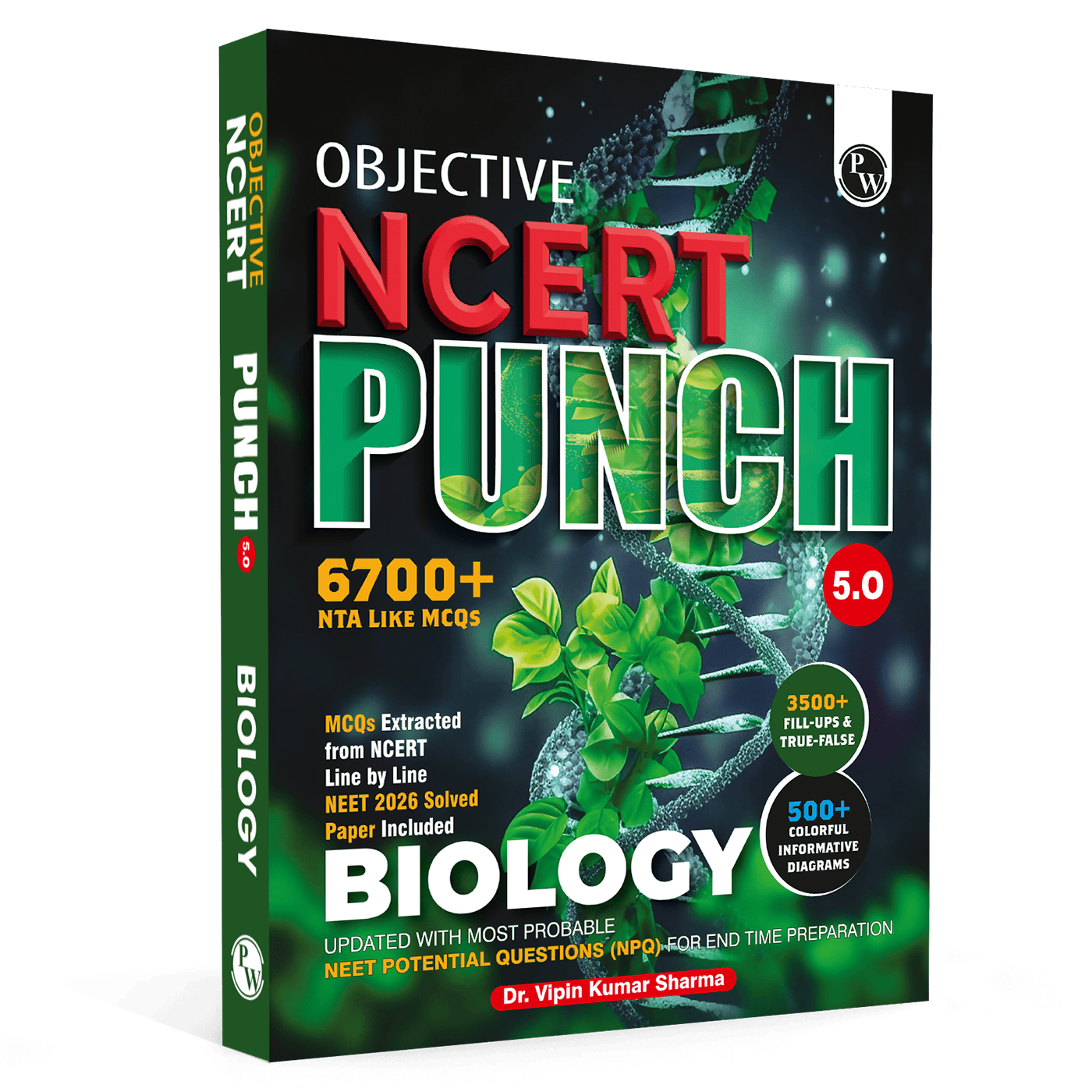
Study Before You Solve: Never open your question bank without reviewing your class notes or NCERT text first. Strong concepts form the foundation for solving problems correctly. For Biology practice, the NEET NCERT Objective Punch Biology 2027 helps reinforce NCERT-based concepts through targeted questions.
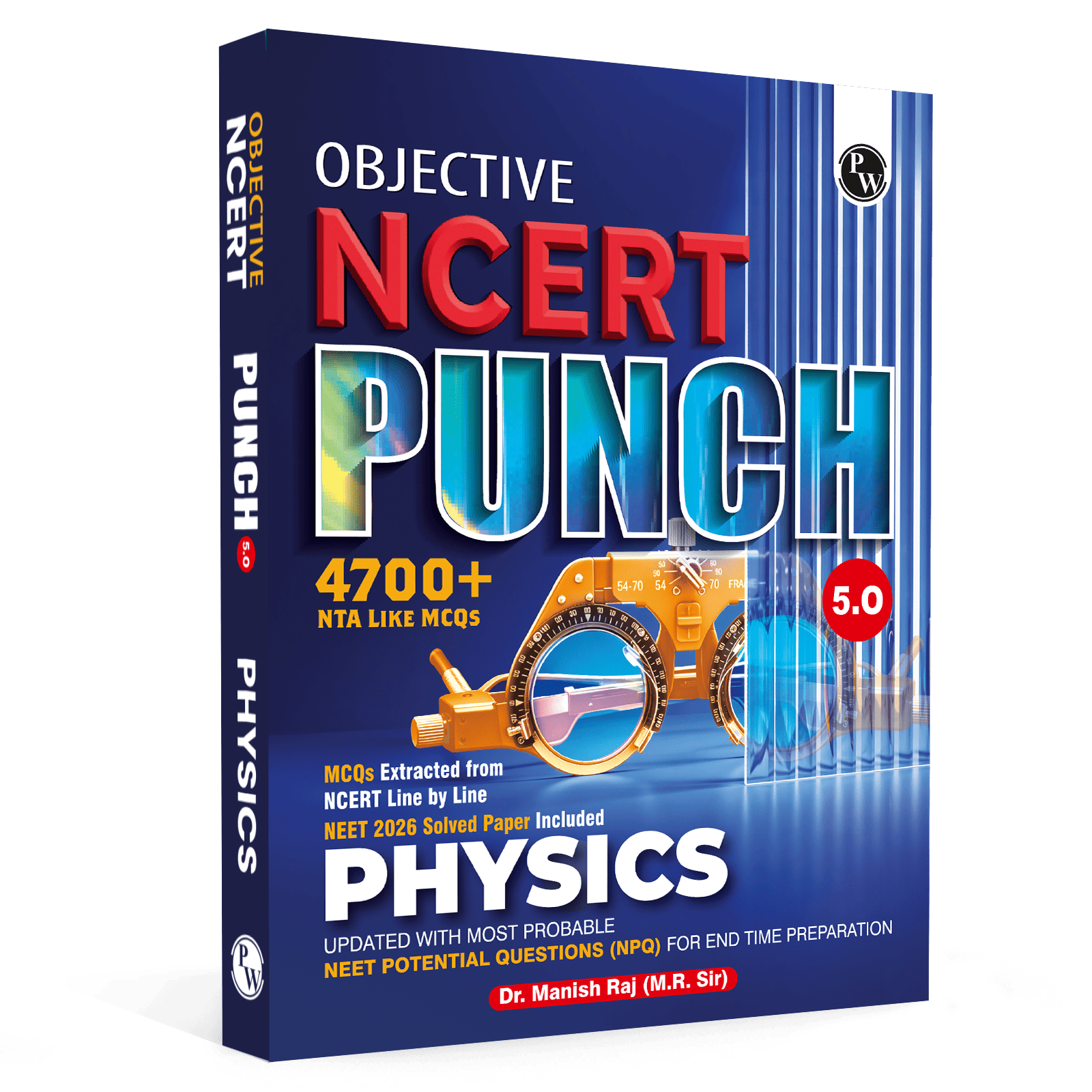
Start with Moderate Levels: Begin with simpler, direct questions to boost your confidence. Slowly move toward complex numerical calculations and assertion-based problems. For Physics practice, the NEET NCERT Objective Punch Physics 2027 is useful for gradually building problem-solving speed.
Maintain an Error Log: Write down every silly mistake, formula misapplication, or conceptual error in a separate notebook. Revisit this log before every weekly test.
Apply Elimination Methods: If you encounter an unfamiliar question, practice eliminating obviously incorrect options based on your existing knowledge to improve your logical guessing skills. For Chemistry practice, the NEET NCERT Objective Punch Chemistry 2027 supports concept clarity with exam-level MCQs.
How a NEET Question Bank Improves Revision and Long-Term Retention
One of the main benefits of using a question bank is that it takes revision from passive reading to active recall. Students sometimes spend hours studying NCERT chapters and coaching notes, only to forget the important topics when it’s time to take the test. It requires actively recalling the information rather than just reading it over and over which is much more effective at retaining knowledge in the brain.
A structured question bank also enables pupils to revise concepts several times without feeling repetitious. Aspirants can go back to topics and test multiple applications of the same theory through a new set of questions, instead of reading the same chapter over. This method makes revision enjoyable and enhances conceptual clarity.
Another important benefit is spaced reinforcement. Students can solve chapter-wise questions immediately after completing a topic, revisit the same chapter during monthly revisions, and then attempt mixed-subject practice later. This repeated exposure helps transfer information from short-term memory to long-term memory.
Additionally, regular question practice improves confidence by familiarizing students with different question styles and difficulty levels. As accuracy improves over time, students develop greater trust in their preparation strategy. This combination of active recall, repeated revision, and confidence building makes a question bank an essential companion throughout the preparation journey rather than just a practice resource used before examinations.
Read More: NEET Previous Year Question Papers with Solutions PDF
NEET Question Bank FAQs
What is the primary purpose of a NEET question bank?
It provides extensive, topic-wise multiple-choice questions to help students master concept application, identify academic weaknesses, and build problem-solving speed for the entrance test.
Can I rely only on a question bank for NEET without reading textbooks?
No, you should not skip textbooks. You must build a clear conceptual foundation using your notes and NCERT books before attempting problems in a question bank.
How is a PW NEET question bank different from regular sample papers?
It provides targeted, chapter-wise practice aligned with the latest exam patterns, whereas standard sample papers offer full-length, mixed-subject tests meant for final stage revision.
Should I buy a NEET question bank book if I already have coaching modules?
Yes, coaching modules focus heavily on explanatory theory and basic exercises. A dedicated question bank book provides a much higher volume and variety of advanced practice questions.
Will the NEET question bank 2026 editions help with changing exam patterns?
Yes, updated editions include recent high-order time-intensive MCQs and match the latest syllabus guidelines issued by the exam conducting authorities.