When Should a NEET Aspirant Switch From Modules to Crash Course Material

Sticking with detailed modules for too long causes information overload, while switching too early risks leaving conceptual gaps in your preparation. Identifying the exact time to transition to a structured, compressed resource is key to maintaining a balanced and stress-free revision timeline. Along with NEET Books, transitioning to a dedicated NEET crash course program provides condensed, highly relevant resources that perfectly match the latest exam requirements.
This strategic shift helps you focus entirely on high-yield sections rather than getting lost in lengthy theoretical chapters in the final weeks.
Importance of NEET Crash Course
Succeeding in this competitive medical exam requires a calculated shift from deep, horizontal learning to focused, vertical revision. Year-long modules are designed for building a foundation, but they become highly difficult to manage during the final countdown.
This change prevents students from getting lost in minor details, shifting their focus onto high-yield topics and exam-oriented strategies instead. It also helps manage your limited time efficiently, ensuring all three subjects receive equal attention before test day.
When to Start Using a NEET Crash Course?
The decision to change your resources depends entirely on your syllabus completion, confidence levels, and the time remaining before the exam. Continuing with comprehensive modules when time is limited often leads to incomplete revision cycles.
Look for these specific indicators to know when to start using revision-focused materials:
1. When the Full Syllabus is Complete
If you have finished reading your core textbooks and regular practice books, the deep modules have done their job. Continuing to read lengthy texts can slow down your daily progress significantly.
Switching to a focused crash course for NEET allows you to go through the entire syllabus again using a fast-paced, highly structured plan.
2. When Dealing with Massive Chapter Backlogs
When the exam is only a few months away and many chapters remain untouched, finishing detailed reference books becomes mathematically impossible. Trying to read extensive volumes will only cause unnecessary panic.
Condensed materials help you cover these remaining topics through short explanations and selected, exam-specific questions.
3. When Your Mock Scores Stagnate
Remaining stuck at a specific score range often means you are spending too much time on passive theory and not enough on targeted question practice.
Fast-track materials solve this problem by emphasizing problem-solving techniques, highlighting common mistakes, and providing short study notes for quick recall.
Signs You Need a NEET Crash Course Book
Choosing the right revision material requires looking for specific, structural features that make your preparation efficient. Good revision books do not just shorten the text.
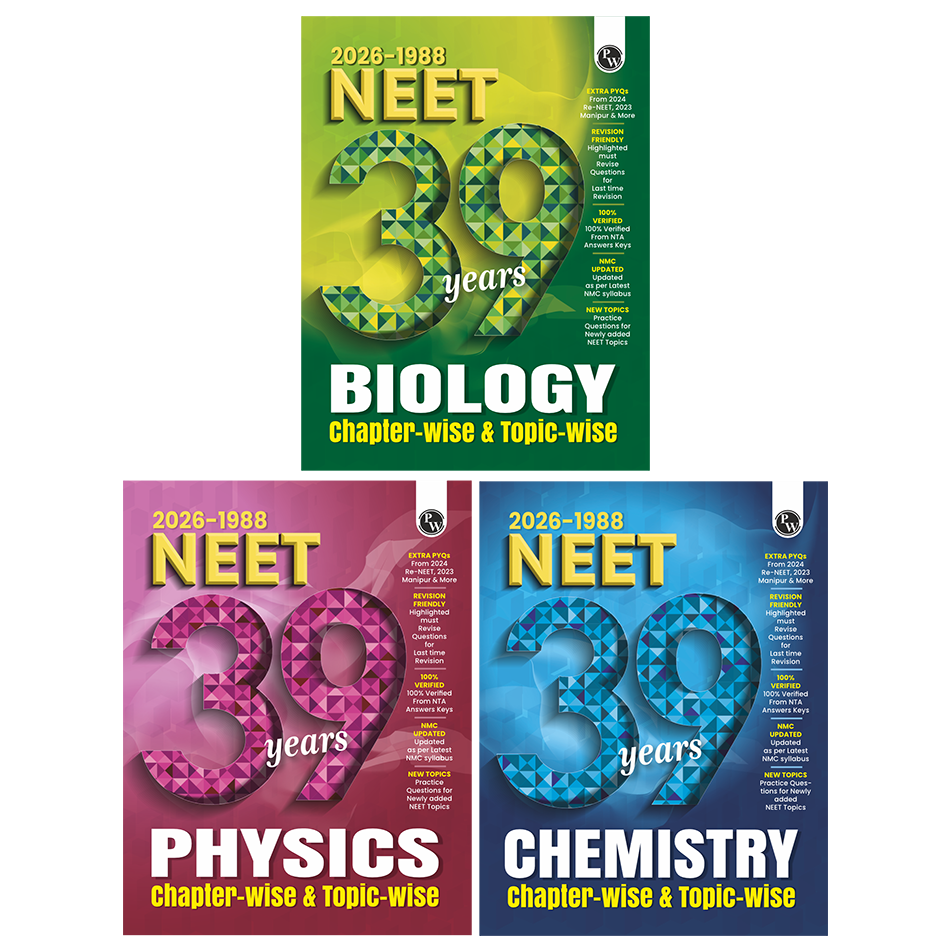
They restructure the information for quick review. An excellent example of this layout includes individual, dedicated volumes for Biology, Chemistry, and Physics.
A quality NEET crash course book provides several essential features that make self-study highly effective:
-
Focused and Structured Content: The book uses clear headings, subheadings, and bullet points to help you find specific facts quickly without reading massive paragraphs.
-
Abundant Practice Questions: It includes a large bank of practice problems covering different difficulty levels, matching patterns like matching lists or True/False statements.
-
Previous Year Questions (PYQs): It includes chapterwise questions from the last five years of exams, complete with step-by-step solutions to explain the correct approach.
-
Visual Learning Aids: Complex processes are broken down using clear diagrams, charts, and tables to make memory recall easier.
How to Prepare for the NEET Crash Course?
A two-month revision window demands complete focus and a clear, day-by-day plan. You cannot afford to study randomly; every hour must serve a specific purpose. Use this structured approach to organize your final preparation phase:
Step 1: Understand the Current Pattern
Before starting your material, review the latest marking scheme, question distribution, and section limits. Knowing how many questions appear per topic allows you to plan your daily time effectively.
Step 2: Keep NCERT as Your Foundation
No matter what revision program you choose, your primary textbooks remain the absolute foundation of your preparation. Use your revision notes to supplement your textbook reading, ensuring you understand tables and high-yield diagrams thoroughly.
Step 3: Select the Right Material
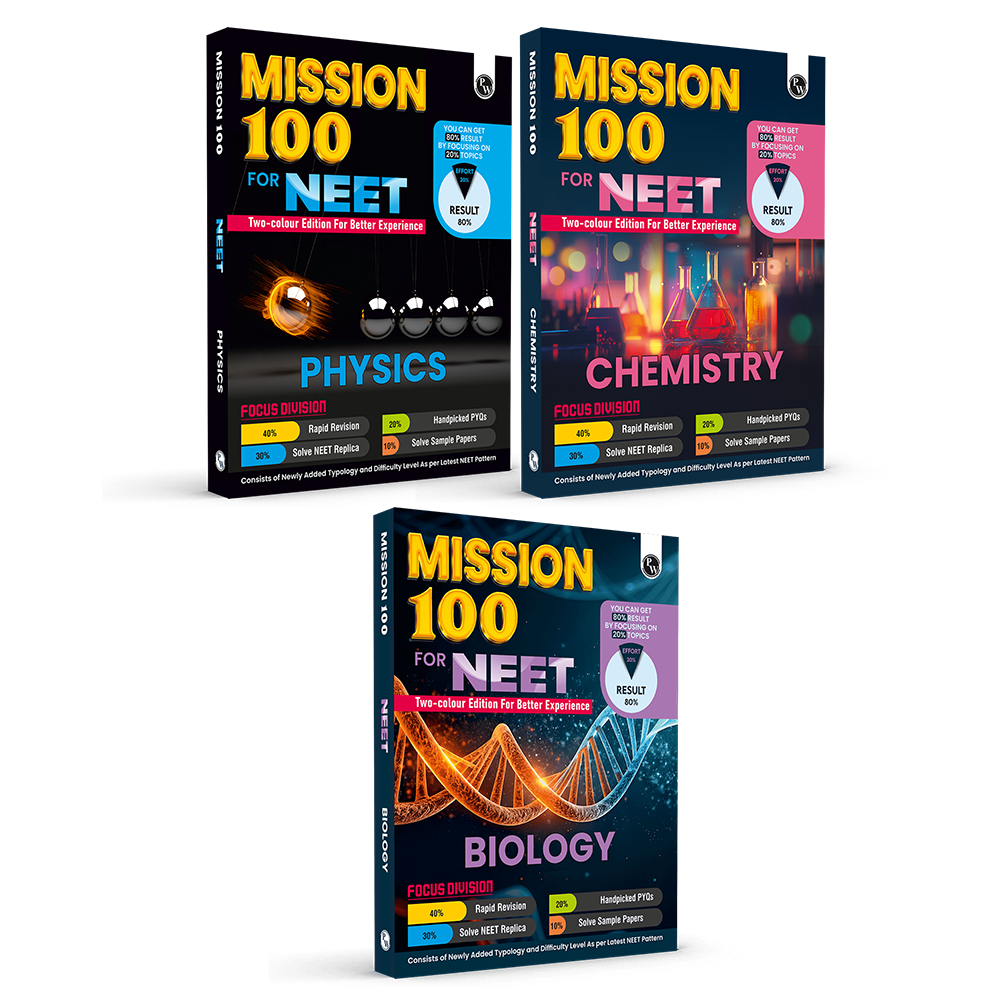
Avoid collecting too many different books during the final months. Choose a reliable, recommended guide and stick to it completely. Using a structured combo set like the NEET Mission 100 PCB Combo 2026 Set 3 ensures your study material stays organized and consistent across all three subjects.
Step 4: Emphasize Active Learning
Do not just read pages passively. Write down key formulas, draw quick sketch diagrams, and test yourself with flashcards. Work through the question banks actively rather than just reading the answers blindly.
Step 5: Fix Weak Areas Immediately
Use your mock test results to find chapters where you consistently lose marks. Spend your extra study hours rewriting those specific formulas and solving related practice questions until your accuracy improves.
Step 6: Practice Strict Time Management
Set a countdown timer whenever you practice questions. Learn to skip difficult, time-consuming questions during your practice runs so you can secure easier marks first.
What to Look for in a NEET Crash Course?
A complete revision setup includes more than just print books; it combines physical resources with digital support systems to create an interactive learning environment. A robust program should provide a well-rounded combination of core resources:
-
Short Notes and Mind Maps: Condensed summaries that highlight key formulas, reactions, and definitions for quick morning reviews.
-
Mock Tests and Solutions: Regular practice tests that mimic the actual exam layout, allowing you to practice time management under pressure.
-
Online Resources and Doubt Support: Access to online platforms, recorded video explanations, and live doubt-clearing sessions to resolve tricky problems quickly.
-
Shortcuts and Mnemonics: Expert tips, memory strategies, and math shortcuts that save valuable seconds during the actual test.
-
Personalised Guidance: Mentorship from experienced teachers to provide extra support for your specific learning style.
Students can also enhance their preparation with the NEET NCERT Objective Punch Combo 2027, which offers focused practice and helps strengthen conceptual clarity through exam-oriented questions.
Tips to Increase Your Marks in a NEET Crash Course
Using clear study notes and comprehensive practice sets ensures you build the speed and accuracy needed for test day. To keep your preparation running smoothly, prioritise the following methods:
-
Track Your Errors: Keep a dedicated notebook for questions you answer incorrectly during mock tests, and review it every single morning.
-
Master High-Yield Topics: Focus heavily on chapters that historically carry the highest weightage in the exam before moving to minor sections.
-
Simulate Real Exam Conditions: Sit in a quiet room and take your mock tests during the exact afternoon hours of the actual exam to build mental stamina.
Read More: How to Make Notes from PW NEET Modules
NEET Crash Course FAQs
Can I clear the medical exam using only a NEET crash course?
A compressed program works best when you already have a basic understanding of the core concepts. It is highly effective for organizing systematic revision, learning shortcuts, and improving question-solving speed during the final months.
How many hours should I dedicate daily to a crash course for NEET 2026?
Aspirants should spend 8 to 10 hours daily during the final phase. This time must be divided evenly between watching revision sessions, reviewing short notes, and solving mixed question sets under timed conditions.
What makes a NEET crash course book different from regular preparation material?
Regular modules focus on deep, detailed explanations and introductory concepts for long-term learning. A revision book condenses that information into quick bullet points, comparison tables, and high-yield questions to speed up your final preparation.
Is it helpful to use an online platform alongside printed revision materials?
Yes, combining printed books with online resources gives you immediate access to helpful video explanations and quick doubt-clearing tools. This helps you resolve difficult questions immediately without breaking your study momentum.