Carbon and Its Compounds Questions Practice with CBSE Class 10 Sample Papers
Carbon is an important chapter in Class 10 Science. Students need to understand covalent bonds, carbon chains, functional groups, chemical reactions, and the properties of compounds such as ethanol and ethanoic acid.
Many students find this chapter difficult because they have to remember structures, names, reactions, and uses together. Regular practice with Class 10 Carbon and Its Compounds Questions can make these topics easier and improve answer-writing skills.
Importance of Class 10 Carbon and Its Compounds Questions
Class 10 Carbon and Its Compounds Questions help students practise important topics such as covalent bonding, hydrocarbons, functional groups, chemical reactions, ethanol, ethanoic acid, and soaps and detergents.
Regular practice helps students improve their ability to draw structures, identify compounds, write chemical equations, and answer application-based questions. Solving textbook questions, PYQs, and CBSE CLass 10 sample papers also helps students identify common mistakes and understand different board exam question formats.
A balanced practice routine can improve accuracy, answer-writing skills, and confidence in the Class 10 Science exam.
What to Study Before Solving Class 10 Carbon and Its Compounds Questions?
Before solving Class 10 Carbon and Its Compounds Questions, students should revise the main concepts of the chapter. A clear understanding of these basics makes it easier to solve both direct and application-based questions.
Important areas include:
-
Carbon bonding: Revise covalent bonding, tetravalency, and the ability of carbon to form long chains.
-
Hydrocarbons: Learn the difference between saturated and unsaturated compounds and understand their structures.
-
Homologous series: Know its meaning, properties, and how the members of a series differ.
-
Functional groups: Identify groups such as alcohol, aldehyde, ketone, and carboxylic acid.
-
Chemical reactions: Practise combustion, oxidation, addition, and substitution reactions.
-
Ethanol and ethanoic acid: Learn their properties, reactions, and important uses.
-
Soaps and detergents: Understand their structure and cleansing action.
Practising carbon compounds important questions after each topic can help students check whether they can apply the concept correctly.
How to Practise Class 10 Carbon and Its Compounds Questions Effectively?
Good practice should include different types of questions instead of focusing only on simple definitions. Carbon compounds sample questions can help students become comfortable with questions based on structures, reactions, reasoning, and daily-life applications.
Students should practise:
-
Drawing electron-dot structures of simple carbon compounds.
-
Writing the structural formula of hydrocarbons.
-
Identifying functional groups from given structures.
-
Naming simple organic compounds.
-
Completing and balancing chemical equations.
-
Comparing saturated and unsaturated compounds.
-
Explaining reactions of ethanol and ethanoic acid.
-
Answering questions about soaps, detergents, and micelles.
This mix of questions in a CBSE Class 10 Science Sample Paper helps students prepare for different formats that may appear in the board exam.
How to Improve Your Practice of Class 10 Carbon and Its Compounds Questions?
Reading the chapter repeatedly is not enough. Students should solve carbon compounds practice questions after learning each topic. This helps them identify weak areas while there is still enough time to improve.
For example, students can practise:
-
Drawing structures of compounds with different carbon chains.
-
Identifying whether a compound is saturated or unsaturated.
-
Explaining the bromine water test for unsaturation.
-
Writing reactions of hydrocarbons with suitable conditions.
-
Understanding how ethanol changes during oxidation.
-
Revising the reaction between ethanol and ethanoic acid.
-
Explaining the cleansing action of soap with a simple diagram.
Students should also maintain a short list of reactions and structures they often forget. Revising this list before attempting another question set can improve accuracy.
How Do Sample Papers Help With Class 10 Carbon and Its Compounds Questions?
Regular sample paper practice helps students understand how concepts are tested in a complete board-style paper. The book includes several resources that can support Science revision and answer writing.
-
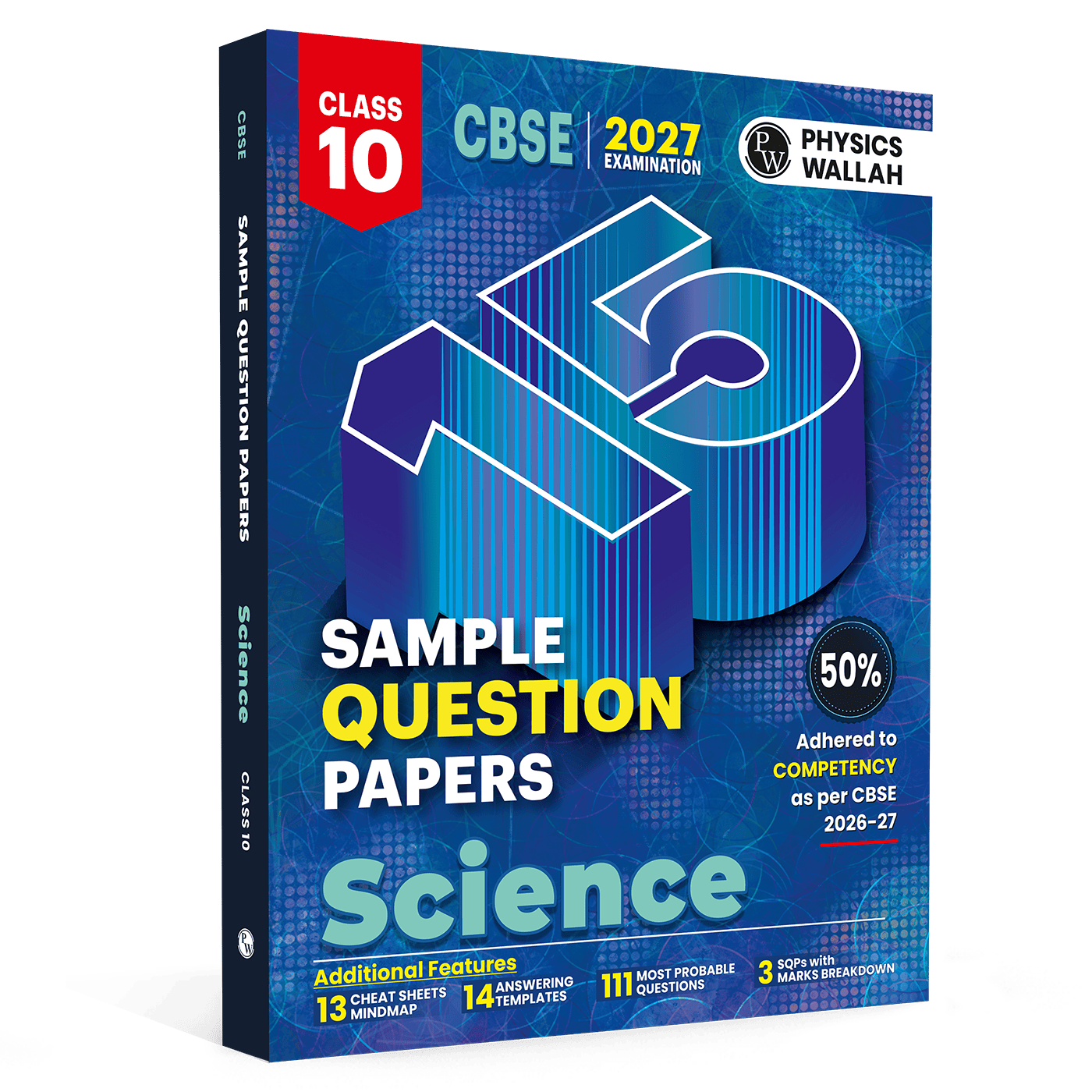
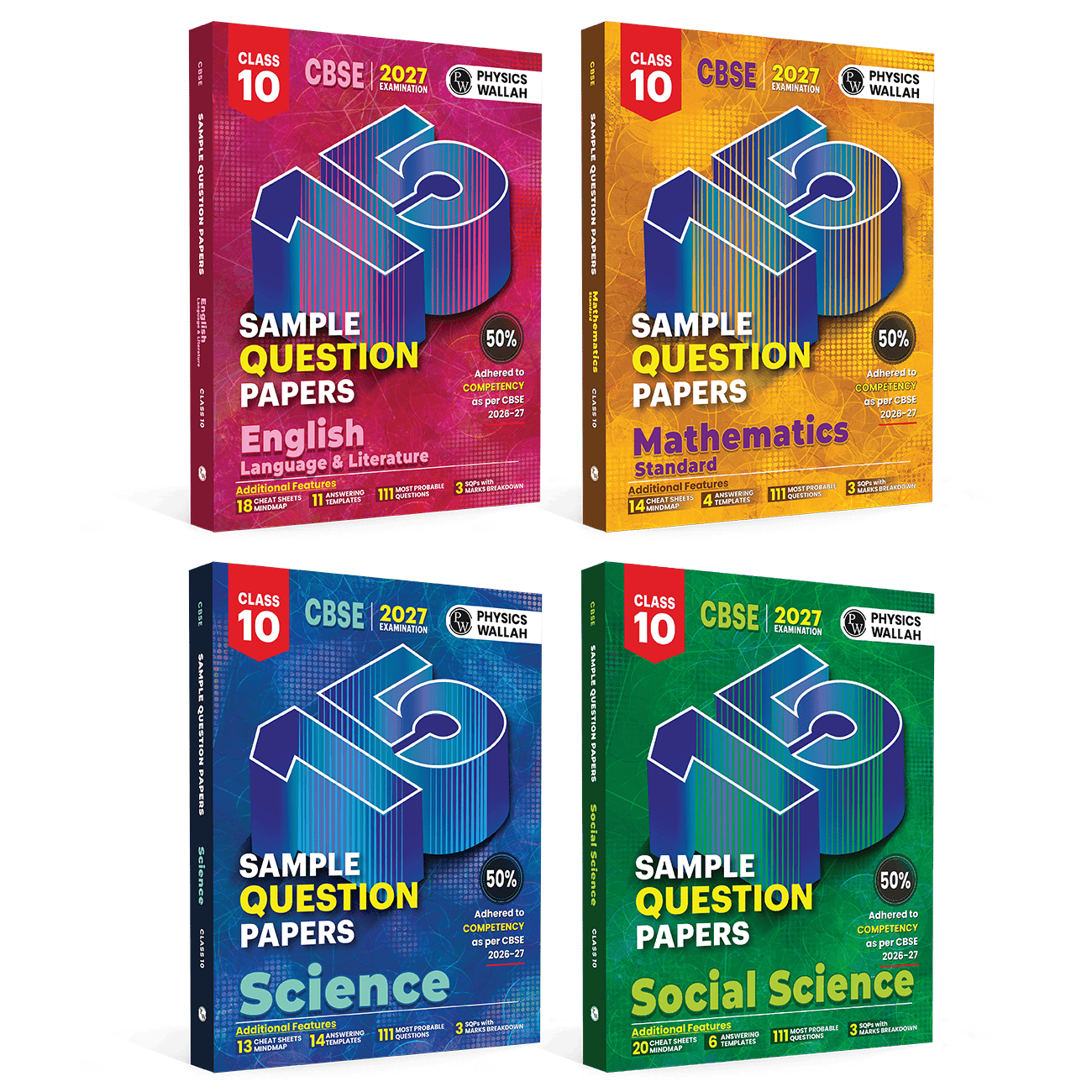
15 CBSE Class 10 Science Sample Papers: Solve 15 complete sample papers based on the latest CBSE exam pattern and practise different types of Science questions.
-
CBSE Past 5 Years' Trend Analysis: Review important question trends from the past five years, along with solved papers from 2024 and 2025.
-
13 Cheat Sheets & Mind Maps: Quickly revise important concepts, diagrams, formulas, and key points before tests and exams.
-
111 Most Probable Questions: Practise 111 selected questions covering important and exam-focused Science topics.
-
CBSE Marking Scheme & Topper's Answers: Understand how answers are checked and learn how to present points clearly.
-
Level-Wise Sample Papers: Start with easier questions and move towards higher-level questions to build confidence.
-
14 Answering Templates: Learn useful ways to structure different Science answers, including explanation-based and diagram-based questions.
-
Practice Question Booklets: Get extra questions for chapter-wise revision and repeated practice.
-
Marking Stickers for Self-Review: Track your practice performance and identify areas that need more revision.
-
Mistake 101 & Key Takeaways: Identify common exam mistakes and remember important tips while writing answers.
-
Updated Board Exam Guidance: Prepare according to the updated CBSE board exam guidance, including the Two-Exam Policy 2026.
How Can You Use PYQs for Class 10 Carbon and Its Compounds Questions?
Previous-year questions are useful because they show students how concepts have been tested in actual exams. Solving Class 10 Carbon and Its Compounds PYQs can also help students identify topics that need more attention.
While solving PYQs, students should:
-
Mark questions related to carbon bonding and functional groups.
-
Practise important reactions without looking at the answer.
-
Revise structures that appear repeatedly in different question formats.
-
Check whether chemical equations are balanced correctly.
-
Write answers within the required length and include important points.
-
Solve questions with a timer to improve speed.
After completing a CBSE Class 10 PYQ set, students should spend some time checking their mistakes instead of immediately moving to another paper.
How Can Solutions Help With Class 10 Carbon and Its Compounds Questions?
Sometimes students get an answer wrong but do not understand where they made the mistake. Carbon compounds questions with solutions can help them compare their approach with a step-by-step answer.
Solutions are especially useful for checking:
-
Whether the correct structure has been drawn.
-
Whether the compound has been named correctly.
-
Whether the right functional group has been identified.
-
Whether the chemical equation is balanced.
-
Whether the required reaction condition has been mentioned.
-
Whether all important points are included in a theory answer.
Students should first attempt each question independently. They can then use the solution to identify and correct their mistakes.
How to Revise Class 10 Carbon and Its Compounds Questions Before the Exam?
Keep the final revision focused. First, revise carbon's properties and covalent bonding. Next, practise structures, functional groups, and nomenclature. After that, revise the important reactions of hydrocarbons, ethanol, and ethanoic acid.
Finally, solve Class 10 Carbon and Its Compounds Questions from PYQs and sample papers under a time limit. Check every incorrect answer and revise the related concept.
This approach, along with regular practice using CBSE Class 10 Books, helps students strengthen their understanding while improving accuracy and exam speed.
What Mistakes Should You Avoid in Class 10 Carbon and Its Compounds Questions?
Students can lose marks in this chapter because of small errors. Some common mistakes include:
-
Drawing an incorrect carbon chain.
-
Confusing saturated and unsaturated compounds.
-
Mixing up functional groups.
-
Forgetting conditions needed for a reaction.
-
Writing an incomplete chemical equation.
-
Making mistakes while naming compounds.
-
Giving incomplete explanations for the cleansing action of soap.
A quick review of these mistakes before the exam can help prevent avoidable loss of marks.
Class 10 Carbon and Its Compounds Questions FAQs
What are the most important topics in Class 10 Carbon and Its Compounds Questions?
Focus on carbon's tetravalency and catenation, covalent bonding, hydrocarbons, homologous series, functional groups, important reactions, ethanol, ethanoic acid, and the cleansing action of soaps and detergents.
How can practising Class 10 Carbon and Its Compounds Questions improve board scores?
Regular practice helps students remember structures and reactions, improve answer-writing speed, and reduce mistakes in chemical equations and diagrams.
Where can students find reliable carbon compounds important questions for revision?
Students can use CBSE-based question banks, sample papers, practice sets, and previous-year papers. These resources provide different question types for regular chapter revision.
Are structural formula questions common in Class 10 Carbon and Its Compounds Questions?
Yes. Students should practise drawing structural and electron-dot structures, identifying functional groups, and representing different carbon chains.
Why are Class 10 Carbon and Its Compounds PYQs important for exam preparation?
PYQs help students understand how the chapter is tested, practise common question formats, and identify concepts that require more revision.