CBSE Class 10 English Sample Paper: How to Manage Time in the Exam?
Many students find themselves spending too much time decoding unseen passages or drafting formal letters, leaving little time for literature questions at the end. This struggle with time control can lead to incomplete answers and lost marks despite knowing the subject well.
To overcome this hurdle, structured practice is essential. Utilizing CBSE Class 10 English sample papers enables learners to simulate real test conditions, refine their pacing, and approach every section with clarity and composure.
What Are CBSE Class 10 English Sample Papers?
These educational tools are structured question sets designed strictly according to the latest board examination format. They mirror the actual paper layout, including reading comprehension, grammar, creative writing skills, and literature.
Using CBSE class 10 English sample papers provides students with a realistic preview of the question types, marking distribution, and overall difficulty they will encounter.
Key features included in modern sample paper sets:
-
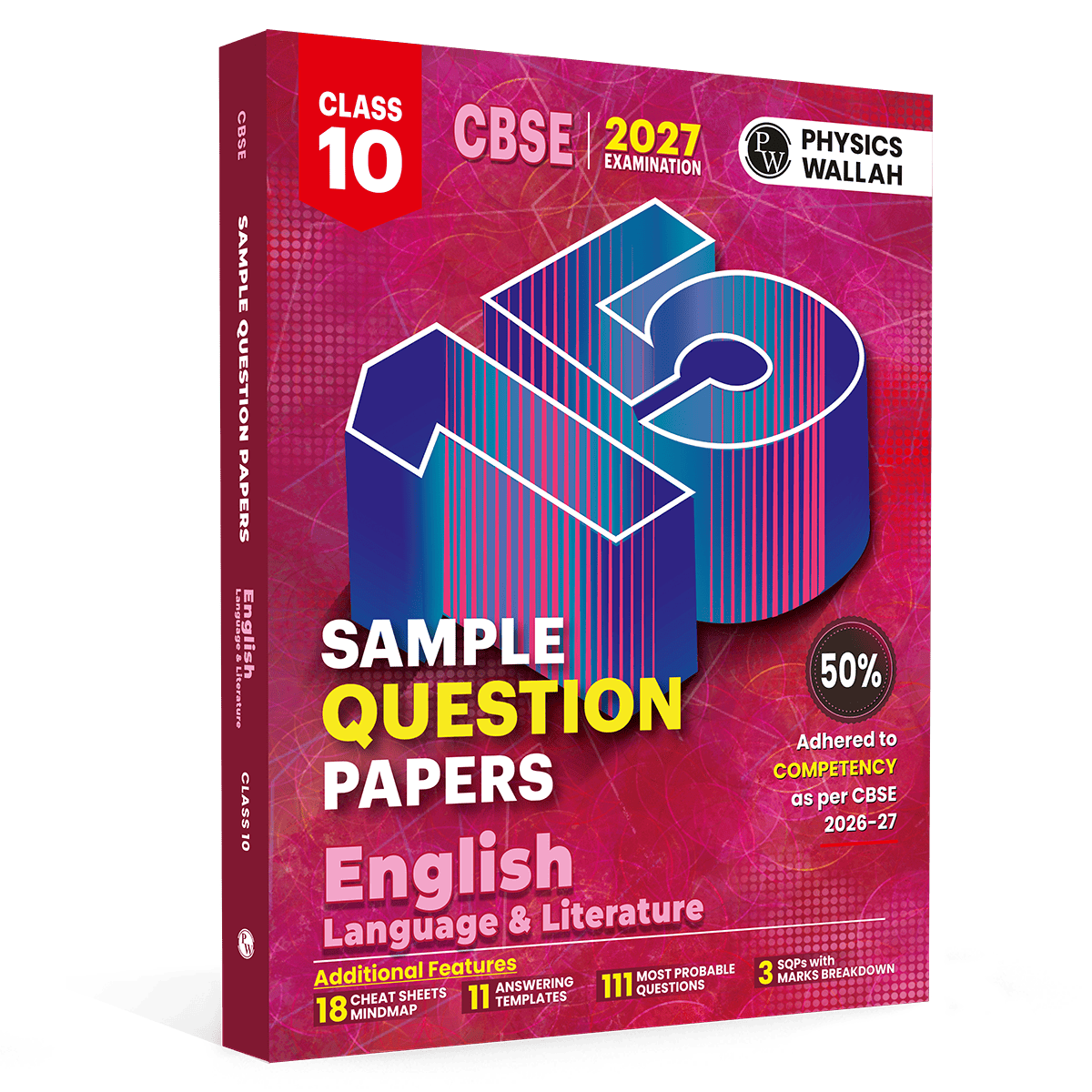
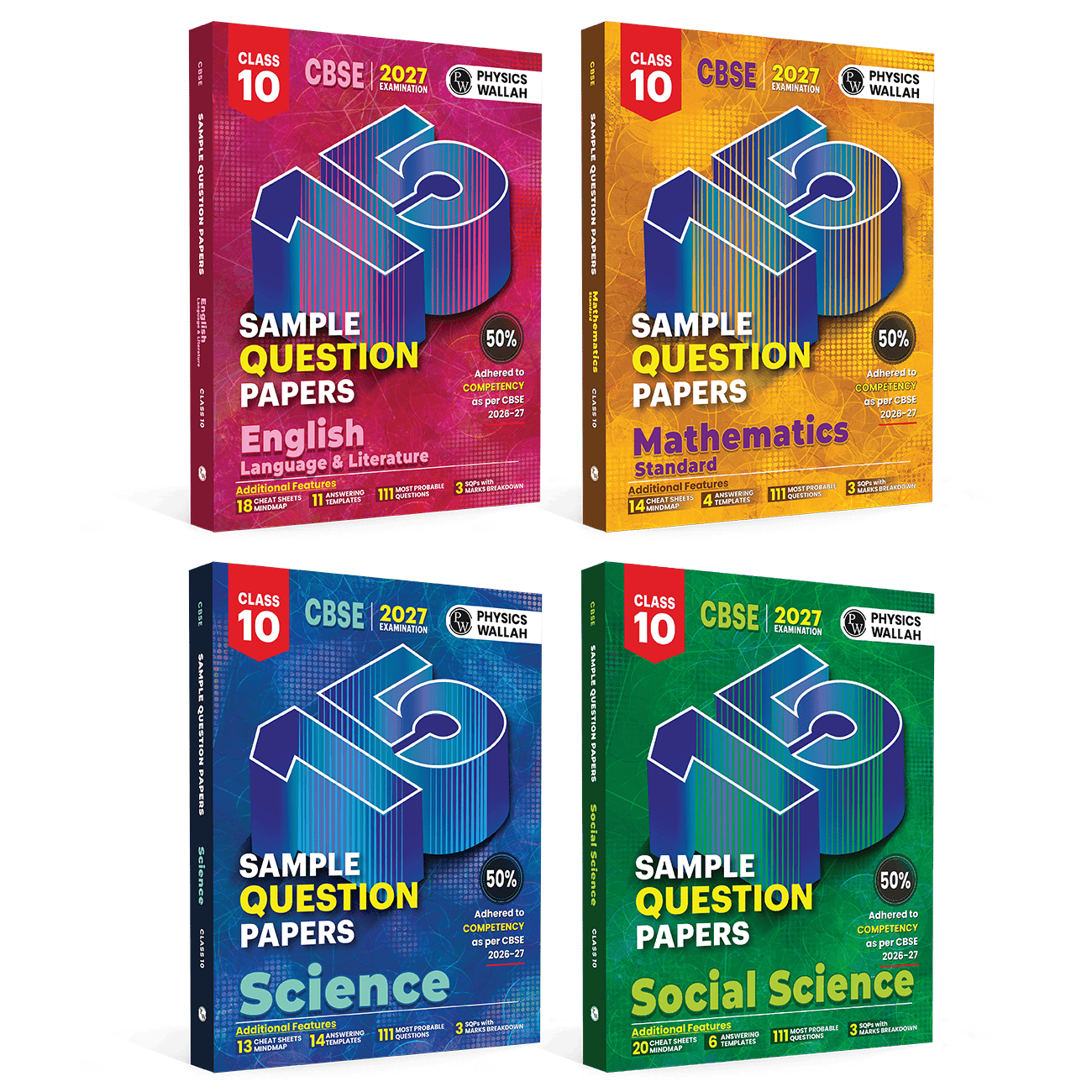
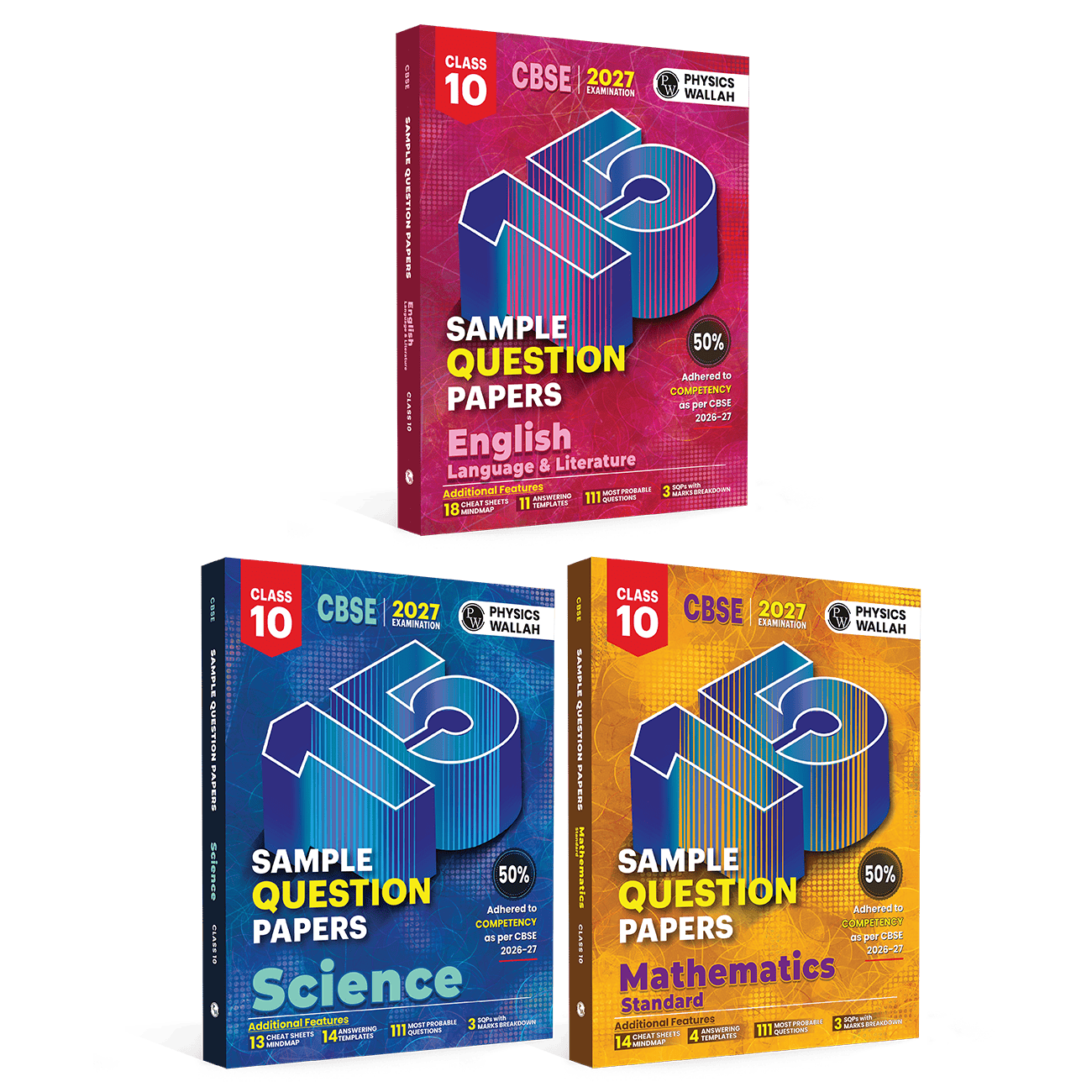
15 Board-Style Sample Question Papers: Built to reflect the current board pattern for extensive drill work.
-
Trend Analysis: CBSE past 5 years' trend analysis alongside solved papers from 2024 and 2025 to track recurring themes.
-
Revision Resources: 18 cheat sheets and mind maps to quickly review grammar rules, literature points, and main concepts.
-
Targeted Practice: 111 most probable questions focusing on essential, exam-relevant topics.
-
Evaluation Tools: Marking schemes, topper explanations, step-wise marking guidance, and 11 answering templates.
-
Updated Policy Alignment: Complete coverage aligned with the CBSE two-exam policy 2026 format.
How Can CBSE Class 10 English Sample Papers Help You Manage Exam Time?
Attempting a class 10 English practice paper under timed conditions gives immediate feedback on writing speed and analytical efficiency. Regular practice helps transition from passive reading to active time regulation.
Here is how systematic practice improves timing:
-
Establishes Section-Wise Limits: Solved papers teach you to set strict time boundaries for reading, writing, and literature sections.
-
Improves Speed in Comprehension: Repeatedly solving unseen passages trains your brain to locate answers faster without re-reading the text multiple times.
-
Enhances Writing Structure: Using structured practice helps you apply predefined answer structures, cutting down thinking time during formal letters or analytical paragraphs.
-
Reduces Exam Anxiety: Familiarity with the CBSE Class 10 sample paper structure prevents panic, allowing smooth transitions between questions.
Which Sections Should You Attempt First in CBSE Class 10 English Sample Papers?
Deciding the order of attempt can significantly impact overall momentum during the first term assessment. While every student has individual strengths, a strategic approach ensures high-value questions are answered before fatigue sets in.
The Recommended Order of Attempt
-
Section A (Reading Skills): Attempt this first during your peak focus period. Unseen passages require sharp comprehension and close evaluation.
-
Section B (Grammar and Creative Writing): Move to grammar next while your mind is active, as these short questions offer quick marks. Follow immediately with creative writing tasks using standard layouts.
-
Section C (Literature): Finish with literature. Since you are already familiar with the textbook chapters and character sketches, writing these answers requires less analytical decoding and flows smoothly.
Study Strategy Plan with CBSE Class 10 English Sample Papers
To achieve complete readiness, a structured preparation schedule must be implemented well before the examination session begins. Using CBSE Class 10 Books alongside consistent practice and focused review ensures steady progress in both accuracy and speed.
|
Week / Phase |
Strategic Focus |
Primary Activity |
|
Phase 1: Concept & Trend Mapping |
Syllabus Review & Mind Maps |
Study 18 cheat sheets and mind maps to revise key grammar rules and literature summaries. Analyze past 5 years' question trends. |
|
Phase 2: Targeted Skill Building |
Practice Booklets & Question Banks |
Solve 111 most probable questions across reading, writing, and literature. Use 11 answering templates to practice answer presentation. |
|
Phase 3: Level-Wise Testing |
Untimed Sample Papers |
Work through level-wise sample papers to build baseline accuracy and understand marking schemes. |
|
Phase 4: Full-Length Timed Mocks |
15 Board-Style Papers |
Complete full 3-hour tests using CBSE class 10 English sample papers. Use marking stickers to track overall progress and identify weak areas. |
Tips to Save Time While Solving CBSE Class 10 English Sample Papers
Implementing specific tactics during practice sessions ensures that speed does not come at the expense of quality. Thorough CBSE English exam preparation involves mastering these practical micro-strategies:
-
Use Reading Time Wisely: Spend the initial 15 minutes skimming unseen passages and underlying critical keywords in the questions.
-
Avoid Over-writing: Stick strictly to word limits in the writing section to save time for literature questions.
-
Identify Common Pitfalls: Utilize dedicated resources like Mistake 101 guides to learn common errors and avoid re-writing answers.
-
Leverage Answering Templates: Memorise standard formats for formal letters and analytical reports using pre-designed answer structures.
-
Track Marks vs. Minutes: Aim for a 1.5-minute per mark ratio, leaving 10 to 15 minutes at the end for thorough revision.
Read More: NCERT Solutions for Class 10 English
CBSE Class 10 English Sample Papers FAQs
How many sample papers should I solve before the exam?
Solving around 15 full-length board-style sample papers provides sufficient exposure to varied difficulty levels, time management tactics, and question patterns.
Is it better to solve sample papers section by section or all at once?
Begin by solving individual sections to build accuracy, then transition to full 3-hour untimed and timed mock sessions for real exam stamina.
How do sample papers help with the latest CBSE board updates?
Quality sample paper collections incorporate updated formats, such as the two-exam policy 2026 guidelines, keeping your prep aligned with official requirements.
How do mind maps help in saving time during revision?
Mind maps and cheat sheets condense long literature chapters and grammar rules into visual points, allowing quick last-minute reviews without reading full textbooks.
Where can I learn correct answer structuring for high marks?
Studying topper explanations, official marking schemes, and standard answering templates shows exactly how to format answers for maximum step-wise marks.