CBSE Class 10 Maths Sample Papers: How to Analyse Your Marks?

Students sitting in classrooms during the first term session often face an overwhelming amount of revision material. Sitting down to solve full-length questions feels like a daunting task when marks fail to reflect the actual effort put in during daily study hours.
Many students struggle to bridge the gap between knowing a formula and executing a clean, error-free answer under timed conditions. Solving CBSE Class 10 Maths sample papers provides a practical baseline, but the real improvement happens when you carefully evaluate your draft attempts.
Proper post-test analysis reveals structural gaps in speed and step accuracy early in the academic year.
What Are CBSE Class 10 Maths Sample Papers?
These practice sets are structured question papers modelled directly on the official board patterns, marking schemes, and question typologies. They feature a mix of multiple-choice questions, short-answer problems, long structured derivations, and real-world case studies designed to test conceptual clarity.
Using a dedicated CBSE class 10 Maths sample paper allows students during their first term session to experience genuine test environments at home. Standard practice sets include:
-
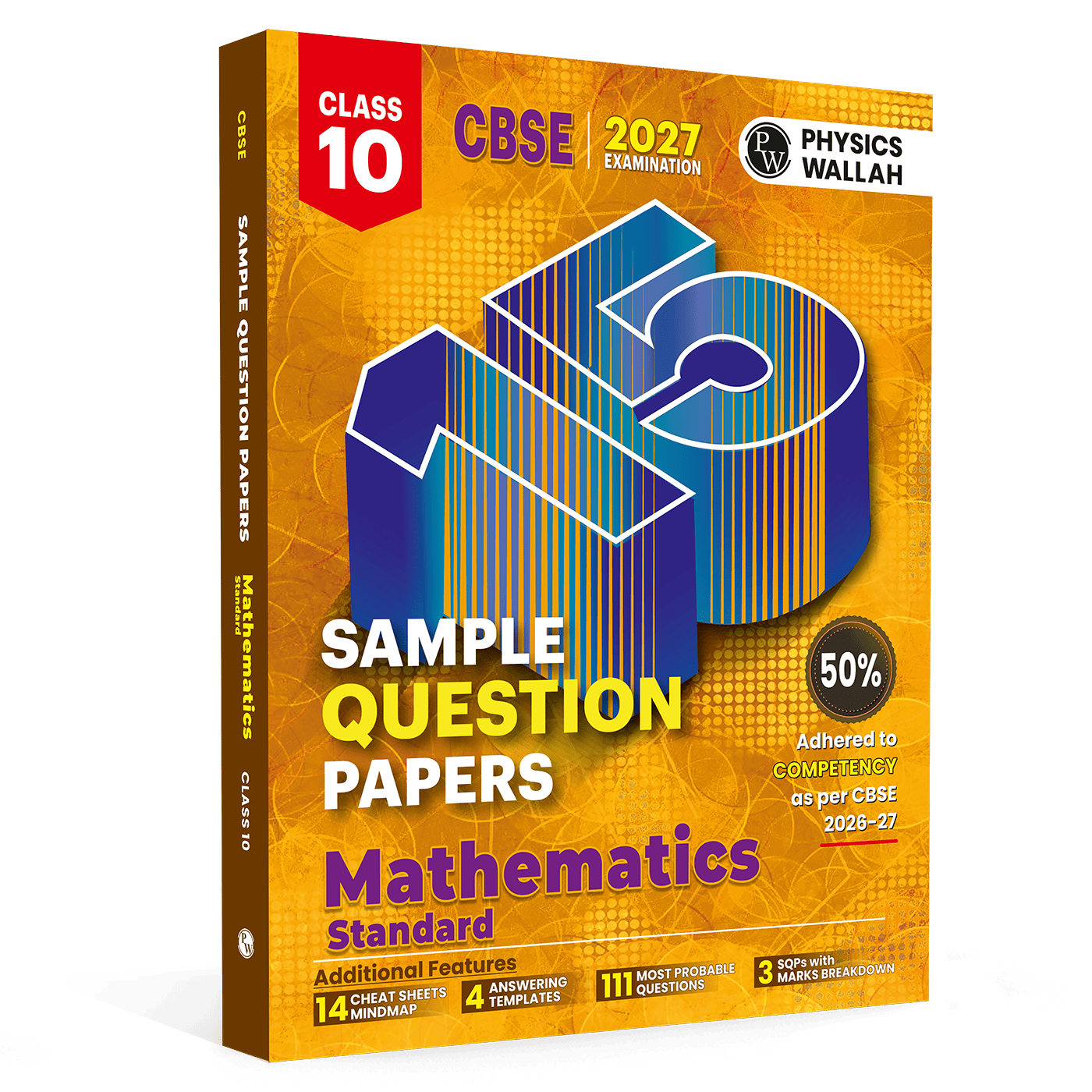
Board-Style Question Formats: Includes 15 sample question papers tailored to align with current testing standards and structural rules.
-
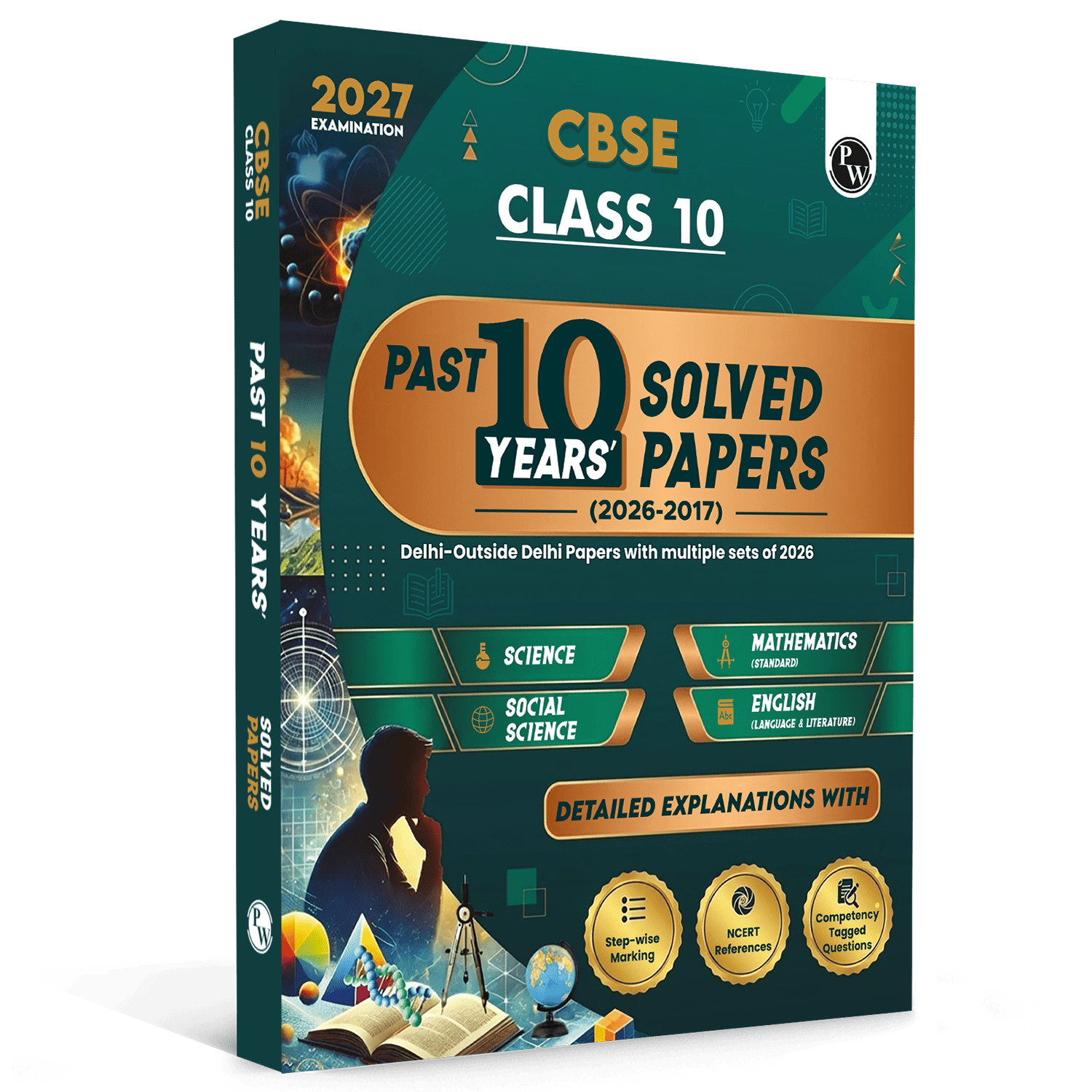
Trend Analysis Insights: Context based on past 5 years' trend analysis with solved papers to highlight high-priority topics.
-
Revision Aids: Quick revision tools such as 14 cheat sheets alongside 111 most probable questions for rapid review.
-
Answering Frameworks: Level-wise papers equipped with 4 answering templates and practice question booklets to structure clear responses.
How Can CBSE Class 10 Maths Sample Papers Help You Analyse Your Marks?
Evaluating your scores is about discovering why a mark was deducted rather than just tallying total points. When working through CBSE class 10 Maths sample papers, systematically checking your work breaks down performance into clear categories.
-
Isolating Conceptual vs Execution Errors: Detailed answer keys help you determine if an error stemmed from forgetting a theorem or making a basic arithmetic slip during calculation.
-
Understanding Step-Wise Marking: Official marking schemes show how marks are distributed across individual steps, highlighting the importance of writing out intermediate working cleanly.
-
Improving Speed and Accuracy: Self-assessment tools such as marking stickers let you track your solving speed, helping you balance timing across simple and complex sections.
-
Adapting to Assessment Policies: Updated materials account for modern policies like the CBSE two-exam policy, keeping your preparation aligned with official guidelines.
Which Areas Should You Check After Solving CBSE Class 10 Maths Sample Papers?
Once you finish a test paper, the most critical step is running a thorough performance review. Reviewing CBSE class 10 sample papers requires a methodical approach across distinct areas:
-
Accuracy in Formula Application: Check whether formulas were stated correctly and applied with the appropriate units and signs.
-
Adherence to Marking Schemes: Cross-reference your step-by-step layout against official step-wise solutions to ensure no essential steps were skipped.
-
Time Allocation Per Section: Review how much time you spent on 1-mark objective questions compared to multi-step 5-mark long answers.
-
Recurring Calculation Slips: Identify common execution traps using resources like dedicated mistake guides to spot recurring calculation slips.
|
Evaluation Focus Area |
Key Review Checklist |
Ideal Outcome |
|
Conceptual Clarity |
Check applied theorems and basic assumptions. |
Zero conceptual errors in standard problems. |
|
Presentation & Steps |
Compare solution layout against step-wise keys. |
Full step-marks retained even if final answer slips. |
|
Time Management |
Track time spent per section against recommended limits. |
Complete paper with 15 minutes left for review. |
|
Error Log |
Record recurring calculation or sign errors. |
Noticeable drop in repetitive mistakes over time. |
Study Strategy with CBSE Class 10 Maths Sample Papers
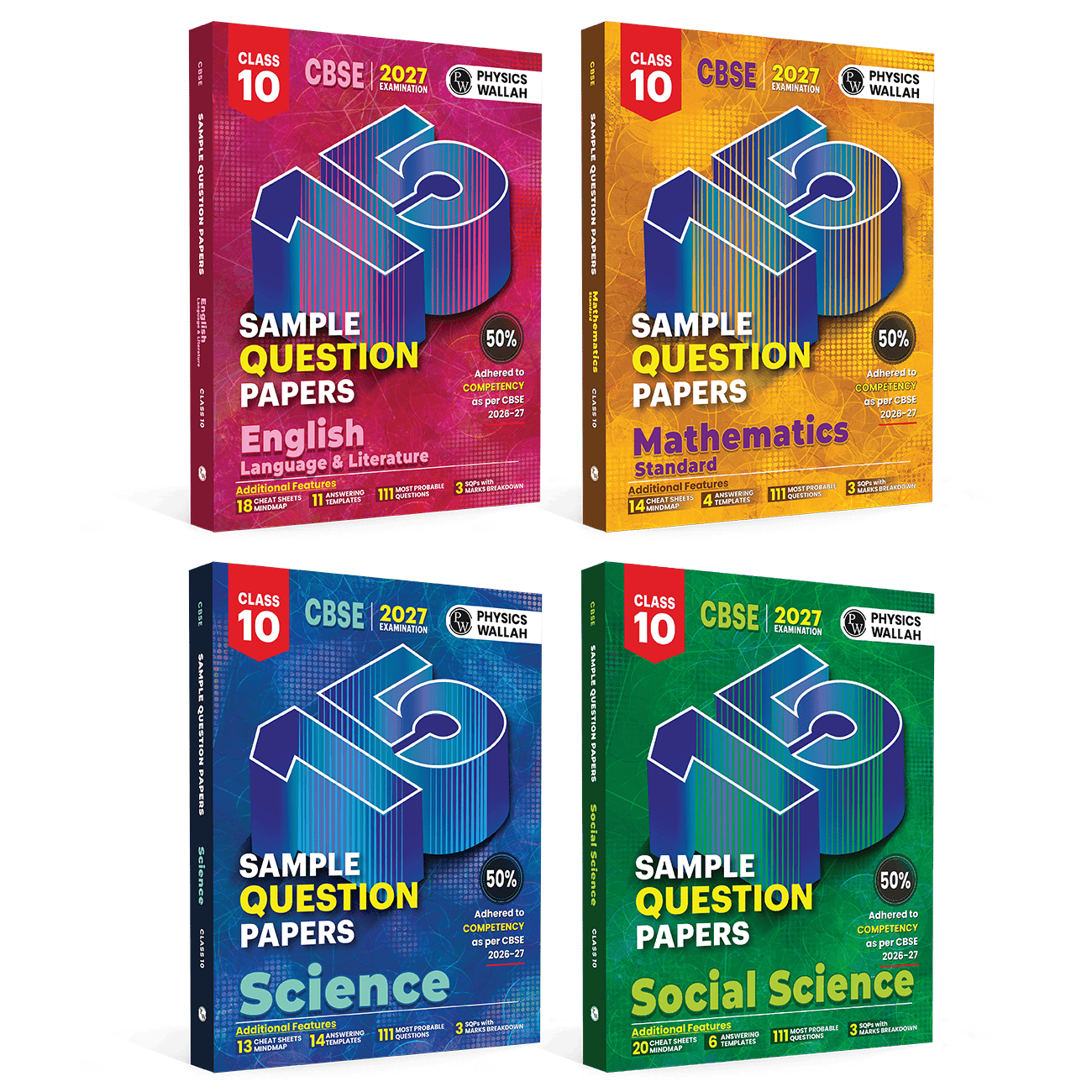
To build consistent momentum during the first term session, integrate structured practice into your regular weekly study schedule. Using class 10 Maths practice papers alongside your core textbooks ensures steady progress. The CBSE Class 10 Sample Papers Combo of 4 Books 2027 can further support regular practice and help students become familiar with different question patterns.
-
Phase 1 - Topic Warm-Up: Review key formulas and conceptual summaries using chapter cheat sheets before attempting a paper.
-
Phase 2 - Timed Attempt: Sit in a quiet environment and complete the practice set within the official 3-hour limit without checking solutions.
-
Phase 3 - Strict Self-Evaluation: Grade your draft using official marking schemes and step-wise solutions.
-
Phase 4 - Targeted Revision: Focus your study time on weak areas highlighted during grading, re-working missed questions until you fully grasp the concepts.
Tips to Track Your Progress with CBSE Class 10 Maths Sample Papers
Tracking performance across multiple test papers gives you a clear, objective view of your academic growth. Regular review with CBSE Maths sample papers and CBSE Class 10 Books helps turn scattered study efforts into a structured routine.
-
Maintain an Error Log: Keep a dedicated notebook to record every lost mark, detailing whether it was caused by a formula slip, misreading the question, or running out of time.
-
Use Self-Assessment Tools: Apply physical marking stickers or visual progress trackers to monitor score trends across successive practice tests.
-
Work Through Most Probable Questions: Focus extra practice time on a curated list of high-priority questions to strengthen core concepts.
-
Re-Attempt Weak Test Sets: Re-solve papers where you scored below your target after a few days to verify that you have corrected your past mistakes.
Common Mistakes to Avoid While Analysing CBSE Class 10 Maths Sample Papers
Many students complete practice sets but miss out on real score improvements because they skip proper post-test evaluation. Effective class 10 Maths preparation requires avoiding these common review pitfalls:
-
Glancing Over Solutions Without Writing Them Out: Simply reading through an answer key creates a false sense of security. Always re-work incorrect problems completely by hand.
-
Ignoring Step-Marking Guidelines: Focusing only on the final answer leads to missed step-marks. CBSE marking rewards logical, well-structured intermediate steps.
-
Overlooking Time Breakdown: Failing to track time spent on individual sections can leave you unprepared for real CBSE Maths board exam conditions.
-
Neglecting Past Exam Trends: Practicing random questions without consulting past 5 years' trend analysis can cause you to spend too much time on low-priority topics.
Read More: CBSE Class 10 Sample Papers 2026-27: Subject-Wise PDF & Solutions
CBSE Class 10 Maths Sample Papers FAQs
How often should I solve CBSE class 10 Maths sample papers during term one?
Solving one full-length paper per week during the first term session allows enough time for deep analysis and targeted concept revision before moving to the next set.
What is the best way to analyse my marks on a CBSE class 10 Maths sample paper?
Compare your written steps against official step-wise solutions, log lost marks in an error notebook, and classify mistakes into conceptual, calculation, or time-management categories.
Can solving class 10 Maths practice papers help improve my speed?
Yes, attempting papers under strict 3-hour timed conditions builds pacing awareness and helps you allocate time effectively across different question sections.
Why should I care about step-marking when using CBSE Maths sample papers?
CBSE awards marks for correct intermediate steps and formula applications. Checking step-wise solutions ensures you present full, structured working to secure every available point.