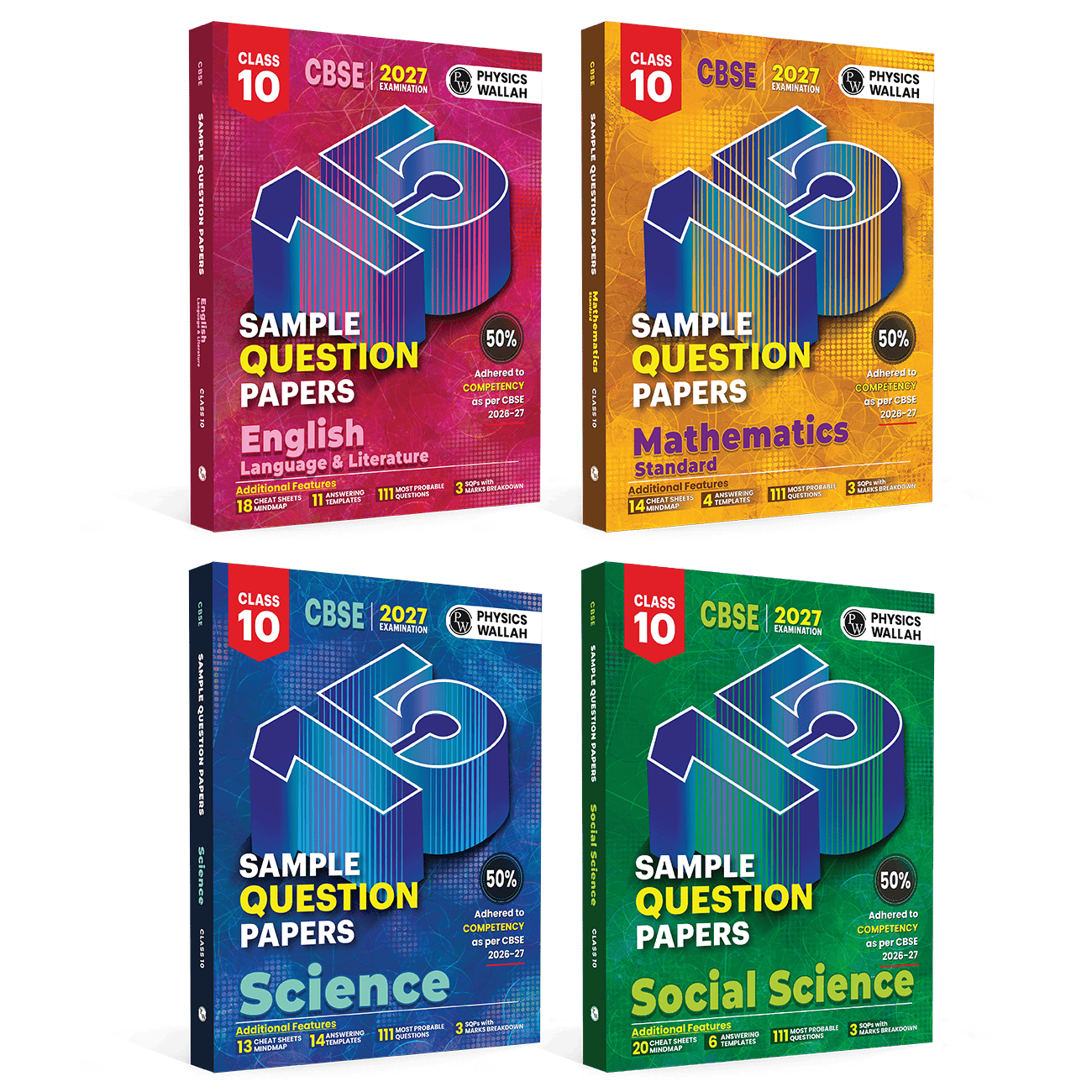
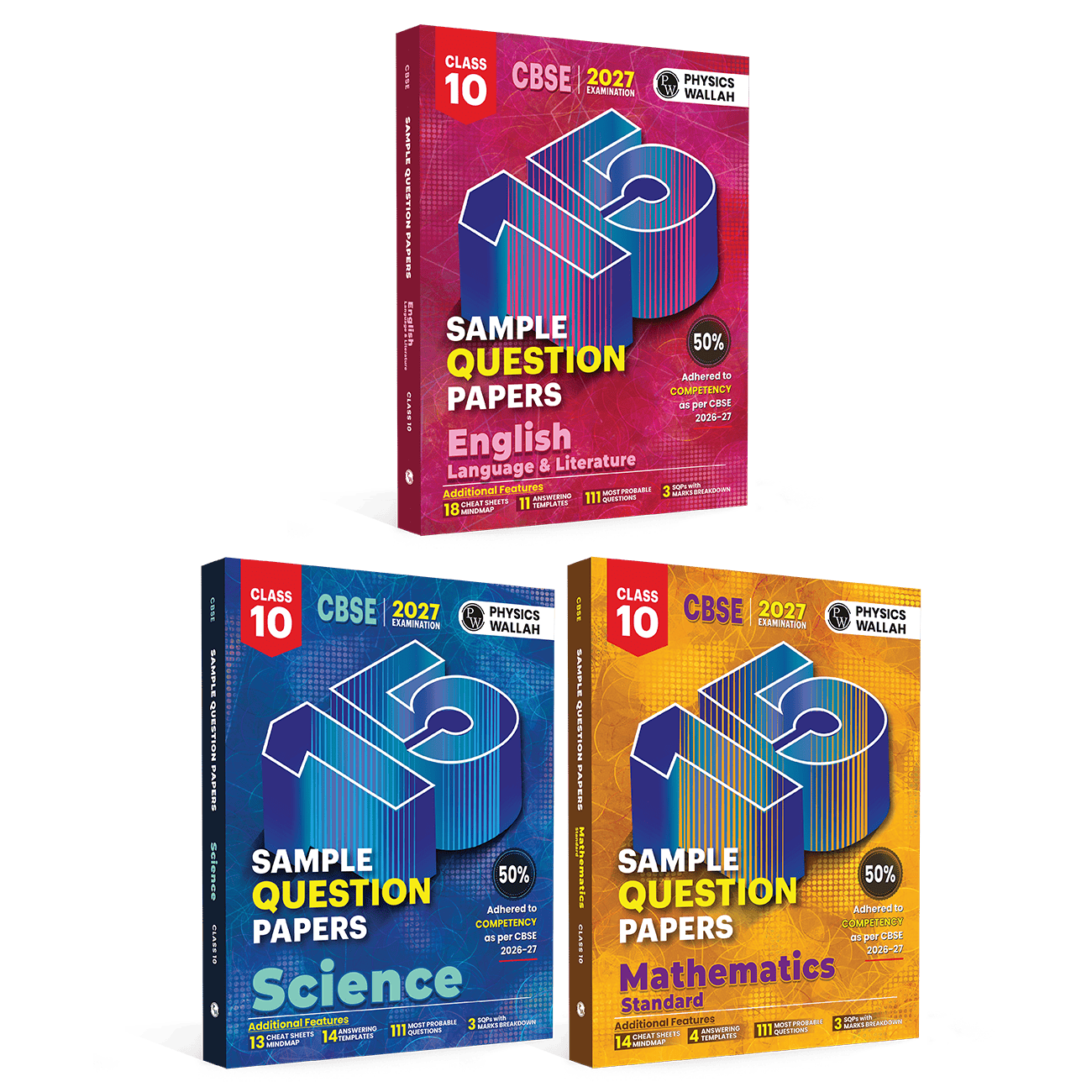
CBSE Class 10 Sample Papers 2026-27 for Most Expected Questions
Many students find themselves overwhelmed by the sheer volume of chapters in Science, Mathematics, Social Science, and English. Reading textbooks repeatedly gives a false sense of preparedness, but sitting in front of a real question paper often triggers self-doubt.
You might wonder which concepts carry the highest weightage, how examiners award step marks, or how to manage time across different sections. Mastering exam strategy early in the session using authentic CBSE class 10 sample papers helps turn academic stress into structured performance.
Overview of CBSE Class 10 Sample Papers
Building a solid foundation during the first term requires direct exposure to board-level evaluation standards. High-quality sample paper sets serve as an essential simulation tool, replicating the exact length, question distribution, and analytical depth required by the Central Board of Secondary Education.
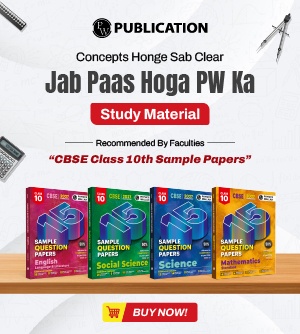
A standard reference set includes 15 fully solved model papers crafted according to the latest blueprint. These papers cover core subjects including Mathematics Standard, Science, Social Science, and English. Instead of offering basic question banks, comprehensive practice sets incorporate multi-dimensional revision tools:
-
Past 5 Years Trend Analysis: Examines structural shifts in board papers from previous cycles (including 2024 and 2025 solved sets) so you can spot recurring themes.
-
Quick Revision Cheat Sheets: Synthesises entire chapters into visual mind maps for rapid memory retrieval before school exams.
-
Step-Wise Marking Explanations: Breaks down topper-level response techniques using official marking schemes.
-
Mistake 101 Guidelines: Highlights common error traps, conceptual slips, and phrasing errors to avoid during answer writing.
-
Level-Wise Question Sets: Organises practice papers by difficulty, allowing a progressive transition from basic concepts to advanced application.
-
CBSE Policy Updates: Aligns all practice material with the CBSE Two-Exam Policy 2026, preparing candidates thoroughly for the primary board series.
Which Questions Can You Expect in CBSE Class 10 Sample Papers 2026-27
Understanding the exact pattern of questions prevents surprises in the examination hall. The current curriculum framework places heavy emphasis on critical thinking, real-world application, and analytical reasoning over simple memorisation. Solving CBSE Class 10 Sample Papers Combo of 4 Books 2027 exposes you directly to these modern question types:
1. Competency and Application-Based Questions
These items test whether you can apply textbook formulas or scientific laws to practical situations. They account for nearly half of the total marks in subjects like Mathematics and Science.
-
Mathematics: Real-world word problems using trigonometry, surface area calculations for daily objects, or quadratic equations derived from speed-time scenarios.
-
Science: Practical experiment setups, circuit diagram evaluations, chemical reaction observations, and biological process predictions.
2. Case-Based and Source-Based Extracts
Case-based items present a paragraph, data table, or historical excerpt followed by 3 to 4 sub-questions.
-
Social Science: Passages from historic speeches, statistical data on agricultural output, or map extracts requiring spatial analysis.
-
English: Unseen literary extracts or factual passages that assess reading comprehension, vocabulary, and contextual inference.
3. Assertion-Reason and Objective MCQs
Multiple-choice questions form the opening section of board papers. Assertion-Reason questions specifically test cause-and-effect relationships between two statements, demanding precise conceptual clarity.
4. Structured Short and Long Answer Items
Conventional subjective questions test your ability to build logical arguments.
-
2-Mark & 3-Mark Questions: Require brief, point-wise answers with relevant chemical equations, mathematical steps, or historical facts.
-
5-Mark Questions: Demand detailed derivations, structured essays, or multi-step calculations with clear statements.
How to Use CBSE Class 10 Sample Papers to Practise Expected Questions
Owning quality study material is only the first step; using it correctly determines your score improvement. Randomly solving questions without a plan rarely yields top marks. Follow this systematic approach to maximize your practice sessions:
-
Complete Chapter-Wise Preparation First: Finish your school syllabus or NCERT units before attempting full-length papers.
-
Set Up a Distraction-Free Environment: Sit at a desk with proper lighting, away from phones or television, to simulate realistic examination conditions.
-
Strictly Time Your Practice: Limit your writing time to exactly 3 hours. Dedicate the initial 15 minutes exclusively to reading the paper and selecting internal choices.
-
Write Complete, Formal Answers: Avoid writing shorthand or partial calculations on rough paper. Write full sentences, label diagrams neatly, and show every step in numerical problems.
-
Self-Evaluate Using Official Marking Schemes: Compare your written copy against step-wise solutions. Award marks only when your response matches the required points, keywords, or mathematical steps.
-
Maintain an Error Tracking Notebook: Log every mistake, missed keyword, or wrong formula. Review this notebook weekly to prevent repeating the same errors.
When Should You Solve CBSE Class 10 Sample Papers Before the 2027 Board Exam
Timing your preparation with CBSE Class 10 books ensures you build speed and accuracy without feeling burned out. Distributing practice across academic terms keeps your workload manageable.
Starting early in the first term allows you to identify academic gaps while teachers are still covering initial topics. Utilizing CBSE Class 10 books along with a Class 10 sample paper 2027 set during the mid-session ensures you transition smoothly from unit tests to comprehensive mock tests.
Study Strategy Plan with CBSE Class 10 Sample Papers
Integrating model papers into your daily schedule requires a balanced routine. Here is a weekly study plan designed to improve concept retention and test performance during the term:
Monday & Tuesday: Subject Deep-Dive & Cheat Sheet Revision
Spend 2 hours reviewing core theory from NCERT textbooks. Use mind maps and summary sheets to consolidate key definitions, scientific laws, and historical dates.
Wednesday & Thursday: Targeted Question Practice
Solve focused question sets targeting class 10 most expected questions from specific chapters. Practice 10 to 15 competency-based MCQs and 2 case-based questions daily.
Friday: Marking Scheme Analysis
Study topper response sheets and marking guidelines. Observe how keywords are highlighted, how step marks are distributed in calculations, and how analytical paragraphs are structured in English.
Saturday: Full-Length Timed Test
Pick one full paper from your set of CBSE class 10 sample papers. Block 3 hours without breaks and complete the entire paper in one sitting.
Sunday: Error Audit & Performance Tracking
Evaluate your test paper. Identify weak areas, apply diagnostic marking stickers, and re-read textbook sections where you lost marks.
Tips to Find Important Questions in CBSE Class 10 Sample Papers
Not all questions carry equal weight in board examinations. Identifying high-priority topics early gives you a competitive edge.
-
Analyze 5-Year Question Frequency: Look for concepts that appear consistently across multiple sets, such as reflection/refraction ray diagrams, linear equations, or map work.
-
Spot Higher-Order Thinking Skills (HOTS): Pay close attention to multi-concept questions in sample sets. These often combine two separate chapter concepts into a single scenario.
-
Focus on Board Expected Questions: Review curated lists of CBSE class 10 expected questions included in practice modules.
-
Track Marks Weightage per Unit: Cross-reference official curriculum blueprints to ensure you spend more time practicing sample papers for high-weightage chapters.
-
Highlight High-Frequency Formulas and Reactions: List recurring mathematical formulas, balancing equations, and grammar rules that appear repeatedly in practice sets.
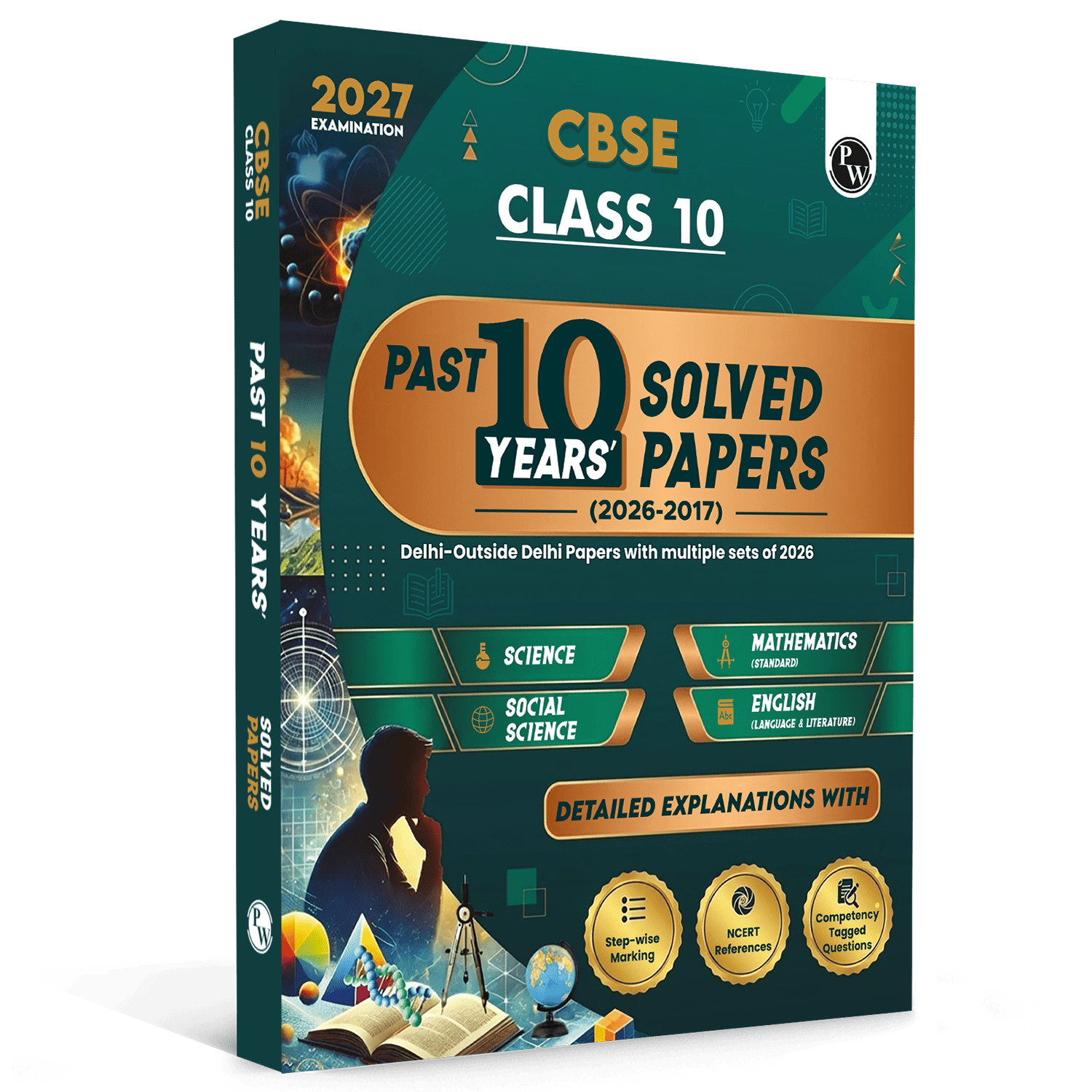
Also Check - CBSE Class 10 PYQs
Common Mistakes to Avoid While Preparing with CBSE Class 10 Sample Papers
Even diligent students lose valuable marks due to poor preparation habits. Recognizing these traps helps you maintain continuous score growth:
-
Treating Sample Papers as Reading Material: Simply reading solutions without writing them out creates a false sense of security. Always write complete answers on paper.
-
Ignoring the Timer: Solving a 3-hour paper over 5 or 6 hours with breaks fails to build required speed and time management skills.
-
Skipping Step-Wise Presentation: Leaving out steps in calculations or omitting units in final answers results in avoidable mark deductions under official marking rules.
-
Neglecting Self-Analysis: Moving to a new paper immediately after finishing one without evaluating mistakes prevents actual score improvement.
-
Overlooking NCERT Prerequisites: Relying solely on practice papers without mastering NCERT exercises leaves fundamental concept gaps unaddressed.
Starting structured practice early in your term builds lasting academic confidence. By incorporating systematic testing, analyzing solutions, and refining answer presentations, you position yourself effectively for success in the CBSE board exam 2027 preparation cycle. Focus on consistency, track your progress meticulously, and turn every mistake into a learning opportunity.
Read More: Latest CBSE Sample Papers for Class 10 All Subjects
CBSE Class 10 Sample Papers FAQs
How many sample papers should I solve for Class 10 board exams?
Solving 10 to 15 comprehensive papers per subject provides adequate exposure to diverse question patterns and improves overall speed.
Are competency-based questions compulsory in the board exam?
Yes, competency-based questions form roughly 50% of the paper, testing practical application and analytical skills.
Do sample paper marks reflect my final board exam performance?
Sample paper scores offer an accurate diagnostic indicator of your current readiness, helping you fix weak areas before the final exam.
How do I manage time across different sections during the exam?
Allocate specific time slots based on section weightage, reserving the final 15 minutes strictly for reviewing your answer sheet.
Why is step-wise marking important in board evaluation?
Examiners award partial credit for correct steps, formulas, and intermediate workings, even if the final numerical calculation contains a minor error.