CBSE Class 10 Science Sample Papers Book: Complete Board Preparation Guide
Preparing for the Class 10 Science board exam can be difficult when students have to manage Physics numericals, Chemistry reactions, Biology concepts, diagrams, and different question types. Reading the textbook is important, but students also need regular practice to understand how questions are asked in the board exam.
A reliable CBSE Class 10 science sample papers book gives students a simple way to practise board-style questions, improve answer writing, check their preparation, and manage exam time. Solving sample papers regularly can also help students find weak topics before the final exam.
What is a CBSE Class 10 Science Sample Papers Book?
Science requires both concept knowledge and practice. Students may understand a chapter but still find it difficult to apply the concept to numerical, case-based, or long-answer questions. A good Class 10 science sample papers book helps students practise all these areas in one place.
It helps them understand the exam pattern, practise Physics, Chemistry, and Biology questions, improve answer writing, identify weak topics, and build confidence. Students should also check their mistakes after every test, as this turns each sample paper into a useful learning exercise.
Features of CBSE Class 10 Science Sample Papers Book
These features can make Science preparation more organised and focused. Students can use the book for full-paper practice, quick revision, answer-writing practice, and self-assessment.
-
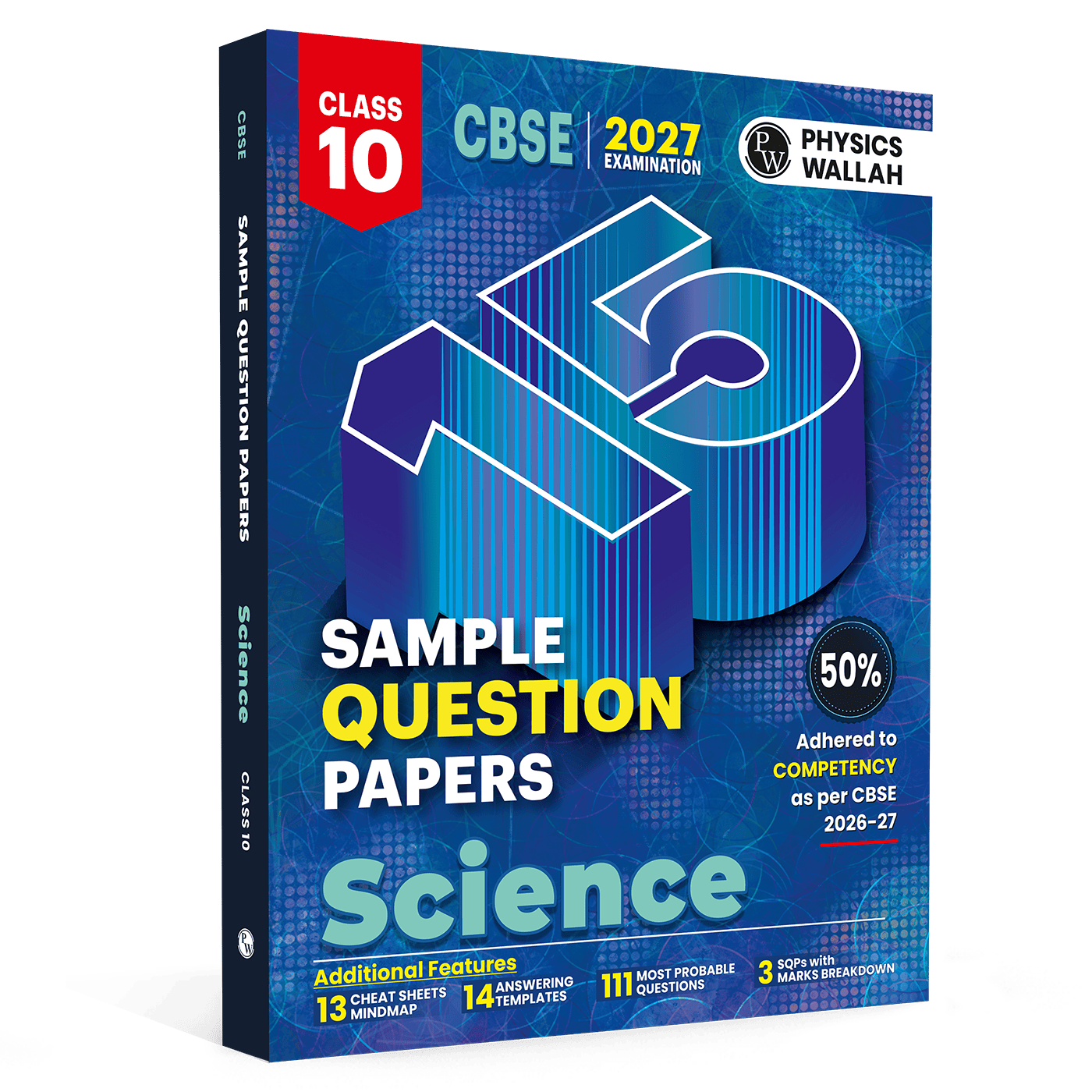
15 Full-Length Science Papers: Solve 15 complete papers to practise the latest CBSE Class 10 Science question format.
-
5-Year Exam Trend Study: Review the past 5 years of exam patterns and question trends, along with solved papers from 2024 and 2025.
-
13 Cheat Sheets & Mind Maps: Revise important concepts, formulas, reactions, diagrams, and key chapter points quickly.
-
111 High-Priority Questions: Practise 111 selected questions to focus on important areas during revision.
-
Learn From Topper's Answers: Understand how high-scoring answers are presented and how the CBSE marking scheme can be followed.
-
Practice by Difficulty Level: Start with easier questions and gradually move to more challenging problems.
-
14 Ready-to-Use Answering Templates: Use different formats to understand how to present Science answers clearly.
-
Extra Practice Booklets: Get additional questions for more practice after completing the main sample papers.
-
Marking Stickers for Progress Checks: Track performance after each paper and identify areas that need more work.
-
Mistake 101 for Better Accuracy: Learn about common mistakes and use the key takeaways to avoid repeating them.
-
Prepared for the 2026 Changes: Keep preparation aligned with the CBSE Two-Exam Policy 2026 and updated board exam guidance.
What Should CBSE Class 10 Science Sample Papers Book Include?
Not every practice book provides the same level of preparation. Students should choose a CBSE Class 10 books that gives a good mix of questions, solutions, revision tools, and exam guidance.
Important features include:
-
Different Question Types: Include MCQs, short-answer questions, long-answer questions, and case-based questions.
-
Different Difficulty Levels: Easy questions help build confidence, while harder questions improve problem-solving skills.
-
Step-Wise Solutions: Solutions should explain how to reach the correct answer.
-
Marking Scheme Support: Students should understand where marks are awarded in different answers.
-
Past Exam Trends: Previous paper analysis can help students understand common question patterns.
-
Science-Specific Practice: The book should include numerical problems, chemical equations, diagrams, definitions, and application-based questions.
A balanced book helps students prepare for both direct textbook questions and questions that require deeper thinking.
How Do CBSE Class 10 Science Sample Papers Books Improve Time Management?
Many students know the answers but struggle to complete the entire paper on time. This happens when they spend too long on difficult questions or write more than necessary.
Solving class 10 science practice papers with a timer can improve speed and help students develop a better exam strategy.
Practise With a Timer
Set a fixed time before starting each full paper. Avoid checking answers or taking long breaks while solving.
Learn When to Move On
If a question is taking too much time, move to the next one and return to it later. This prevents one difficult question from affecting the rest of the paper.
Keep Time for Checking
Try to finish the CBSE class 10 sample paper with some time left for checking. Review calculations, chemical equations, diagrams, units, and unanswered questions.
Improve Answer Length
Science answers should be clear and complete without unnecessary writing. Sample papers help students understand how much detail is suitable for different question types.
How to Use CBSE Class 10 Science Sample Papers Book for Physics, Chemistry and Biology?
Science preparation becomes easier when students understand how to approach each part of the syllabus.
Physics
Focus on numerical problems, formulas, diagrams, definitions, and application-based questions. Show the required steps clearly when solving numerical questions.
Chemistry
Practise chemical equations, reactions, concepts, definitions, and reasoning questions. Make sure equations are balanced and symbols are written correctly.
Biology
Give special attention to diagrams, processes, functions, definitions, and differences between related terms. Practise drawing and labelling important diagrams neatly.
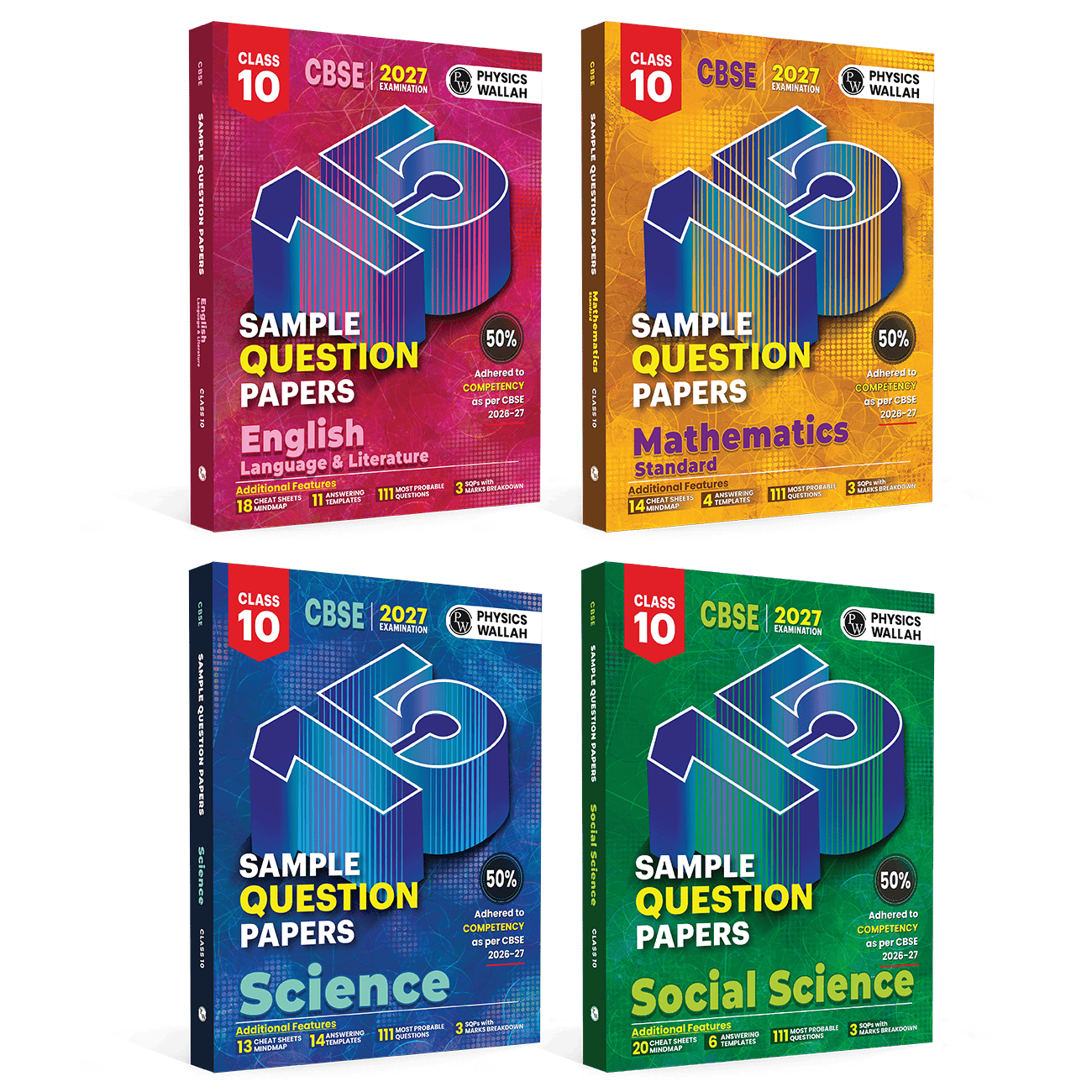
Using CBSE Class 10 Sample Papers Combo of 4 Books 2027 for all three areas helps students understand which topics they can solve quickly and which ones need more revision.
How Do CBSE Class 10 Science Sample Papers Book Help With Revision?
Science has many formulas, reactions, terms, diagrams, and processes to remember. Reading complete chapters again and again may not be practical during the final days.
Cheat sheets and mind maps can help students revise important information quickly.
Students can use them for:
-
Physics formulas
-
Chemistry reactions
-
Biology terms
-
Important diagrams
-
Key definitions
-
Important concepts
-
Common exam mistakes
These resources should support textbook learning, not replace it. Students should first understand a topic and then use short revision material to recall it quickly.
Tips for Using CBSE Class 10 Science Sample Papers Book for Preparation
Simply solving many papers does not guarantee better marks. Students should analyse every paper after completing it.
Follow a simple practice method:
-
Complete the Syllabus: Make sure you understand the main concepts before starting regular full-paper practice.
-
Solve Without Help: Attempt each paper without checking the textbook or solutions.
-
Check Your Answers: Compare every answer with the provided solution and marking guidance.
-
Record Your Mistakes: Note calculation errors, incorrect concepts, missing points, and diagram mistakes.
-
Revise Weak Topics: Go back to the textbook and revise the chapter connected to the mistake.
-
Reattempt Questions: Solve incorrect questions again after revision.
-
Track Your Scores: Compare your marks from one paper to the next.
This process helps students improve instead of simply completing one paper after another.
Common Mistakes to Avoid While Using CBSE Class 10 Science Sample Papers Book
Students can lose marks because of small mistakes even when they know the correct concept. Regular sample paper practice can help identify these problems.
Common mistakes include:
-
Not Reading Questions Properly: Read every question carefully before answering.
-
Missing Important Points: Make sure answers contain the main points needed for the question.
-
Incorrect Chemical Equations: Check formulas, symbols, and balancing.
-
Poor Diagram Labels: Draw neat diagrams and label all required parts.
-
Skipping Steps in Numericals: Show the formula, values, calculation, and final answer where needed.
-
Writing Too Much: Avoid adding unrelated information to simple questions.
-
Ignoring Units: Include correct units in numerical answers.
-
Not Checking the Paper: Use the final few minutes to find unanswered questions and careless mistakes.
A mistake notebook can be useful during the final weeks. Students can review common errors regularly instead of making the same mistakes in every test.
Read More: CBSE Class 10 Sample Papers 2026-27: Subject-Wise PDF & Solutions
CBSE Class 10 Science Sample Papers FAQs
What makes a CBSE Class 10 science sample papers book useful for board preparation?
The CBSE Class 10 science sample papers book provides board-style questions, different difficulty levels, marking guidance, and step-wise solutions. It helps students practise the exam format and find areas that need more revision.
How do class 10 science sample papers improve answer presentation?
Class 10 science sample papers give students regular practice in writing numerical solutions, chemical equations, explanations, and diagram-based answers. Checking solutions also helps students understand how answers should be presented.
Are CBSE 10th science sample papers based on the latest exam pattern?
Good CBSE 10th science sample papers should follow the latest available CBSE pattern and include modern question formats such as objective, application-based, and case-based questions. Students should always check that their study material matches the latest official syllabus and exam guidelines.
Why should I use a class 10 science sample paper book with solutions?
A class 10 science sample paper book with detailed solutions allows students to check not only whether an answer is correct but also whether the method and presentation are appropriate. This makes it easier to understand mistakes and improve future attempts.
How can CBSE science board exam preparation become easier with mind maps?
CBSE science board exam preparation can become more organised with mind maps because they bring related concepts, formulas, reactions, and important terms together in a short format. They are especially useful for quick revision before solving another sample paper or before the exam.