Chemical Reactions and Equations Questions Practice with CBSE Class 10 Sample Papers
Preparing Class 10 chemical reactions and equations questions becomes easier when students understand the basic concepts and practise different question types with a CBSE Class 10 Science Sample Paper.
This chapter covers balancing chemical equations, identifying reaction types, oxidation and reduction, corrosion, and rancidity. Students may know the concepts but still lose marks because of incorrect formulas, unbalanced equations, or incomplete answers. Regular practice with a CBSE Class 10 Science Sample Paper can help improve accuracy and answer-writing skills.
Importance of Class 10 Chemical Reactions and Equations Questions
Class 10 chemical reactions & equations questions help students practise important topics such as balancing chemical equations, types of reactions, oxidation and reduction, corrosion, and rancidity.
Regular practice with textbook questions, PYQs, and sample papers helps students understand different question formats and improve accuracy. Students can also use solutions to identify mistakes in formulas, equations, and explanations. A mix of concept revision and regular practice can help build confidence for the CBSE Class 10 Science exam.
Features of Class 10 Chemical Reactions and Equations Questions Books
Full-length sample papers can help students combine chapter preparation with complete board exam practice. The sample paper collection includes revision tools and answer-writing support to make preparation more organised.
-
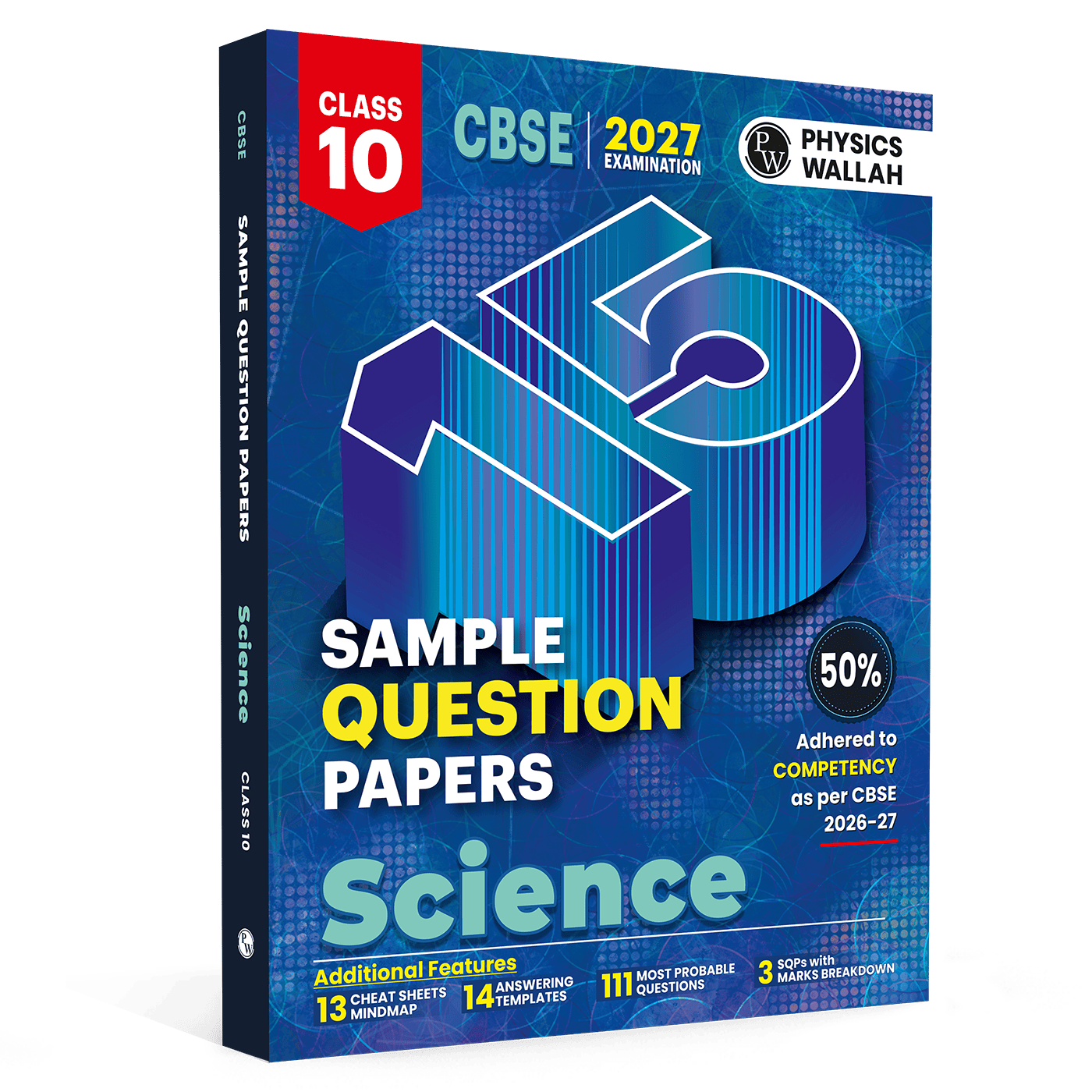
15 CBSE Class 10 Science Sample Papers: Solve 15 full-length papers based on the latest CBSE exam pattern.
-
CBSE Past 5 Years' Trend Analysis: Review important trends and practise with solved papers from 2024 and 2025.
-
13 Cheat Sheets & Mind Maps: Quickly revise important concepts, formulas, diagrams, and key Science points.
-
111 Most Probable Questions: Practise selected questions covering important Class 10 Science topics.
-
CBSE Marking Scheme & Topper's Answers: Learn how to write answers properly and understand step-wise marking.
-
Level-Wise Sample Papers: Practise questions at different difficulty levels and improve speed and accuracy.
-
14 Answering Templates: Learn better ways to organise and present different Science answers.
-
Practice Question Booklets: Get additional questions for chapter revision and extra practice.
-
Marking Stickers for Self-Assessment: Track your performance and identify areas that need more attention.
-
Mistake 101 & Key Takeaways: Understand common mistakes and learn simple ways to avoid them.
-
Updated Board Exam Guidance: Stay prepared for the latest CBSE exam updates, including the Two-Exam Policy 2026.
What to Learn Before Solving Class 10 Chemical Reactions and Equations Questions?
Before starting practice with a CBSE Class 10 Sample Paper, students should revise the basic ideas of the chapter. A clear understanding of reaction types makes it easier to identify the correct answer in different question formats.
Important concepts include:
-
Writing and balancing chemical equations.
-
Understanding combination reactions.
-
Identifying decomposition reactions.
-
Understanding displacement and double displacement reactions.
-
Identifying oxidation and reduction.
-
Learning about corrosion and rancidity.
-
Observing changes in colour, temperature, gas formation, or state during reactions.
Students should also learn common chemical formulas and practise writing equations correctly. This makes longer questions easier to solve.
Which Class 10 Chemical Reactions and Equations Questions Should You Practise?
A good practice set should include both simple and application-based questions. While preparing chemical equations important questions, focus on questions that test your understanding instead of only asking you to remember definitions.
Important areas include:
-
Balance the given chemical equation.
-
Identify the type of chemical reaction.
-
Write the products formed in a reaction.
-
Explain oxidation and reduction with suitable examples.
-
Identify oxidising and reducing substances.
-
Explain corrosion and methods to prevent it.
-
Explain rancidity and how it can be controlled.
-
Answer questions based on observations during a chemical reaction.
Practising these areas with CBSE Class 10 Books gives you better preparation for different board question formats.
How to Solve Class 10 Chemical Reactions and Equations Questions?
Students should follow a clear process while solving chemical reactions questions class 10. This is especially helpful when the question contains several parts.
First, read the complete question and identify the reactants and products. If an equation is given, check whether it is already balanced. If it is not, balance it by changing only the coefficients in front of the formulas.
Do not change the subscripts in a chemical formula while balancing an equation. Changing a subscript can change the substance itself.
After balancing, check the number of atoms of each element on both sides. Also check whether the question asks you to mention physical states or reaction conditions.
Regular chemical reactions practice questions can help students improve both memory and application skills. Instead of solving many questions without checking mistakes, divide your practice into small sessions.
For example:
|
Practice Area |
What to Do |
|
Chemical Equations |
Write and balance equations |
|
Reaction Types |
Identify the type of reaction |
|
Concepts |
Revise oxidation, reduction, corrosion, and rancidity |
|
Application Questions |
Solve questions based on daily-life examples |
|
Mistake Review |
Recheck incorrect answers and rewrite them |
After completing a set, mark the questions you found difficult. Revisit these questions after a few days to check whether the concept has improved.
How Do Class 10 Chemical Reactions and Equations Questions Help in Exams?
Chemical reactions sample questions give students practice with the way concepts may be presented in an examination. A question may provide a chemical equation, an observation, or a real-life situation and then ask several related questions.
While solving these questions, focus on:
-
Understanding what the question is asking.
-
Writing the correct chemical formula.
-
Balancing equations carefully.
-
Using correct scientific terms.
-
Showing the required steps.
-
Checking the final answer before moving ahead.
This type of practice helps students become comfortable with questions that look different but test the same concept.
How Do Class 10 Chemical Reactions and Equations Questions Help With PYQs?
Solving class 10 chemical reactions PYQs gives students an opportunity to practise questions asked in earlier board examinations. It can also help them understand how the same concept may be tested in different ways.
While solving PYQs, maintain a simple mistake list. For example, you may notice that you often forget to balance equations, confuse reaction types, or miss an important point in explanation-based questions.
Once you identify the pattern, revise that specific topic and solve similar questions again. This is more useful than simply checking the final answer and moving on.
How Do Class 10 Chemical Reactions and Equations Questions With Solutions Improve Accuracy?
Working with chemical reactions questions with solutions helps students understand where they went wrong. However, always attempt the question independently before looking at the solution.
Detailed solutions can help you check:
-
Whether the chemical equation is balanced.
-
Whether the correct reaction type has been identified.
-
Whether the right scientific terms are used.
-
Whether all parts of the question are answered.
-
Whether the answer follows the required steps.
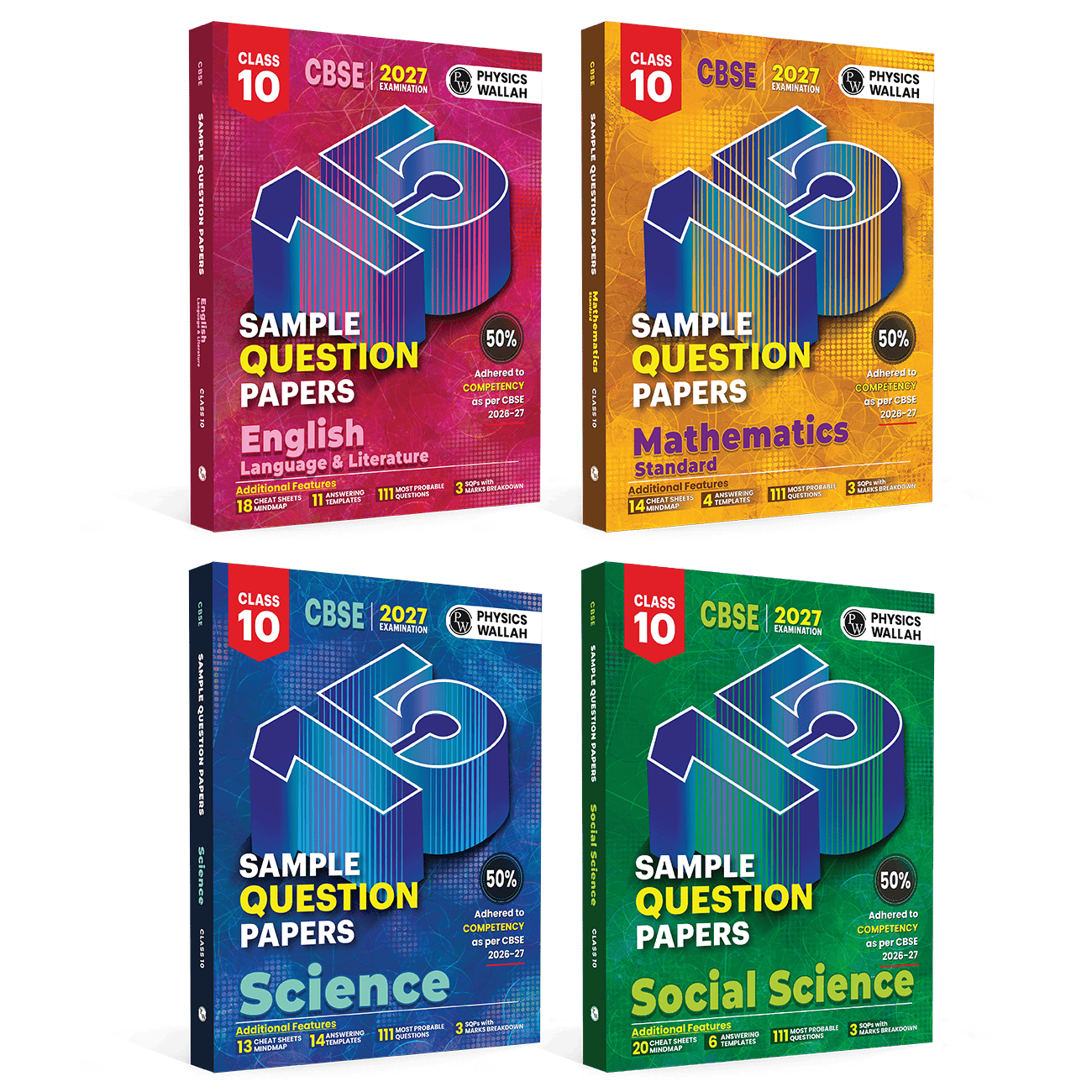
Comparing your answer with a good solution in the CBSE Class 10 Sample Papers Combo of 4 Books 2027 also helps improve presentation and reduces repeated mistakes.
How to Analyse Class 10 Chemical Reactions and Equations Questions Before the Exam?
During revision, group your class 10 chemical reactions PYQs according to concepts instead of solving them randomly. Keep separate sets for balancing equations, reaction types, oxidation-reduction, corrosion, and rancidity.
This makes revision faster because you can quickly identify which areas are strong and which ones still need work. After completing these sets, attempt full Science sample papers to practise chemical reactions along with Physics and Biology topics.
How to Prepare Class 10 Chemical Reactions and Equations Questions?
Do not depend only on memorising equations. Understand what happens in each reaction and learn how to identify the reaction type from the given information.
For better preparation:
-
Revise the basic concepts.
-
Practise balancing equations.
-
Solve important reaction-based questions.
-
Attempt chemical reactions sample questions.
-
Solve previous year questions.
-
Review your mistakes.
-
Attempt full-length Science sample papers.
-
Revise weak areas before the exam.
This approach can improve accuracy and make the chapter easier to manage during board exams.
What Mistakes Should You Avoid in Class 10 Chemical Reactions and Equations Questions?
Students often lose marks because of small errors. Some common mistakes are:
-
Changing subscripts while balancing equations.
-
Forgetting to balance all elements.
-
Writing incorrect chemical formulas.
-
Confusing oxidation with reduction.
-
Giving incomplete definitions.
-
Forgetting important observations in reaction-based questions.
-
Mixing up displacement and double displacement reactions.
-
Not reading all parts of a competency-based question.
Practising regularly and checking solutions carefully can reduce these errors.
Read More: CBSE Sample Papers for Class 10 All Subjects
Class 10 Chemical Reactions and Equations Questions FAQs
What are the best ways to practise class 10 chemical reactions and equations questions?
Start with NCERT and textbook questions, then practise previous year questions and sample papers. Focus on balancing equations, reaction types, oxidation-reduction, corrosion, and rancidity.
Why do students make mistakes in chemical equations important questions?
Common reasons include incorrect chemical formulas, sign or coefficient errors, and changing subscripts while balancing. Regular practice and careful checking can help prevent these mistakes.
Where can I find chemical reactions sample questions with answers?
You can practise them through NCERT-based question sets, previous year papers, worksheets, and Class 10 Science sample paper books that include detailed solutions.
How do class 10 chemical reactions PYQs help with exam preparation?
PYQs help you understand different question formats and practise concepts in a board-style setting. They also help you find topics where you need more revision.
Are chemical reactions questions class 10 useful for higher studies?
Yes. Understanding chemical reactions in Class 10 builds a strong base for studying chemistry in higher classes, where students learn more detailed concepts about reactions, equations, and chemical changes.