Development Questions Practice with CBSE Class 10 Sample Papers
Students frequently struggle to translate conceptual knowledge into the structured format required by board examiners. Solved CBSE Class 10 sample papers bridge this exact gap by turning theoretical reading into focused board-level preparation.
By learning how to approach class 10 development questions systematically, you can master mark distribution, understand recurring question typologies, and write precise, high-scoring answers without stress.
Overview of Class 10 Development Questions
Understanding the first chapter of CBSE Class 10 Economics requires a strong grasp of both theoretical concepts and analytical real-world applications. Class 10 development questions usually test a student's ability to evaluate different perspectives of national growth, compare economic indicators, and critique the environmental costs of development.
Board exams feature specific question typologies tailored to test various levels of comprehension:
-
Multiple-Choice Questions (MCQs): These test fundamental definitions, key terminology, and simple data interpretation regarding national income, literacy rate, infant mortality rate (IMR), and net attendance ratio.
-
Short Answer Questions (3 Marks): These require clear, crisp explanations of core concepts like income vs. non-income goals or public facilities.
-
Long Answer Questions (5 Marks): These demand structured, multi-paragraph or bulleted evaluations covering complex themes like sustainable development, Per Capita Income limitations, and human development indices.
-
Case-Based / Assertion-Reason Questions: These evaluate critical reasoning through short extracts, tables, or comparative analytical situations.
Which Class 10 Development Questions Should You Practise from Sample Papers
To score maximum marks in Social Science, focus your revision on high-yield topics that appear frequently in board papers. Practising CBSE class 10 Social Science Sample Paper ensures you cover the entire spectrum of topics likely to appear in the exam.
Here is a detailed breakdown of core areas you should focus on during practice sessions:
1. Conflicting and Different Development Goals
Different people have different, and sometimes conflicting, developmental goals.
-
Key Concept: What may be development for one individual or group may prove destructive for another (for example, building a large dam benefits urban industrialists needing electricity, but displaces local tribal communities).
-
Practice Focus: Learn to write balanced 3-mark and 5-mark answers using concrete real-world illustrations.
2. Income and Other Goals
While higher income remains a central goal, people also seek non-material aspects of life.
-
Key Concept: Equal treatment, freedom, security, respect from others, and a clean environment are equally vital.
-
Practice Focus: Practice short-answer structures comparing material goals with non-material goals.
3. Per Capita Income and Its Limitations
Per Capita Income (PCI) is used by international bodies like the World Bank to classify countries into rich, middle-income, and poor categories.
-
Key Concept: PCI is calculated by dividing total national income by total population. However, it hides disparities because it does not show how income is distributed among citizens.
-
Practice Focus: Work through data-driven numerical or tabular questions comparing two hypothetical countries with equal average incomes but unequal distributions.
4. Human Development Index (HDI) vs World Bank Criteria
Understanding how the United Nations Development Programme (UNDP) measures human progress compared to simple income metrics.
-
Key Concept: UNDP's Human Development Report considers health status (life expectancy), educational attainment (literacy and enrollment), alongside Per Capita Income.
-
Practice Focus: Be prepared to answer comparative questions evaluating why HDI offers a more comprehensive measure of progress than PCI alone.
5. Sustainability of Development
Economic progress must not compromise the welfare of future generations or degrade natural ecosystems.
-
Key Concept: Overuse of groundwater and depletion of non-renewable resources like crude oil highlight the urgency of sustainable practices.
-
Practice Focus: Practice long-form answers explaining why sustainable resource management is essential for long-term growth.
How to Identify Important Class 10 Development Questions
Spotting essential questions within a vast syllabus requires an organized, analytical approach. Rather than attempting to solve random online worksheets, study the exam trends from previous board papers to identify repeating patterns.
|
Concept Focus |
Typology / Format |
Common Exam Weightage |
Strategic Revision Tip |
|
Income vs non-material goals |
Short Answer (3 Marks) |
High |
Use bullet points with real-life examples |
|
World Bank vs UNDP Report |
Long Answer / Table (5 Marks) |
Very High |
Use a comparative table structure |
|
Limitations of Average Income |
Case-Based / Data Analysis |
High |
Highlight income inequality hidden by averages |
|
Groundwater depletion & sustainability |
Short / Long Answer |
Medium-High |
Connect economic growth with ecological balance |
How to Practise Class 10 Development Questions with CBSE Sample Papers
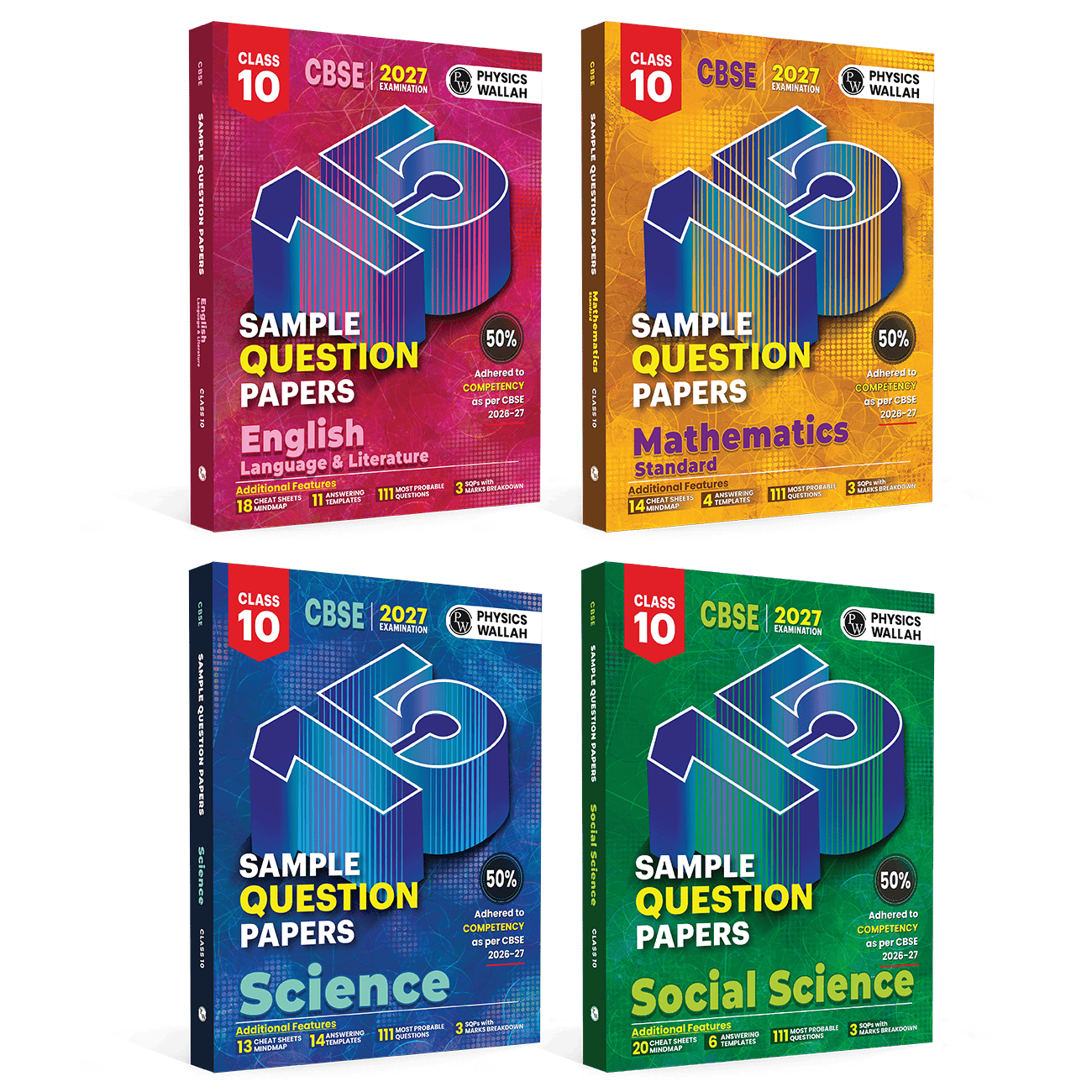
Solving CBSE Class 10 Sample Papers Combo of 4 Books 2027 effectively requires proper discipline and standard answering techniques. Simply reading through solutions is not enough; active written practice builds essential speed, precision, and confidence.
Follow these proven steps to make the most of your development sample questions:
1. Solve Level-Wise Papers Gradually
Start your revision by attempting basic, foundation-level questions to confirm that core definitions are solid. Once you consistently answer fundamental questions correctly, progress to moderate and advanced sample papers that incorporate complex competency-based questions.
2. Follow Step-Wise Marking Schemes
Examiners award marks based on clear, distinct points rather than long, continuous blocks of text.
-
Review official marking schemes to understand how credit is allocated per point.
-
Structure long answers into distinct, underlined headings followed by short, clear explanations.
-
Ensure each point directly addresses a specific part of the prompt.
3. Use Structured Answering Templates
Utilizing standard 6 answering templates helps structure your responses cleanly during high-pressure exam scenarios:
Applying this structure ensures you do not miss vital points while writing under strict time limits.
4. Leverage Quick Revision Aids
Before attempting full-length papers, perform quick 5-minute warm-ups using 20 chapter-wise cheat sheets and mind maps. Visual mapping helps reactivate key terms such as Life Expectancy, Literacy Rate, and Net Attendance Ratio right before you start writing.
Study Strategy Plan for Class 10 Development Questions
An organized study routine ensures balanced coverage across all Social Science chapters while allowing enough time to practice development practice questions.
Stage 1: Foundation Building (Days 1–4)
-
Read through the Development chapter thoroughly.
-
Summarize core definitions on flashcards or single-page cheat sheets.
-
Memorize exact definitions for IMR, Literacy Rate, Life Expectancy, and Net Attendance Ratio.
Stage 2: Focused Problem Solving (Days 5–8)
-
Solve specific chapter questions without looking at answer keys.
-
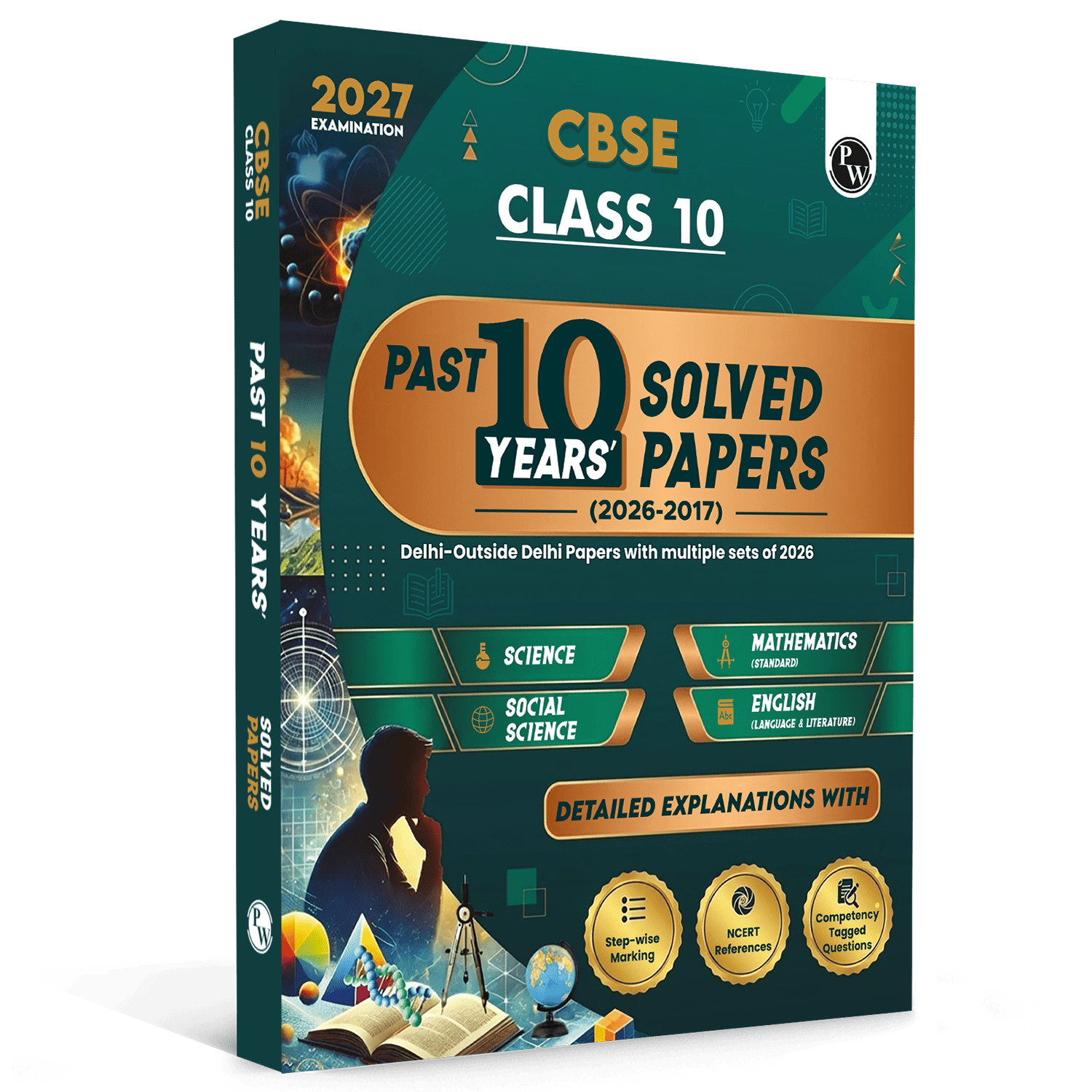
Attempt selected class 10 development PYQs to familiarize yourself with original board phrasing.
-
Compare your hand-written answers directly against official board marking solutions to identify missing keywords.
Stage 3: Full-Length Paper Practice (Days 9–12)
-
Attempt to complete 15 sample question papers within the full 3-hour exam limit.
-
Monitor your speed across different paper sections (MCQs, Short Answer, Long Answer).
-
Use tracking stickers or progress sheets to log scores and mark weak performance areas for systematic re-visiting.
Tips to Solve Class 10 Development Questions
Implementing systematic exam techniques with regular practice from CBSE Class 10 Books directly improves answer quality and prevents accidental mark loss.
-
Highlight Core Technical Terms: Use a pencil to underline key terms like Per Capita Income, Human Development Index, Sustainable Development, and Public Facilities.
-
Use Comparative Columns for Contrast Questions: When asked to contrast UNDP and World Bank criteria, construct a clean two-column table instead of writing running paragraphs.
-
Include Real-World Examples: Strengthen theoretical answers by adding concrete examples, such as groundwater depletion in Punjab or crude oil reserve limits in Middle Eastern countries.
-
Stay Updated with CBSE Policies: Keep your preparation aligned with the latest CBSE Two-Exam Policy 2026 and current evaluation norms so your response structure matches modern expectations.
Mistakes to Avoid While Solving Class 10 Development Questions
Even well-prepared students sometimes lose easy marks due to minor presentation oversights or misinterpreting the prompt. Recognizing these common pitfalls helps you write error-free papers.
Learning from systematic analytical frameworks like Mistake 101 & Key Takeaways reveals the most frequent student errors:
-
Confusing PCI with Equal Distribution: Many students incorrectly assume a higher Per Capita Income guarantees an overall wealthier population. Always clarify that PCI hides personal income disparities.
-
Writing Unstructured Paragraphs: Long, unformatted blocks of text make it difficult for examiners to spot key points quickly. Always use bullet points with clear, bolded lead-ins.
-
Ignoring Non-Material Factors: Focus on both economic factors (income) and non-economic factors (freedom, security, equal treatment, clean environment).
-
Vague Explanations of Sustainability: Avoid generic statements like "we must save nature." Instead, explain resource replenishment rates, non-renewable resource limits, and consequences for future generations.
-
Misinterpreting Case Studies: Skipping the context provided in source extracts often leads to incorrect conclusions in assertion-reason or source-based queries.
Read More: CBSE Class 10 Sample Papers 2026-27: Subject-Wise PDF & Solutions
Class 10 Development Questions FAQs
Q1. What are the most frequent types of class 10 development questions in board exams?
The most frequent types include comparative questions between World Bank and UNDP standards, analytical questions on why average income hides disparities, and short-answer prompts on sustainable development and public facilities.
Q2. How do sample papers help in solving development questions in class 10?
Sample papers expose students to exact board patterns, help practice structured answer templates, improve time management, and provide step-wise marking schemes to maximize scoring potential.
Q3. Where can I find development of important questions in class 10 with solutions?
You can find comprehensive development questions with solutions in dedicated CBSE Class 10 Social Science sample paper books, past 5-year solved paper compilations, and official CBSE marking scheme releases.
Q4. Are past year questions sufficient for development practice questions?
While previous years' papers establish core question trends, combining them with latest-pattern level-wise sample papers ensures thorough coverage of newer competency-based and source-based typologies.
Q5. How many points should I write for a 5-mark question in Class 10 Economics?
For a 5-mark question, write exactly five distinct, well-explained bullet points with sub-headings, or an introductory sentence followed by four detailed comparative points and a concise concluding line.