How Class 12 Biology Question Bank Simplifies Genetics and Physiology

Many students find themselves overwhelmed by the sheer volume of diagrams, complex mechanisms, and theoretical details required to score well. Memorising paragraphs blindly rarely yields results when the exam pattern demands deep conceptual clarity and practical application.
This article highlights how utilizing a structured CBSE Class 12 biology question bank transforms your preparation strategy, breaking down complex topics into high-yield, actionable study blocks.
What Is the CBSE Class 12 Biology Question Bank?
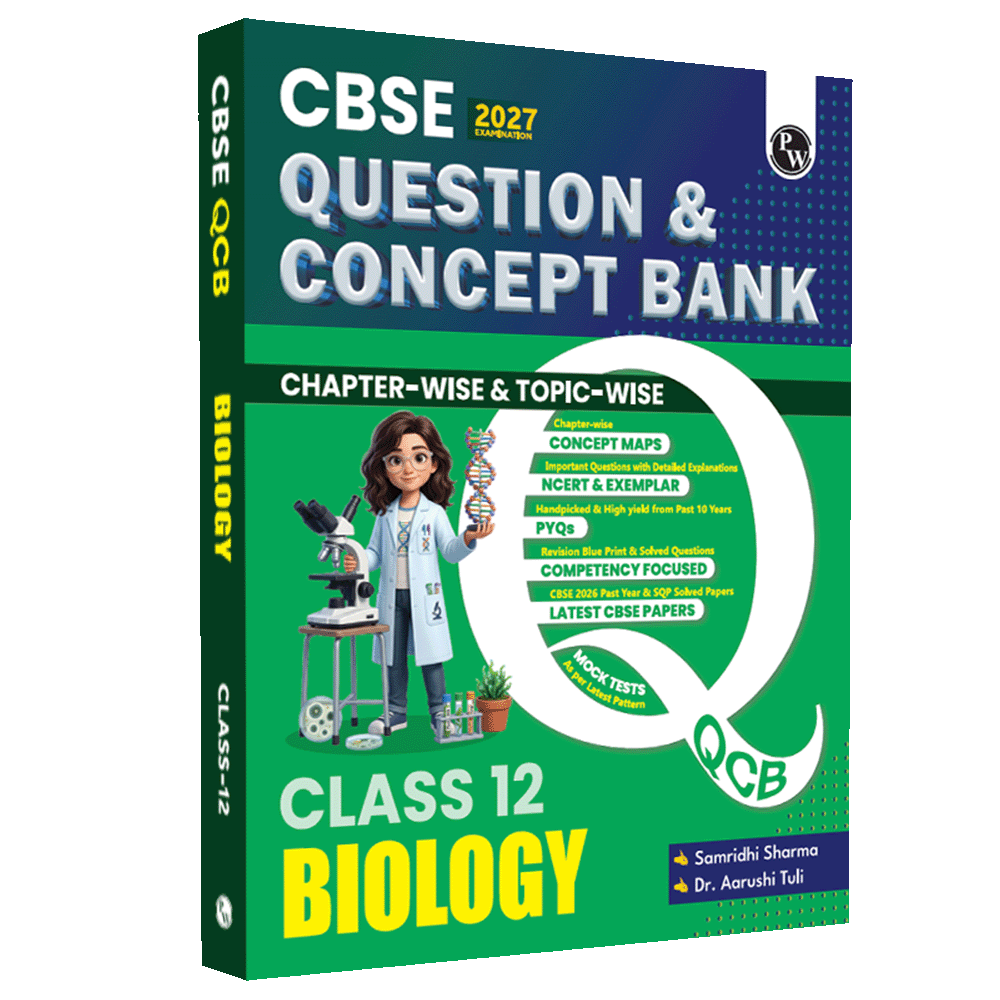
The CBSE Class 12 biology question bank is a comprehensive, exam-oriented study resource meticulously designed according to the latest CBSE Class 12 syllabus and competency-based education guidelines.
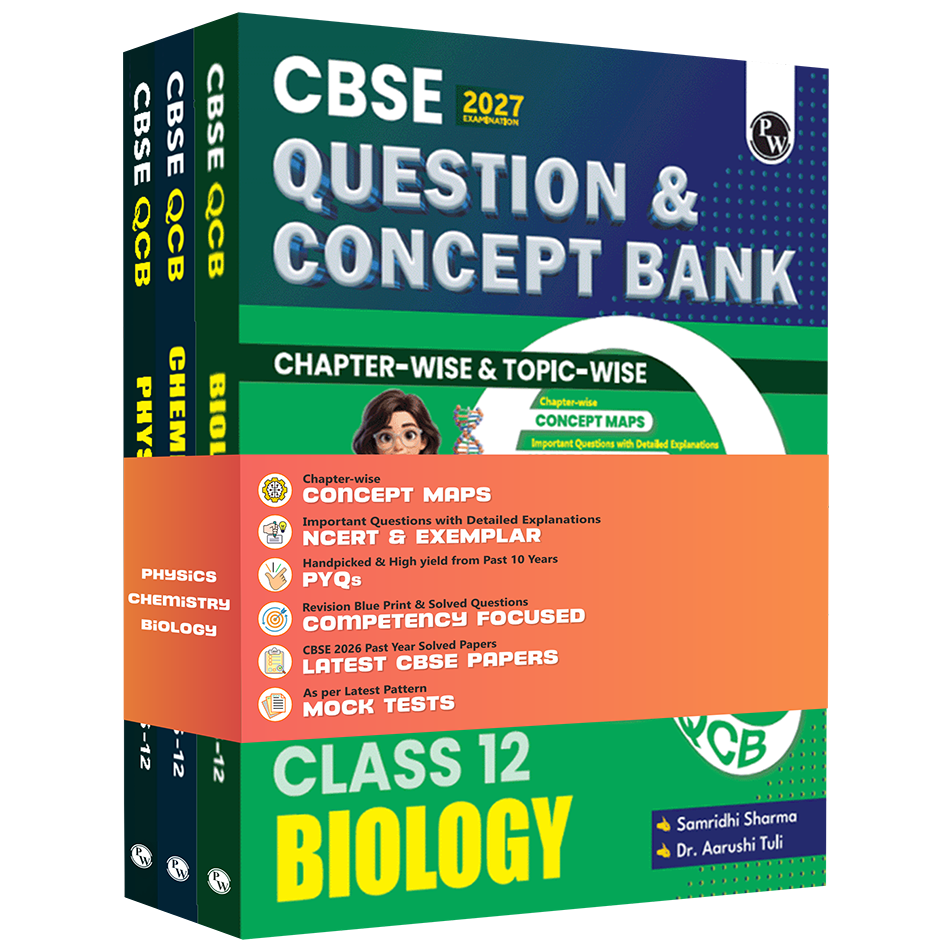
Far from being a random compilation of test papers, this question bank serves as a structured blueprint for board exam success. It features a curated mix of Chapter-wise Concept Maps, Previous Year Questions (PYQs), and Sample Question Papers (SQPs).
By offering fully solved papers up to the latest CBSE 2026 exams, this CBSE Class 12 book eliminates all guesswork regarding question formats and marking schemes. It organises high-yield questions from the last 10 years of CBSE Board Exams, allowing students to systematically focus on the most frequently asked concepts.
How Does the CBSE Class 12 Biology Question Bank Help Understand Genetics?
Genetics is notoriously famous for its tricky numerical crosses, pedigree charts, and molecular mechanisms like replication and transcription. Many students lose marks here due to a lack of structured practice. The CBSE Class 12 biology question bank simplifies this high-weightage section through a multi-tiered approach.
First, the visual concept maps break down complex pathways—such as DNA replication or translation—into clear, step-by-step illustrations. Second, the book isolates specific genetics questions from previous board papers.
Practising these curated questions helps you understand the specific logic required to solve monohybrid and dihybrid cross problems. By breaking down theoretical concepts into direct, application-oriented queries, the question bank ensures you no longer get confused by twisted scenario-based problems in the examination hall.
How Does the CBSE Class 12 Biology Question Bank Help with NCERT-Based Questions?
The board exam relies heavily on the text and diagrams present within the NCERT textbook. However, students often struggle to identify which lines of the textbook can be converted into application-based questions. The CBSE Class 12 biology question bank solves this by offering a dedicated combination of NCERT questions, case-study questions, and biology important questions.
This structured integration ensures that every essential diagram, from the structure of an antibody to the human reproductive system, is thoroughly covered.
The detailed solutions provided alongside these questions teach you how to extract relevant keywords from your NCERT knowledge and present them precisely in your answer sheets, ensuring you do not lose marks on technicalities.
How Should You Use the CBSE Class 12 Biology Question Bank?
To get the absolute best out of your CBSE Class 12 biology question bank, your study approach must be active rather than passive. Simply reading through the questions and answers like a storybook will not yield optimal results.
-
Read the NCERT Chapter First: Build a foundational understanding of the topic from your core textbook.
-
Review the Concept Maps: Open the question bank and use the visual summaries to reinforce your memory of key pathways and terms.
-
Attempt Questions Independently: Dive into the chapter-wise questions, especially the competency-based and case-study sections, without looking at the answers first.
-
Analyze the Solutions: Compare your written answers with the structured blueprints provided in the book to check for missing keywords.
-
Simulate Exam Conditions: As the boards approach, solve the mock tests within the strict three-hour time limit to hone your speed.
Benefits of Using the CBSE Class 12 Biology Question Bank
Choosing the right study resource can drastically alter your academic trajectory. The CBSE Class 12 PCB question bank stands out because it directly bridges the gap between rote memorisation and analytical application.
-
Aligned with the Latest Pattern: It perfectly matches the updated CBSE board exam pattern and competency-based education standards.
-
Time-Saving Revision: Chapter-wise Concept Maps act as visual summaries that simplify crucial definitions, reactions, formulas, and diagrams.
-
Targeted Preparation: It provides a curated selection of 10 years of high-yield questions, allowing you to focus strictly on what matters most.
-
Boosts Writing Skills: Detailed solutions show exactly how to structure answers to satisfy board examiners and claim full marks.
-
Eliminates Exam Stress: Full-length mock tests simulate real exam conditions, significantly improving time management and overall confidence.
When Should You Revise with the CBSE Class 12 Biology Question Bank?
Timing your revision properly is essential for long-term retention. You should integrate the CBSE Class 12 biology question bank into your routine at multiple stages of the academic year.
-
Immediate Post-Chapter Study: Use the question bank immediately after finishing a chapter in Class to solidify the concepts while they are fresh.
-
Weekly Check-ins: Dedicate weekends to solving a mix of older chapters to keep the information active in your memory.
-
Pre-Board Preparations: Utilize the 10-year high-yield question segments during school pre-boards to quickly identify weak areas.
-
Final Month Revision: In the final weeks before the main exam, shift your focus entirely to solving the full-length mock tests and reviewing the visual concept maps to avoid last-minute panic.
Also check, Class 12th PYQs
Study Plan for Using the CBSE Class 12 Biology Question Bank
A structured schedule ensures comprehensive coverage without burnout. Below is a targeted study plan designed to streamline your biology board preparation using the question bank.
|
Phase |
Preparation Focus |
Material to Use |
Objective |
|
Phase 1: Learning |
Chapter-wise Deep Dive |
NCERT Text + Concept Maps |
Build core understanding and clear doubts. |
|
Phase 2: Practice |
High-Yield Application |
physiology practice & Genetics Sections |
Tackle complex processes, diagrams, and numerical questions. |
|
Phase 3: Evaluation |
Performance Testing |
10 Years PYQs & Solved Papers |
Understand exact question trends and marking schemes. |
|
Phase 4: Simulation |
Exam Readiness |
Latest Pattern Mock Tests |
Perfect your time management and structural writing under pressure. |
CBSE Class 12 Biology Question Bank FAQs
How do the concept maps in the question bank help during exams?
The Chapter-wise Concept Maps act as visual summaries. They simplify lengthy chapters into formulas, definitions, and diagrammatic flows, making it easy to revise an entire topic quickly without reading pages of text.
Are competency-based questions included in this book?
Yes. The question bank is designed strictly according to the latest CBSE guidelines, meaning it includes dedicated competency-based blueprints, case studies, and application-oriented questions to match the current exam pattern.
Why is practising previous year questions (PYQs) so important?
PYQs reveal the exact pattern, difficulty level, and marking scheme used by the board. Practising them helps you identify the most frequently tested topics so you can distribute your study time efficiently.
Does this question bank help improve my answer-writing speed?
Yes. By practising with the latest pattern mock tests and checking your answers against the structured blueprints provided, you learn to write concise, high-scoring answers, which drastically improves your time management.