How to Reattempt Questions You Got Wrong in Class 10 Sample Papers
Every student faces a moment of frustration when checking a completed mock test and seeing red marks across the page. Finishing a class 10 sample paper is only half the battle. The true leap in marks happens when you address every single blunder line by line.
Simply looking at the correct solution and moving on creates a false sense of security. To improve through sample papers, you must physically rewrite the solutions, identify underlying conceptual gaps, and apply step-wise criteria.
This guide outlines clear methods to fix incorrect solutions, refine answer presentation, and build lasting confidence for your final board assessment.
Importance of Reattempting Wrong Questions in a Class 10 Sample Paper
Solving practice tests helps reveal actual exam readiness, but ignoring incorrect solutions limits overall score potential. Reattempting incorrect questions ensures that every error becomes a learning opportunity rather than a repeated habit in the final examination.
-
Fixes Conceptual Gaps: Re-solving questions highlights specific chapters or rules that require additional study, ensuring complete coverage of the syllabus.
-
Improves Answer Quality: Studying marking criteria and step-wise marking guidelines helps structure answers clearly to secure full credit from examiners.
-
Builds Exam Readiness: Facing difficult questions repeatedly reduces exam anxiety and increases speed when similar problems appear in future tests.
-
Prevents Careless Errors: Regular review helps reduce calculation mistakes, missing units, and misinterpreted questions through focused practice.
Features of a Good Reattempt Strategy for a Class 10 Sample Paper
A structured correction method transforms plain test practice into a targeted learning loop. Rather than guessing why a response fell short, a disciplined process focuses on precise board-level expectations.
|
Feature |
Purpose |
Practical Application |
|
Marking Scheme Comparison |
Verifies accuracy against official evaluation standards. |
Cross-check response steps with official step-marking criteria. |
|
Topic Trend Tracking |
Identifies recurring high-weightage chapters. |
Focus reattempts on questions matching past five-year trend patterns. |
|
Concept Revision Sheets |
Refreshes basic formulas and definitions quickly. |
Review quick mind maps before re-answering incorrect items. |
|
Level-Wise Progression |
Builds skill gradually across easy, medium, and hard items. |
Reattempt foundation questions first before tackling complex problems. |
How to Reattempt Questions You Got Wrong in a Class 10 Sample Paper
Re-solving missed problems requires a methodical approach. Diving straight into the answer key without thinking through the problem independently limits genuine retention. Using CBSE Class 10 books alongside regular practice can help students revisit concepts, understand their mistakes, and strengthen their problem-solving skills..
Step 1: Isolate the Incorrect Problem
Remove all reference answers, solutions, and notes from view. Isolate the specific question on a fresh page to eliminate any visual hints during your attempt.
Step 2: Identify the Exact Error Type
Determine whether the incorrect response stemmed from a conceptual misunderstanding, misreading the question text, or simple calculation oversights.
Step 3: Consult Revision Tools
Before writing, review focused cheat sheets or mind maps to refresh necessary concepts, formulas, and definitions.
Step 4: Write the Solution In Full
Draft the full solution from start to finish. Include essential formulas, clear steps, neatly labeled diagrams, and proper units without skipping intermediate stages.
Step 5: Evaluate Against Board Standards
Compare your new response with standard answer keys and step-by-step marking guidelines to verify completeness and accuracy.
When to Reattempt Incorrect Questions from a Class 10 Sample Paper
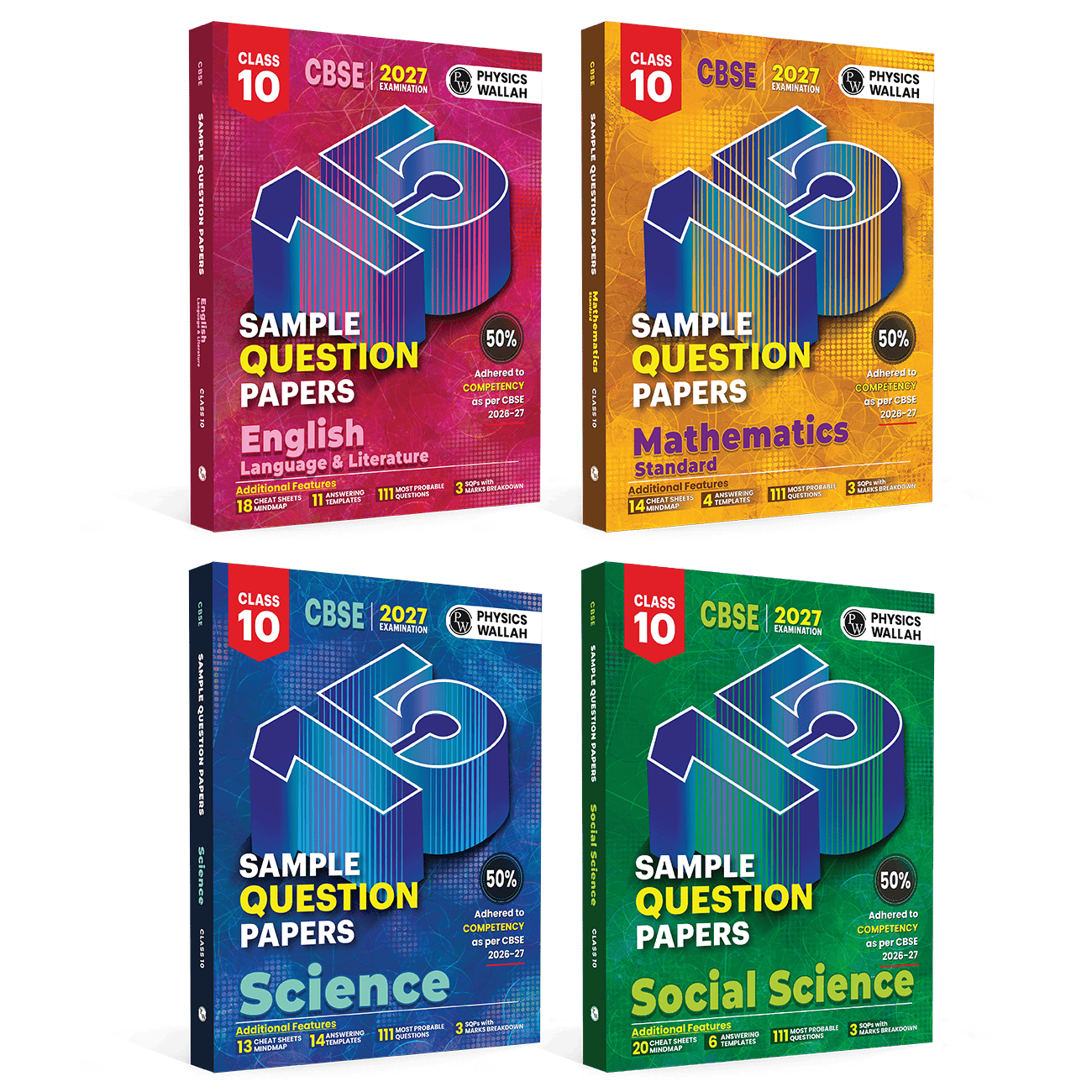
Timing plays an important role in how well corrections stick in memory. Reattempting answers immediately after completing a practice test can lead to short-term memorisation rather than true understanding. Using the CBSE Class 10 Sample Papers Combo of 4 Books 2027 with a planned reattempt schedule can help students focus on understanding concepts and retaining the correct approach.
-
24 Hours After Testing: Review class 10 mock test mistakes after a short rest so your mind approaches the problem with fresh analytical clarity.
-
During Weekly Revision Sessions: Dedicate specific study slots each week exclusively to reattempting all incorrect items collected across subject tests.
-
Before Starting a New Practice Test: Solve previously missed questions before attempting a new paper to avoid repeating the same errors.
-
Prior to Board Examinations: Conduct a final run-through of compiled error logs to reinforce proper techniques across all subject areas.
Step-by-Step Plan for Class 10 Sample Paper Corrections
A systematically organized revision plan keeps error tracking efficient and manageable throughout the academic term.
-
Mark the Test Thoroughly: Use official marking criteria to evaluate every section strictly.
-
Classify Every Oversight: Group missed items by category, such as conceptual gaps, calculation slip-ups, or formatting omissions.
-
Revisit Foundation Notes: Consult quick-reference summaries to reinforce weak theory areas before re-writing.
-
Draft Fresh Responses: Answer each question completely on fresh paper using structured line-by-line steps.
-
Track Long-Term Trends: Use marking stickers or visual tags to record progress across multiple test iterations.
Tips to Master Wrong Questions in a Class 10 Sample Paper
Consistently turning weak points into strengths requires specific practice techniques tailored for board evaluation requirements.
-
Use Step-Wise Marking Criteria: Break down long answers into distinct, marked steps to ensure every potential mark is captured.
-
Focus on High-Probability Questions: Prioritise reattempting high-probability board questions that appear frequently in past five-year trend analyses.
-
Maintain an Exclusive Error Notebook: Record every incorrect question alongside its corrected step-by-step solution for quick final review.
-
Practice Answering Templates: Utilise standardized answer templates for structured subjects like Science numericals or Social Science explanations.
-
Apply Expert Guidance Insights: Study key takeaways and common error guides to refine overall presentation quality.
Common Mistakes Students Make When Reattempting Class 10 Sample Paper Questions
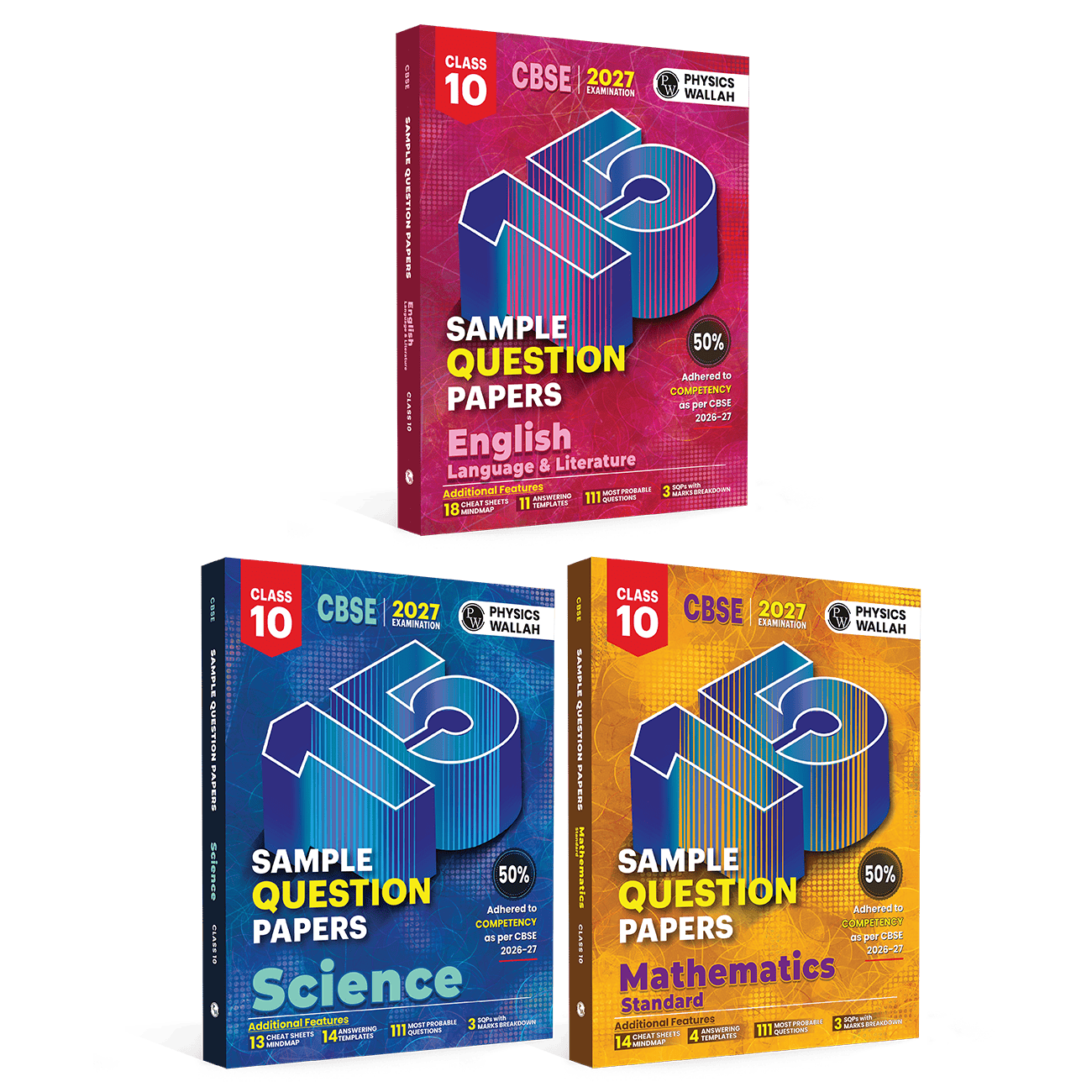
Many candidates repeat avoidable errors during the reattempt phase, reducing the effectiveness of their overall preparation. Using the CBSE Class 10 Sample Papers Combo of 3 Books 2027 can help students practise consistently, identify recurring mistakes, and improve their overall preparation.
-
Reading Solutions Without Writing: Passively scanning the answer key creates an illusion of understanding without testing active recall.
-
Ignoring Step-Marking Rules: Focusing solely on the final answer often causes students to miss partial marks awarded for intermediate steps.
-
Delaying Corrections Too Long: Leaving incorrect questions unaddressed for weeks allows mistaken concepts to solidify in memory.
-
Skipping Minor Calculation Slip-Ups: Treating arithmetic or sign errors as insignificant prevents the development of rigorous checking habits.
-
Overlooking Recent Pattern Changes: Practicing without aligning to updated exam patterns and assessment policies leads to misdirected effort.
Class 10 Sample Paper Questions FAQs
How soon should I reattempt wrong questions in a class 10 sample paper?
It is best to reattempt missed questions 24 to 48 hours after completing a paper. This interval ensures you rely on genuine conceptual understanding rather than short-term memory of the solution.
Should I rewrite the entire answer when correcting a class 10 sample paper?
Yes, writing the entire answer line by line reinforces muscle memory, clarifies step-by-step structure, and ensures proper application of official marking criteria.
How can I analyse sample paper mistakes effectively?
Group your errors into conceptual gaps, calculation oversights, or presentation issues. Use concept cheat sheets to review theory before attempting the problem again.
Why do I keep making the same class 10 mock test mistakes?
Repeated errors occur when students read answer keys passively without re-solving the questions independently on blank paper to test true comprehension.
How do official marking schemes help when reattempting questions?
Official marking schemes detail how marks are allocated across individual steps, helping you format responses to capture full credit during final evaluation.