How to Use Sample Paper Book Alongside NCERT for Class 10 Boards
Standing in front of a study table packed with textbooks can feel overwhelming as board examinations approach. Most Class 10 students finish reading their NCERT chapters, yet they freeze when faced with complex, scenario-based exam questions.
Reading theory over and over creates a false sense of familiarity, but applying that knowledge under strict exam conditions is a completely different skill. To bridge this gap, integrating a class 10 sample paper book into daily study routines is essential.
This article outlines how to pair NCERT concepts with targeted question practice to achieve top scores in your final assessments.
Overview of Class 10 Sample Paper Book
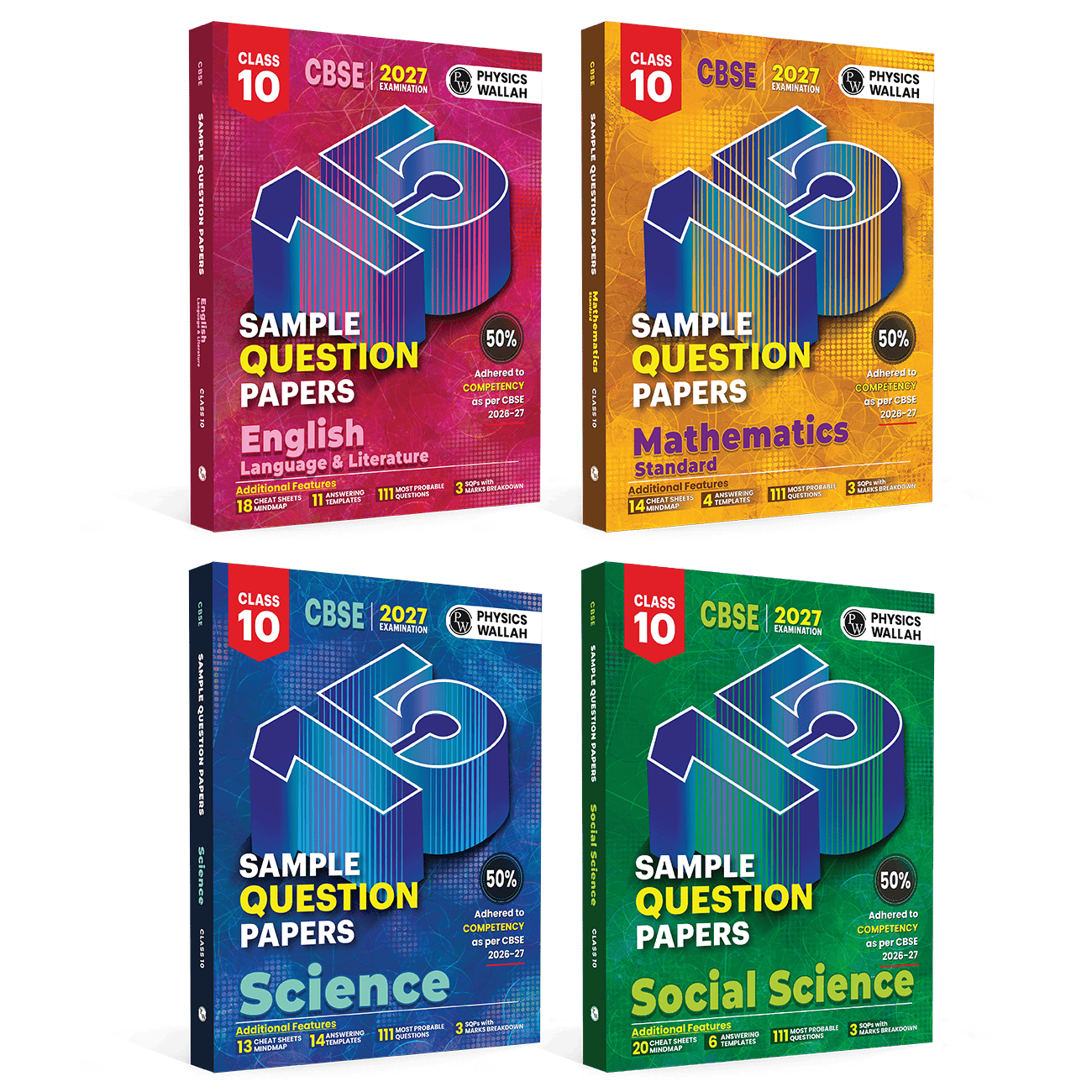
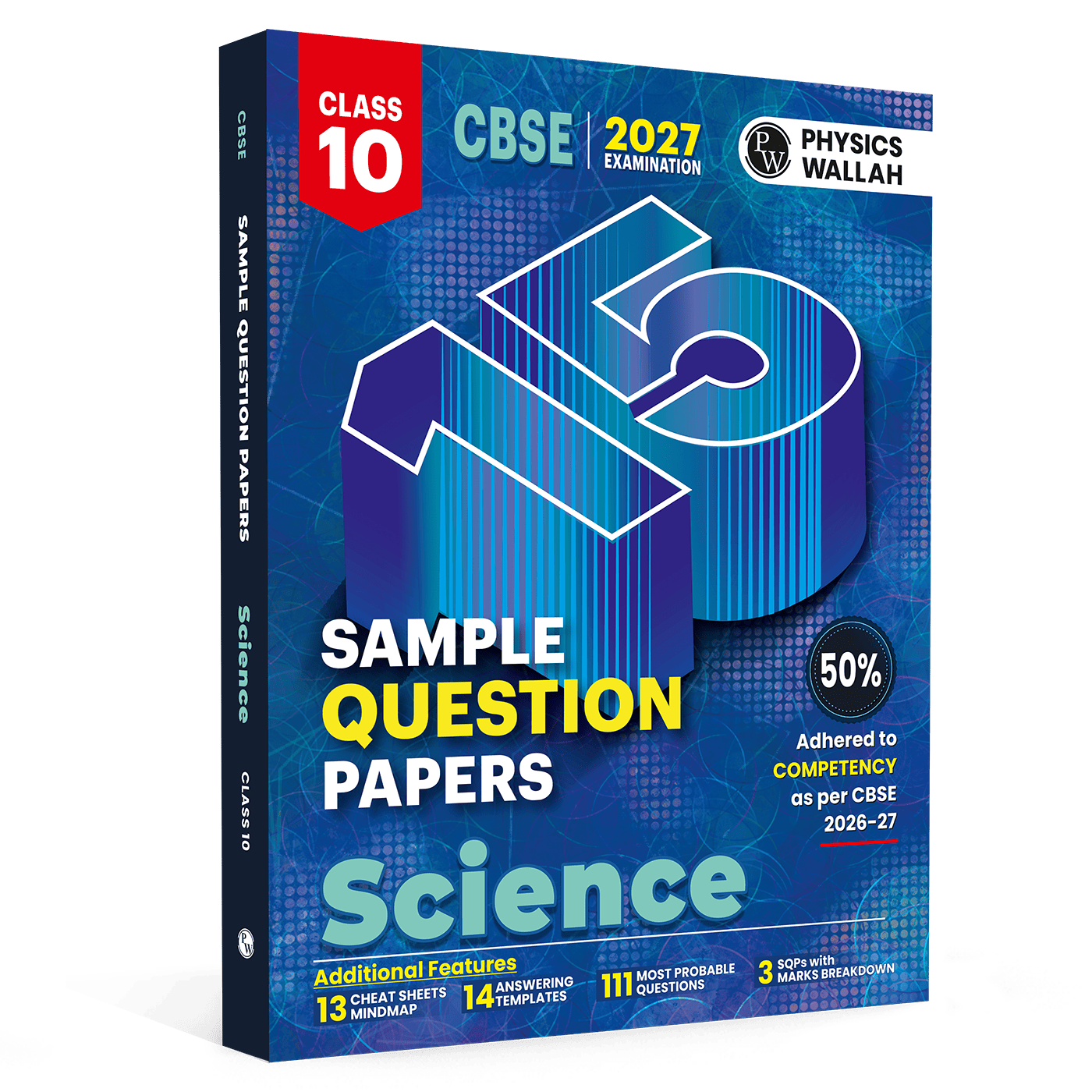
A class 10 sample paper book serves as a vital bridge between theoretical reading and practical examination requirements. Designed according to the latest CBSE pattern, it features 15 sample question papers covering Science, Maths Standard, Social Science, and English to give students a comprehensive edge.
-
Comprehensive Coverage: Includes board-style questions designed specifically for Science, Maths Standard, Social Science, and English subjects.
-
Trend Analysis: Contains Past 5 Years' Trend Analysis along with Solved Papers from 2024 and 2025 to help identify recurring board question types.
-
Quick Revision Tools: Includes Mind Maps (Cheat Sheets) and Most Probable Questions for swift, effective topic overviews.
-
Evaluation Assets: Features step-wise marking schemes, topper's explanations, answering templates, and level-wise sample papers.
-
Self-Tracking Features: Equipped with Marking Stickers to flag strengths and weak areas, alongside guidance sections like Mistake 101 and Key Takeaways.
-
Updated Format: Aligns fully with the CBSE Two-Exam Policy 2026 for complete clarity on modern board expectations.
Importance of Combining NCERT with a Class 10 Sample Paper Book
Relying solely on textbooks often leaves students unprepared for how questions are framed during final examinations. Combining NCERT and CBSE sample papers class 10 practice creates a complete learning cycle where theoretical clarity meets real-world examination application.
-
Translating Theory to Marks: NCERT explains core definitions clearly, but sample sets train you on how step-wise marking rewards structured, written answers.
-
Understanding Question Trends: Examining past solved papers highlights which specific chapter sections appear most frequently in official board assessments.
-
Real-time Diagnostics: Using specialized self-evaluation tools like Marking Stickers reveals exact knowledge gaps immediately after completing a test paper.
-
Error Prevention: Reviewing dedicated error guides helps avoid common structural blunders that unnecessarily cost crucial marks during evaluation.
How to Use a Class 10 Sample Paper Book Along with Your NCERT Textbooks?
To get the best results from your revision time, structure your study sessions so that reading and solving complement each other seamlessly every day.
-
Step 1: Finish the NCERT Chapter First: Complete reading the core text thoroughly and answer all in-text and exercise questions before opening additional question sets.
-
Step 2: Review Cheat Sheets: Use chapter mind maps to instantly recall key formulas, definitions, grammar rules, and historical timelines.
-
Step 3: Attempt Level-Wise Questions: Move progressively from simple board-style questions to higher-level application problems to build strong analytical confidence.
-
Step 4: Cross-Check with Marking Schemes: Compare your written solutions directly against official step-wise marking guidelines and topper explanation templates.
When to Switch from NCERT Concepts to a Class 10 Sample Paper Book?
Timing your shift from reading theory to sample paper practice determines how efficiently you retain information under timed conditions.
-
After Completing 70% Syllabus: Once a major portion of your course is finished, begin introducing timed sample tests alongside daily textbook reading.
-
During Final Revision Phases: Shift your main daily focus toward solving full-length 15 sample question papers under strict three-hour time constraints.
-
When Accuracy Stagnates: If re-reading NCERT chapters no longer improves mock test scores, switch to practice question booklets to test speed and recall.
Study Strategy Plan Using NCERT and a Class 10 Sample Paper Book
A structured weekly schedule helps maintain balance between learning new concepts and reviewing completed units. Effective CBSE Class 10 board preparation requires consistent execution and careful tracking across all subjects.
|
Day |
Primary Focus Area |
Task with NCERT |
Task with Class 10 Sample Paper Book |
|
Monday |
Science |
Read theory for 1 target chapter thoroughly |
Solve Most Probable Questions for that topic |
|
Tuesday |
Maths Standard |
Solve textbook exercise problems completely |
Practice level-wise sample paper questions |
|
Wednesday |
Social Science |
Read chapter text & make clear notes |
Review Mind Maps & 5-Year Trend Analysis |
|
Thursday |
English |
Read prose and poetry literature texts |
Practice board-style grammar & writing templates |
|
Friday |
Error Analysis |
Re-read weak NCERT sections carefully |
Analyze mistakes using Mistake 101 & Key Takeaways |
|
Saturday |
Full Mock Test |
Do a quick formula and definition scan |
Complete 1 Full Sample Paper under 3-hour timer |
|
Sunday |
Evaluation & Rest |
Review textbook figures and diagrams |
Apply Marking Stickers to track improvement areas |
Tips to Balance NCERT Revision with a Class 10 Sample Paper Book
Maintaining study momentum across four major board subjects requires organized, deliberate daily routines. Using CBSE Class 10 Books alongside a consistent study schedule can help students strengthen concepts, revise important topics, and stay on track with their board preparation.
-
Use Dual-Block Study Sessions: Divide your study hours into two equal halves—one dedicated strictly to textbook reading and the other to solving written papers.
-
Leverage Visual Summary Tools: Instead of re-reading whole chapters multiple times, scan cheat sheets before attempting practice papers.
-
Emphasize Step-Wise Writing: Always write complete answers on paper rather than mentally reviewing them to build physical writing speed.
-
Track Weak Spots Promptly: Apply marking stickers on questions you get wrong so you can jump back to the exact NCERT page.
Common Mistakes Students Make While Using NCERT with a Class 10 Sample Paper Book
Avoiding common preparation errors saves valuable study time and boosts overall exam performance.
-
Skipping Step-Wise Marking Analysis: Solving papers without checking official marking schemes leads to incomplete answers during real exams.
-
Starting Sample Papers Too Early: Attempting full-length papers before finishing basic class 10 NCERT preparation causes unnecessary stress and low test scores.
-
Ignoring Past Trends: Failing to review solved papers from recent years means missing out on recurring board question formats.
-
Neglecting Time Limits: Practicing CBSE Class 10 previous year papers without setting an exact timer fails to simulate actual exam room pressure.
Practice Sheet for Class 10 Sample Paper Book Revision
Use this structured checklist during your daily study sessions to ensure thorough preparation across Science, Maths Standard, Social Science, and English.
-
Phase 1: Concept Verification
-
Read the target NCERT chapter completely from start to finish.
-
Solve all back-of-chapter textbook exercises independently.
-
Scan Mind Maps (Cheat Sheets) to reinforce key takeaways.
-
Phase 2: Targeted Practice
-
Attempt Most Probable Questions for the selected topic area.
-
Solve level-wise sample questions under realistic timed conditions.
-
Review all written solutions against official step-wise marking schemes.
-
Phase 3: Assessment & Refinement
-
Mark incorrect attempts clearly using diagnostic Marking Stickers.
-
Read the Mistake 101 section carefully to fix conceptual errors.
-
Attempt 1 full-length sample paper under strict exam conditions.
Read More: CBSE Class 10 Sample Papers 2026-27
Class 10 Sample Paper Book FAQs
How many sample papers should I solve alongside NCERT?
Solving around 15 board-style sample papers per subject gives you thorough practice with different question types while leaving sufficient time for revision.
Can I skip NCERT if I use sample papers with NCERT study materials?
No, NCERT forms the foundation for all board exams. Sample papers are designed to complement textbooks and improve application skills, not replace them.
How do Mind Maps in sample books help in board exams?
Mind Maps act as quick visual cheat sheets that summarize key terms, formulas, and historical concepts for fast last-minute revision.
What is the best way to analyze solved sample papers?
Compare your written answers directly with step-wise marking schemes and topper explanations to identify exactly where you lost marks.
Why is step-wise marking important during practice?
Board examiners award marks for each correct step in an answer. Understanding step-wise marking ensures you present complete, structured solutions that earn full credit.