How to Increase Score from 80 to 90+ with CBSE Class 10 Sample Papers?

Many students revise their syllabus repeatedly, yet their board marks plateau. The issue rarely lies in a lack of study hours; rather, it stems from losing minor marks in step allocation, misreading complex questions, or struggling with time constraints during final assessments.
Transitioning from a decent score to a top performance requires shifting your focus from passive reading to active evaluation. Solving CBSE class 10 sample papers helps bridge this gap.
By practising board-style mock tests, analyzing answer schemes, and correcting recurring errors, you can secure every available mark and comfortably aim for top-tier results.
Overview of CBSE Class 10 Sample Papers
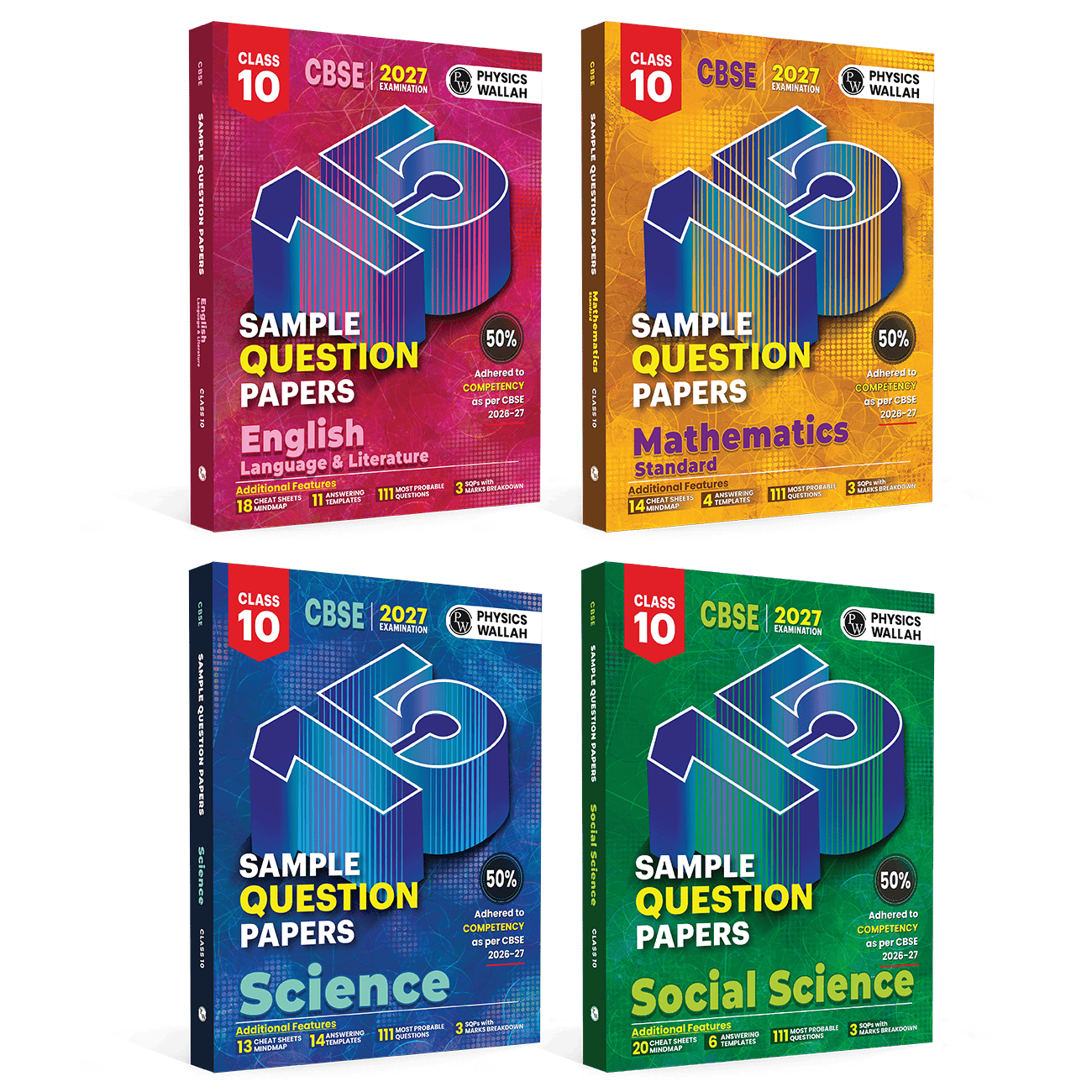
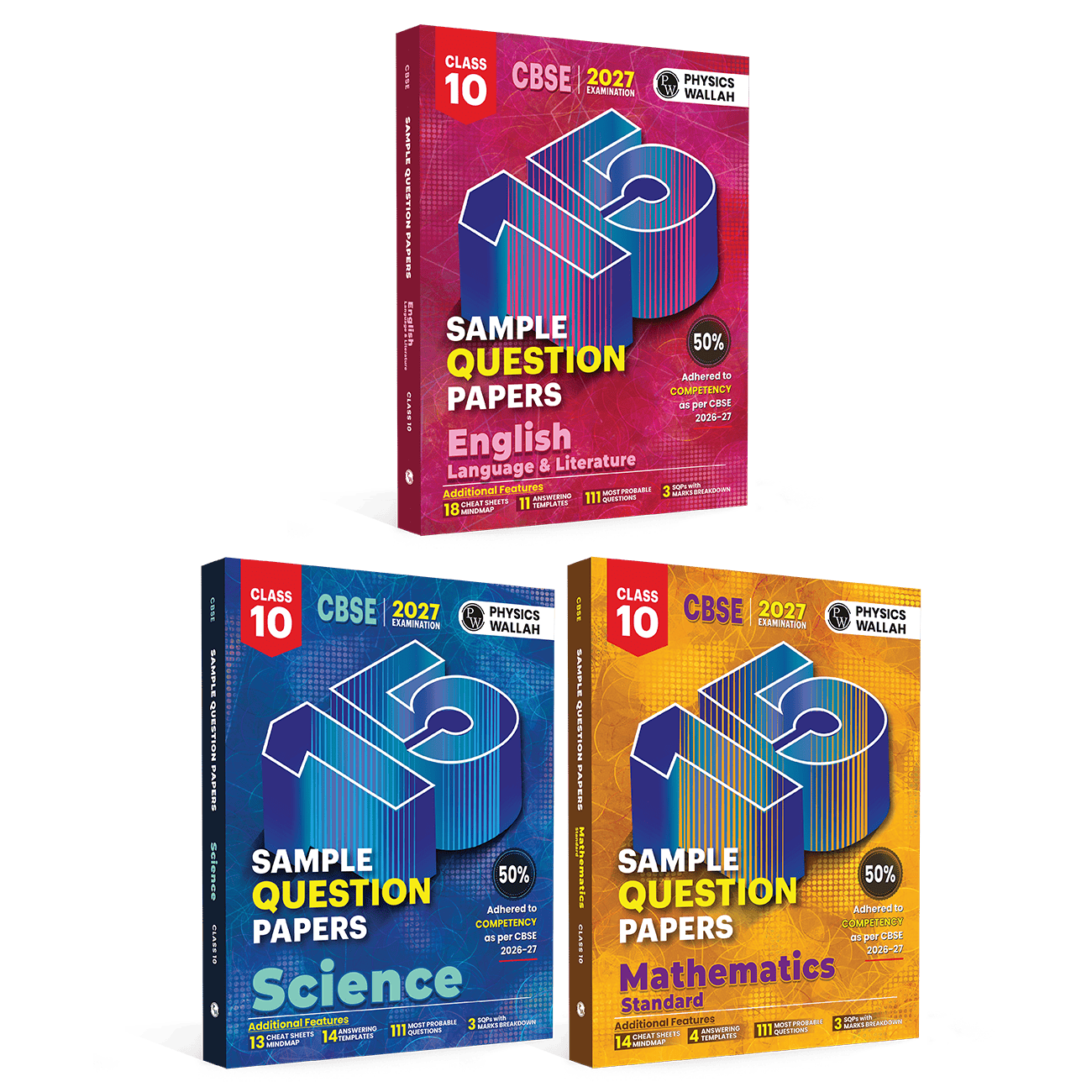
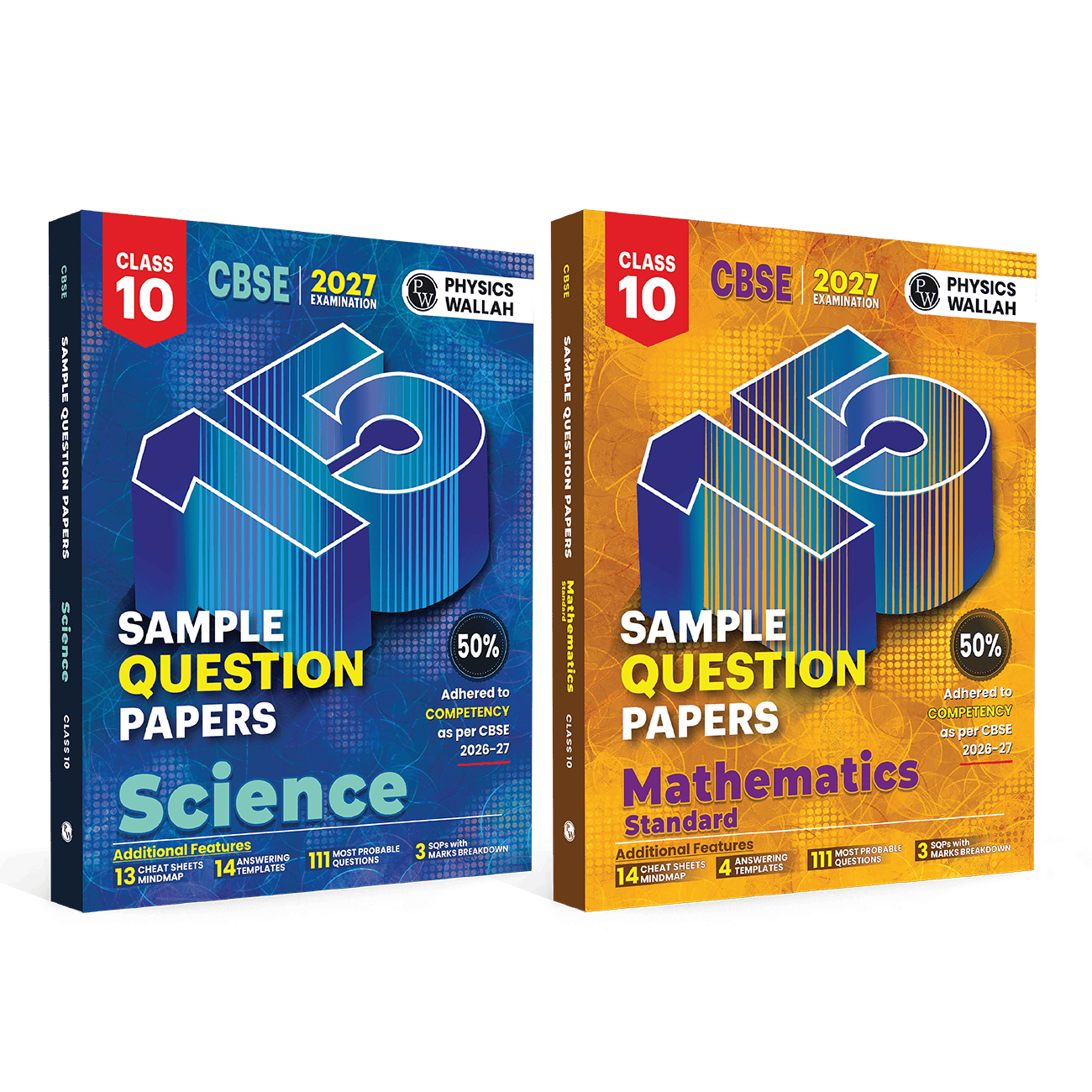
A comprehensive set of practice materials gives students direct access to board-aligned mock assessments across key subjects, including Science, Mathematics Standard, Social Science, and English. Using official pattern mock papers ensures that you become completely comfortable with the question formats, section divisions, and evaluation guidelines set by the board.
-
Complete Subject Coverage: Practical resources span Science, Mathematics Standard, Social Science, and English to build overall academic readiness.
-
15 Level-Wise Sample Papers: Structured mock tests designed according to the updated assessment format allow students to build speed step-by-step.
-
Trend Analysis: Solved papers and past 5 years' trend analysis (2024 & 2025) highlight recurring themes and scoring patterns.
-
Revision Aids: Built-in Cheat Sheets and Mind Maps enable rapid topic recap right before an evaluation session.
-
Evaluation Tools: Marking Stickers help learners track strengths and identify weak points visually throughout their preparation.
-
Updated Policy Alignment: Features designed to adapt to the CBSE Two-Exam Policy 2026 keep students fully aligned with current examination standards.
Importance of Solving CBSE Class 10 Sample Papers for 90+ Marks
Moving beyond an average score demands absolute precision. While reading textbooks builds conceptual understanding, attempting structured practice papers refines how you present that knowledge under strict examination conditions. Consistent class 10 sample paper practice acts as a benchmark to test your real-time performance.
|
Feature |
Student Benefit |
Target Outcome |
|
Board Marking Schemes |
Understand step-wise point distribution |
Secure full step marks in long answers |
|
Topper's Explanations |
Learn ideal answer structure and presentation |
Eliminate unnecessary details and save time |
|
Most Probable Questions |
Focus on high-yield exam themes |
Predict key questions and boost confidence |
|
Mistake 101 Guides |
Identify common conceptual traps early |
Reduce silly errors in final papers |
Regular self-assessment using these structured CBSE Class 10 Books and mock sets allows you to achieve consistent CBSE Class 10 score improvement.
How to Solve CBSE Class 10 Sample Papers to Stop Losing Small Marks?
Losing 10 to 15 marks across a paper usually happens in small increments: a missed unit in Mathematics, an incomplete step in Science, or poor time management in Social Science. To prevent these minor leakages, you must treat every practice paper like an actual board exam.
-
Simulate Strict Exam Timing: Set a strict three-hour timer and complete the test in a quiet room without checking reference notes.
-
Follow Step-Wise Marking Templates: Align your written responses with step-marking templates to ensure you include essential key terms and clear diagrams where needed.
-
Apply Self-Evaluation Stickers: Use Marking Stickers after finishing each set to categorize your errors into calculation slips, conceptual gaps, or time-outs.
-
Review Key Takeaways: Read through section-end summary notes and expert advice to refine how you state final answers cleanly.
Adopting these disciplined habits helps students who want to improve class 10 board marks systematically transform close misses into full scores.
When to Attempt CBSE Class 10 Sample Papers for Maximum Benefits?
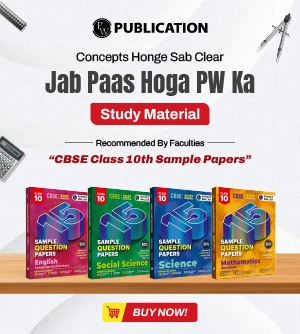
Timing your practice effectively ensures that you do not burn out before the final assessments. Utilizing Class 10 sample papers, such as the CBSE Class 10 Sample Papers Combo of 4 Books 2027, for 90+ requires a phased approach matched to your syllabus progress.
Early Phase: Chapter Completion & Trend Mapping
-
Begin by reviewing past 5 years' trend analysis to identify high-weightage topics.
-
Attempt level-wise mock tests corresponding to completed chapters to build initial accuracy.
Mid Phase: Full Syllabus Simulation
-
Transition to full-length CBSE class 10 sample papers once 80% of the syllabus is covered.
-
Use Cheat Sheets and Mind Maps for rapid 15-minute concept recaps prior to commencing full tests.
Final Phase: Revision & Refinement
-
Solve practice question booklets under realistic test conditions during the final weeks.
-
Focus heavily on Most Probable Questions and step-wise toppers' explanations to polish final execution.
Study Strategy Plan for Using CBSE Class 10 Sample Papers
Executing a structured study plan ensures that every test paper leads to measurable progress. Follow this four-stage plan to maximize your preparation.
-
Stage 1: Quick Revision: Spend 20 minutes going through Mind Maps and Cheat Sheets to refresh your memory regarding formulas, definitions, and key dates.
-
Stage 2: Timed Mock Attempt: Complete 15 board-style sample question papers in one sitting, strictly adhering to the allotted timeframe.
-
Stage 3: Marking Analysis: Cross-check your answers directly against official CBSE marking schemes and step-marking guidelines.
-
Stage 4: Targeted Correction: Refer to the Mistake 101 section to review wrong answers, note down root causes, and re-attempt missed questions immediately.
Also Check - CBSE Class 10th Previous Year Papers
Common Mistakes Students Make While Solving CBSE Class 10 Sample Papers
Even diligent students can fall into predictable traps during test practice. Recognizing these pitfalls helps you avoid repeating them during actual board evaluations.
-
Ignoring the Timer: Solving papers in parts across multiple sessions destroys time awareness and leads to unmanaged stress during real exams.
-
Skipping Self-Evaluation: Finishing a paper without thoroughly cross-checking it against official marking schemes renders practice incomplete.
-
Neglecting Answer Presentation: Writing messy step-work in Mathematics or dense, unformatted paragraphs in Social Science loses easy presentation marks.
-
Overlooking Small Errors: Dismissing minor calculation slips as "accidents" rather than logging them via Mistake 101 guides leads to repeated marks loss.
-
Failing to Track Weak Areas: Proceeding to new test sets without analyzing past Marking Stickers leads to stagnant scoring.
Read More: CBSE Class 10 Syllabus 2026-27
CBSE Class 10 Sample Papers FAQs
How do CBSE class 10 sample papers help in scoring above 90%?
They familiarize students with exact exam patterns, step-marking schemes, and time constraints, helping eliminate minor errors and improve overall answer quality.
How many sample papers should I solve for class 10 sample paper practice?
Solving around 15 level-wise sample question papers per subject provides comprehensive exposure to board-style questions and evaluation trends.
Can solving sample papers bring CBSE class 10 score improvement quickly?
Yes, analyzing solutions against marking schemes helps identify weak areas and incorrect answer structures immediately, boosting accuracy.
What is the right way to use class 10 sample papers for 90+ marks?
Attempt papers under timed conditions, grade them using step-wise marking guidelines, and review mistake logs to correct recurring errors.
How do I improve class 10 board marks in step-wise calculations?
Practice with official marking schemes and topper explanations to understand how marks are allocated for every individual step in complex questions.