Nationalism in India Questions Practice with CBSE Class 10 Sample Papers

Mastering CBSE Class 10 Social Science requires regular practice and a clear understanding of important historical events.
Using the right CBSE Class 10 sample papers helps students solve class 10 nationalism in India questions effectively, understand different board exam question patterns, and improve their answer-writing skills. Regular practice also helps students remember important dates, movements, leaders, and events with greater confidence.
Overview of Class 10 Nationalism in India Questions
Preparing for history board examinations needs a structured approach, especially when solving class 10 nationalism in India questions. Students often find the timeline of India's national movement difficult because many events, dates, leaders, and movements are connected.
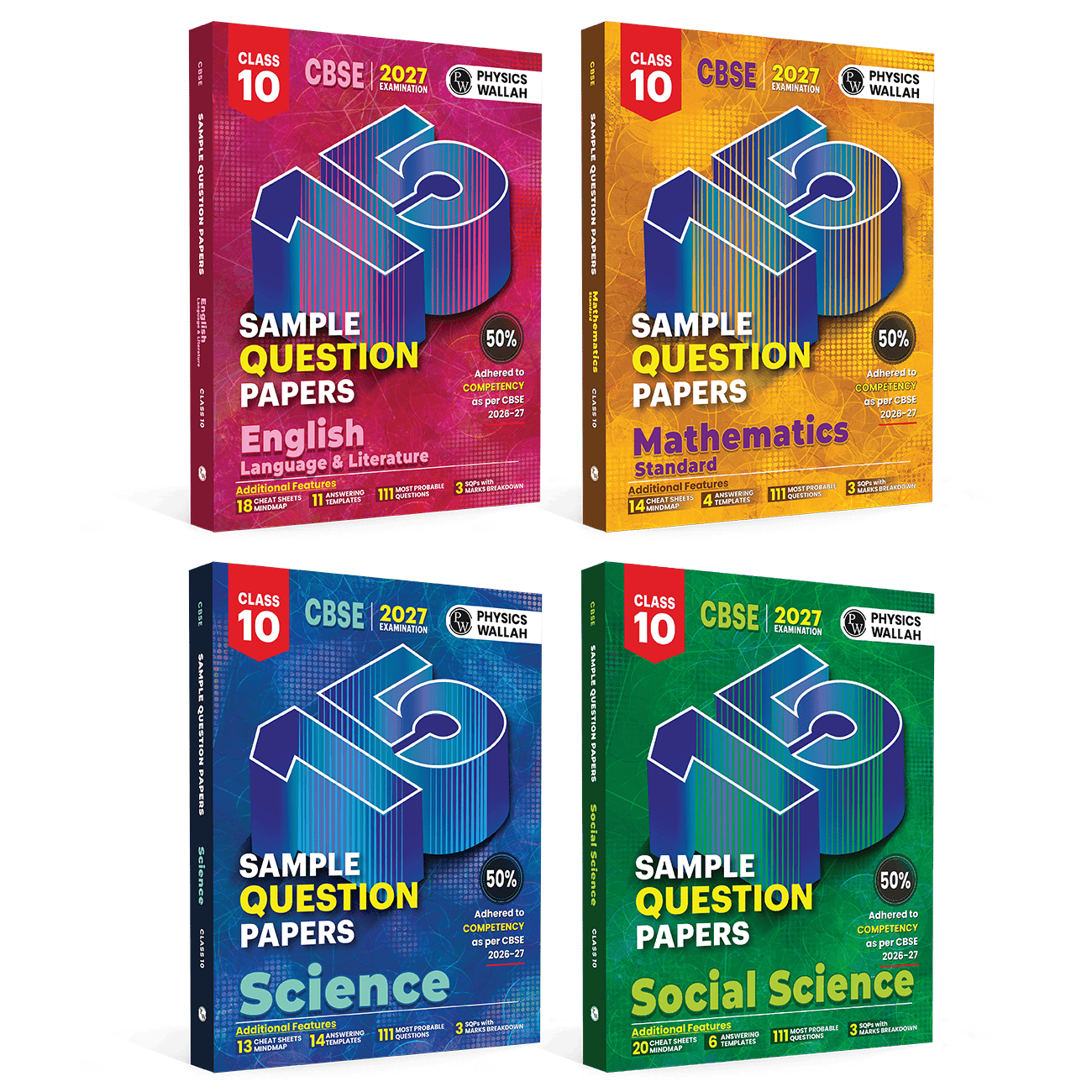
Along with remembering facts, students also need to understand the reasons behind different movements and their effects. Some stores provides carefully curated resources, including the CBSE class 10 sample papers social science 2027, to support board-focused preparation. Regular practice helps students identify knowledge gaps, revise difficult topics, and become more confident while writing answers.
Features of Class 10 Nationalism in India Questions
Make Social Science board preparation more focused with full papers, quick revision tools, and answer-writing support. These features help students practise regularly, revise important topics, check their mistakes, and understand how to approach different types of exam questions.
-
15 Full-Length Sample Papers: Solve 15 CBSE-style papers to practise the complete Social Science exam in a proper test format.
-
Learn From the Last 5 Years: Check past paper trends and use solved papers from 2024 and 2025 to understand recent question patterns.
-
20 Quick Revision Tools: Use 20 chapter-wise cheat sheets and mind maps to revise key facts, concepts, events, and important topics in less time.
-
111 Important Questions: Work through 111 carefully chosen questions covering topics that are useful for focused board exam practice.
-
Write Answers the Right Way: Study the CBSE marking scheme, step-wise marking method, and topper-style answers to improve answer presentation and include important points.
-
Papers for Different Levels: Attempt sample papers with different difficulty levels and gradually build better accuracy, speed, and exam confidence.
-
6 Answer-Writing Templates: Follow 6 useful templates to learn how to structure and present different types of Social Science answers.
-
Spot and Fix Mistakes: The Mistake 101 section highlights common errors and provides key takeaways to help students improve their exam approach.
-
Mark Your Progress: Use marking stickers to check your preparation, notice weak areas, and keep track of your practice.
-
Updated for CBSE 2026: Prepare with information related to the CBSE Two-Exam Policy 2026 and the latest board exam format.
Important Topics Covered in Class 10 Nationalism in India Questions
The chapter covers several important stages of India's national movement. Focusing on Nationalism in India important questions from CBSE Class 10 Books helps students give more attention to major concepts and events. Students should understand the First World War, the Khilafat and Non-Cooperation Movement, different strands within the national movement, the Civil Disobedience Movement, and the development of a sense of collective belonging.
-
The First World War, Khilafat and Non-Cooperation: Understand the economic and political situation in India after the First World War and the developments that led to the Non-Cooperation and Khilafat Movements.
-
Differing Strands within the Movement: Learn how different social groups joined the national movement and how they understood the idea of Swaraj in different ways.
-
Towards Civil Disobedience: Revise the Salt March, the Civil Disobedience Movement, and the participation of different communities and groups.
-
The Sense of Collective Belonging: Understand how folklore, flags, symbols, songs, and reinterpretation of history helped create a sense of national identity.
Why Practice Class 10 Nationalism in India Questions
Solving targeted nationalism in India questions class 10 helps students check their preparation and understand which topics need more revision. History questions require correct facts, clear explanations, and well-structured answers. Regular practice gives students a better idea of how to present answers for both short-answer and long-answer questions.
-
Identifies recurring board exam themes.
-
Improves time management during exams.
-
Enhances answer-writing precision.
-
Helps students remember important historical events.
-
Boosts overall confidence in history.
How to Practise Class 10 Nationalism in India Questions for Board Exams?
Accessing nationalism in India sample questions gives students regular exposure to different types of board-style questions. These may include competency-based questions, source-based extracts, objective questions, and questions that require students to explain historical events in their own words. Good study materials, such as the CBSE Class 10 sample papers social science 2027, provide practice based on modern board-style question formats.
-
Competency-based case studies test analytical and application skills.
-
Source-based questions check students' ability to understand and use given information.
-
Objective-type questions test basic concepts, facts, and historical understanding.
-
Descriptive questions help students practise writing structured answers.
How to Revise Class 10 Nationalism in India Questions on a Daily Basis?
Consistent revision through nationalism in India practice questions helps students remember important events for a longer time. History is not only about memorising dates. Students also need to understand the connection between causes, events, movements, and their results. Solving questions regularly helps them connect these historical events and write better answers.
-
Create short revision notes for key dates, movements, leaders, and important acts.
-
Draw timeline charts for major national movements to understand their sequence.
-
Practise map-work questions related to Indian National Congress sessions and important centres of the national movement.
-
Revise questions that were answered incorrectly and try them again after studying the related topic.
How Do Class 10 Nationalism in India Questions Help in Solving PYQs?
Reviewing class 10 nationalism in India PYQs helps students understand how important concepts have been tested in previous board examinations. Similar topics may appear in different question formats, so students should focus on understanding the concept rather than memorising one answer. Analysing past papers can help students identify important areas such as the Jallianwala Bagh incident, the Simon Commission, the Civil Disobedience Movement, and the Poona Pact.
-
Scan the last five years of board papers.
-
Note down frequently asked long-answer themes.
-
Evaluate model answer keys to understand marking schemes.
-
Identify questions that require dates, causes, effects, or specific historical examples.
Having access to nationalism in India questions with solutions makes self-study easier and more effective. Students can first attempt each question on their own and then use the solution to check their response. This helps them identify conceptual mistakes and understand how to write clear, point-wise answers.
-
Compare personal answers with expert-verified solutions.
-
Learn proper keyword integration for history answers.
-
Understand step-by-step structuring for 5-mark questions.
-
Check whether all important points required by the question have been covered.
-
Revise the related topic whenever a repeated mistake is found.
Read More: CBSE Class 10 Social Science Weightage
Class 10 Nationalism in India Questions FAQs
What are the most important class 10 nationalism in India questions for board exams?
Important questions typically focus on the Non-Cooperation Movement, the Civil Disobedience Movement, the role of Mahatma Gandhi, the participation of different social groups, and the cultural processes that created a sense of collective belonging among Indians. Students should also revise important events, causes, effects, and historical developments from the complete chapter.
How do CBSE class 10 sample papers social science 2027 help in history preparation?
These sample papers provide updated exam-pattern practice along with different question formats, including competency-based and source-based questions. Solving complete papers also helps students practise time management, answer writing, revision, and self-assessment before the board examination.
Where can I find reliable nationalism in India questions class 10 with answers?
Reliable questions and structured solutions are available in dedicated study guides, sample papers, question banks, and other board-focused practice resources. Students can use these resources along with their CBSE textbook to revise concepts and check their answers.
Are map-work questions important in nationalism in India practice questions?
Yes, students should practise the prescribed map locations related to the chapter. Important locations may include places connected with the national movement and major events. Regular map practice helps students become familiar with the locations and reduces mistakes during the examination.
How should I structure answers for nationalism in India sample questions?
Read the question carefully and identify exactly what it is asking. For long questions, write clear points and include relevant dates, leaders, causes, events, and consequences where required. Keep each point focused and avoid adding unrelated information. This makes the answer easier to read and helps ensure that important points are clearly presented.