Power Sharing Questions Practice with CBSE Class 10 Sample Papers

Mastering board-level concepts needs regular and structured practice, especially in Civics chapters like Democratic Politics. Students often understand the topic but find it difficult to present answers in the right way during the exam.
Practising class 10 power sharing questions helps students understand important ideas, improve answer writing, and learn how to respond to different types of board questions. CBSE Class 10 Sample papers also help connect textbook concepts with case-based, competency-based, and analytical questions.
Why Are Class 10 Power Sharing Questions Important for Board Exams?
Democratic systems depend on how power and authority are shared among different organs, levels, and groups. Practising power sharing questions class 10 helps students understand concepts such as horizontal and vertical power sharing, majoritarianism in Sri Lanka, and the accommodation model followed by Belgium. These concepts can be tested through direct, case-based, and application-based questions.
-
Concept Clarity: Regular practice helps you clearly understand the difference between prudential and moral reasons for power sharing.
-
Answer Structuring: Practise presenting long answers in clear points so that each important part of the answer is easy to identify.
-
Error Minimization: Identify common mistakes related to the ethnic composition of Belgium and Sri Lanka, language differences, and different forms of power sharing.
Features of Class 10 Power Sharing Questions Papers
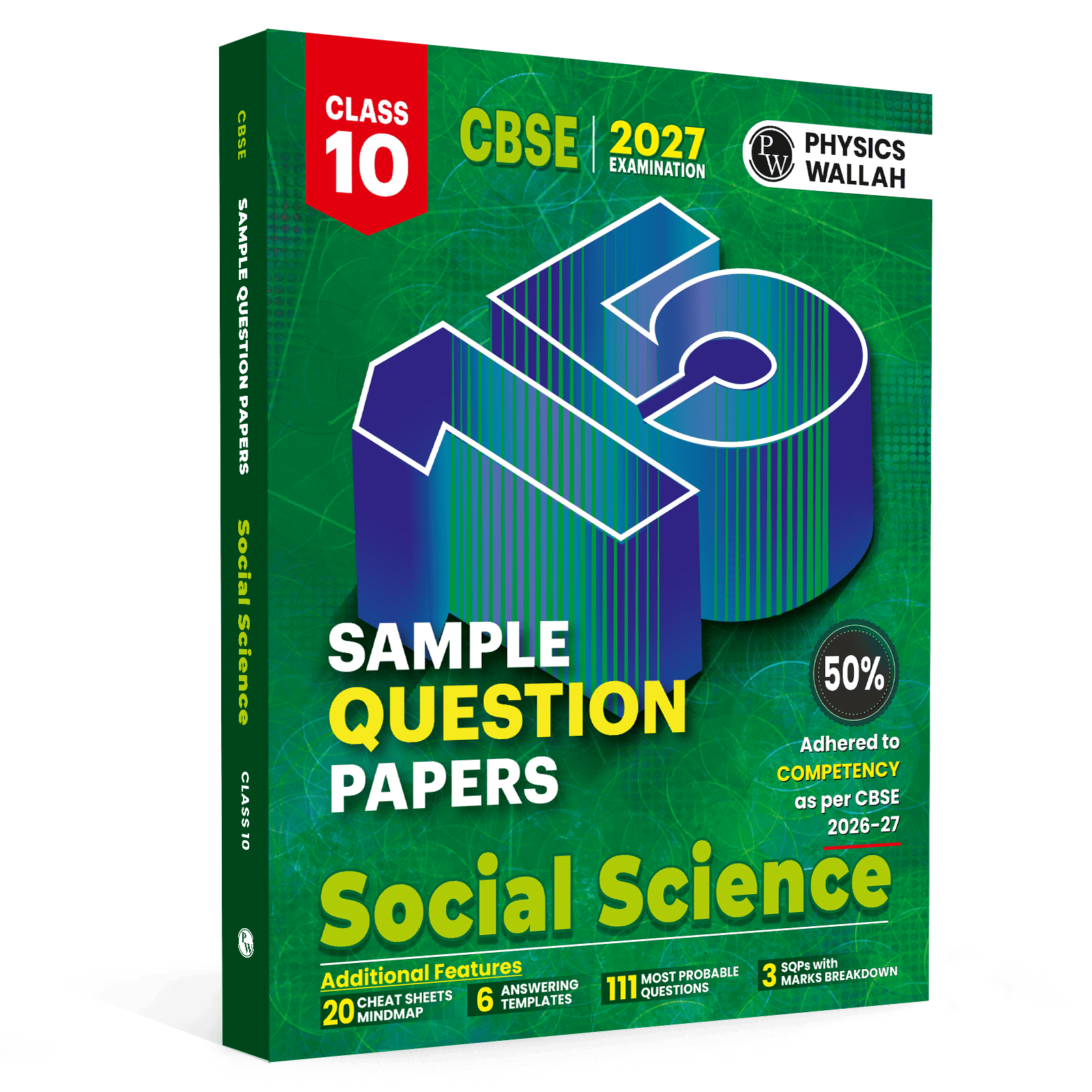
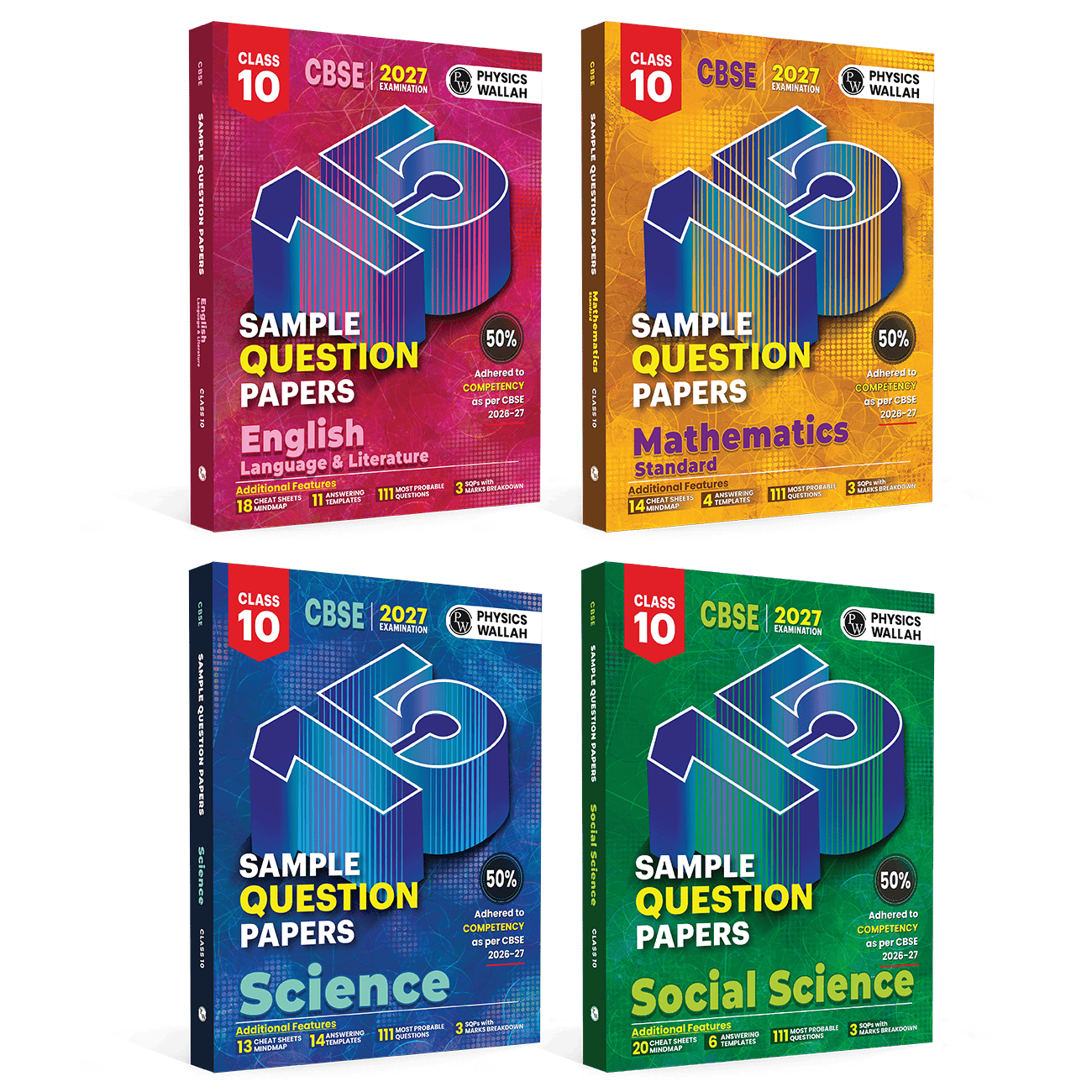
Give your board preparation a clear practice plan with CBSE Sample Papers Class 10 Social Science, complete papers, quick revision material, and useful answer-writing support. Each feature is designed to help students practise smarter and prepare for the Social Science exam with confidence.
-
15 CBSE Sample Question Papers: Get 15 complete papers that follow the latest CBSE Class 10 Social Science exam pattern for regular test practice.
-
5-Year Paper Pattern Review: Explore question trends from the past 5 years and use solved papers from 2024 and 2025 to understand recent exam patterns.
-
20 Quick-View Study Aids: Recall important facts, topics, and concepts faster with 20 chapter-wise cheat sheets and mind maps.
-
111 High-Priority Questions: Strengthen your revision with 111 most probable Social Science questions selected for focused board exam practice.
-
CBSE Marking Support: Learn where and how marks are given through the CBSE marking scheme, step-wise marking, and topper's answers.
-
Difficulty-Based Testing: Practise papers at different levels to gradually improve question-solving ability, accuracy, and exam readiness.
-
6 Answer-Writing Guides: Follow 6 templates to understand how to arrange and present answers clearly in the CBSE Class 10 Social Science exam.
-
Mistake 101 Section: Learn about common errors and use key takeaways to avoid repeating them during board exam practice.
-
Progress Marking Stickers: Mark your completed practice and review your preparation to identify areas that need more attention.
-
Updated for the 2026 Pattern: Keep your preparation aligned with the CBSE Two-Exam Policy 2026 and the latest board examination format.
How Do Class 10 Power Sharing Questions Improve Accuracy?
Regular practice helps students become more comfortable with Civics concepts and question formats. Solving power sharing practice questions using CBSE Class 10 Books can also show which topics need more attention before the exam.
-
Check your answers against detailed explanations to correct mistakes and improve your understanding of political concepts.
-
Revise the major constitutional changes made in Belgium between 1970 and 1993 and understand how they helped create a system of accommodation.
-
Re-attempt questions that you answered incorrectly to make sure the concept is clear before moving to a new topic.
How to Practise Class 10 Power Sharing Questions With Sample Papers?
Exam preparation becomes stronger when students practise different question formats. Solving power sharing sample questions helps students become familiar with competency-based, case-based, source-based, objective, and descriptive questions.
-
Solve full-length tests under timed conditions to improve speed and manage exam pressure.
-
Check your answers using suitable marking schemes to understand whether you have covered the required points.
-
Track common question types across different difficulty levels and revise concepts where mistakes occur repeatedly.
How Do Class 10 Power Sharing Questions Help With PYQs?
Class 10 Previous year questions are useful for understanding how concepts have been tested in earlier examinations. Analysing class 10 power sharing PYQs helps students practise important areas such as different forms of power sharing, federal divisions, social groups, and minority interests.
-
Identify similar or repeated concepts across previous question papers.
-
Understand how short-answer, long-answer, and case-based questions can test the same concept in different ways.
-
Use your previous performance to plan revision and spend more time on topics where you make regular mistakes.
How Do Class 10 Power Sharing Questions Help in Solving Questions in a Better Way?
Checking solutions after attempting questions helps students understand where their answers can be improved. Reviewing power sharing questions with solutions also helps learners use correct terms, relevant examples, and a clear answer structure.
-
Compare your answers with well-structured solutions and check whether all important points are included.
-
Learn how to use examples from Belgium and Sri Lanka to support your answers where required.
-
Practise writing short introductions, clear main points, and suitable concluding lines for longer answers.
How to Use Class 10 Power Sharing Questions for Revision?
Good revision becomes easier when students practise important questions more than once. When students search for power sharing important questions, they usually need both direct textbook questions and application-based problems. Chapter-wise practice allows students to revise important concepts without spending too much time on unrelated topics.
-
Focus on the key differences between the Belgian model of accommodation and the majoritarian approach followed in Sri Lanka.
-
Learn important terms such as community government, coalition government, majoritarianism, and power sharing.
-
Practise short notes explaining why power sharing is important and desirable in a democratic system.
Read More: CBSE Class 10 Social Science Notes
Class 10 Power Sharing Questions FAQs
What are the main forms of power sharing in modern democracies?
Power sharing can take several forms. It can be shared horizontally among the legislature, executive, and judiciary at the same level. It can also be shared vertically among different levels of government, such as the central, state, and local governments. Power may also be shared among different social groups and through political parties, pressure groups, and movements.
Why is power sharing considered desirable in a democracy?
Power sharing is desirable for both prudential and moral reasons. Prudential reasons focus on reducing conflicts between social groups and maintaining political stability. Moral reasons are linked to the basic idea of democracy, where people and different groups should have a role in decision-making.
How did Belgium resolve its ethnic tensions?
Belgium made several constitutional changes between 1970 and 1993 to create a system of accommodation. The arrangements included equal representation of Dutch- and French-speaking ministers at the central level, greater powers for state governments, and a separate community government to deal with cultural, educational, and language-related matters.
What was the impact of majoritarian policies in Sri Lanka?
Sri Lanka followed several majoritarian policies after independence that gave greater importance to the Sinhala-speaking majority. For example, Sinhala was made the official language in 1956, and policies also gave preference to Sinhala applicants in areas such as education and government employment. These policies increased dissatisfaction among Sri Lankan Tamils and contributed to ethnic tensions and conflict.
What is the difference between horizontal and vertical power sharing?
Horizontal power sharing distributes power among different organs of government, such as the legislature, executive, and judiciary. These organs operate at the same level and can check one another. Vertical power sharing divides power among different levels of government, such as the central, state, and local levels.