How to Practise Writing Section Using Class 10 English Sample Papers
Many students lose crucial marks not because they lack ideas, but because they struggle to structure thoughts quickly under strict time limits. Mastering the English writing section requires more than just reading example answers; it demands hands-on execution.
Solving class 10 English sample papers regularly bridges the gap between knowing the rules and applying them effortlessly. This guide provides a step-wise approach to refining your formal writing, polishing vocabulary, avoiding common structural traps, and securing high marks in your final board assessment.
Importance of Class 10 English Sample Papers
Consistent practice with realistic practice tests builds exam confidence. When approaching board examinations, relying purely on textbook exercises often leaves students unprepared for the exact formatting demands of Section B.
-
Understanding Board Patterns: Working through board-style papers helps students adapt to the latest exam layout, ensuring no surprises on exam day.
-
Evaluating Marking Schemes: Step-wise marking guidance shows exactly where marks are awarded for format, content, and expression.
-
Building Speed and Stamina: Solving full-length papers trains the brain to generate ideas quickly without fatigue.
-
Enhancing Answer Presentation: Studying topper explanations highlights how clear structural layouts secure full marks.
Regular exposure to class 10 English sample papers strengthens overall cbse English board preparation, turning hesitation into clear execution.
Features of Class 10 English Sample Papers
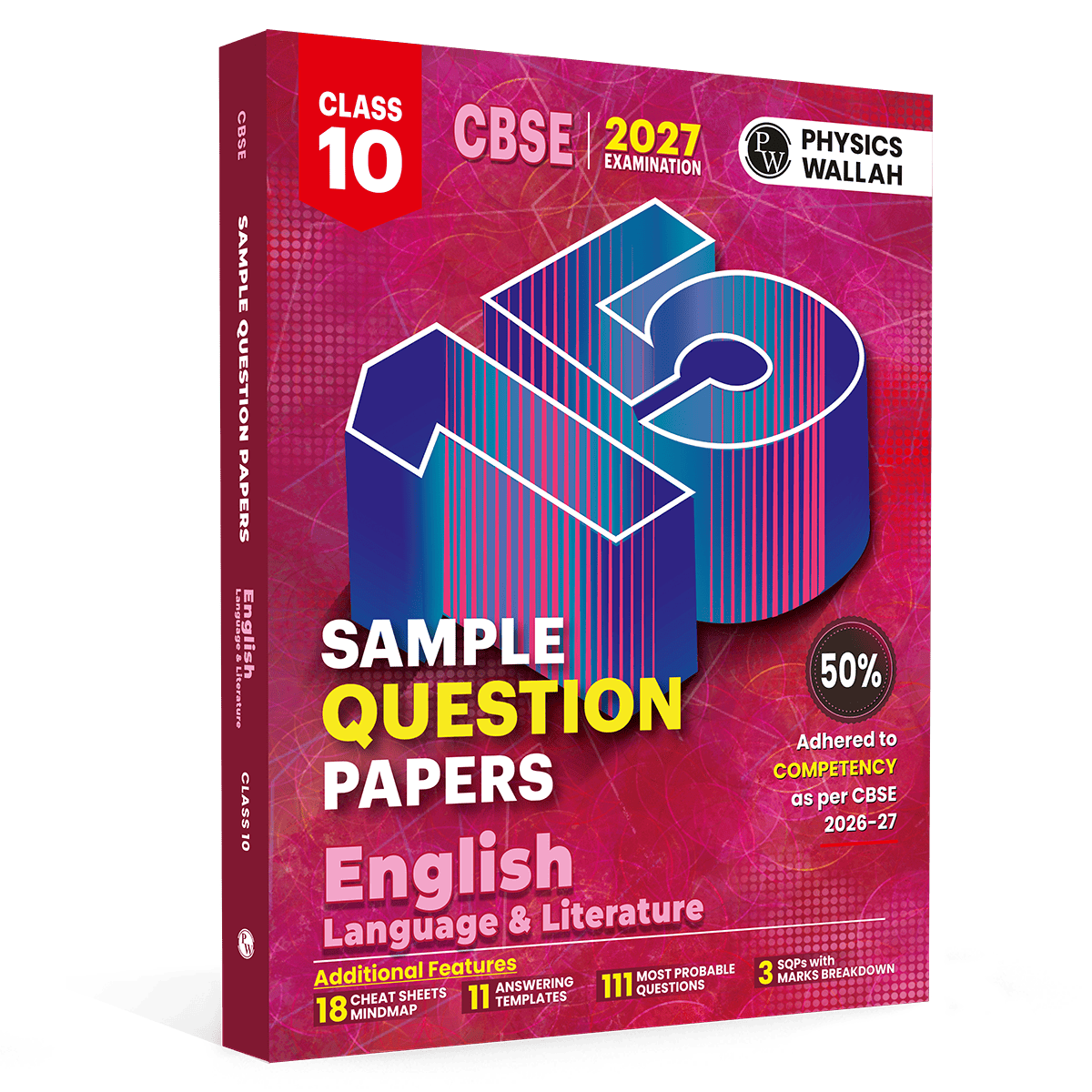
High-quality preparation books incorporate specific tools designed to streamline student revision. Utilizing these embedded features allows learners to target their individual weak spots systematically.
|
Feature |
Primary Benefit for Writing Tasks |
|
15 Board-Style Sample Papers |
Offers extensive practice across varied letter and paragraph prompts. |
|
Past 5 Years' Trend Analysis |
Identifies frequently asked letter types and chart formats. |
|
18 Cheat Sheets & Mind Maps |
Delivers quick revision for grammar rules and structural points. |
|
11 Answering Templates |
Teaches structured answer presentation for formal tasks. |
|
Mistake 101 & Key Takeaways |
Highlights common grammatical errors and formatting slips. |
Using comprehensive class 10 sample papers ensures balanced practice across all difficulty levels.
How to Structure Letters and Analytical Paragraphs in Class 10 English Sample Papers?
Correct structural layouts are non-negotiable in Section B. Examiners look for immediate adherence to prescribed formats before reading the main body text.
Formal Letter Layout
-
Sender's Address: Placed at the top left, spanning two to three lines without unnecessary commas.
-
Date: Written in full format (e.g., 12 October 202X) directly below the address.
-
Receiver's Designation & Address: Clear official title and location.
-
Subject Line: Concise, underlined, and stating the exact purpose of the letter.
-
Salutation: Respectful terms such as "Sir/Madam" or "Respected Sir".
-
Body Paragraphs: Divided logically into three parts:
-
Paragraph 1: Purpose of the letter.
-
Paragraph 2: Key details, cause, effect, or background information.
-
Paragraph 3: Expected action or concluding request.
-
Sign-off: Complimentary close like "Yours sincerely" followed by the signature and name.
Analytical Paragraph Layout
-
Introductory Sentence: Paraphrase the prompt, chart, or graph topic without copying verbatim.
-
Overview/Trend Body: Highlight key trends, major comparisons, highest/lowest points, or central statistics using objective language.
-
Concluding Sentence: Summarize the overall finding or draw a final logical inference based strictly on given data.
Practicing these formats through class 10 English sample papers makes proper layout second nature.
When to Time Your Writing Practice Using Class 10 English Sample Papers?
Time management determines whether you complete your board exam comfortably or rush through the final questions. Section B requires dedicated allocation during your practice sessions.
-
Target Allocation: Reserve approximately 15 to 20 minutes per writing task (10 minutes for formal letters, 10 minutes for analytical paragraphs).
-
Initial Planning Phase: Spend 2 minutes outlining key points, vocabulary, and structural layout before writing.
-
Drafting Phase: Spend 12–15 minutes executing the piece cleanly with strong transitional phrases.
-
Reviewing Phase: Dedicate the final 2 minutes to checking spellings, punctuation, and word count constraints.
Simulating actual exam conditions with class 10 English sample papers prevents time crunches on exam day.
Study Strategy Plan for Using Class 10 English Sample Papers
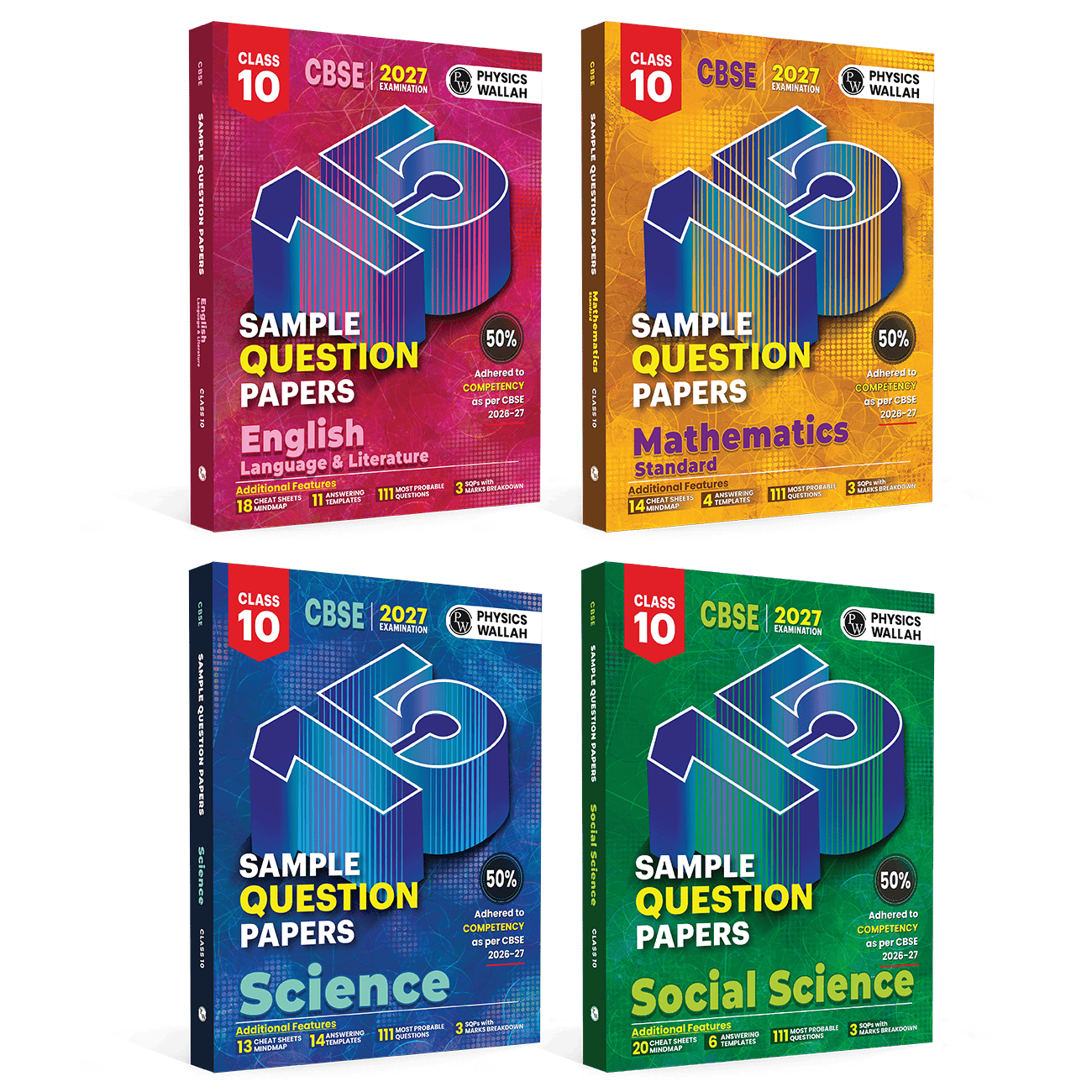
Executing writing tasks effectively demands an organized method rather than random drafting. Use the CBSE Class 10 Sample Papers Combo of 4 Books 2027 to follow a systematic approach when attempting practice papers.
-
Analyze the Prompt: Read the question carefully to identify the target audience, purpose, and key parameters required.
-
Select Answering Templates: Choose an appropriate layout frame from your available templates to organize your initial thought process.
-
Brainstorm Supporting Points: Jot down key arguments, data trends, or solution proposals on a scrap sheet.
-
Maintain Tone Consistency: Ensure formal letters maintain an official, polite tone and analytical paragraphs remain strictly objective.
-
Monitor Word Limits: Stick closely to the prescribed 100–120 word boundary to avoid penalties and save time.
-
Cross-Check with Marking Schemes: Match your completed attempt against official marking guides to verify accuracy and presentation.
Applying this routine while solving class 10 English sample papers helps build consistent writing habits.
Tips to Avoid Vocabulary and Grammar Errors in Class 10 English Sample Papers
Language precision directly impacts expression scores. Improving your writing quality requires eliminating repetitive phrasing and basic grammatical slips.
-
Use Active Voice: Write clear, direct sentences instead of overly complex passive constructions.
-
Vary Sentence Beginnings: Avoid starting consecutive sentences with the same pronoun or article.
-
Incorporate Transitional Words: Link thoughts smoothly using phrases such as "Consequently," "In contrast," or "Notably."
-
Eliminate Informal Slang: Stick to professional terminology; avoid contractions like "don't" or "can't" in formal letters.
-
Leverage Cheat Sheets: Review key grammar rules and word lists in specialized cheat sheets to refresh sentence structures.
Implementing these corrections during regular English writing practice class 10 elevates overall answer quality.
Common Mistakes Students Make in Writing Tasks While Solving Class 10 English Sample Papers
Many students lose easy marks due to avoidable oversight rather than lack of knowledge. Using CBSE Class 10 books for targeted practice and revision can help students recognize these common traps and prevent them during actual board exams.
-
Exceeding Word Limits: Writing excessively long answers leads to grammatical errors and eats into time reserved for other sections.
-
Personal Opinions in Data Analysis: Inserting personal views into analytical paragraphs instead of summarizing given data objectively.
-
Incorrect Formatting: Omitting dates, misplacing subject lines, or using informal sign-offs in official correspondence.
-
Ignoring Data Highlights: Listing raw numbers from a chart without comparing trends or identifying maximum/minimum values.
-
Ignoring Revision: Skipping the final proofreading step, leaving obvious spelling and punctuation errors uncorrected.
Reviewing the "Mistake 101" sections within Class 10 English sample papers helps students spot and rectify these flaws early.
Practice Sheet for Class 10 English Sample Papers
Test your skills with these exam-style prompts designed to match official board levels.
Task 1: Formal Letter (100–120 words)
-
You are Ankit/Ankita residing at 45, Mayur Vihar, New Delhi. Write a letter to the Editor of a national daily highlighting the growing issue of irregular garbage collection in your locality and suggesting actionable solutions.
Task 2: Analytical Paragraph (100–120 words)
-
The chart below displays the preferred modes of learning (Online Classes, Offline Coaching, Self-Study, Group Study) chosen by secondary students over the past three years. Analyze the data by identifying major trends, drawing logical comparisons, and writing a concise summary paragraph.
Regularly attempting practice sheets from class 10 English sample papers builds speed, precision, and confidence necessary to improve English writing marks.
Read More: CBSE Class 10 Sample Papers 2026-27
Class 10 English Sample Papers FAQs
How do class 10 English sample papers improve board preparation?
They expose students to realistic exam patterns, time limits, and marking criteria, allowing them to refine answer presentations and correct recurring mistakes effectively.
How much time should be spent on the writing section during exams?
Spend roughly 35 to 40 minutes in total on Section B, allocating 15 to 20 minutes per individual task, including planning and review time.
Why are answering templates useful for Section B writing tasks?
Answering templates provide structured frameworks for formal letters and data interpretations, ensuring students include all necessary components without losing marks on format.
How can I avoid losing marks in analytical paragraphs?
Focus strictly on objective analysis, compare given data points accurately, highlight key trends, and avoid adding personal opinions not supported by the prompt.
What is the ideal word count for formal letters and analytical paragraphs?
The ideal length for both writing tasks is strictly between 100 and 120 words. Keeping within this limit ensures clarity and prevents time management issues.