The Rise of Nationalism in Europe Questions Practice with CBSE Class 10 Sample Papers

The Rise of Nationalism in Europe is an important chapter in Class 10 Social Science History. It covers major events such as the French Revolution, the rise of nationalism, the unification of Italy and Germany, and the growth of national identities in Europe.
Students need to remember important people, events, ideas, and dates while also understanding their connection. Regular practice with Class 10 Nationalism in Europe questions from CBSE Class 10 Sample Papers can make revision easier and improve answer-writing skills.
Why Are Class 10 Nationalism in Europe Questions Important?
Questions of class 10 nationalism in Europe are important because they help students revise major events, leaders, ideas, and developments related to the growth of nationalism in Europe.
Regular practice improves understanding of topics such as the French Revolution, the unification of Italy and Germany, national identities, and the Balkans. Solving different question types also helps students improve their ability to recall historical facts, write clear answers, and handle source-based and application-based questions in the board exam.
Features of Class 10 Nationalism in Europe Questions
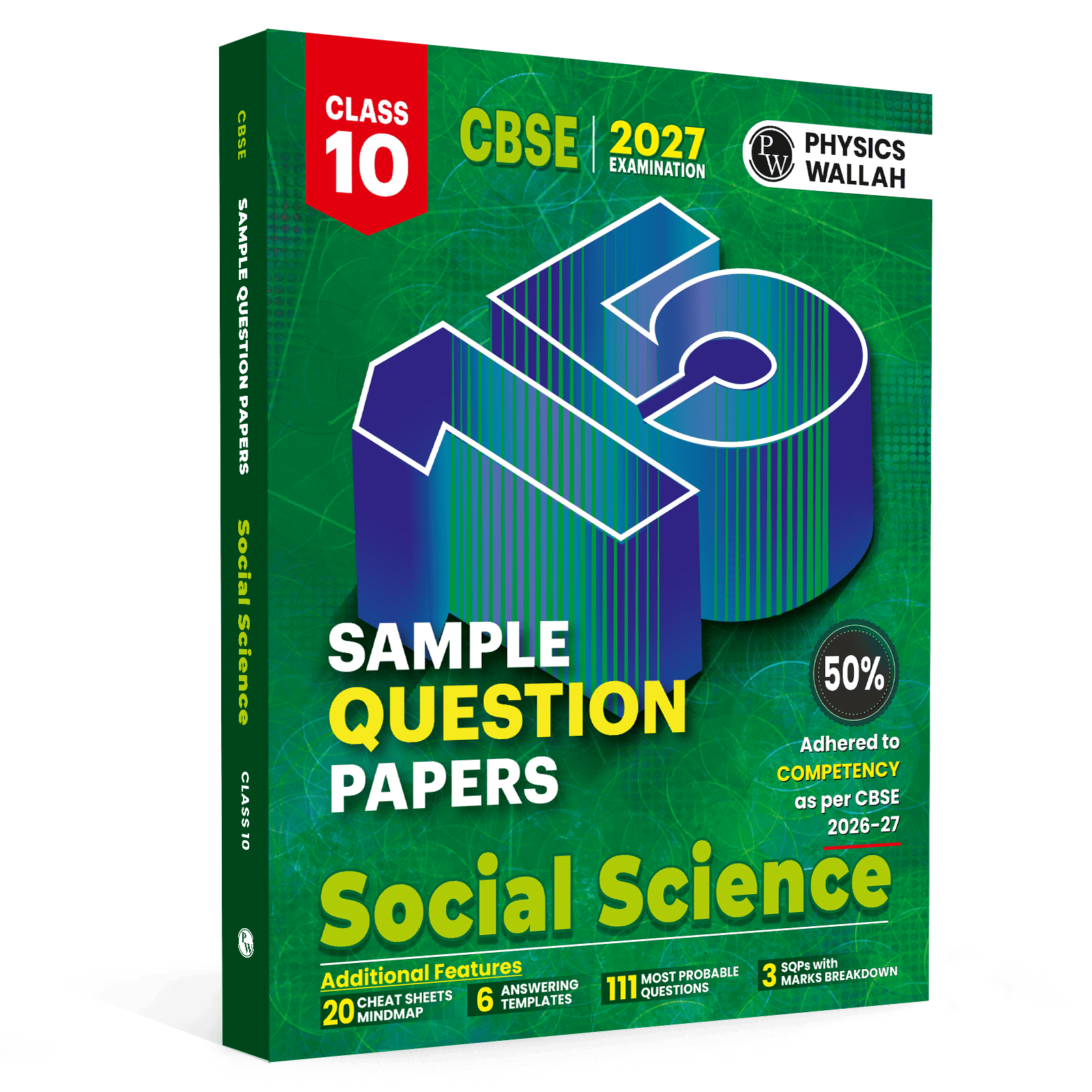
The CBSE Class 10 Social Science sample paper book provides resources for full-paper practice, quick revision, and better answer writing. These features can help students prepare for different parts of the Social Science exam.
-
15 CBSE Sample Question Papers: Solve 15 complete board-style papers based on the latest CBSE Class 10 Social Science exam pattern.
-
CBSE Past 5 Years' Trend Analysis: Review important question trends from the past five years, including solved papers from 2024 and 2025.
-
20 Cheat Sheets & Mind Maps: Revise important dates, events, concepts, and key points quickly with 20 chapter-wise revision resources.
-
111 Most Probable Questions: Practise 111 selected questions covering important and exam-focused Social Science topics.
-
Marking Scheme & Topper's Answers: Understand how answers can be presented according to the marking scheme and study topper-style answer formats.
-
Level-Wise Sample Papers: Practise questions at different difficulty levels and gradually improve your preparation.
-
6 Answer-Writing Templates: Use six templates to understand how different types of Social Science answers can be structured.
-
Mistake 101 & Key Takeaways: Learn about common board exam mistakes and simple ways to improve your answers.
-
Marking Stickers for Progress: Track your practice and identify topics that need more revision.
-
Updated for the Latest Exam Format: Prepare with guidance related to the CBSE Two-Exam Policy 2026 and the latest board exam format.
What are the Main Topics in Class 10 Nationalism in Europe Questions?
Before solving practice questions, students should revise the main events and ideas from the chapter. Understanding the story behind each event makes it easier to answer different types of questions.
Important topics include:
-
French Revolution: Understand how the revolution introduced ideas such as liberty, equality, and nationalism.
-
Rise of nationalism: Learn how nationalism developed in different parts of Europe.
-
Giuseppe Mazzini: Revise his ideas and role in the Italian nationalist movement.
-
Unification of Italy: Study the roles of Mazzini, Cavour, Garibaldi, and Victor Emmanuel II.
-
Unification of Germany: Understand the role of Otto von Bismarck and the Prussian leadership.
-
Britain: Learn how the British nation-state developed through a different process.
-
Balkan region: Understand the growth of nationalism and the tensions that developed in the region.
-
Symbols and national identity: Revise how nations were represented through figures, symbols, and cultural ideas.
Practising Nationalism in Europe questions Class 10 from CBSE Class 10 Books after each topic helps students check their understanding instead of only memorising the chapter.
How to Practise Class 10 Nationalism in Europe Questions?
Students should solve questions in different formats. This is useful because board-style papers can test the same topic through different question types.
For rise of nationalism in Europe important questions, practise:
-
Questions based on important events and dates.
-
Short questions about leaders and their contributions.
-
Questions asking for causes and effects.
-
Source-based and case-based questions.
-
Questions based on paintings, symbols, or historical figures.
-
Long-answer questions that require several points.
-
Questions comparing the unification of different European nations.
While checking answers, make sure every important point is clearly written. Avoid adding unrelated historical facts just to make the answer longer.
After revising the chapter, move to nationalism in Europe sample questions. These questions give students a chance to apply what they have learned.
Try questions such as:
-
How did the French Revolution promote the idea of nationalism in Europe?
-
What role did Mazzini play in the development of nationalism in Italy?
-
How did Bismarck help in the unification of Germany?
-
Why was the process of unification in Britain different from that of Germany and Italy?
-
How did culture contribute to the growth of nationalism?
-
Why did nationalism become a source of tension in the Balkans?
For each answer, first identify what the question is asking. Then write the response in clear points and support each point with the correct historical fact.
How to Improve Accuracy With Class 10 Nationalism in Europe Questions?
History answers require correct names, events, terms, and dates. Regular nationalism in Europe practice questions can help students find mistakes before the board exam.
During practice, focus on:
-
Remembering the correct order of major historical events.
-
Writing names such as Giuseppe Mazzini, Otto von Bismarck, and Garibaldi correctly.
-
Understanding terms such as absolutist, utopian, and plebiscite.
-
Connecting important events with their causes and results.
-
Reading questions carefully before writing answers.
-
Using headings or bullet points when they make a long answer easier to read.
After every practice session, note down the questions you answered incorrectly. Revise those topics before attempting another set.
How to Check Answers with Nationalism in Europe Questions?
Students can learn a lot by checking their answers after completing a practice set. Nationalism in Europe questions with solutions help students understand what information should be included in an answer.
When checking a solution, look for:
-
The main point asked in the question.
-
Correct names and historical events.
-
Relevant dates where required.
-
Clear cause-and-effect explanations.
-
The right number of points for the marks given.
-
Simple and direct language.
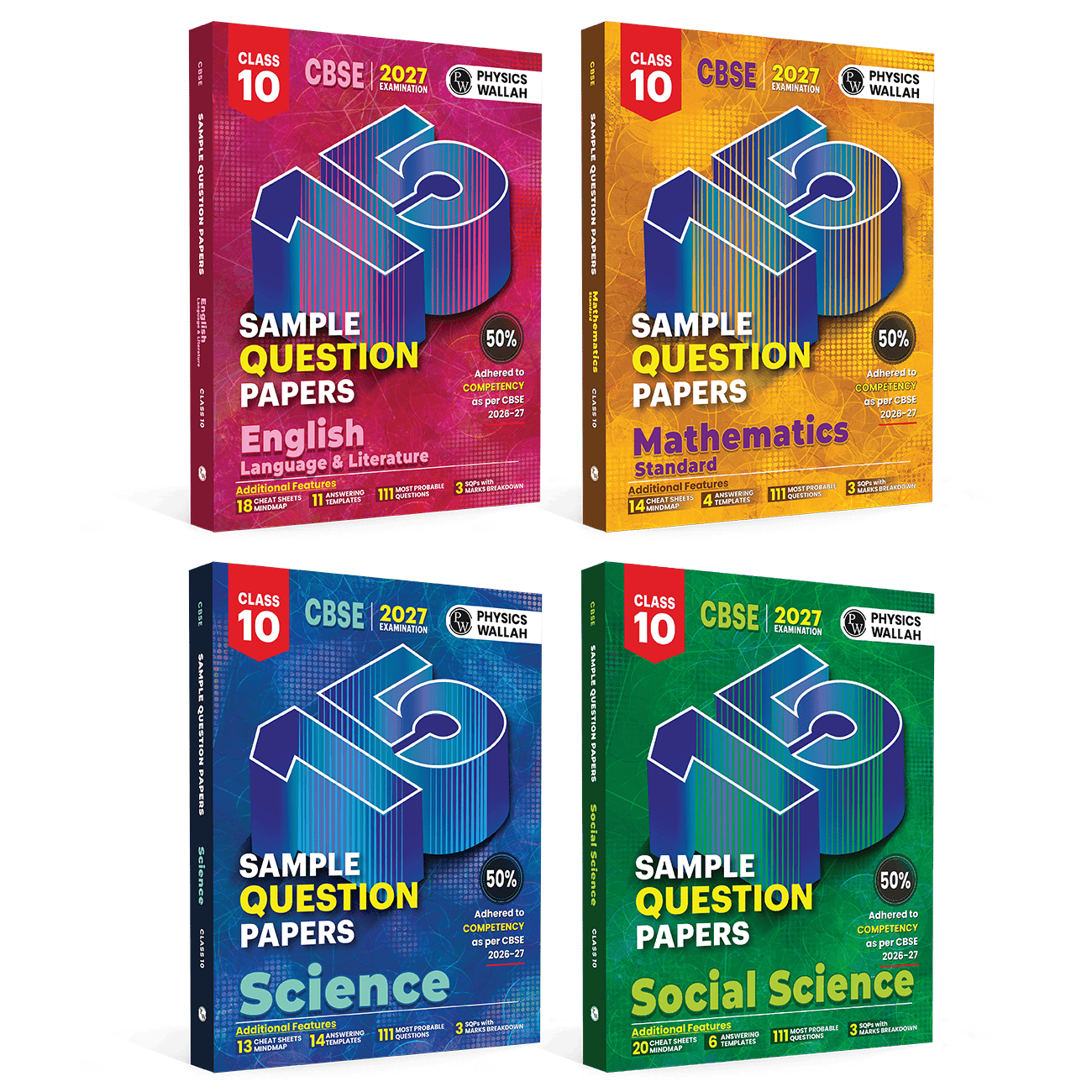
If your answer is different from the model answer in the CBSE Class 10 Sample Papers Combo of 4 Books 2027, compare the main ideas rather than trying to copy the exact wording. This helps you build your own answer-writing skills.
Tips for Using Class 10 Nationalism in Europe Questions
Previous-year questions can help students understand how historical concepts are tested. Solving class 10 nationalism in Europe PYQs also gives students practice with real exam-style questions.
When solving PYQs, pay attention to:
-
Questions about the French Revolution and nationalism.
-
The role of Mazzini and Bismarck.
-
Italian and German unification.
-
The development of national identities.
-
Questions related to the Balkans.
-
Picture, source, and case-based questions.
Do not simply memorise PYQ answers. Instead, understand why the answer is correct and connect the question with the relevant part of the textbook.
What Mistakes Should You Avoid in Class 10 Nationalism in Europe Questions?
Students often lose marks because of small factual or presentation errors. Common mistakes include:
-
Confusing the roles of Mazzini, Cavour, Garibaldi, and Bismarck.
-
Mixing up events from Italian and German unification.
-
Forgetting important historical terms.
-
Writing dates or names incorrectly.
-
Giving only one point when the question asks for several.
-
Writing long paragraphs without clearly separating different points.
-
Memorising answers without understanding the events behind them.
Regular revision and timed practice can help reduce these errors.
Read More: 3 Marks CBSE Class 10 Social Science Questions
Class 10 Nationalism in Europe Questions FAQs
What types of class 10 nationalism in Europe questions appear in board exams?
Students may face objective, short-answer, case-based, source-based, and longer descriptive questions. The questions can test events, leaders, causes, effects, concepts, and historical sources.
How do nationalism in Europe questions class 10 help in board preparation?
They help students revise important concepts, practise different question formats, improve answer structure, and identify topics that need more attention.
Where can I find rise of nationalism in Europe important questions?
Students can use chapter-wise question banks, CBSE sample papers, previous-year papers, and other board-focused Social Science practice resources for revision.
Why should I solve nationalism in Europe sample questions before the exam?
Sample questions help you practise recalling historical facts and writing answers within a limited time. They also help you become familiar with different ways a topic can be tested.
How can I use class 10 nationalism in Europe PYQs for revision?
Solve the PYQs without checking the answers first. After completing them, compare your responses with the solutions, note your mistakes, and revise the related textbook topics.