How to Use Class 10 Science Sample Papers After Completing NCERT
Completing the NCERT textbook is a major milestone for every student, yet many feel NCERT is about how to translate chapter readings into top exam scores. Reading theory creates conceptual clarity, but sitting for a board exam requires speed, precision, and accurate answer formatting.
Transitioning from textbook revision to timed practice can feel overwhelming without a clear roadmap. Using structured practice tools helps bridge this gap efficiently.
By integrating class 10 science sample papers into your daily schedule, you can transform raw subject knowledge into clear, mark-fetching responses that satisfy board evaluation standards.
Overview of Class 10 Science Sample Papers
High-quality revision materials offer a complete simulation of the final assessment environment. They help students adapt to question formats, ranging from objective multiple-choice items to detailed analytical questions.
-
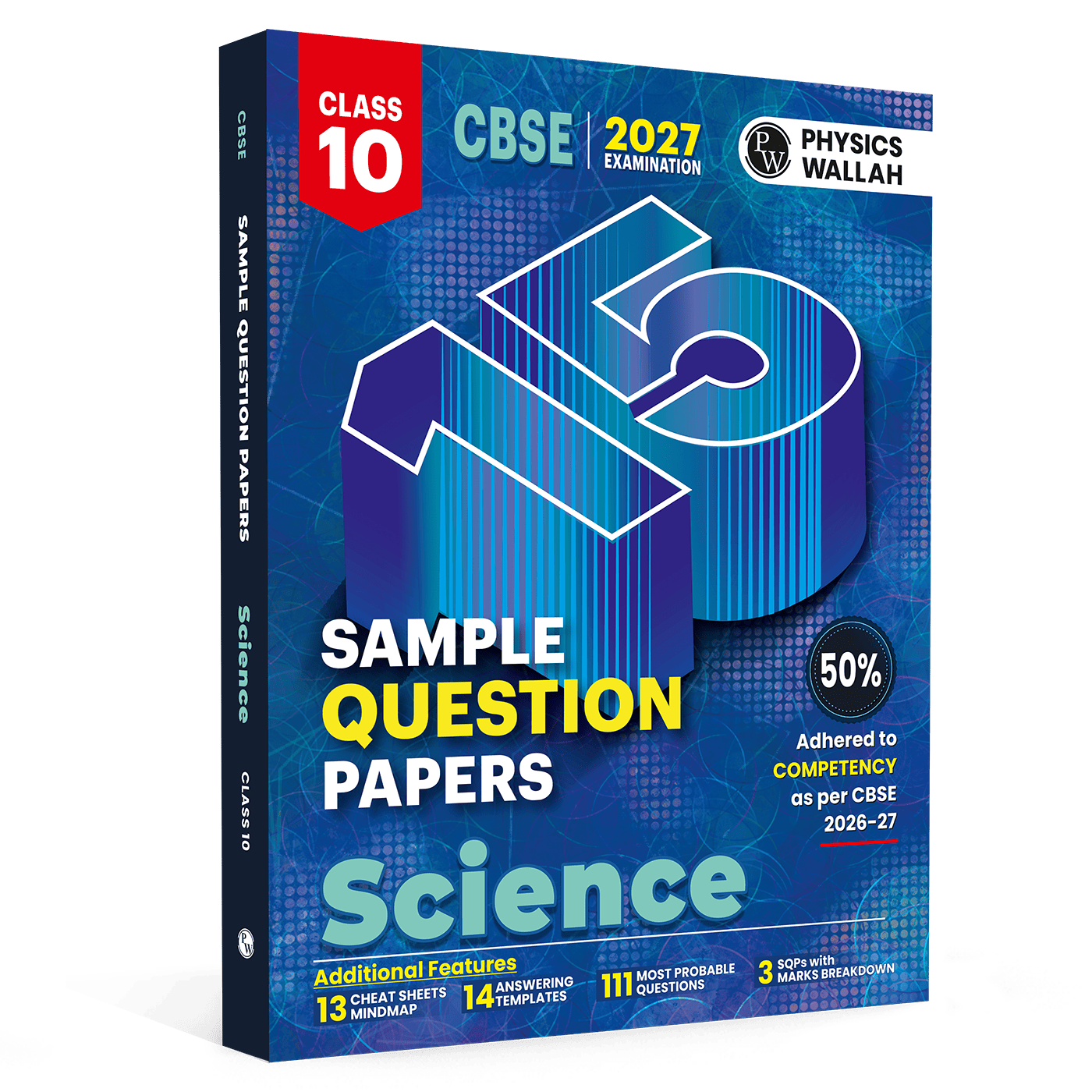
15 Board-Style Sample Question Papers: Practice with 15 board-style class 10 science sample papers designed according to the latest CBSE exam pattern.
-
CBSE Past 5 Years' Trend Analysis: Offers clarity on recurring question types alongside fully solved papers from 2024 and 2025.
-
111 Most Probable Questions: Focuses your revision on high-yield, exam-relevant concepts selected to maximize preparation efficiency.
-
13 Cheat Sheets and Mind Maps: Visual revision aids that allow quick revision of formulas, key definitions, and scientific concepts.
-
14 Answering Templates: Teaches students structured answer presentation techniques to improve scoring potential.
-
Updated Board Exam Guidance: Keeps students aligned with current policies, including the CBSE Two-Exam Policy 2026.
Working through these tailored elements gives you direct access to realistic board-level difficulty, ensuring no surprise question types catch you off guard during final tests.
Features of Class 10 Science Sample Papers
Modern CBSE Class 10 books include specialized features tailored to enhance writing style and track conceptual progress.
-
Level-Wise Sample Papers: Practice questions across different difficulty levels to improve conceptual clarity, accuracy, speed, and exam readiness.
-
CBSE Marking Schemes and Topper Answers: Explains step-wise marking rules and shows how top performers structure high-scoring answers.
-
Practice Question Booklets: Get additional Class 10 Science practice questions to strengthen concepts and improve problem-solving skills.
-
Marking Stickers: Visual tools that make tracking preparation progress straightforward while pointing out specific improvement areas.
-
Mistake 101 and Key Takeaways: Identifies common student blunders so you can avoid easy mark deductions during final exams.
Using these integrated features systematically transforms your daily revision into a data-driven process, where every study session explicitly targets score improvement.
Importance of Transitioning to Class 10 Science Sample Papers
Relying solely on textbook exercises often leaves gaps in exam readiness. While NCERT builds your foundation, board exams assess your ability to recall details under strict time limits. Moving to structured practice ensures comprehensive science board preparation.
Working with NCERT and sample papers class 10 science simultaneously allows you to verify whether your theoretical understanding matches board expectations. Regular paper practice highlights hidden weak spots, trains you to handle tricky language, and conditions your mind to write clear, concise answers without missing critical points.
When you regularly attempt comprehensive test sets, you train your brain to retrieve learned information under exam conditions. This process helps lower anxiety, enhances speed, and ensures you finish long papers well within the allotted duration.
How to Apply NCERT Concepts Directly into Class 10 Science Sample Papers?
Connecting NCERT theory directly to board-style questions requires a systematic practice method.
-
Read the NCERT Chapter: Revise fundamental definitions, chemical reactions, and core concepts thoroughly from your textbook.
-
Attempt Sample Questions: Select relevant questions from class 10 science practice papers without checking the solution first.
-
Compare with Official Schemes: Evaluate your written response against the CBSE marking scheme provided in the book.
-
Refine Terminology: Ensure your response contains exact technical terms and balanced chemical equations as highlighted in topper answer guides.
Regularly performing this conversion helps eliminate guesswork during real assessments. You gradually learn what specific phrases examiners look for, enabling you to earn full marks on complex, multi-part descriptive questions.
When to Shift Focus from NCERT Revision to Full-Length Class 10 Science Sample Papers?
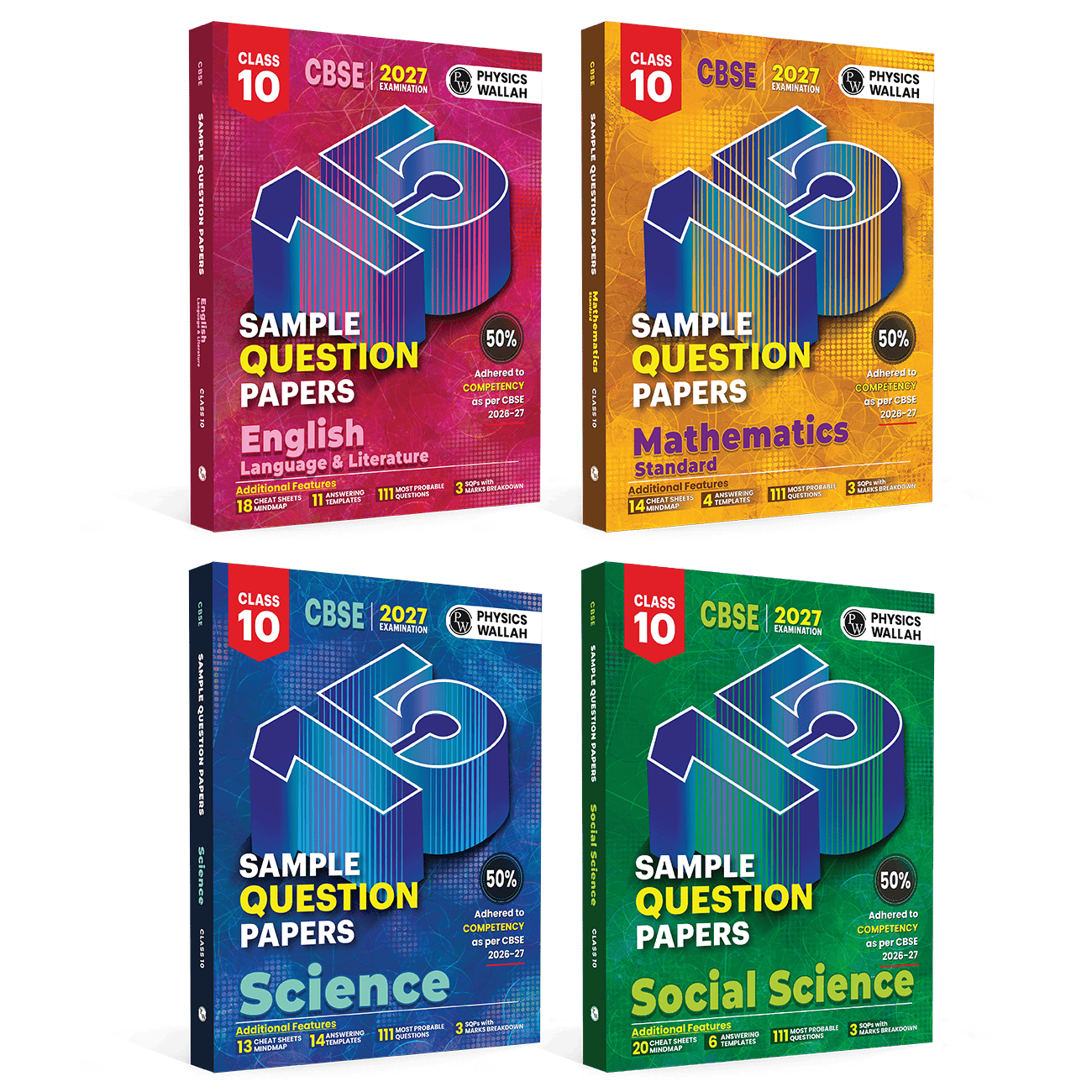
Timing your transition correctly prevents last-minute panic and ensures balanced coverage. Practicing with resources such as the CBSE Class 10 Sample Papers Combo of 4 Books 2027 can help students manage time effectively and become more comfortable with exam-style questions.
-
Initial Stage (100% Syllabus Coverage): Complete every NCERT chapter along with all in-text questions and exercise problems first.
-
Transition Phase (Topic Integration): Begin solving science sample papers after NCERT chapters are completed to check retention levels across subjects.
-
Testing Phase (Full Mock Tests): Dedicate fixed study blocks to full-length tests to build exam stamina using a science mock test approach.
-
Final Revision Phase (Error Rectification): Spend equal time reviewing incorrect answers using diagnostic tools like Mistake 101 sections.
A structured progression prevents students from attempting mock tests prematurely, ensuring you always have the necessary conceptual backing before evaluating your speed and performance.
Study Plan for Using Class 10 Science Sample Papers
Organizing your revision schedule into structured phases helps maintain momentum right up to exam day.
|
Timeline |
Preparation Focus |
Action Items |
|
Phase 1 (Weeks 1–2) |
Rapid Concept Review |
Use 13 cheat sheets and mind maps to review key formulas and definitions quickly. |
|
Phase 2 (Weeks 3–4) |
Targeted Practice |
Solve 111 most probable questions and topic-specific practice booklets. |
|
Phase 3 (Weeks 5–6) |
Timed Simulation |
Attempt full-length papers using a science mock test setup under strict 3-hour limits. |
|
Phase 4 (Weeks 7–8) |
Presentation & Error Analysis |
Review 14 answering templates and past 5 years' trend analysis to polish final responses. |
Adhering to this weekly routine ensures balanced coverage across Physics, Chemistry, and Biology, keeping your preparation structured and stress-free.
Tips to Solve Questions in Class 10 Science Sample Papers
Maximizing the effectiveness of your practice sessions requires disciplined execution.
-
Simulate Strict Exam Conditions: Sit in a quiet room and finish the paper within the 3-hour mark without taking unauthorized breaks.
-
Leverage Answering Templates: Follow structured layouts for numerical problems, listings, and reasoning questions to ensure neat presentation.
-
Pay Attention to Step Marking: Break down long answers into distinct, bulleted points to capture every available mark according to official marking schemes.
-
Track Scores with Marking Stickers: Use progress trackers to monitor score improvements across successive tests.
-
Analyze Every Error: Review failed attempts immediately to fix conceptual misunderstandings before the actual board exam.
Applying these strategies systematically and practising with CBSE Class 10 sample papers sharpens your execution skills, allowing you to approach exam day with total composure and clarity.
Common Mistakes Students Make While Attempting Class 10 Science Sample Papers
Avoiding strategic errors during practice ensures that your study hours yield maximum score improvements.
-
Reading Papers Passively: Skimming through questions and checking answers without writing them down by hand reduces retention.
-
Ignoring the Timer: Practicing without strict time constraints creates a false sense of security regarding speed.
-
Skipping Self-Evaluation: Finishing a test without grading it against the official CBSE marking scheme hides critical mistakes.
-
Neglecting Presentation: Writing messy, unorganized paragraphs instead of utilizing clear answering templates lowers clarity.
-
Disregarding Past Trends: Spending equal time on all topics without reviewing 5-year trend analysis leads to inefficient study sessions.
Being mindful of these common missteps allows you to adjust your approach early, making your study sessions significantly more effective.
Read More: CBSE Class 10 Sample Papers 2026-27
Class 10 Science Sample Papers FAQs
How many class 10 science sample papers should I solve before the exam?
Solving 15 board-style class 10 science sample papers provides comprehensive coverage of various difficulty levels and question patterns.
Why are cheat sheets and mind maps useful for science board preparation?
They allow quick revision of important concepts, formulas, and key points right before attempting full-length practice tests.
How do NCERT and sample papers class 10 science work together?
NCERT provides the foundational concepts, while class 10 science practice papers train you to apply that knowledge effectively under exam conditions.
Should I take a full science mock test before solving sample papers after NCERT?
It is best to transition gradually using science sample papers after NCERT before attempting a complete timed science mock test.
How do I track my progress while solving practice papers?
You can use marking stickers and progress tracking tools to log test scores, identify strong areas, and pinpoint topics needing further review.