What Should You Solve First From Your ICSE Class 10 Question Banks?
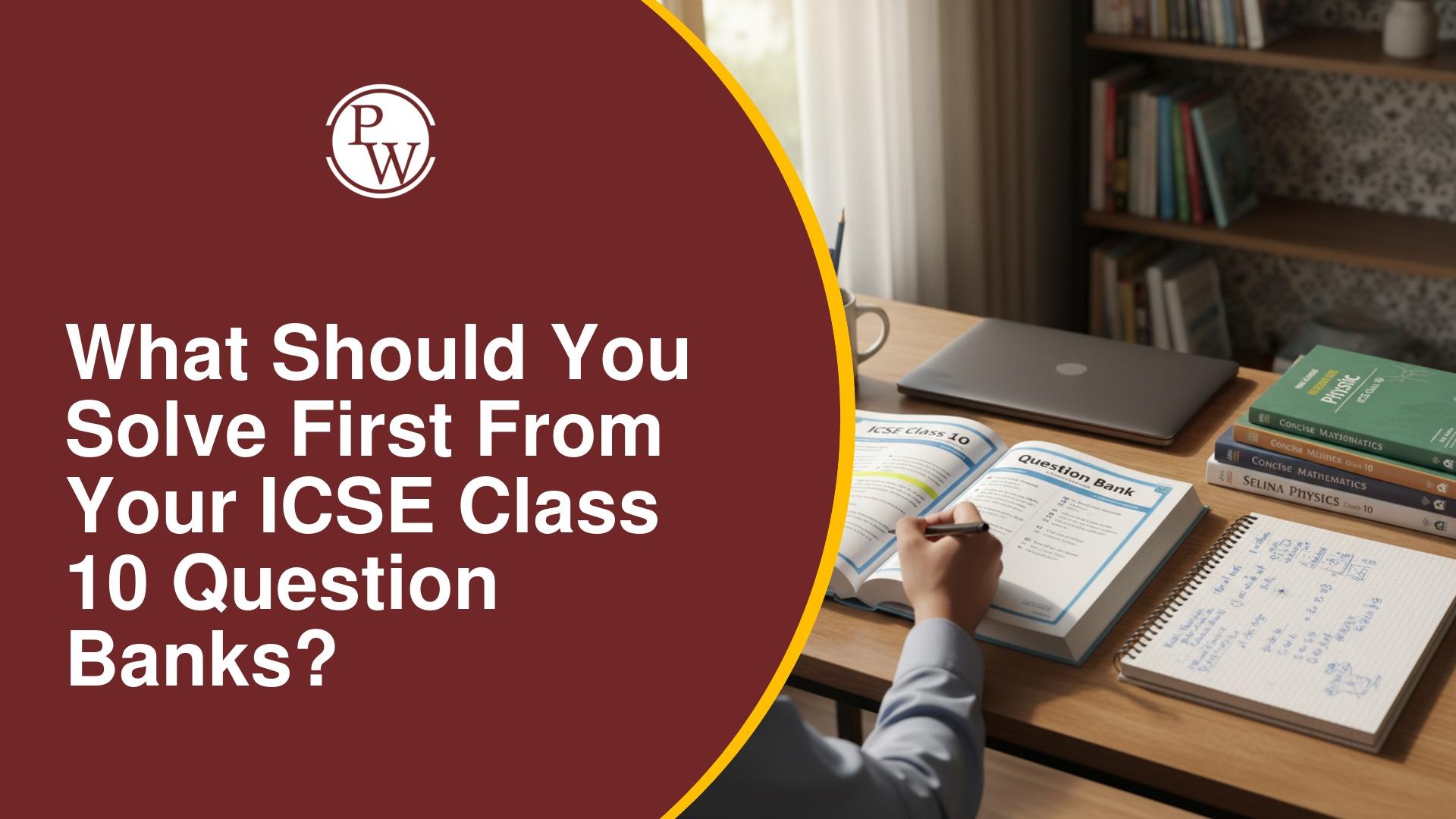
Students often feel overwhelmed when opening an ICSE Class 10 question bank because of the massive volume of theoretical summaries, previous year papers, and competency-based problems. Knowing which section to tackle first prevents wasted study time, streamlines your ICSE board preparation, and builds high exam confidence step by step.
Preparing for board exams requires a clear sequence rather than solving pages at random. ICSE papers evaluate conceptual clarity alongside precise application skills across science, mathematics, humanities, and languages. When you organize your study session around structured priorities, you retain complex topics much faster.
Overview of ICSE Class 10 Question Bank
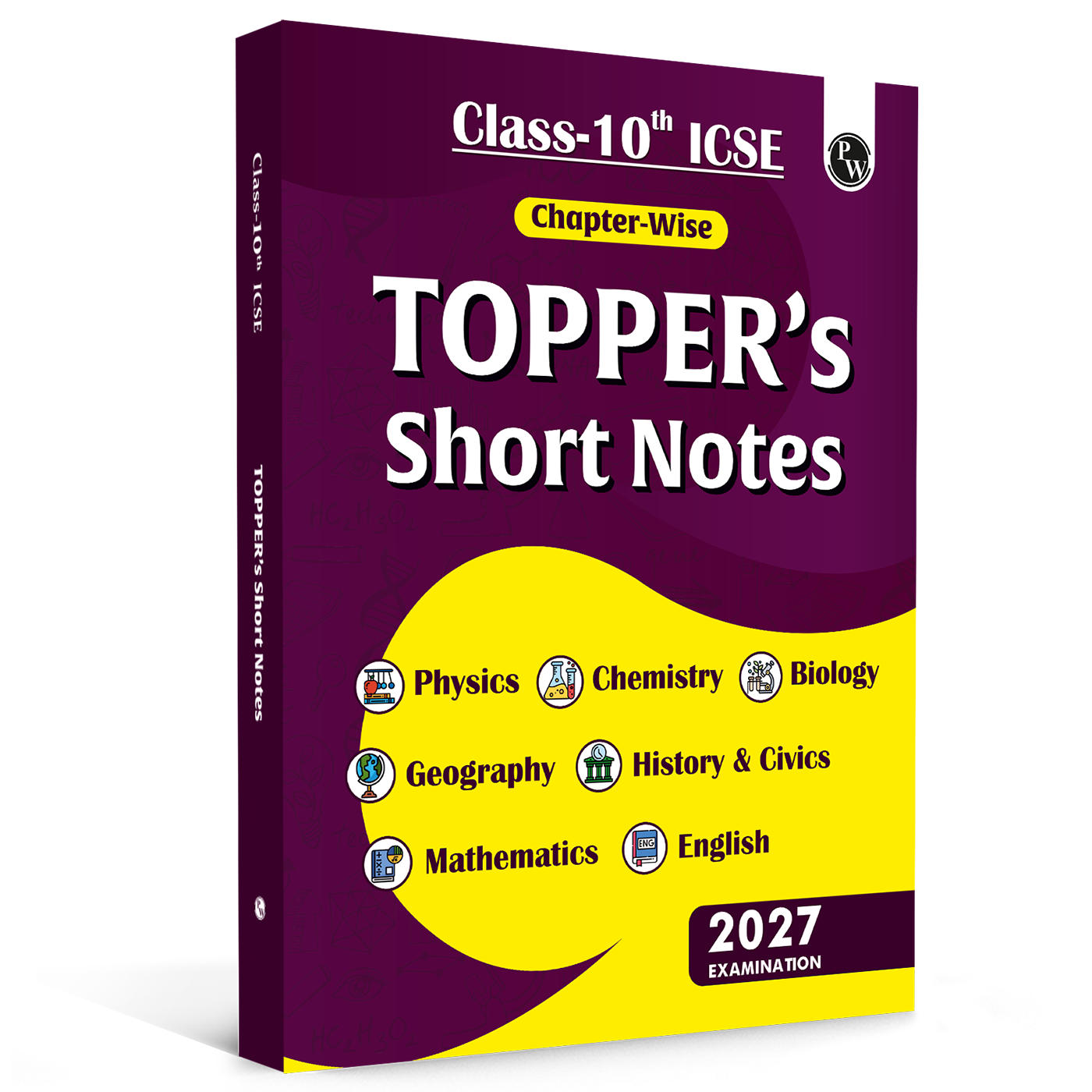
A question bank is a useful study resource for students preparing for their board exams. It brings important questions, chapter-wise practice, previous year questions, competency-based questions, and solved papers into one place. Students can use it to revise concepts, understand question patterns, improve answer writing, and practise time management.
A good question bank also helps students find weak topics and practise them before the final exam. By using the question bank regularly along with textbooks and class notes, students can make their ICSE board preparation more organised and effective.
Features of ICSE Class 10 Question Bank
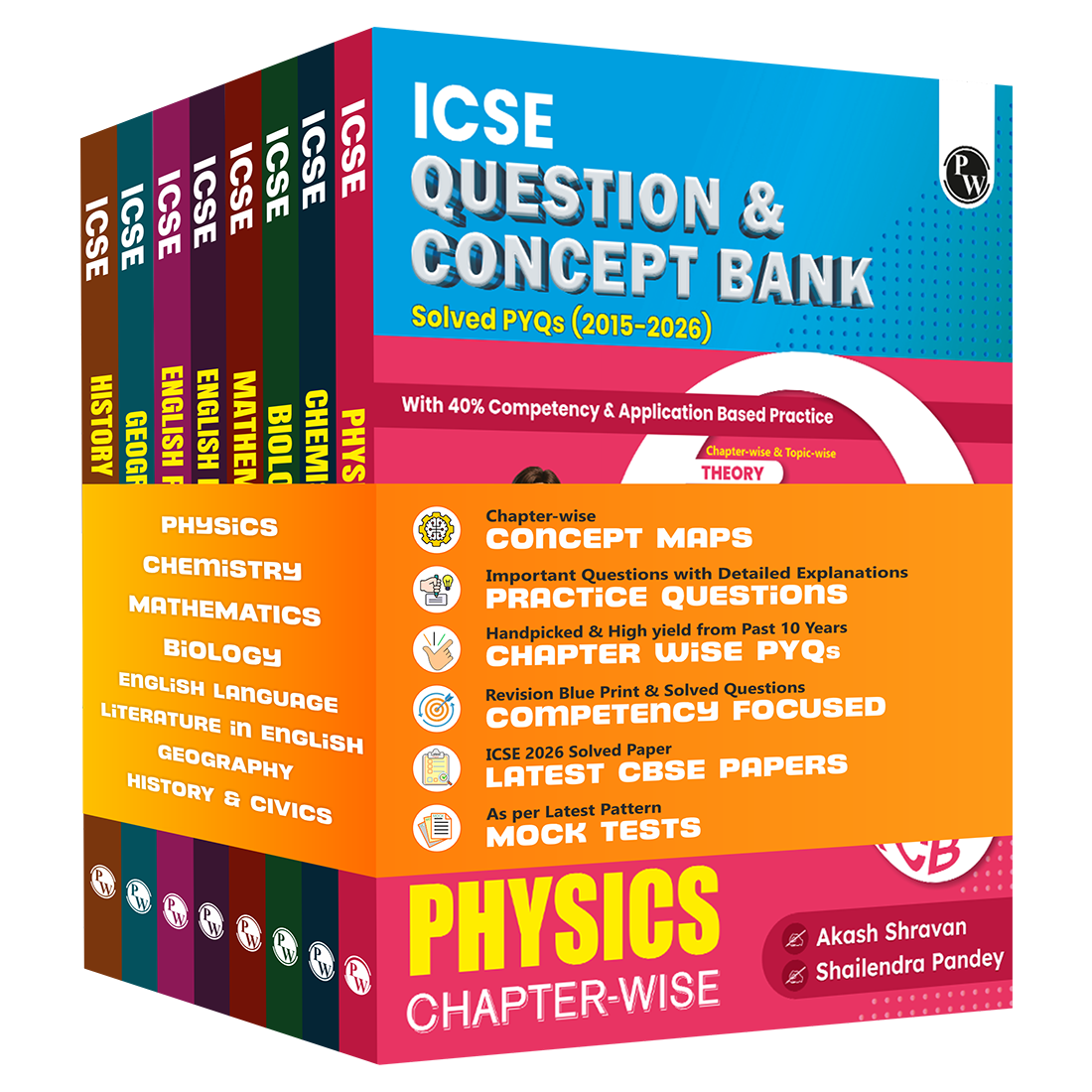
Prepare for the ICSE Class 10 board exams with complete study, practice, and revision support in one book. The ICSE Class 10 Question Bank combines chapter-wise theory, previous year questions, detailed solutions, competency-based practice, and mock tests to help students prepare with confidence.
Chapter-wise & Topic-wise Theory: Build strong concepts with well-organized subject content arranged chapter-wise and topic-wise. This makes learning easier and helps students cover the syllabus in a planned way.
Simple & Detailed Explanations: Understand important concepts with clear and easy-to-follow explanations. Each topic is explained in a simple manner to support better learning and quick revision.
12 Years of High-Yield Questions: Practise selected ICSE Class 10 Previous Year Questions (PYQs) from the last 12 years. These important questions help students understand repeated topics and prepare according to the exam pattern.
Competency-Based Questions & Revision Blueprint: Improve analytical and application skills with competency-based questions. The revision blueprint also helps students organise their study schedule and revise important topics effectively.
Fully Solved ICSE 2026 Board Paper: Get detailed solutions to the latest ICSE 2026 Question Paper and understand the current board exam pattern, question types, and level of difficulty.
Latest Pattern Mock Tests: Practise ICSE-style mock tests based on the latest exam format. Regular tests help improve speed, accuracy, time management, and confidence before the final board examination.
How to Use an ICSE Class 10 Question Bank for Effective Revision?
A well-planned ICSE Class 10 revision strategy helps students build strong concepts, improve answer writing, and manage exam time better. Follow these five steps to use your 10 question bank effectively, from theory review and PYQs to mock tests.
1. Start with Chapter-Wise Theory Summaries in Your ICSE Class 10 Question Bank
Before attempting any numerical or long answer, you must review the chapter-wise theory summaries provided in your question bank. Attempting ICSE Class 10 practice questions without reviewing fundamental definitions and formulas often leads to careless errors and lost time.
-
Quick Formula and Definition Checks: Use topic summaries to refresh fundamental laws, definitions, and mathematical identities.
-
Identify Core Concepts: Spot key diagrams, chemical equations, or historical dates emphasized in the chapter overview.
-
Bridge Learning Gaps: Fill any knowledge gaps left during classroom lectures before attempting graded questions.
A thorough 10-to-15-minute review of chapter theory creates a solid foundation, allowing you to solve subsequent practice problems smoothly and accurately.
2. Solve Past 12 Years ICSE Class 10 Important Questions
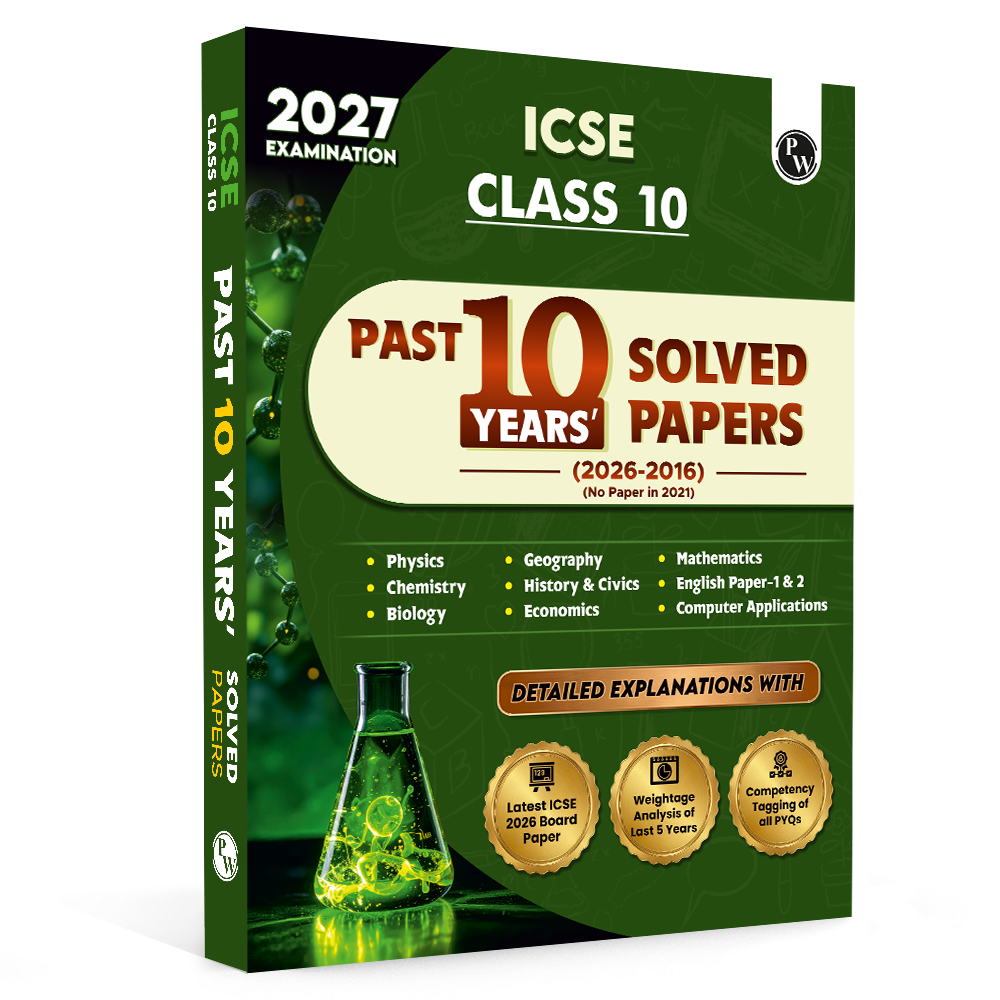
Once your concepts are refreshed, move directly to past 12 years' previous year questions (PYQs). Board examiners frequently repeat question formats, command words, and core marking themes across years. Working on ICSE Class 10 important questions helps you understand precisely what examiners expect.
ICSE Class 10 QUESTION TYPES & STUDENT FOCUS
|
Question Type |
Primary Student Focus |
|
Past 12 Years PYQs |
Pattern Recognition, Marking Schemes, Key Terms |
|
Competency-Based Practice |
Real-World Application, Analytical Reasoning |
|
Latest Solved Papers |
Time Allocation, Paper Structure, Board Trends |
Solving authentic past paper questions exposes you to recurring trends in Physics, Chemistry, Biology, and Mathematics. It also helps you master the exact keywords necessary to score full marks under the ICSE evaluation scheme.
3. Master Competency-Based ICSE Class 10 Practice Questions
Modern ICSE papers place significant emphasis on competency-based questions that test application and analytical reasoning rather than rote memory. After mastering standard PYQs, focus on case-based scenarios, picture-based questions, and assertion-reasoning problems.
-
Analyze Data and Diagrams: Practice interpreting graphs, experimental setups, and biological diagrams accurately.
-
Apply Theoretical Knowledge: Connect textbook definitions to real-world scenarios and practical applications.
-
Develop Step-by-Step Reasoning: Train yourself to write clear logical steps for structured 3-mark and 4-mark questions.
Targeting competency-based problems in your ICSE Class 10 revision routine ensures you remain fully prepared for unexpected or modified board questions.
4. Work Through Solved Board Papers in Your ICSE Class 10 Question Bank
After completing chapter-specific practice, analyze fully solved board papers, such as the solved ICSE board papers included in standard resources. Studying high-scoring model answers teaches you how to structure responses neatly and manage space effectively.
Step 1: Read the Question & Identify Keywords
│
▼
Step 2: Compare Draft Response Against Model Answer
│
▼
Step 3: Note Missed Sub-Points or Technical Terms
│
▼
Step 4: Refine Answer Writing Style for Full Marks
Comparing your written responses against step-by-step solved answers helps you identify missing technical terms, improper units, or incomplete diagrams. This exercise directly refines your answer presentation for the final exam.
5. Attempt Full-Length Mock Tests from Your ICSE Class 10 Question Bank
The final stage of your preparation sequence involves solving full-length mock tests under strict timed conditions. Mock papers evaluate your speed, accuracy, and mental stamina across lengthy subjects like English Literature, Geography, and Mathematics.
-
Simulate Real Exam Conditions: Solve papers in a quiet room within the official 2-hour or 2.5-hour time limit.
-
Improve Time Management: Allocate specific time slots for Section A (objective/short answers) and Section B (descriptive choices).
-
Build Mental Endurance: Train your mind to maintain focus and writing speed throughout the entire examination.
Regular mock test practice reduces exam anxiety, eliminates pacing errors, and confirms whether your ICSE Class 10 revision plan has been effective.
How to Make Your Subject-Wise ICSE Board Preparation?
Different ICSE subjects demand distinct solving strategies. A strategy that works for Mathematics may not yield the same results for History or English Language. Using ICSE Class 10 Books alongside regular practice can help students build subject-wise understanding and prepare more effectively for different question formats..
QUESTION BANK STRATEGY
|
Subject Area |
Key Preparation Strategy |
|
Sciences & Math |
Formula & Theory Review; Past 12 Years Numerical PYQs; Competency-Based Practice |
|
Social Sciences |
Blueprint & Dates Review; Structured Long PYQs; Map & Picture-Based Practice |
|
Languages |
Format & Grammar Check; Passage & Essay Practice; Model Sample Answers |
Science and Mathematics
Start with fundamental definitions, derivations, and formulas. Next, solve past 12 years' numerical problems and chemical reaction balancing exercises before attempting complex competency-based questions.
History, Civics, and Geography
Begin with structured revision blueprints to memorize key dates, constitutional articles, and geographical terms. Follow up with map work, picture-based practice, and 3-mark to 5-mark past questions.
English Language and Literature
Focus on formal essay structures, letter formats, and grammar exercises first. For Literature, review character sketches and theme summaries before attempting context-based extract questions.
Read More: ICSE Class 10 Maths Weightage and Exam Pattern
ICSE Class 10 Question Bank FAQs
Why should I start with chapter summaries in my ICSE Class 10 question bank?
Starting with chapter-wise summaries refreshes core formulas, definitions, and concepts. This prevents basic mistakes when you attempt past questions and application problems.
How do past 12 years questions assist in ICSE board preparation?
Past 12 years questions highlight repeated question patterns, key marking criteria, and important topics, helping you focus your study time on high-yield areas.
What are competency-based questions in the ICSE Class 10 question bank?
Competency-based questions assess real-world application, diagram analysis, and logical reasoning rather than direct memory recall, preparing you for modern ICSE board paper trends.
When should I start solving full mock tests for ICSE Class 10 revision?
You should attempt full mock tests after completing chapter-wise PYQs and theory reviews to test your speed, time management, and overall exam readiness under real timed conditions.
Is an ICSE Class 10 question bank combo set sufficient for all major subjects?
Yes, a complete combo set covering Physics, Chemistry, Maths, Biology, English 1 & 2, Geography, and History/Civics provides structured theory, PYQs, and mock tests for complete preparation.