How to Score High in Computer Awareness Section in Competitive Exams

Scoring well in the computer section requires a mix of conceptual clarity and regular practice. By using a dedicated computer awareness book and focusing on high-yield topics like networking and MS Office, students can secure full marks and boost their overall merit in SSC, Banking, and other competitive tests.
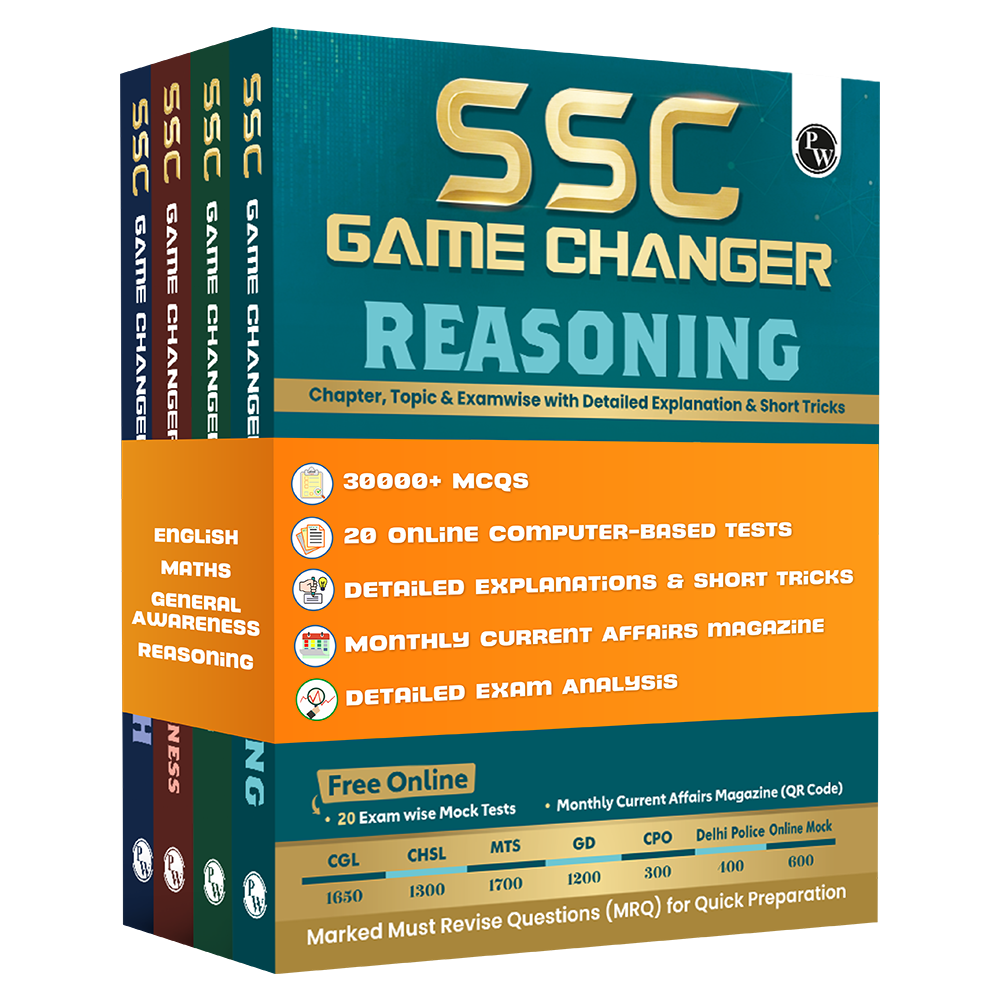
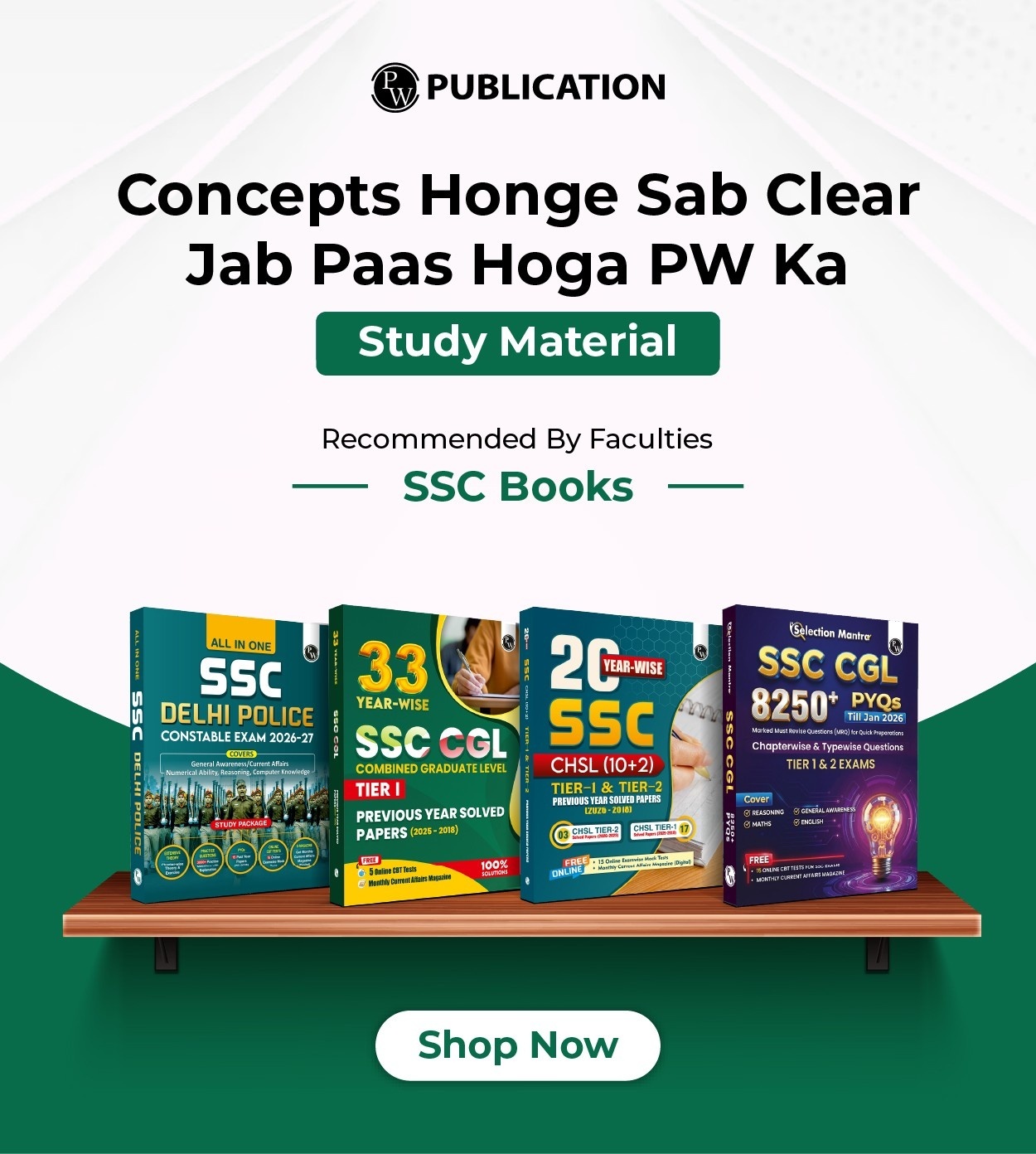
Check Out: PW SSC Books
Why Computer Awareness Book Is Important
In the current landscape of government recruitment, the computer section is no longer just a qualifying round. For many positions, especially in banking and central government, these marks are the deciding factor in the final merit list.
-
Accuracy is Key: Unlike quantitative aptitude, there is no lengthy calculation involved. You either know the answer or you do not.
-
Time Management: You can solve 20 questions in less than 10 minutes, leaving more time for complex sections like Reasoning or English.
-
Consistency: A high score here provides a safety net if other sections prove unexpectedly difficult.
Important Topics in Computer Awareness Book
To prepare effectively, you must break down the syllabus into manageable chunks. Most exams follow a predictable pattern focusing on the evolution and functional application of technology.
History and Generations of Computers
You should be well-versed in the transition from vacuum tubes to modern artificial intelligence. Examiners frequently ask about the specific technology used in each generation.
Computer Hardware and Software
This involves understanding the internal components like the CPU, ALU, and Control Unit, as well as the difference between system software (Operating Systems) and application software.
Memory Units and Storage
Knowledge of RAM, ROM, Cache memory, and secondary storage devices is essential. You must also understand the hierarchy of memory and how data is processed from bits to terabytes.
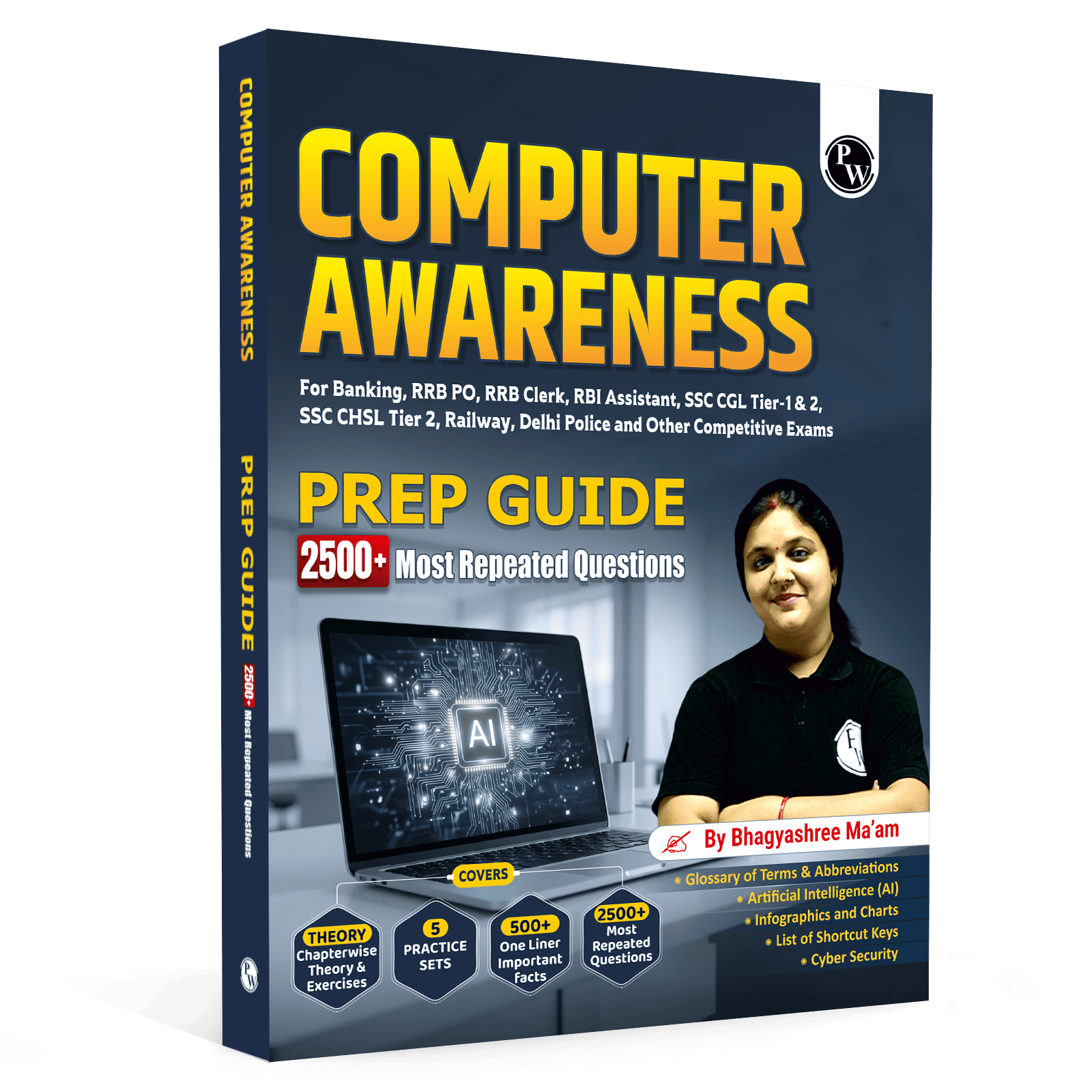
Check Out: Computer Awareness Book 2026 for Competitive Exams
Bank Exam Preparation with Computer Awareness Book
Banking exams, such as IBPS PO or Clerk, often focus heavily on networking, security, and office tools. Building strong computer awareness for general competitive exams also helps candidates perform better in banking recruitment tests. Here is how to approach these specific areas:
1. Learn Networking and the Internet
Focus on OSI layers, types of networks (LAN, WAN, MAN), and common protocols like HTTP, FTP, and TCP/IP. Understanding how data travels across the web is a frequent source of questions.
2. Learn Shortcut Keys and File Extensions
Create a table for MS Word, Excel, and PowerPoint shortcuts. Examiners love asking about function keys (F1-F12) and file types like .docx, .xlsx, or .pdf.
3. Cyber Security Awareness
Stay updated on terms related to malware, phishing, firewalls, and antivirus software. With the rise of digital banking, security-related questions have become a staple in bank exam computer awareness sections.
How to Choose the Right Computer Awareness Book
The foundation of your preparation depends on the resources you use. A comprehensive computer awareness study book should offer more than just definitions; it needs to provide practice questions that mirror the actual exam environment.
|
Feature |
What to Look For |
|
Language |
Simple, easy-to-understand UK English. |
|
Questions |
At least 500+ high-quality MCQs. |
|
Updates |
Information on the latest technology and Windows versions. |
|
Previous Years |
Solved papers from SSC and Banking exams. |
A well-structured book should include updated content, practice MCQs, shortcut keys, and previous year questions to help students prepare effectively for competitive exams.
Computer Awareness Preparation Tips for SSC Exams
SSC exams often include a mix of basic and intermediate questions. To secure a top rank, your computer awareness for SSC preparation must be meticulous.
-
Logic Gates and Binary: Basics of binary to decimal conversion and simple logic gates (AND, OR, NOT) are occasionally asked in higher-level SSC tiers.
-
Operating Systems: Understand the functions of an OS, including process management, memory management, and various types of OS like Linux, Unix, and Windows.
-
Database Management (DBMS): Learn basic terms like Schema, Keys (Primary, Foreign), and the purpose of SQL.
Beginner Tips to Study from Computer Awareness Book
If you do not have a technical background, start with the basics of how a computer functions.
-
Hands-on Practice: Instead of just reading about MS Excel, open the software on a PC. Create a small table, use a formula, and save the file. This visual memory helps more than rote learning.
-
Solve Daily Quizzes: Many educational platforms offer 10-minute daily quizzes. These keep the concepts fresh in your mind.
-
Focus on Full Forms: Abbreviations are the "low-hanging fruit" of this section. Make a list of common terms like BIOS, GUI, URL, and ASCII.
Mock Test Practice with Computer Awareness Book
Once you have completed your computer awareness study book, transition to full-length mock tests. This helps you understand how the computer section fits into the overall timing of the exam.
-
Identify Patterns: You will notice that certain questions about "Invention of the Mouse" or "Founder of the Internet" repeat across different exam years.
-
Analyze Errors: If you consistently miss questions on a specific topic like "Computer Architecture," go back to your notes and revise that section immediately.
-
Time Yourself: Try to reduce the time taken per question. In the actual exam, speed is your biggest ally.
Check Out: SSC Previous year Papers
High Scoring Topics in Computer Awareness Book
While everything in your computer awareness study book is important, some topics have a higher weightage:
-
Internet Protocols: Essential for both SSC and Banking sectors.
-
Microsoft Office Suite: Specifically Excel formulas and Word formatting.
- Computer Shortcuts: A quick way to score 2-3 marks instantly.
-
Latest Trends: Knowledge of Cloud Computing, IoT, and Social Media platforms.
Revision Tips for Computer Awareness Book
Computer awareness is a factual subject. It is easy to forget dates or specific acronyms if you do not revise regularly.
-
Weekly Review: Spend two hours every Sunday reviewing the chapters you covered during the week.
-
Flashcards: Use digital or paper flashcards for difficult abbreviations and shortcut keys.
-
Group Study: Discussing tech concepts with peers can help clarify doubts regarding complex topics like networking topologies or memory management.
Check Out, SSC Textbooks
Common Mistakes to Avoid in Computer Awareness Preparation
Many candidates fail to score high because they underestimate this section. Building strong computer awareness for all competitive exams requires consistent revision and updated study material.
-
Relying on Outdated Material: Technology changes fast. Ensure your computer awareness study book is the latest edition to avoid learning about obsolete hardware.
-
Ignoring the Basics: Do not jump to advanced networking without understanding what an Input/Output device is.
-
Over-Confidence: Just because you use a smartphone does not mean you know the technicalities of an Operating System. Formal study is necessary.
Read More: Benefits of Computer Awareness PYQ Books for All Competitive Exams
Score High in Computer Awareness FAQs
Which is the right book on computer awareness for beginners?
A good computer awareness study book should cover Banking, SSC, and other competitive exams with updated theory, MCQs, shortcut keys, and previous year questions.
How can I improve my basic computer knowledge for competitive exams?
Start by learning the core components of a computer, practicing MS Office shortcuts, and solving previous year questions from SSC and Bank exams.
Is computer awareness difficult for non-technical students?
Not at all. The syllabus focuses on functional knowledge rather than programming, making it accessible to everyone with the right study guide.
What are the most important topics for bank exam computer awareness?
Prioritize Networking, Cyber Security, MS Office, and Internet Protocols, as these are the most frequently tested areas in banking recruitment.
How many marks can I score in the computer awareness for SSC section?
With consistent study from a dedicated book and regular practice of MCQs, it is very possible to achieve a near-perfect score in this section.