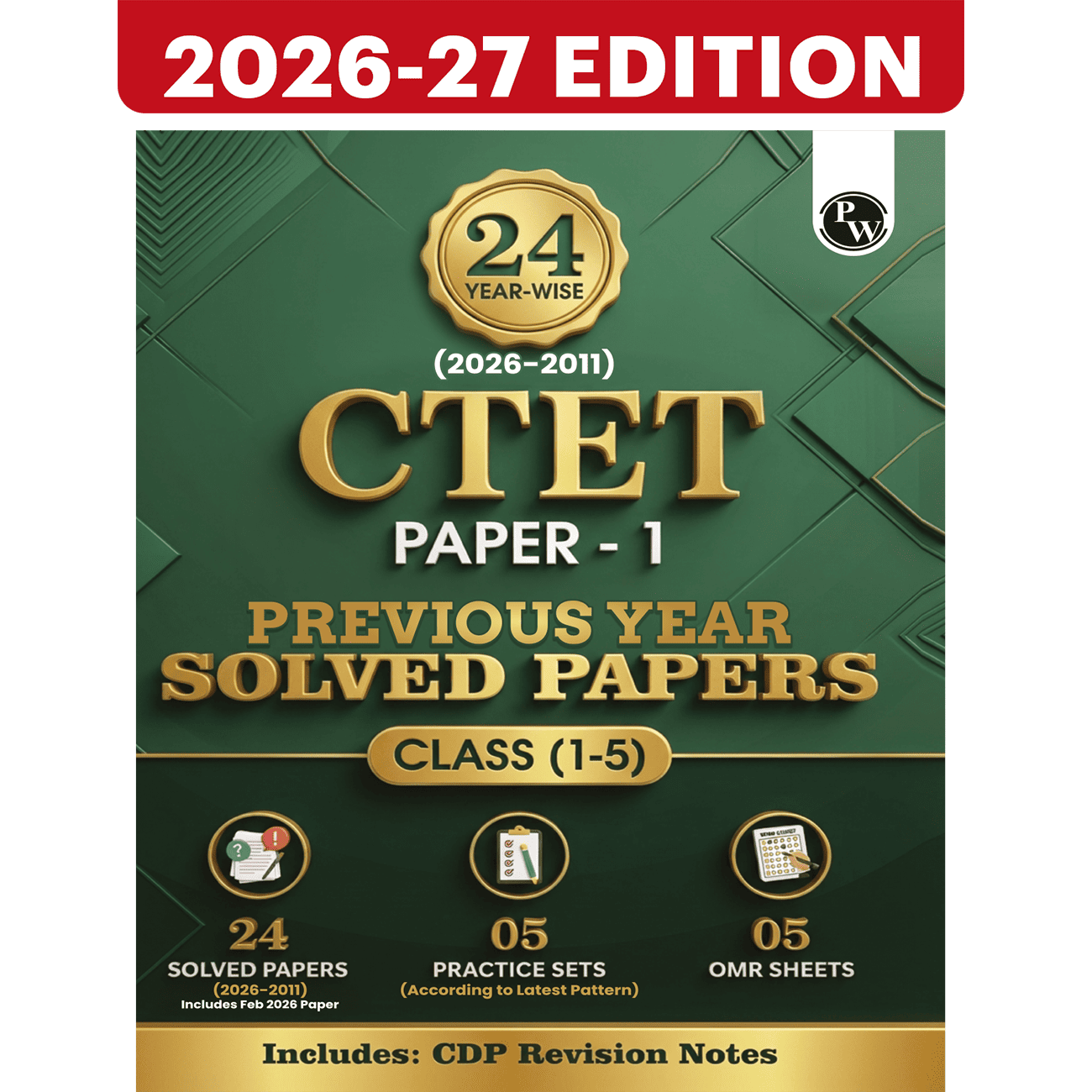
How to Analyze CTET Previous Year Papers with PW Book
Preparing for the Central Teacher Eligibility Test often leaves candidates feeling overwhelmed by vast syllabus outlines and tricky pedagogical questions. Studying theory alone is rarely enough when you face tricky, scenario-based items under tight time constraints. You need a practical way to test your knowledge against actual exam standards.
Learning how to analyze CTET previous year papers resolves this issue by exposing recurring question trends and testing realities. When you combine systematic past paper review with a comprehensive CTET pyq book, you transform ordinary revision into a high-scoring strategy.
This step-by-step guide walks you through analyzing previous papers topic by topic to secure top results on your first attempt.
Importance of CTET Previous Year Papers
Preparing for CTET Paper 1 requires a clear understanding of exam expectations. Standard textbooks explain core concepts well, but past papers show you exact question formats and difficulty variations across exam cycles. Working through CTET previous year papers serves as an essential reality check for your overall preparation level.
-
Understanding Exam Patterns: Past test sets reveal exact section breakdowns and subject mark weightage across Child Development and Pedagogy (CDP), Mathematics, Environmental Studies (EVS), and Languages.
-
Identifying High-Yield Themes: Questions in CDP consistently test core theories from Piaget, Vygotsky, and Kohlberg, alongside inclusive education concepts.
-
Familiarity with Pedagogy Questions: Almost half of the questions across Mathematics, EVS, and Language sections focus on pedagogical application rather than simple facts.
-
Real-Time Assessment: Attempting official test sets highlights time management struggles under actual 150-minute exam conditions.
Regular practice with authentic past questions builds exam-day stamina and reduces performance anxiety.
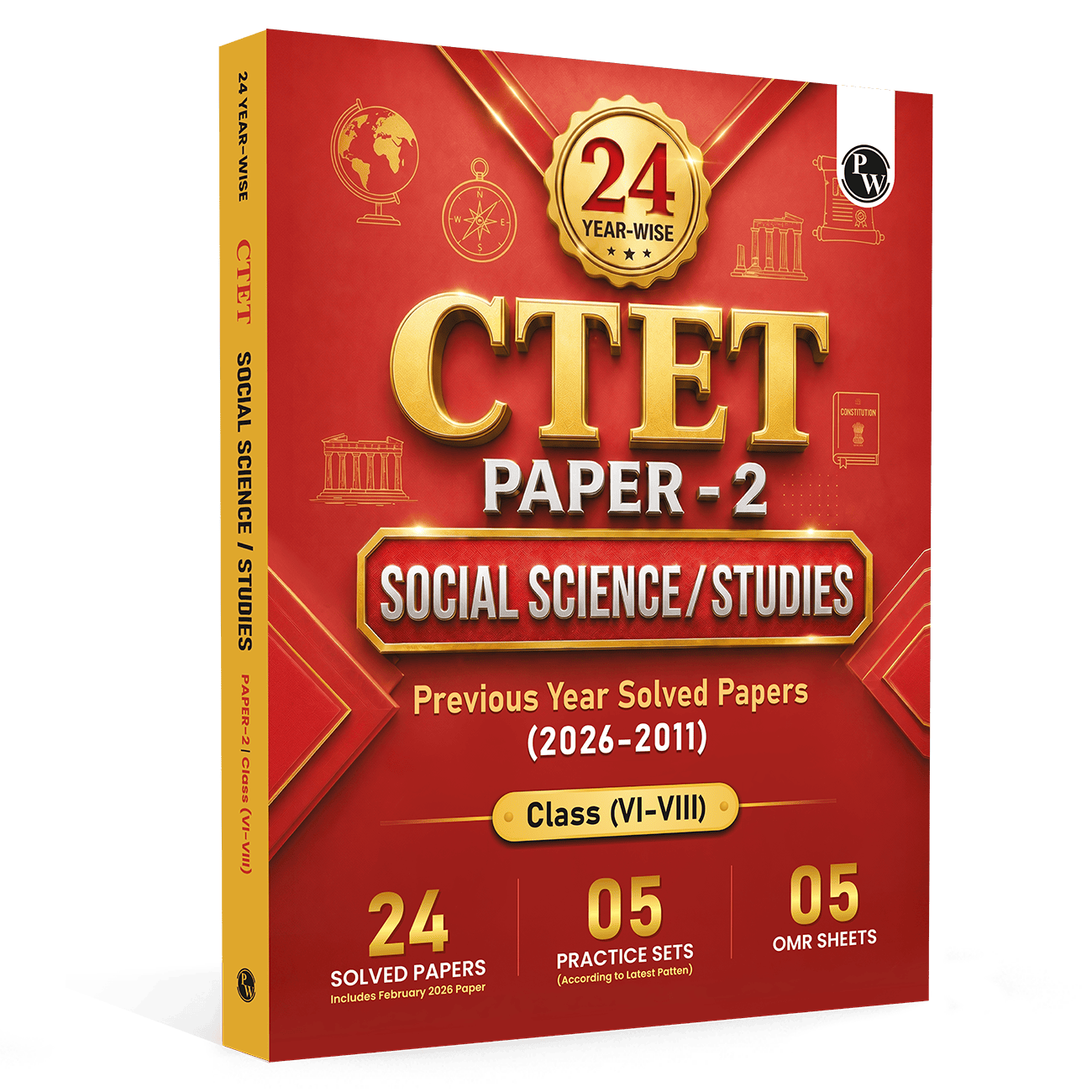
Prepare for CTET Paper 2 Social Science/Studies with PW book featuring 24 year-wise solved PYQs (2011–2026), 5 practice sets, and OMR sheets for Class 6–8 exam preparation.
Why Should You Analyse CTET Previous Year Papers?
Simply solving question sets and checking final scores is not enough to secure top marks; systematic analysis is necessary. Analysis transforms passive solving into active learning by revealing performance gaps.
When you evaluate CTET pyq analysis, you move beyond checking right or wrong answers. You begin to understand why specific distractors were included in the options. Evaluating every choice helps you recognize subtle traps in scenario-based questions. A quality CTET practice book simplifies this process by offering detailed, step-by-step solutions for every single question.
How to Analyse CTET Previous Year Papers Topic by Topic
A structured topic-wise evaluation approach helps turn vast syllabus outlines into manageable study targets. Breaking down past test sets by subject area prevents study fatigue and highlights specific areas needing improvement.
|
Subject Section |
Core Focus Areas |
Analysis Strategy |
|
Child Development & Pedagogy |
Inclusive Education, Learning Theories, Child Development |
Track scenario-based questions to build practical classroom logic. |
|
Mathematics |
Numbers, Shapes, Data Handling, Math Pedagogy |
Separate calculation errors from conceptual pedagogical mistakes. |
|
Environmental Studies (EVS) |
Family & Friends, Shelter, Water, Travel, EVS Pedagogy |
Verify direct textbook statement alignment against past questions. |
|
Language I & II |
Passages, Grammar Usage, Language Acquisition Principles |
Review time spent reading prose versus answering pedagogy questions. |
Child Development & Pedagogy (CDP)
CDP forms the core foundation of Paper 1. Look closely at how questions assess child development stages, socialisation processes, and assessment strategies. Pay special attention to constructivist learning frameworks and gender stereotyping scenarios.
Mathematics and Environmental Studies
Use CTET paper 1 solved papers to check how basic concepts translate into multiple-choice items. Pay equal attention to subject-specific pedagogy, as it makes up half of the questions in these sections.
Language Sections (Language I and Language II)
Check your accuracy in unseen prose or poem passages. Evaluate how well you understand language learning principles, acquisition stages, and remedial teaching techniques.
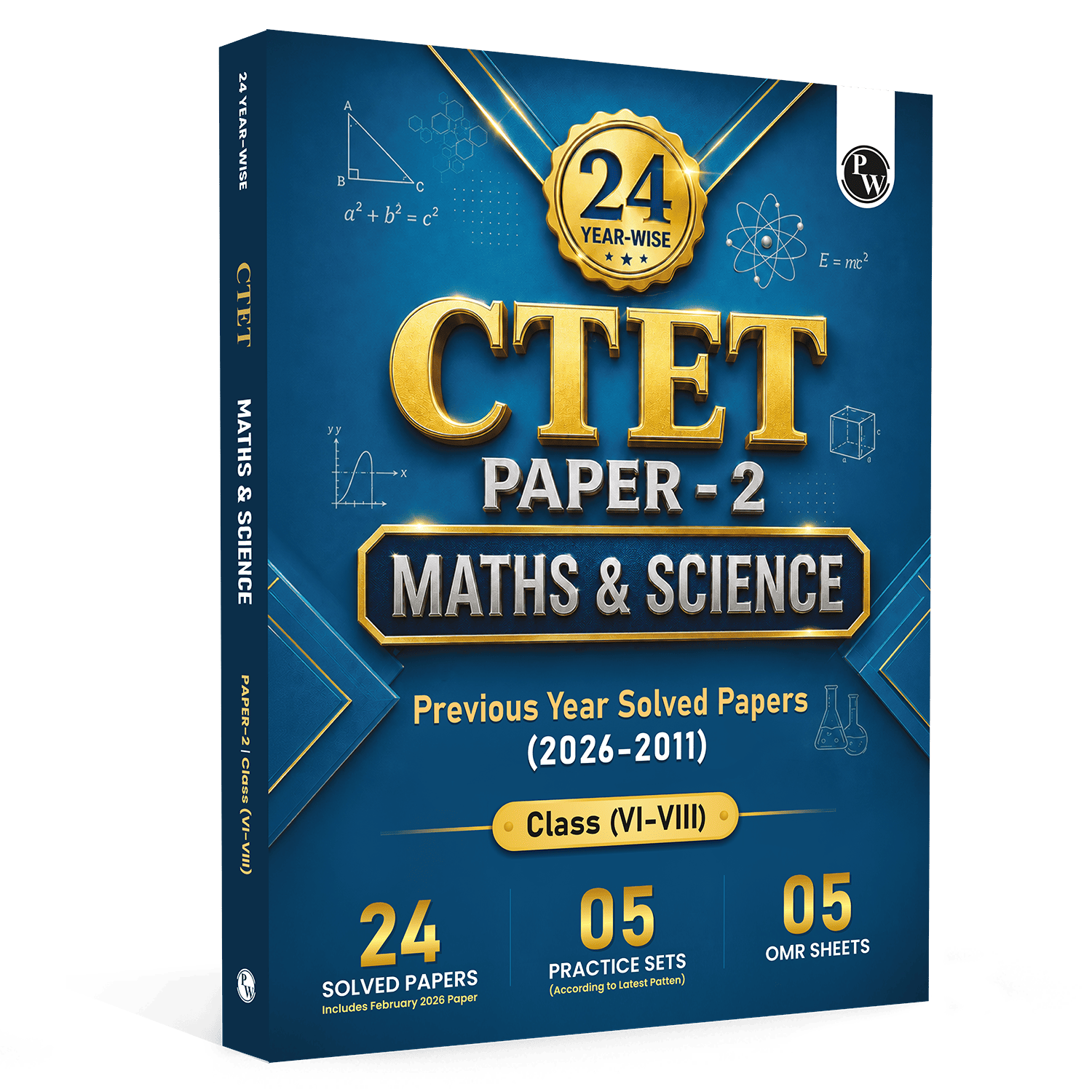
Prepare for CTET Paper 2 Maths & Science with PW’s book featuring 24 year-wise solved PYQs from 2011–2026, 5 practice sets, and OMR sheets for effective Class 6–8 exam preparation.
How to Find Weak Areas Using CTET Previous Year Papers
Identifying personal learning gaps early keeps your CTET preparation 2026 targeted and efficient. Instead of re-reading entire chapters, focus your energy on specific topics that cost you marks.
Step 1: Complete an Unassisted Test
Attempt a complete 150-question paper in one seating without checking answer keys or taking unnecessary breaks. Maintain strict adherence to the 150-minute time limit.
Step 2: Categorise Your Errors
Mark your responses and log every mistake into three clear categories:
-
Conceptual Gap: You did not know the underlying theory or rule.
-
Misread Question: You understood the topic but misread key terms like "NOT" or "EXCEPT".
-
Time Pressure: You guessed the answer because time was running out.
Step 3: Review Detailed Explanations
Consult explanation keys in your pw CTET book to review missed concepts. Step-by-step explanations clarify why the correct option holds true and why alternative choices fail.
Step 4: Retest Difficult Topics
Re-attempt similar topic-wise questions after 48 hours to confirm concept clarity and verify that the learning gap is closed.
Explore CTET books for Paper 1 and Paper 2, featuring previous year solved papers, practice sets, detailed solutions, and exam-oriented content for effective preparation.
Study Strategy Plan with CTET Previous Year Papers
A disciplined study plan ensures balanced coverage of theory and past paper review. Incorporating a practical CTET exam strategy builds consistency across all five paper sections.
Phase 1: Foundation and Topic-Wise PYQs (Weeks 1–2)
Study fundamental theory and solve subject-specific past questions simultaneously. Focus on individual topics like inclusive education or geometric shapes, then solve matching past questions to solidify your understanding.
Phase 2: Full-Length Paper Simulation (Weeks 3–4)
Solve 24 solved past papers spanning 2011 to 2026 under timed conditions. Record your scores in an error tracking notebook to monitor accuracy trends across different subjects.
Phase 3: Final Refinement and OMR Practice (Weeks 5–6)
Utilize 5 full-length practice sets along with OMR sheets for real-time practice. Practicing sheet marking prevents costly bubbling errors during the real exam.
Tips Using CTET Previous Year Papers
Executing effective CTET revision tips during your final preparation phase ensures continuous score improvements and keeps revision sessions structured.
-
Simulate Offline Testing Conditions: Complete past papers at a desk using physical OMR sheets rather than casually marking options on a screen.
-
Study Every Answer Explanation: Read step-by-step explanations even for questions answered correctly to discover faster elimination logic.
-
Focus Heavily on Pedagogy: Reserve extra review time for pedagogical sections, as they carry substantial weight across multiple subjects.
-
Track High-Frequency Concepts: Highlight recurring question themes across past papers using trend analysis charts to keep study priorities clear.
Common Mistakes While Solving CTET Previous Year Papers
Avoid these standard traps when working through past paper sets:
-
Memorising Specific Answers: Trying to memorise previous options rather than understanding underlying pedagogical reasoning.
-
Ignoring Time Limits: Solving papers casually without tracking actual time spent per section leads to poor pacing on test day.
-
Skipping Explanations: Only calculating final raw scores without reading detailed step-by-step solution breakdowns.
-
Neglecting Weak Sections: Spending excessive practice time on strong subjects while skipping difficult topics like Mathematics or Language pedagogy.
Frequently Asked Questions
How many past papers should I solve for CTET Paper 1?
Solving 24 previous year solved papers covering 2011 to 2026 provides comprehensive coverage of question trends and exam difficulty levels.
Are CTET questions repeated from previous years?
While exact questions are rarely repeated, fundamental pedagogical concepts, theories, and question structures recur frequently across exam cycles.
Why is detailed answer key analysis important?
Step-by-step explanations help clarify conceptual doubts, explain option distractors, and prevent repeating similar mistakes in upcoming exams.
Is there negative marking in CTET Paper 1?
No, there is no negative marking in the CTET examination, allowing candidates to attempt all 150 questions freely.
How do practice sets with OMR sheets help in exam preparation?
Practicing with OMR sheets simulates the real offline test environment, improving speed and preventing marking errors during the actual exam.