How to Turn 24 Years of CTET PYQs Into a Revision Resource
Most teaching aspirants struggle when transitioning from general textbook reading to actual test conditions. You might understand core concepts in Child Development and Pedagogy or Environmental Studies, yet still lose marks to tricky options and tight time limits.
Solving questions in isolation rarely builds long-term memory unless you organise them into a systematic review system. Using a comprehensive CTET PYQ book bridges this gap by converting past papers into active recall exercises.
This article outlines how to turn past papers into a tailored revision engine for primary level teaching recruitment exams.
What Is the CTET PYQ Book?
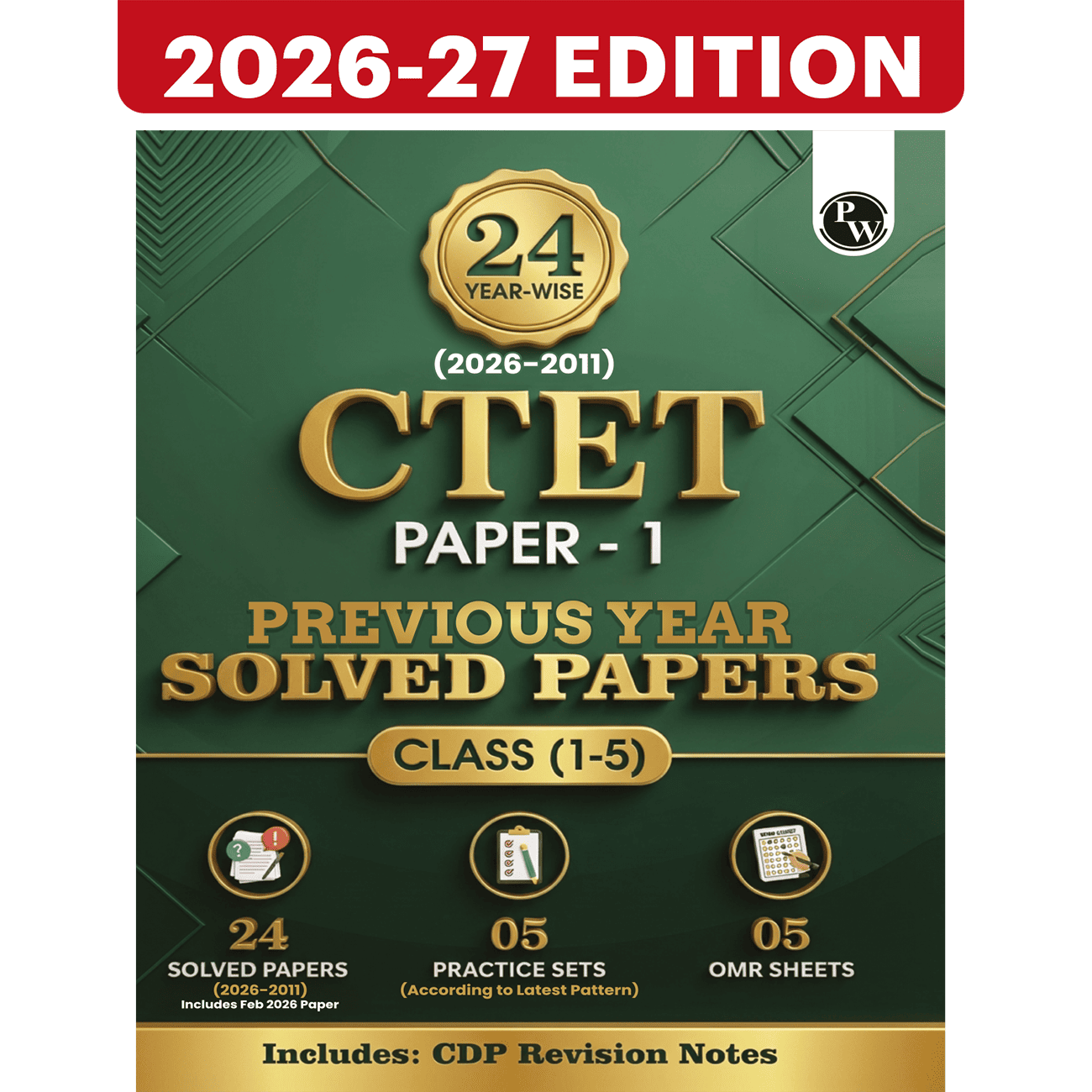
A dedicated CTET PYQ book compiles real examination papers spanning multiple years into a single, structured learning tool. Designed specifically for Class 1 to 5 Primary Teacher (PRT) aspirants, this resource provides authentic past questions alongside accurate, step-by-step solutions.
-
Comprehensive Coverage: Features fully CTET solved papers from 2011 to 2026 for Paper 1.
-
Subject Breakdown: Covers Child Development & Pedagogy (CDP), Mathematics, Environmental Studies (EVS), Hindi, and English.
-
Language Medium: Specially prepared in Hindi medium for better comprehension among Hindi stream students.
-
Exam Alignment: Questions follow the latest CBSE CTET syllabus and structural pattern.
Features of the CTET PYQ Book for Exam Preparation
Understanding the structural components of your revision tools makes your study sessions more targeted. A complete CTET 24 years PYQ book offers specific features designed to boost problem-solving speed and conceptual clarity.
|
Feature |
Primary Benefit |
Application in Revision |
|
24 Solved Papers (2011–2026) |
Broad historical context of questions |
Identifies long-term question pattern shifts |
|
Step-by-Step Explanations |
Improves reasoning and answer accuracy |
Solves underlying concept doubts immediately |
|
Trend-Based Learning |
Highlights high-weightage topics |
Prioritises urgent revision areas |
|
Practice Sets |
Improves speed and time management |
Simulates real exam stress and conditions |
Step-by-Step Explanations
Every question comes with detailed explanations that break down why a particular option is correct while others are incorrect. This prevents simple memorisation and builds genuine logical reasoning ability across pedagogical scenarios.
Trend-Based Question Alignment
Exam patterns evolve over time. By incorporating CTET 24 years questions, the compilation exposes you to changing question formats, shifts in emphasis, and recurring pedagogical themes across all mandatory subjects.
How to Use the CTET PYQ Book for Better Practice
Using CTET past papers strictly as mock tests leaves half their value untapped. To build a lasting revision resource out of your CTET books, follow these practical steps:
-
Categorise Questions by Topic: Group CTET previous year questions by subject and sub-topic (e.g., Piaget's stages in CDP, geometry in Maths, or ecosystem concepts in EVS).
-
Highlight Repeated Concepts: Mark terms, formulas, or pedagogical principles that appear across multiple years.
-
Maintain an Error Notebook: Record every incorrect response alongside the correct logic provided in the detailed explanations.
-
Conduct Timed Re-tests: Re-solve completed sets under strict time limits to train speed alongside accuracy.
When to Use the CTET PYQ Book During Preparation
Timing your practice correctly determines how well you retain information. A CTET PYQ book serves different functions depending on your current preparation phase.
-
Initial Phase: Use the book during your first read-through to understand how CBSE translates theoretical syllabus topics into objective questions.
-
Mid-Term Phase: Integrate CTET practice questions right after completing a textbook topic to test immediate recall and identify weak areas.
-
Final Phase: Work through complete CTET revision book sets daily as full-length practice tests to fine-tune time management.
Study Plan for Using the CTET PYQ Book
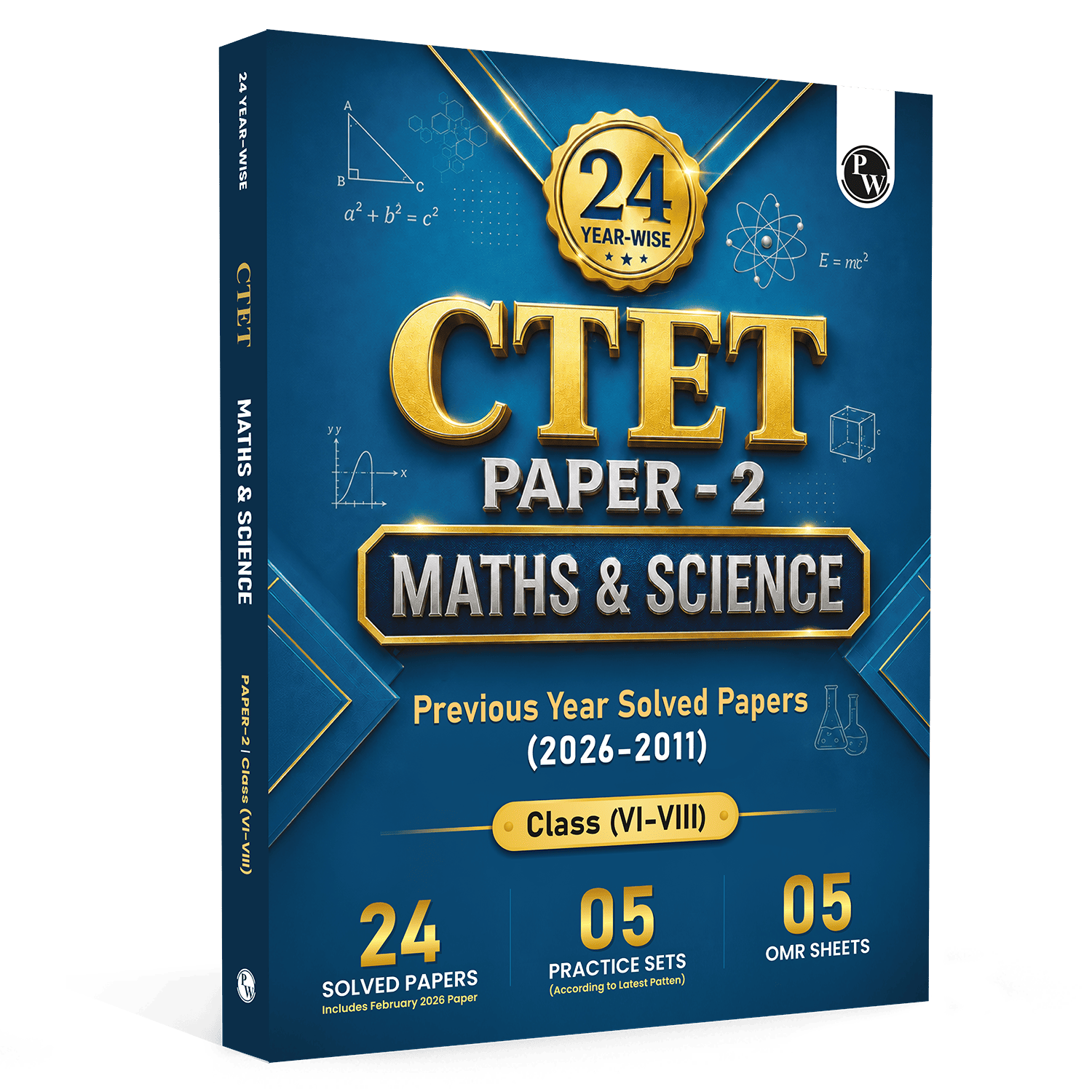
A structured timetable keeps your preparation consistent. Below is an effective 4-week mid-term plan using the CTET Paper 2 Science & Maths 24 Years PYQ Book 2026 to systematically review the full Paper 2 syllabus. Regular practice with this resource can help you analyse previous year trends, strengthen subject concepts, improve time management, and build confidence for the CTET examination..
-
Week 1: Foundations & Child Development
-
Focus on Child Development & Pedagogy papers from 2011 to 2018.
-
Analyze incorrect responses using step-by-step explanations.
-
Summarise key developmental theories into brief flashcards.
-
Week 2: Language Mastery (Hindi & English)
-
Practice reading comprehension passages and grammar-pedagogy sets from 2011 to 2020.
-
Extract difficult vocabulary and language teaching methods into your notes.
-
Week 3: Core Subjects (Mathematics & EVS)
-
Solve numerical problems and Environmental Studies content questions from 2011 to 2023.
-
Practice shortcut methods for mathematical reasoning and memorise core EVS facts.
-
Week 4: Full-Length Simulation & Trend Review
-
Attempt complete papers from 2024 to 2026 under strict exam timing.
-
Review all error logs and re-attempt previously missed questions.
Practice Sheets With the CTET PYQ Book
Creating custom practice sheets from your CTET PYQ Book transforms static reading into active self-assessment. Using the CTET Paper 2 Social Science 24 Years PYQ Book 2026 can help you practise authentic previous year questions, identify weak areas, understand recurring patterns, and improve your accuracy and exam readiness.
1. Building Subject-Wise Drill Sheets
Extract similar question types across different paper years to create targeted drill sheets. For instance, compile all language acquisition questions from 24 years into one 30-minute session. This highlights pattern shifts instantly and reinforces correct answering techniques.
2. Tracking Performance Metrics
Maintain a simple tracking grid for every practice set you complete:
-
Date & Paper Year: Log the exact paper being attempted.
-
Raw Score: Record correct answers out of total questions.
-
Accuracy Percentage: Calculate correct answers divided by total attempted questions.
-
Time Taken: Monitor total minutes spent to ensure pacing matches actual exam standards.
Common Mistakes to Avoid While Using the CTET PYQ Book
Maximising the value of your CTET PYQ book requires avoiding standard practice pitfalls that reduce learning efficiency.
-
Memorising Answers Without Logic: Simply memorising option keys (e.g., "Option B") fails when CBSE slightly rephrases a question statement in upcoming exams. Always read the underlying explanation.
-
Ignoring the Explanations: Skipping detailed solutions for correct guesses prevents you from verifying if your underlying logic was actually sound.
-
Practicing Without Timing: Solving papers casually without tracking time leads to poor pacing during the actual exam day.
-
Neglecting Weak Subjects: Aspirants often re-solve topics they enjoy while ignoring difficult areas like Mathematics or Pedagogy. Ensure balanced practice across all five subjects.
Read More: CTET Syllabus and Exam Pattern
CTET PYQ Book FAQs
What makes a CTET PYQ book essential for primary teacher preparation?
A CTET PYQ book provides authentic exam questions from 2011 to 2026, allowing candidates to understand the real CBSE question pattern, syllabus weightage, and difficulty levels for Paper 1.
How many years of solved papers should I practice for CTET Paper 1?
Practicing 24 papers spanning from 2011 to 2026 gives comprehensive coverage of all recurring topics, evolving pedagogy trends, and essential question formats needed for a high score.
Are detailed explanations necessary in a CTET PYQ book?
Yes, step-by-step explanations clarify why an answer is correct, helping build pedagogical logic and conceptual understanding rather than relying on pure memorisation.
Can Hindi medium students use the 24 years solved paper book effectively?
Yes, compilations specifically published in Hindi medium ensure clear understanding of complex pedagogical terms and concepts for Hindi stream candidates.
How does solving previous year papers improve exam time management?
Timed practice with real past papers trains candidates to allocate appropriate minutes per section, reducing exam anxiety and increasing speed on test day.