How Science & Technology Question Bank Simplifies a Fast-Changing Subject
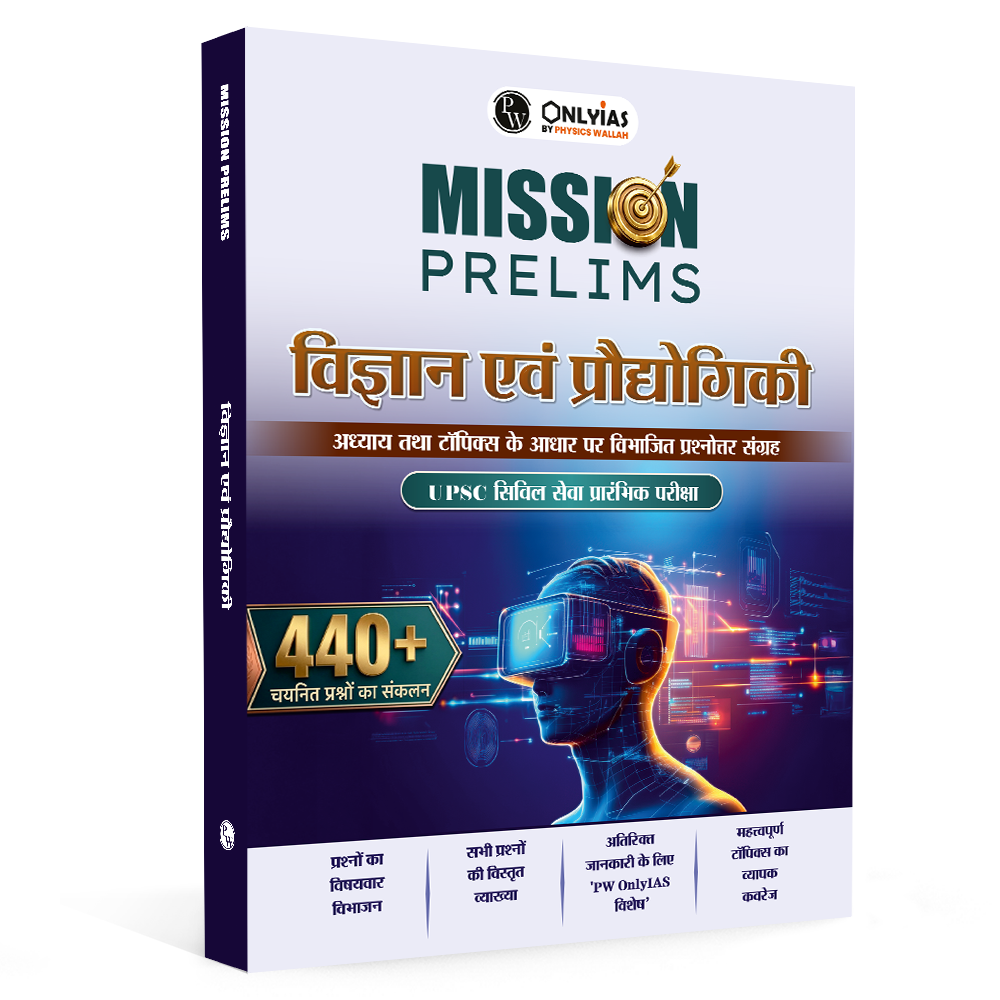
The civil services exam requires a complete understanding of dynamic subjects and traditional books will not do the trick. Preparation is extremely difficult due to the need to balance static concepts with rapid modern developments. This article shows how a good UPSC science and technology question bank simplifies this fast-changing subject, streamlining your preparation and helping you get higher marks.
How an UPSC Science and Technology Question Bank Makes Preparation Easy
The science and technology syllabus is notoriously unpredictable. Unlike conventional subjects where standard textbooks suffice, this section evolves almost daily.
Students often had difficulty bridging core theories with practical applications. Some of the main barriers are:
-
Rapidly Changing Information: Breakthroughs in AI, space missions, and biotechnology happen constantly, making printed materials outdated quickly.
-
The Mix of Static and Dynamic: Questions rarely stick to pure theory; they almost always link a basic scientific principle to a recent news event.
-
Vast Syllabus Scope: Topics range from microscopic gene-editing tools to massive interstellar observatories.
Without a structured approach, aspirants waste dozens of hours reading dense scientific papers that hold very little exam value.
Importance of an UPSC Science and Technology Question Bank
To tackle the unpredictable nature of Science and Technology questions, relying only on summaries is not enough. You need to practise applying your knowledge. A dedicated UPSC Science and Technology Question Bank acts as a bridge between conceptual learning and actual exam performance.
By solving targeted questions, you actively recall information under exam-like conditions instead of passively reading articles or notes. This approach quickly identifies weak areas, allowing you to strengthen them well before the examination.
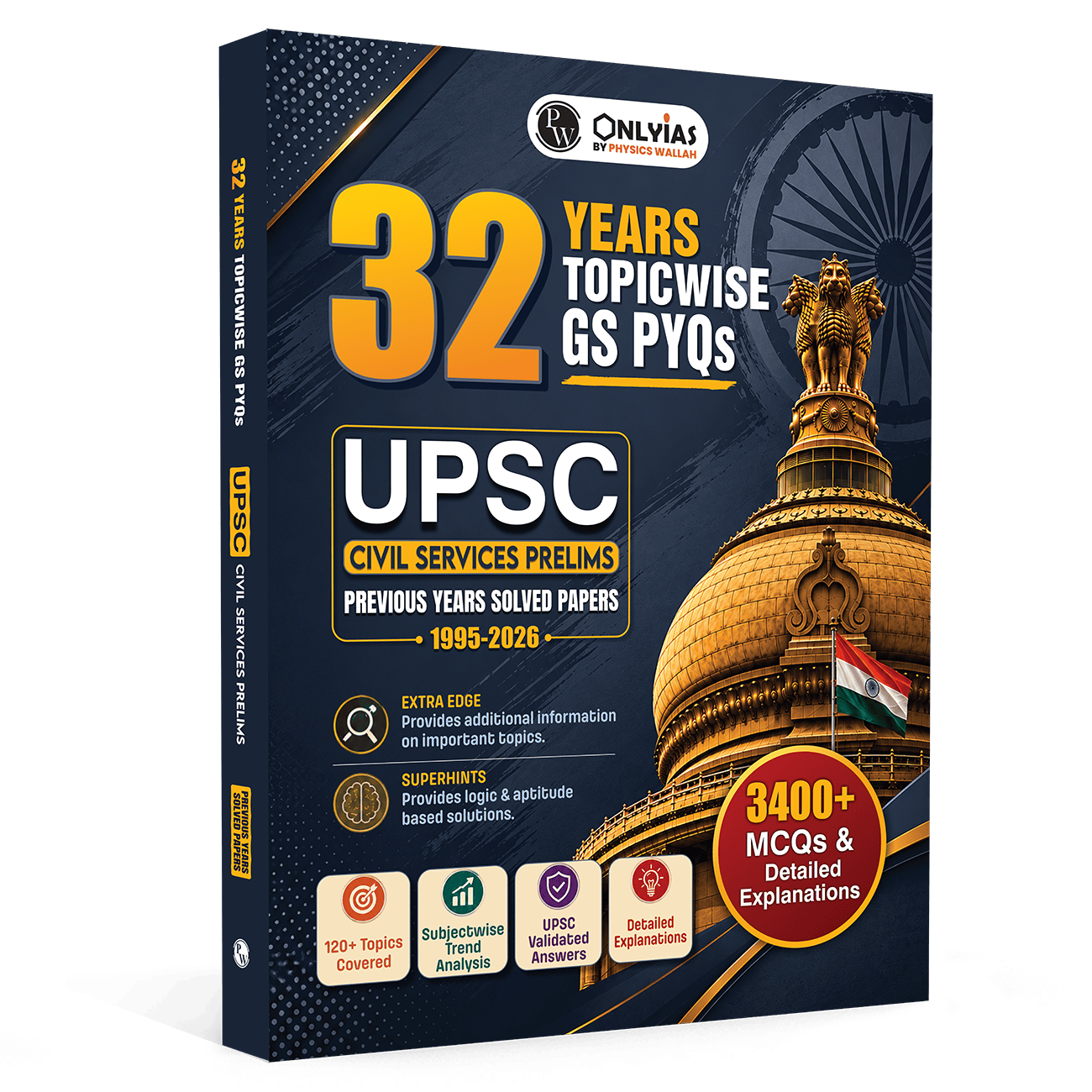
To make your preparation even more effective, practise alongside an UPSC PYQ Book, which contains authentic previous year questions with detailed explanations and topic-wise analysis. Solving PYQs helps you understand how UPSC frames Science and Technology questions, recognise recurring themes, and improve conceptual clarity for both the UPSC Prelims and Mains.
Benefits of an UPSC Science and Technology Question Bank
Using a quality UPSC question bank shifts your preparation from passive reading to active learning. It completely changes how you interact with complex data.
Understanding Technology Current Affairs
Most of the questions in the preliminary stage are based on the current affairs of technology. These updates are compiled in a good question bank, and are turned into real exam problems.
This structure teaches you how to spot the exact piece of information the exam might test, such as the mechanism behind a new vaccine or the orbit of a newly launched satellite.
Deciphering Complex Scientific Themes
A good resource breaks down huge scary themes into bite-sized pieces. You get answers to ten focused questions on the core applications, advantages and risks instead of reading a hundred pages on nanotechnology. This saves time and keeps your concentration on high yield areas.
Understanding High-Yield Questions with an UPSC Science and Technology Question Bank
Many candidates struggle because they read scientific explanations without understanding how examiners frame actual test items. A robust question bank trains your mind to deconstruct questions by breaking them into three distinct layers: the core scientific anchor, the current affairs modifier, and the application directive.
Most textbooks give you the anchor, but fail to show how the modifier alters the correct answer options.
[Scientific Anchor: Basic Principle]
+
[Current Affairs Modifier: Recent Breakthrough]
+
[Application Directive: Real-World Impact]
= UPSC Prelims Question Blueprint
To illustrate how this works during actual UPSC preparation, let us look at how a single theme evolves from a basic textbook definition into a complex multiple-choice question:
-
The Conceptual Anchor: Understanding what a coronavirus is or how messenger RNA works at a cellular level.
-
The Dynamic Modifier: A new variant emerges, or a laboratory engineers a novel delivery mechanism using lipid nanoparticles.
-
The Exam Application: The test item presents a scenario where you must evaluate the thermal stability, storage logistics, and efficacy rates of different vaccine platforms based on recent global health trials.
By practicing with a dedicated science tech question bank, you learn to instantly separate the core principle from the contemporary noise. This structural clarity prevents panic when you encounter entirely new terms, as you can easily identify the foundational science beneath the modern jargon.
How to Use an UPSC Science and Technology Question Bank Effectively
Succeeding in the prelims requires a highly specific strategy. You cannot afford to treat science like history or polity. The approach must be highly analytical.
|
Feature |
General Studies Textbooks |
Advanced Question Banks |
|
Primary Focus |
Historical context and basic definitions |
Core application and current relevance |
|
Syllabus Coverage |
Static concepts only |
Blended static and dynamic updates |
|
Retention Rate |
Lower (passive reading) |
Much higher (active testing) |
To make the most of your prelims science questions, follow a systematic revision cycle. Do not just look at whether your answer was right or wrong. Dive deep into the explanations to understand the underlying logic of the distractors.
UPSC Science and Technology Question Bank Preparation Tips
Perfecting your UPSC science preparation requires a blend of consistency and the right UPSC books. Follow this structured workflow to maximise your output:
-
Build Core Frameworks: Understand basic concepts in biotechnology, space tech, and IT.
-
Integrate Daily News: Follow recent developments and note down new terms.
-
Apply via Question Banks: Use your question bank weekly to test your understanding of those specific topics.
-
Analyze Mistakes: Maintain a log of errors to track recurring conceptual blind spots.
Key Point to Remember: The exam rarely asks pure definition questions. It tests how a specific technology impacts society, governance, or human health. Always look for the practical utility of any scientific breakthrough.
Common Mistakes to Avoid with an UPSC Science and Technology Question Bank
When tackling science MCQs, simply tracking your score is a massive waste of quality resource material. True progress happens when you analyze the cognitive traps laid out within the incorrect options. Examiners rely on predictable patterns to create plausible distractors, and recognizing these tricks is half the battle won.
When using your UPSC question bank combo set, keep a sharp lookout for these common traps:
-
Extreme Generalizations: Watch out for absolute terms like always, entirely, or permanently when dealing with biological systems or space mechanics. Science thrives on variables and exceptions.
-
Anachronistic Links: Examiners often couple a newly discovered technology with a historical space mission or a medical discovery from twenty years ago to check if you are paying attention to the timeline.
-
Reversed Cause and Effect: This is highly common in biotechnology questions, where the tool is confused with the target—such as swapping the functions of a viral vector and a genetic payload.
The Science Elimination Blueprint
To navigate these traps smoothly during your UPSC preparation, follow this elimination framework for tricky options:
-
Check the timeline of the technology mentioned to discard outdated references.
-
Highlight any absolute qualifiers that claim a technology has zero side effects or universal compatibility.
-
Cross-verify the governing agency or country, as minor switch-ups are frequently used to weed out casual readers.
Regularly filtering your practice through these check-points ensures that you are not just memorizing answers, but developing the sharp analytical mindset required to conquer the science and technology UPSC syllabus.
UPSC Science and Technology Question Bank FAQs
How often should I update my UPSC science and technology question bank?
You should look for resources that integrate recent technology current affairs. Ideally, your practice material should cover updates from at least the past fifteen to twenty months before the exam.
Can I rely solely on science MCQs for my UPSC science preparation?
No, MCQs work best when combined with basic conceptual clarity. Use standard reference material to build your foundational knowledge, then immediately solve questions to lock in the information.
Why are prelims science questions considered so difficult?
They are challenging because they blend static science with rapid modern updates. Questions often look at the real-world application of a newly discovered phenomenon rather than just the textbook definition.
How do I handle completely new topics in the science and technology UPSC syllabus?
Do not panic when encountering unfamiliar terms. Use your question bank to learn the core essence of that technology. Focus on its purpose, the country or agency behind it, and its potential impact.
What makes an effective science tech question bank?
An effective bank does not just give the correct answer. It provides detailed explanations for why the other options are incorrect, helping you understand the subtle nuances often tested in the exam.