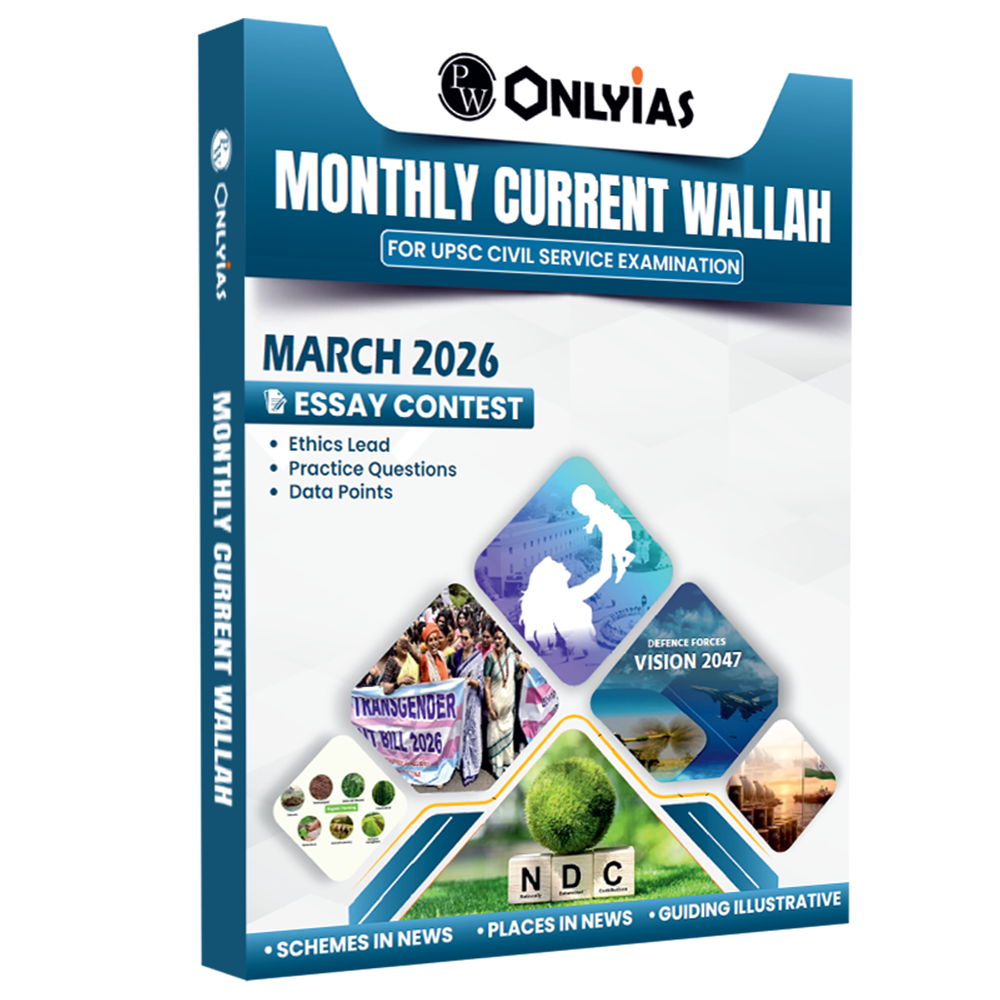
How to Revise a March Month of Current Affairs for UPSC Preparation?

The civil services exam demands a thorough understanding of monthly events, but many aspirants struggle to retain the vast amount of information covered at the start of spring. If you find yourself drowning in months of accumulated news, learning how to effectively streamline your UPSC monthly current affairs March routine will completely change your game. This article provides a clear, step-by-step strategy to compress your study material, highlight high-yield topics, and ensure long-term retention for both prelims and mains.
Importance of UPSC Monthly Current Affairs March for Exams
The month of March is critical in the civil services calendar. It sits right in the middle of crucial policy implementations, global summits, and environmental shifts that the Union Public Service Commission frequently targets.
Core Focus Areas for the Month
-
Economic Dynamics: Final adjustments to budget allocations and early assessments of economic indicators.
-
Environmental Updates: Major conservation announcements, global climate agreements, and wildlife census reports that often appear in prelims.
-
Polity and Governance: Key bills introduced or passed during the parliamentary budget session.
Build a stronger exam strategy with an UPSC PYQ Book that features authentic previous year questions, detailed explanations, and topic-wise analysis aligned with the latest UPSC syllabus.
Regular PYQ practice helps identify recurring question trends, strengthen conceptual understanding, improve answer accuracy, and prepare confidently for both the UPSC Prelims and Mains.
How to Prepare for the UPSC Monthly Current Affairs March Effectively
Retaining thirty days of intense news requires a systematic breakdown rather than random reading. You need an organized approach to tackle the March current affairs UPSC compilation without feeling overwhelmed.
|
Week |
Core Focus Areas |
|
Week 1 |
Indian Economy & Government Schemes |
|
Week 2 |
Indian Polity, International Relations & Security |
|
Week 3 |
Environment, Science & Technology |
|
Week 4 |
Social Issues, Culture & Consolidated Mock Tests |
1. Categorise Content into Core Subjects
Divide your compilation into distinct categories. Avoid reading the booklet cover-to-cover like a novel. Instead, isolate segments like Polity, Economy, Environment, and Science and Technology. This method aligns your monthly revision with the static syllabus, making it easier to connect current events to foundational concepts.
2. Identify High-Yield Themes
Not every news item carries equal weight. Focus heavily on international treaties, supreme court judgements, national parks in the news, and major economic reports. Filter out purely political arguments or daily administrative updates that lack analytical value for the exam.
3. Implement the Reverse Engineering Method
Before reading a specific section, solve approximately five to ten practice questions from that topic. This conditions your brain to look for specific details, data points, and exceptions while reading your UPSC current affairs notes later.
How to Creating UPSC Monthly Current Affairs March Notes
Creating bulky notes defeats the purpose of an efficient review. Your goal is to compress a hundred-page monthly booklet into around fifteen pages of micro-notes.
The Linear vs. Architectural Note-Making Approach
|
Feature |
Linear Approach (Traditional) |
Architectural Approach (Recommended) |
|
Format |
Long paragraphs, passive copying |
Mind maps, tables, keyword blocks |
|
Time Taken |
High writing time, slow review |
Fast generation, instant active recall |
|
Utility |
Hard to revise a week before exams |
Ideal for rapid prelims preparation |
|
Retention |
Low conceptual connectivity |
High integration of static and dynamic ideas |
Maximising Efficiency with a Monthly Compilation
When using a standard compilation, use different coloured highlighters for distinct elements. For instance, use yellow for facts relevant to prelims and green for analysis useful for mains answers. This visual distinction saves hours during your final rounds of revision.
How to Revise UPSC Monthly Current Affairs March for Better Retention
Reading a topic once guarantees you will forget it within two weeks. To move information from short-term to long-term memory, you must change how you interact with your UPSC books.
Active Recall and Spaced Repetition
-
The Blank Page Method: After finishing an economy section, close the booklet and write down every concept you remember on a blank sheet.
-
Interval Testing: Review your March notes on day three, day seven, and day thirty to interrupt the forgetting curve.
-
Peer Explanations: Explain complex international disputes or environmental policies to a fellow aspirant to test your own clarity.
Integrating Dynamic News with Static Syllabus
When revising the UPSC monthly current affairs March materials, always keep your static textbooks nearby. If a news item discusses an ordinance issued by the President, open your Indian Polity textbook and read the static provisions of Article 123 simultaneously. This solidifies your conceptual foundation.
How to Track Your Progress with UPSC Monthly Current Affairs March
A UPSC current affairs books strategy is incomplete without robust evaluation. You must validate your retention through objective and subjective testing metrics.
-
Sectional Quizzes: Attempt short, ten-minute online quizzes dedicated specifically to the events of March.
-
Mains Answer Framing: Pick two major issues from the month and outline a basic introduction, body, and conclusion within around seven minutes each.
-
Mistake Log Maintenance: Maintain a separate notebook to record factual errors made during practice tests so you can review them right before exam day.
Last-Minute Revision Tips for UPSC Monthly Current Affairs March
-
Limit your primary study sources to one quality monthly booklet to avoid information overload.
-
Focus on understanding the underlying "why" behind a policy rather than memorising endless lists of dates.
-
Dedicate at least two uninterrupted hours every weekend specifically to your current affairs review.
Read More: Current Affairs Strategy for UPSC Prelims 2026
UPSC Monthly Current Affairs March FAQ’s
How many times should I revise the UPSC monthly current affairs march booklet?
You should aim for at least three complete revisions. The first read should focus on understanding the core concepts, the second on creating concise micro-notes, and the third on active recall right before your mock examinations.
Can I rely solely on a monthly compilation for prelims preparation?
Yes, a well-structured monthly booklet is highly effective. However, you must complement it with regular daily newspaper reading to build the analytical mindset required to eliminate options in the actual exam.
How do I balance March current affairs UPSC with my static syllabus revision?
Allocate around 70% of your daily study schedule to static subjects and 30% to dynamic events. Connecting current developments directly to your static topics during your monthly revision makes this balance natural and highly efficient.
What is the best way to remember data from UPSC current affairs notes?
The most effective way is to convert raw data into simple comparative tables or trend charts. Remembering whether an economic indicator has consistently increased or fluctuated over the last five years is far more useful than memorising exact monthly decimal values.
Should I make daily notes if I already use a current affairs strategy based on monthly booklets?
If you are using a comprehensive monthly review system, avoid making extensive daily notes as it leads to unnecessary duplication of effort. Use your daily newspaper time purely for conceptual understanding and rely on the monthly materials for structured revision.