How to Track Your Modern India Preparation With UPSC Question Bank
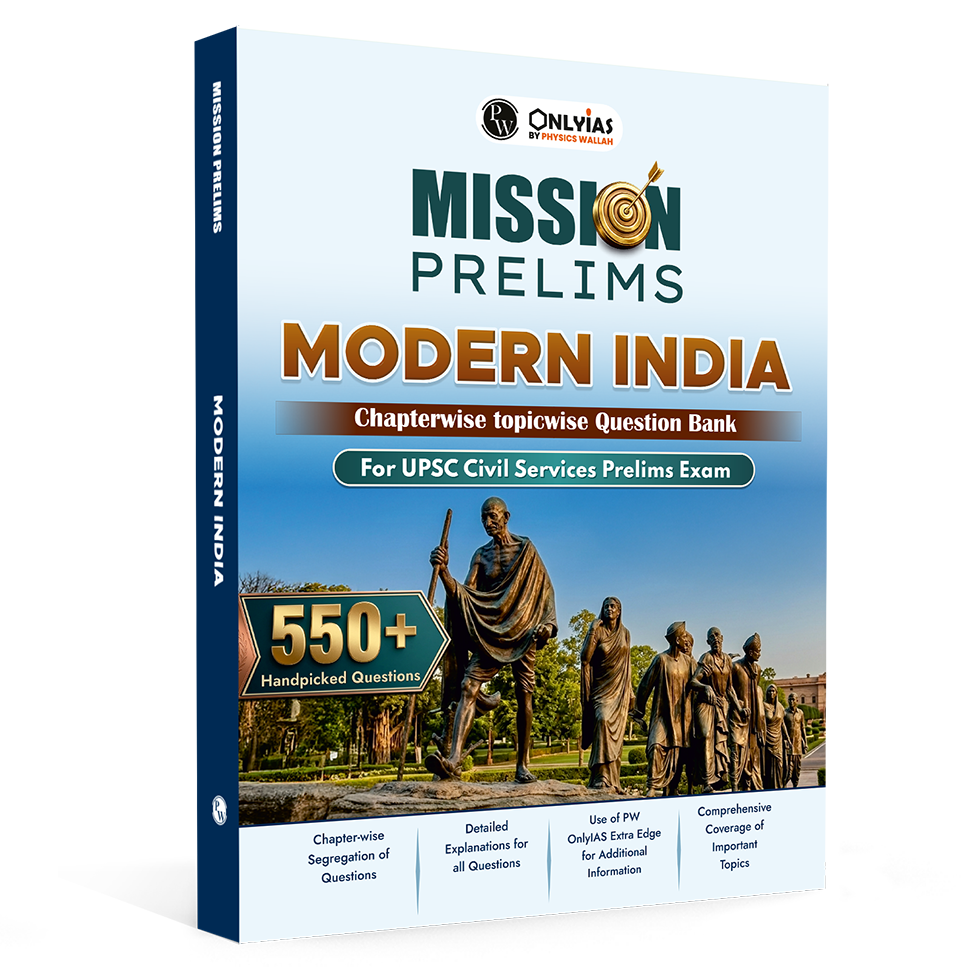
For the civil services test, one needs to have a well-defined approach for high weightage areas like contemporary Indian history. Even after reading the standard textbooks numerous times, aspirants often struggle with remembering complex periods, acts and administrative reforms. This is what happens when you read the theory but don’t try it out. The solution to this dilemma is that you can test your memory right after studying any topic with the help of a dedicated UPSC modern India question bank.
Importance of UPSC Modern India Question Bank for Preparation
Subjects such as history are static and are heavily dependent on facts and clarity of concepts. Just reading notes creates a false impression of preparation that breaks apart under exam pressure. Practicing UPSC modern History questions ensures active memory, which in turn assures long-term retention of crucial events.
A dedicated question bank breaks down a vast syllabus into manageable sections. Instead of guessing your readiness, systematic evaluation provides real data on your performance.
-
Highlights Specific Weaknesses: Shows exact sub-topics, such as peasant revolts or constitutional developments, that need immediate revision.
-
Sharpen Question Decoding: Helps you identify trap possibilities, exaggerated phrases and nuanced word choices utilized by examiners.
-
Boosts Speed and Stamina: Regular practice in timed situations prepares your mind for the Prelims exam environment.
-
Consolidates Active Memory: Solves the problem of forgetting dates, treaties, and organizational founders.
How to Track Progress With a UPSC Modern India Question Bank
Tracking your learning demands a systematic workflow. Follow this step-by-step approach to get the maximum value from your UPSC question bank.
1.Complete Topic-Wise Theory Reading:
Revise a specific chapter, such as the Revolt of 1857 or socio-religious reform movements, using standard reference books.
2.Solve Sectional Modern India MCQs:
Attempt 30 to 50 MCQs immediately after completing your reading. Avoid looking at answer keys during the test.
3.Analyze Answers and Explanations:
Review every solution in your UPSC History question bank carefully. Pay attention to option elimination logic for wrong choices.
4.Maintain a Dedicated Error Log:
Record every missed fact, confusing timeline, or wrong guess in a notebook. Review this log weekly to avoid repeating errors.
Benefits of Using a UPSC Modern India Question Bank With PYQs
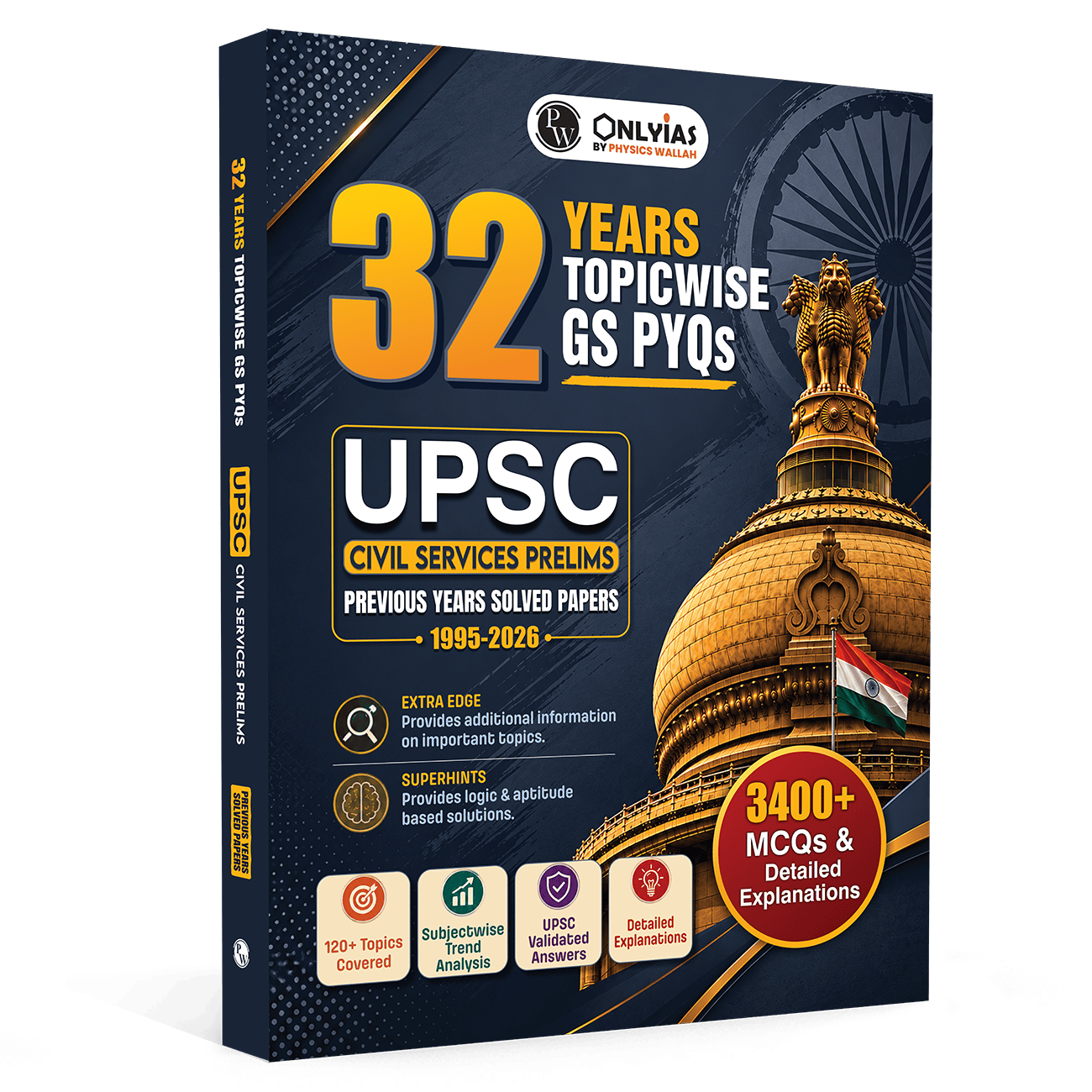
Previous Year Questions show the exact requirements of the Civil Services exam. Integrating UPSC PYQs into your study routine aligns your efforts directly with real exam trends.
-
Identifies High-Yield Topics: Past papers show that areas like the Freedom Struggle (1885–1947), Governor-Generals, and constitutional acts carry maximum weightage.
-
Teaches Elimination Techniques: Working with authentic UPSC modern India questions helps you identify extreme words and logical traps.
-
Improves Time Management : Timed practice minimizes the time spent per question to boost your total rate of paper completion.
-
Detects Changes in Patterns: Keeps you updated with the changing question types like multi-statement analytical questions.
How a UPSC Modern India Question Bank Improves Preparation
The best way to retain is to study a textbook the usual way combined with active testing. The comparative table below shows how the different study strategies affect final exam readiness:
|
Preparation Method |
Core Focus Area |
Revision Efficiency |
Impact on Exam Readiness |
|
Passive Book Reading |
Covering chapter pages |
Low (High forgetting rate) |
Basic theoretical background |
|
Linear Note-Making |
Summarizing textbook chapters |
Medium (Time-consuming) |
Good for quick reference |
|
Topic-Wise Practice |
Solving modern India practice questions |
High (Targeted error fixing) |
Builds strong factual accuracy |
|
PYQ-Based Revision |
Analyzing UPSC modern history PYQs |
Maximum (Direct alignment) |
High familiarity with exam trends |
Common Mistakes to Avoid With a UPSC Modern India Question Bank
Practising questions without a strategy can waste valuable preparation time. Avoid these common traps when working through your question bank:
-
Skipping Explanations for Correct Answers: Checking only the final answer key without reading full solutions causes you to miss vital context.
-
Practising Without Time Limits: Solving questions casually without time boundaries fails to build exam-level speed.
-
Delaying Revision of Missed Questions: Failing to revisit incorrect questions in your error log leads to repeating the same mistakes on test day.
-
Ignoring Option Elimination Logic: Focusing only on finding the right answer rather than learning why other options are wrong limits your problem-solving skills.
How to Use a UPSC Modern India Question Bank for Revision
Revision becomes more useful when it is linked with regular question practice. After completing a topic, use UPSC question bank combo books to test what you remember without referring to your notes. Mark questions that you answer incorrectly or through guesswork and revisit the related concepts.
Create a simple revision cycle based on your performance. Reattempt difficult questions after a few days, then solve a mixed set after completing multiple topics. This method helps you identify recurring mistakes and strengthens your understanding of important events, movements, acts, and personalities.
How to Combine a UPSC Modern India Question Bank With Mock Tests
A balanced preparation strategy combines chapter-wise question sets with full-length mock exams. Use this approach to blend both tools effectively:
-
Phase 1 (Foundation): Use your question bank for immediate topic-wise practice right after reading a textbook chapter.
-
Phase 2 (Subject Completion): Attempt sectional history tests to evaluate your overall command over Modern India as a complete subject.
-
Phase 3 (Final Prep): Take full-length General Studies papers to test your subject-switching ability, stamina, and time management under full exam conditions.
What to Look for in a UPSC Modern India Question Bank
Not all practice books deliver the accuracy required for the Prelims exam. Selecting the right question bank ensures reliable performance tracking. Look for these essential features when choosing UPSC books:
-
Detailed Explanations: Every question must offer clear explanations for both correct and incorrect choices.
-
Chapterwise and Topicwise Arrangement: Questions organized by historical themes allow for focused testing right after chapter completion.
-
Complete Syllabus Coverage: Coverage should include administrative reforms, peasant movements, press regulations, and constitutional steps under British rule.
-
Balanced Question Mix: Includes basic conceptual questions alongside multi-statement analytical problems matching current exam trends.
How to Track Your Score With a UPSC Question Bank
Tracking scores over time can show whether your preparation is actually improving. Record your accuracy after every practice session and compare results across topics such as the Revolt of 1857, constitutional developments, social reform movements, and the freedom struggle.
Use your UPSC results from the question bank to divide topics into strong, average, and weak areas. Spend more revision time on topics where accuracy remains low. Regularly reviewing these performance trends can help you make better use of your study time and approach Prelims practice with greater confidence.
Read More: UPSC Geography Syllabus 2026
UPSC Question Bank FAQs
1. How many UPSC modern India questions should I practice daily?
Solving 30 to 50 questions daily after completing a topic is ideal for steady retention and skill building.
2. Can I rely only on a question bank for prelims preparation?
No, a question bank complements core sources like NCERTs and standard reference books. Use it to test and consolidate theory.
3. Why are UPSC modern history PYQs essential for tracking performance?
Solving PYQs exposes you to actual exam difficulty, recurring themes, and option trends, providing an accurate benchmark of your readiness.
4. How does solving modern India MCQs improve accuracy?
Regularly practicing MCQs develops active recall, eliminates guesswork and helps you to recognize trap alternatives under time constraints.
5. What makes a good UPSC history question bank for revision?
A good question bank should contain topic-wise segmentation, real previous year questions and step-by-step explanation for all the options.