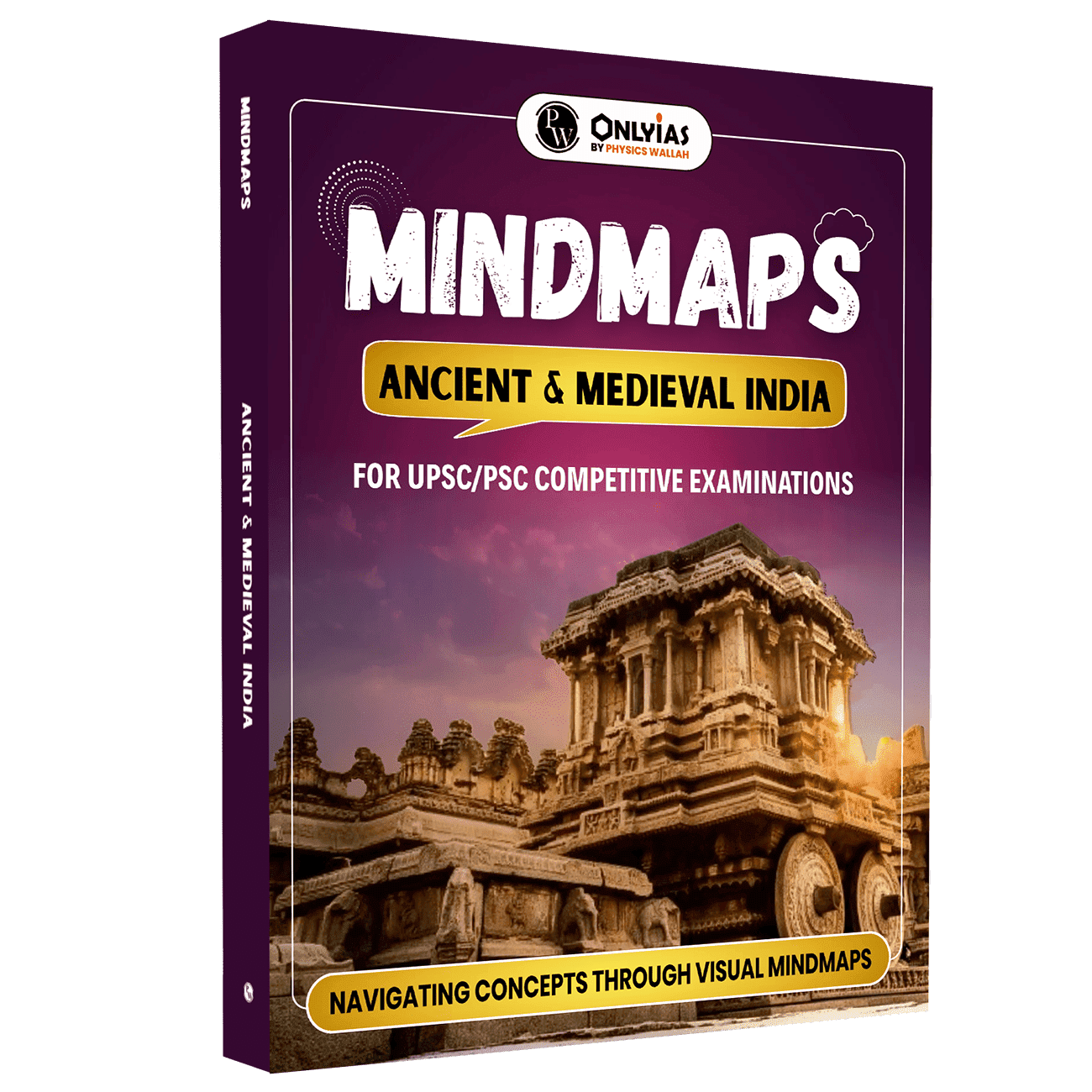
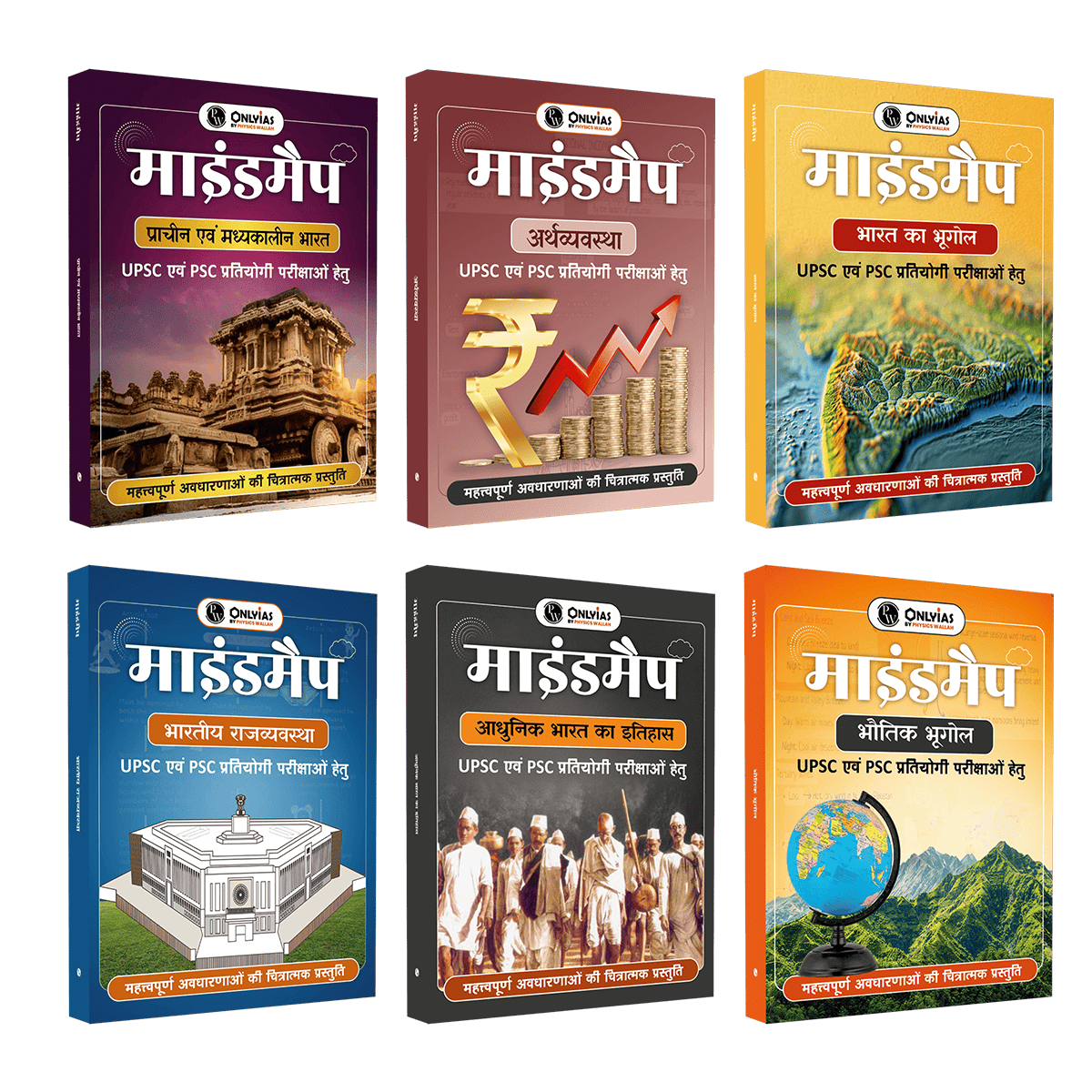
How to use UPSC Ancient and Medieval India Mind Maps Book for Last-Minute Revision
When exams approach, reading bulky text volumes becomes nearly impossible. Remembering dates, dynasties, administrative structures, and cultural transitions during the final days causes significant anxiety. This is where a strategic visual resource changes your path.
Using the right PW UPSC history mind maps book helps convert dense narratives into clear, memorable pathways. This guide explains how to integrate this visual tool into your final study phase, ensuring you retain core details and handle historical questions with confidence.
Overview of PW UPSC History Mind Maps Book
The PW UPSC history mind maps book is a specialized tool designed specifically for serious Civil Services candidates. It addresses the extensive syllabus of Ancient and Medieval Indian History by replacing traditional long paragraphs with interconnected visual charts, flowcharts, and concise infographics. This resource offers full coverage of historical periods while maintaining a clear, exam-oriented structure.
Candidates often struggle with history for UPSC because traditional resources treat dynasties and art forms as separate elements. This book connects political changes with socio-economic shifts, making it easier to see the big picture.
By presenting crucial information in a highly structured format, the resource ensures you spend less time turning pages and more time absorbing high-yield facts.
Benefits of with PW UPSC History Mind Maps Book
Using the PW UPSC history mind maps book gives your revision a clear structural advantage over linear text reading.
-
Enhanced Visual Memory: The layout utilizes distinct diagrams and timelines that improve long-term memory retention and make recall much faster during the examination.
-
Simplified Layouts: Intricate concepts, administrative setups, and cultural trends are broken down into small, digestible fragments.
-
Saves Critical Revision Time: Instead of spending hours reading lengthy chapters, you can scan complete historical periods in just a few minutes.
-
Integrated Learning: The book blends political boundaries, economic updates, and religious movements into unified visual snapshots.
-
Strong Answer Writing Support: The structured format directly improves analytical thinking and helps you organize points logically for Mains answers.
For more comprehensive preparation, students can combine mind maps with UPSC Revision Books to strengthen concept retention, accelerate revision cycles, and improve exam-oriented learning.
Why PW UPSC History Mind Maps Book Is Best for Last-Minute Revision?
During the final days before the exam, reading comprehensive UPSC history notes can feel overwhelming due to data overload. The PW UPSC history mind maps book acts as an ideal final revision resource because it focuses entirely on fast information retrieval and high-yield facts.
The resource provides a concise yet comprehensive snapshot of complex historical trends. This structured presentation supports fast memory retrieval, allowing you to review major dynasties, ancient terms, and medieval administrative systems right before walking into the examination hall.
Topics Covered in PW UPSC History Mind Maps Book
The PW UPSC history mind maps book offers complete coverage of the Civil Services syllabus for both Prelims and Mains stages. It covers essential historical themes, ensuring no crucial areas are left out.
1. Ancient Indian History Themes
-
Prehistoric periods, Indus Valley Civilisation layouts, and Vedic transitions.
-
The rise of Mahajanapadas, Mauryan administrative setups, and Ashokan edicts.
-
Gupta and Post-Gupta empires, including institutional frameworks and regional developments.
-
Ancient religious transformations, focusing heavily on early Buddhism and Jainism philosophies.
2. Medieval Indian History Themes
-
Early medieval regional kingdoms and the establishment of the Delhi Sultanate.
-
The Mughal Empire, highlighting central administration, land revenue models, and provincial control.
-
The Vijayanagara and Bahmani kingdoms, detailing their architectural styles and governance.
-
Socio-economic developments, including the evolution of the Bhakti and Sufi movements.
How to Use PW UPSC History Mind Maps Book
To get the most out of the PW UPSC history mind maps book, you need an active learning approach rather than passive reading. Start by opening a specific historical theme, such as the Gupta administration. Scan the central node first to understand the main topic, then follow the branches outward to see how provincial and local administrations connect.
UPSC mind maps uses clean, non-linear structures. Use these layouts to test your memory. Cover the outer branches of a diagram and try to recall the sub-themes based only on the main heading. This active recall method reinforces key details much faster than re-reading standard text files or a basic history for UPSC PDF.
Study Strategy with PW UPSC History Mind Maps Book
Integrating this book into your daily schedule requires a clear, step-by-step approach. Use this structured weekly plan to maximize your revision speed:
|
Phase |
Revision Focus |
Daily Time Allocation |
Expected Outcome |
|
Days 1–2 |
Ancient India Foundations & Terms |
1.5 Hours |
Quick recall of Indus Valley Civilisation, Vedic terms, and Mauryan administration. |
|
Days 3–4 |
Religious Movements & Art Trends |
1.5 Hours |
Clear understanding of Buddhism, Jainism, temple architecture, and literature. |
|
Days 5–6 |
Medieval Sultanates & Mughals |
2 Hours |
Clear memory of land revenue systems, administrative offices, and key battles. |
|
Day 7 |
Full Syllabus Visual Run-Through |
3 Hours |
Total mental mapping of both eras to ensure smooth recall during the exam. |
Combine this routine with your existing history notes for UPSC or compiled historyy notes for UPSC PDF documents to check facts quickly and fix any gaps in your knowledge.
Common Mistakes While Using PW UPSC History Mind Maps Book
Even when using high-quality UPSC history mindmaps, certain study habits can reduce your revision efficiency. Avoiding these common mistakes will keep your preparation on track:
-
Treating Maps Like Textbooks: Do not read a mind map line by line like a standard book. Use it to visualize connections and trigger memory recall.
-
Ignoring the Syllabus Context: Avoid studying topics randomly. Always align your visual review with the official civil services syllabus requirements.
-
Skipping Active Recall Practice: Looking at diagrams passively will not build strong memory connections. Test your recall by trying to sketch out key branches from memory.
-
Overcomplicating the Diagrams: Avoid writing long notes all over the clean visual pages. Keep the layouts neat so they remain easy to scan right before the exam.
-
Neglecting PYQ Connections: Always link the visual points to UPSC previous years papers to understand how these concepts turn into exam questions.
Read More: Structured Notes for Ancient & Medieval History UPSC Exam
PW UPSC History Mind Maps Book FAQs
Can I rely on UPSC history mindmaps for the Mains exam?
Yes, the structured layouts show clear connections between different historical events, socio-economic factors, and cultural changes. This organized setup helps you structure your thoughts logically and write well-arranged, high-scoring answers for Mains.
Is this book helpful if I already have history notes for UPSC?
Absolutely. This book complements your existing materials by turning linear text into easy-to-scan visual summaries. It saves you the time and effort of drawing your own charts during the final revision phase.
Does the book cover both Ancient and Medieval Indian history completely?
Yes, it offers comprehensive coverage of major themes, key dynasties, cultural trends, and administrative setups across both periods. It is designed specifically to meet the requirements of both the Prelims and Mains exams.
How should I use the history for UPSC PDF materials alongside this book?
Use your detailed text PDFs or standard references for your initial deep-dive reading. Once you understand the concepts, switch to the mind maps book to run through fast, highly efficient revision sessions and reinforce what you have learned.