Prime Minister of India UPSC Current Affairs Preparation with PW Book
Navigating the vast ocean of daily news often leaves aspirants feeling overwhelmed, especially when tracking executive decisions, foreign visits, and policy announcements. Aspirants frequently struggle to filter out political noise from high-value exam topics.
Understanding the constitutional role, policy decisions, and international engagements of the executive branch forms a major pillar of Civil Services preparation. Studying events related to the Prime Minister of India UPSC syllabus requires connecting daily events directly to General Studies subjects.
Overview of Prime Minister UPSC Current Affairs
The executive head plays a central role in national governance, policy formulation, and international relations. Tracking executive initiatives ensures comprehensive coverage of overlapping themes in the syllabus.
-
Integrated General Studies Linkage: Executive actions link directly across General Studies I, II, and III, connecting historical context, constitutional governance, national security, and economic strategies.
-
Prelims and Mains Relevance: Policy updates and international summits provide crucial facts for Prelims while serving as analytical points for Mains answer-writing.
-
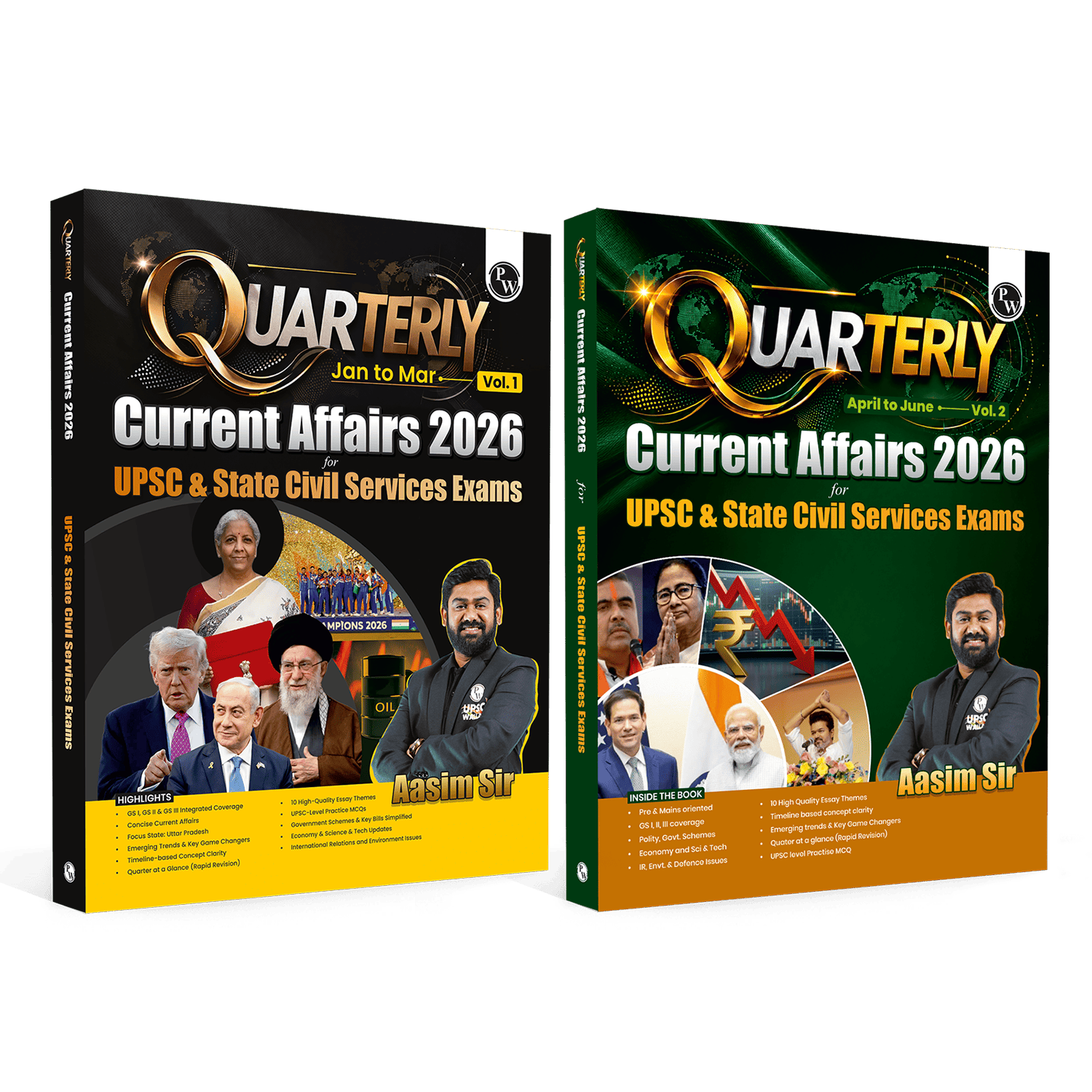
Structured Quarterly Coverage: Organizing developments across structured timeframes—such as January to March and April to June—ensures zero information gaps.
-
Analytical Trends: Analyzing broad developments helps candidates track emerging governance trends and key legislative updates.
|
Quarter Focus |
Primary Themes Covered |
Exam Application |
|
January to March |
Budgetary policies, major infrastructure launches, initial bilateral summits |
Prelims factual accuracy, GS-II & GS-III foundations |
|
April to June |
Policy evaluations, strategic international engagements, governance reforms |
Mains analytical answer-writing, essay themes |
Which Prime Minister UPSC Current Affairs Topics Should You Cover
Focusing on targeted themes with a UPSC Quarterly Current Affairs Magazine prevents information overload while ensuring high relevance to the exam paper.
Key Executive & Policy Themes
-
Simplified Schemes & Bills: Policy initiatives, national mission launches, and legislative amendments proposed by central ministries.
-
10 Essay Themes: High-yield analytical topics around national development, governance models, and foreign policy pillars to enhance Mains answer-writing readiness.
-
State-Specific Focus: Important regional initiatives and governance models, including dedicated updates for aspirants preparing for UP PCS alongside central exams.
Constitutional and Foreign Relations Themes
-
Bilateral & Multilateral Summits: High-level visits, international agreements, global forum addresses, and strategic treaties.
-
Constitutional Governance: Relations between the executive cabinet, parliament, and statutory bodies.
-
National Security & Innovation: Major defense developments, science and technology initiatives, and environmental commitments.
Candidates looking into the PM of India current affairs should consistently categorize these updates under specific GS paper headings.
How to Prepare for Prime Minister UPSC Current Affairs
Developing a systematic method transforms raw news into actionable exam knowledge.
-
Utilize Concise Current Affairs: Rely on crisp, exam-relevant updates designed to save time and improve memory retention during intense study schedules.
-
Follow Timeline-Based Clarity: Study events in a structured sequence to grasp historical context, background origins, and policy progression accurately.
-
Practice UPSC-Level MCQs: Solve dedicated practice questions regularly to test conceptual understanding and measure overall exam preparedness.
-
Integrate GS Papers: Connect every policy announcement to underlying constitutional articles, economic principles, or environmental objectives.
Aspirants seeking structured Prime Minister current affairs UPSC material benefit greatly from quarterly compilations that feature consolidated policy briefs and practice modules.
When Should You Study Prime Minister UPSC Current Affairs
Timing your preparation ensures that information remains fresh without crowding basic static subject building.
-
Daily Tracking (15–20 Minutes): Briefly scan daily news headlines to stay aware of major national events and executive decisions.
-
Quarterly Consolidations: Study comprehensive compilations at the end of every quarter (e.g., January–March and April–June) to systematically consolidate information.
-
Pre-Exam Phase (3 Months Prior): Shift focus towards rapid revision modules, summary charts, and targeted objective practice.
-
Mains Answer-Writing Phase: Integrate recent governance examples into essay practice and General Studies answer framework sessions.
Regular review of targeted UPSC current affairs on pm updates ensures seamless transition from basic understanding to advanced analytical application.
Tips to Revise Prime Minister UPSC Current Affairs for the Exam
Effective revision separates successful candidates from the rest. Applying targeted techniques maximizes retention.
-
Leverage Quarter at a Glance: Utilize summary tools and rapid snapshot sections for effective last-minute preparation before tests.
-
Solve Topical Practice Modules: Attempt targeted multiple-choice questions right after finishing a topic to solidify key points.
-
Create Synoptic Mind Maps: Draft short one-page diagrams linking executive policies to static GS-II governance concepts.
-
Review Key Legislation Summaries: Revisit simplified explanations of important bills and national schemes to ensure accurate citations in Mains papers.
Consistent evaluation using Prime Minister UPSC questions and UPSC Books highlights weak spots early in your study cycle..
Common Mistakes to Avoid While Preparing for Prime Minister UPSC Current Affairs
Avoiding standard prep pitfalls saves valuable study hours and prevents confusion.
-
Focusing on Political News: Avoid tracking political debates or party campaigns; focus exclusively on policy details, schemes, and constitutional aspects.
-
Ignoring Static Linkages: Memorizing current facts without linking them to static GS subjects weakens Mains analytical answers.
-
Delaying Revision: Accumulating months of unread material creates unnecessary stress before the exam.
-
Overlooking Practice Questions: Reading notes without solving relevant multiple-choice questions leads to errors under exam conditions.
Adopting a systematic approach to UPSC current affairs preparation prevents these common errors and leads to consistent scores.
Read More: Importance of Solving Previous Year Papers for UPSC Exam
Prime Minister of India UPSC Current Affairs FAQs
Q1. How do quarterly current affairs compilations aid in Prime Minister UPSC Current Affairs preparation?
Quarterly compilations structure events from specific periods—such as January to March and April to June—into compact, exam-focused formats with integrated GS coverage, timeline clarity, and revision tools.
Q2. What key areas of the Prime Minister of India UPSC should be prioritized?
Prioritize national scheme launches, simplified bills, foreign bilateral visits, international summit speeches, essay themes, and executive governance decisions.
Q3. How frequently should candidates solve Prime Minister UPSC questions?
Candidates should solve practice MCQs immediately after completing monthly or quarterly topics to verify retention and improve accuracy under exam conditions.
Q4. Why is static integration crucial for pm of India current affairs?
Linking current events to static subjects ensures comprehensive coverage across Prelims and Mains, allowing candidates to substantiate GS-II and GS-III answers with current policy examples.
Q5. What features help in last-minute UPSC current affairs preparation?
Features such as "Quarter at a Glance" summaries, concise notes, essay themes, and focused policy breakdowns enable fast and effective last-minute revision.