When to Revise UPSC Physical Geography Using Mind Maps in the Final Prelims Window
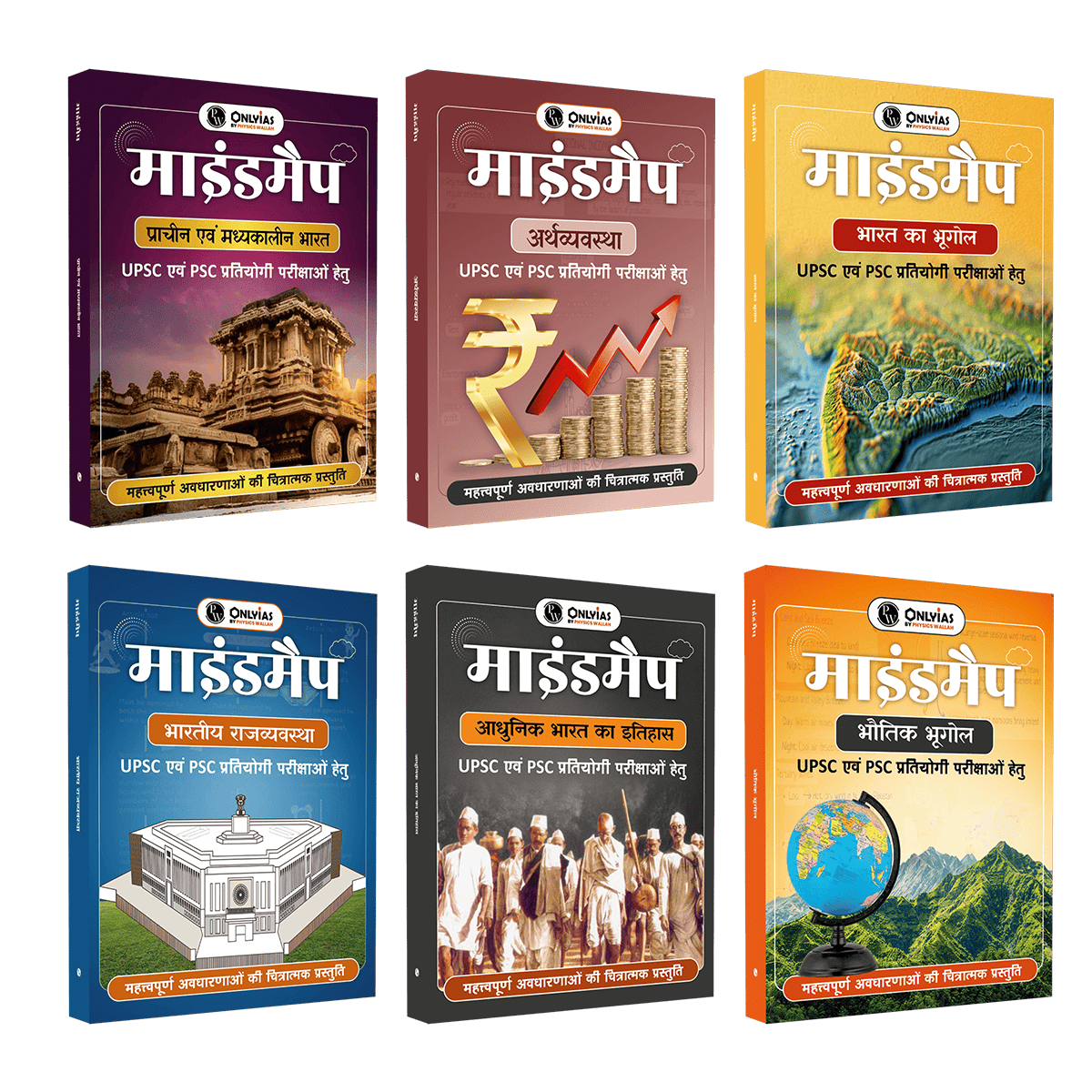
UPSC physical geography mindmaps are highly structured visual study tools that condense extensive textbook chapters into single-page graphical frameworks. They connect foundational geographic principles, environmental patterns, and landform processes through clean branches and interconnected flowcharts.
These maps serve as premium, snippet-ready reference summaries that help civil services candidates build fast, long-term memory during critical revision windows. When used alongside well-structured UPSC Books, they create a balanced preparation approach by combining detailed conceptual learning with rapid visual revision for both Prelims and Mains.
What are UPSC Physical Geography Mindmaps?
Understanding the nature of your tools is a vital part of planning. Many aspirants face immense pressure when dealing with massive syllabus books right before the civil services preliminary examination.
These special graphical tools don't just rewrite text in small fonts. They completely re-engineer the way information enters your brain by organizing raw concepts into clean, scannable nodes.
-
Central Theme Architecture: Every single chart starts with one core topic right in the middle of the sheet.
-
Hierarchical Branches: Sub-topics break out into secondary and tertiary arms to show direct cause-and-effect relationships.
-
Integrated Diagrams: Critical spatial data, like wind systems or rock cycles, feature inline sketch representations.
Traditional text sheets force you to scan long paragraphs to find one specific factual metric. Visual maps eliminate this structural lag by stripping away unnecessary grammatical filler. You get pure, high-density academic information that boosts your learning tracking speed.
Why Use UPSC Physical Geography Mindmaps?
The preliminary civil services paper demands perfect accuracy under tight time constraints. Mastering physical geography for UPSC isn't just about reading chapters; it's about connecting complex structural systems together.
Physical geography acts as a deeply scientific subject that deals with real Earth processes. You can't just memorize the names of landforms without knowing the tectonic or atmospheric factors that create them.
-
Atmospheric Cells: Visualizing how the Hadley, Ferrel, and Polar cells cycle air helps you predict global desert locations instantly.
-
Oceanic Currents: Mapping out warm and cold water channels establishes an intuitive understanding of global climate zones.
-
Geomorphic Stages: Flowcharts show exactly how youthful river valleys slowly turn into old-age floodplains over millions of years.
When you sit in the exam hall, stress can block your normal text-based memory recall pathways. Diagram-based materials build strong visual anchors in your mind. This lets you access dense factual frameworks through spatial memory when solving tricky objective questions. Combining this approach with concise UPSC Revision Books further strengthens recall by providing condensed, structured content that is easier to revisit repeatedly during the final stages of preparation and revision.
When to Use UPSC Physical Geography Mindmaps?
Timing your study stages dictates whether your prep remains productive or turns chaotic. You shouldn't try to use condensed frameworks before you understand basic textbooks.
Timeline for Syllabus Integration
A smart candidate splits their timeline into clear operational windows. Generally suggested tips point to an absolute multi-phase approach where different note types support different learning depths.
|
Study Phase |
Primary Objective |
Recommended Study Material |
|
Foundation Phase |
Deep conceptual learning |
Standard comprehensive textbooks |
|
Consolidation Phase |
Structuring core chapters |
Detailed upsc physical geography notes |
|
Final Prelims Window |
Rapid snapshot review |
Ultra-condensed mind maps |
Tracking Your Revision Windows
Open your short visual sheets when you enter the final 45-day countdown before the prelims test. This specific window requires you to touch every single topic multiple times. Thick narrative books will slow you down, while short summaries keep your momentum high.
Where to Find Reliable UPSC Physical Geography Mindmaps?
Most competitive candidates look for versatile file formats to optimize their desks. Having high-quality physical geography notes for the UPSC PDF allows you to carry your complete study setup anywhere.
Finding Reliable Digital Materials
You must check the structural quality of any document before committing your hours to it. Poorly designed charts cause more confusion than clarity during crunch time.
-
High Resolution Scaling: Ensure the file retains perfect text crispness when you zoom into complex sub-branches.
-
Clean White Space: Good sheets use proper layout spacing so your eyes don't get tired during midnight sessions.
-
Direct Syllabus Mapping: The headers must line up exactly with official examination notification topics.
Organizing Your Files for Quick Access
Don't let your digital library become a messy digital graveyard. Save your physical geography notes for the UPSC PDF into clearly labeled cloud folders divided by major geographic sub-disciplines. This system prevents panic when you need to check a fact five minutes before a practice mock test.
How to Study with UPSC Physical Geography Mindmaps?
Possessing a great resource is only half the battle won. You need to know how to interact with a digital physical geography for the UPSC PDF to convert flat pixels into permanent mental knowledge.
Do not just look at a digital chart passively like decorative wallpaper. Active tracking turns your review sessions into intense mental workouts that lock facts down.
Steps to Know Digital Mapping Materials
-
Open your target topic sheet on your tablet or computer screen.
-
Follow the main branch from left to right to respect chronological order.
-
Hide the screen and try to draw the exact conceptual layout on a blank scrap of paper.
-
Open the document again to see which sub-branches your memory missed.
Pairing Visual Frameworks with Practice
Always run through a quick topic map right before you attempt a topic-specific practice paper. This sequence primes your analytical mind, making it much easier to spot trap choices planted by the paper setters.
Tips for Using UPSC Physical Geography Mindmaps
Transforming basic academic readouts into high-scoring answer sheets requires continuous personalization. Standard UPSC physical geography mindmaps work best when you inject your own analytical observations.
-
Color Code Your Nodes: Use specific ink schemes for different geographical data sets. Mark all tectonic actions in red and climate variables in blue.
-
Drop Text for Symbols: Replace long words with small icons. Use arrows for rising air masses and small wave symbols upward for maritime influences.
-
Cross-Reference Sub-Branches: Draw thin dotted lines between different sheets to show how core physical systems influence human settlements.
A single review session won't secure your civil services score. Plan to scan your key map clusters at least four times during the final window. This repetitive exposure hardens your conceptual recall, ensuring you don't hesitate when faced with tricky spatial problems on the big day.
Read More: UPSC Geography Syllabus 2026, Prelims and Optional Syllabus
UPSC Physical Geography Mindmaps FAQs
Can I skip reading standard geography textbooks completely?
No, you can't skip foundational books. Visual charts serve as excellent revision tools, but they assume you already understand basic core concepts. Always build your foundation first before using snapshot notes.
How many times should I review these maps before prelims?
We suggest passing through your map sheets at least three to four times during the final 45-day window. Frequent quick touches build much better retention than one single long study session.
Are physical geography notes for UPSC PDF better than paper?
Both options work well depending on your style. Digital documents offer great portability and easy zooming, while paper variants let you scribble fast personal annotations without stylus lag.
Should I create my own visual charts from scratch?
Making your own charts is great if you have ample time. But if you are inside the final exam window, using pre-made sheets expertly saves thousands of precious preparation hours.
How do mind maps help in solving tough map-based questions?
They group locations, landforms, and climate parameters into distinct spatial zones. This structural layout trains your brain to see geographic coordinates as connected systems rather than isolated facts.