Revise UPSC Syllabus Smarter with Pictorial Graphs
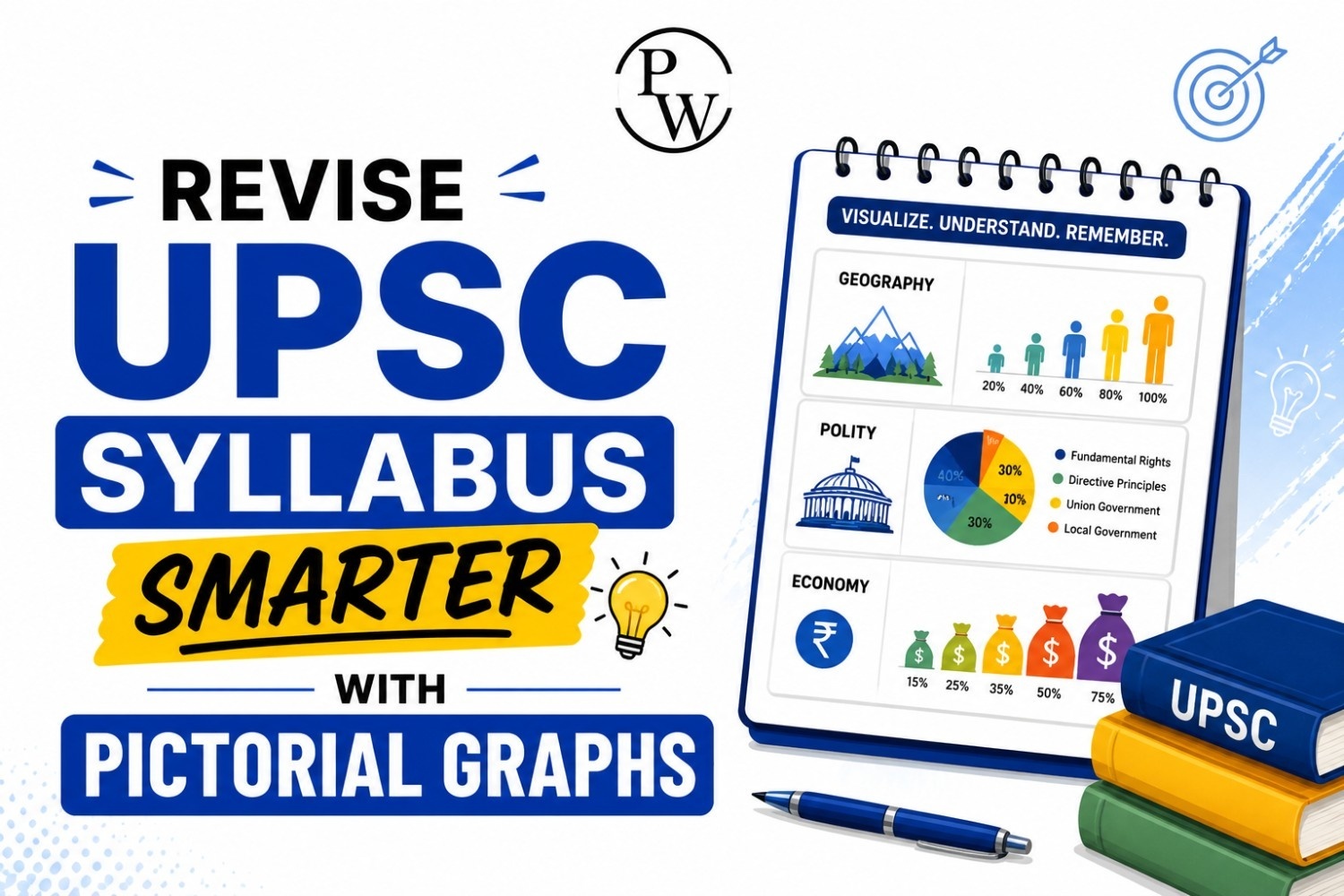
Preparing for the UPSC exam can feel difficult because the syllabus is very large. Students have to study many subjects like History, Geography, Polity, Economy, Environment, Science, Ethics, and Current Affairs. Reading long notes again and again can become tiring and confusing.
This is why many UPSC aspirants now use pictorial graphs, flowcharts, mind maps, and diagrams for revision. These methods make studying easier, faster, and more interesting. Visual learning helps students remember topics for a longer time and revise quickly before exams.
If you are preparing for UPSC and finding revision difficult, subject-wise pictorial graphs can help you study smarter.
Check out: UPSC CSE Books
Why Pictorial Revision Helps in UPSC Preparation
The brain remembers images and diagrams faster than plain text. When information is shown in a visual format, students understand concepts quickly and can recall them easily during exams.
Benefits of Visual Revision
-
Makes difficult topics simple
-
Helps in quick revision
-
Improves memory retention
-
Saves time during preparation
-
Reduces stress before exams
-
Helps in answer writing for mains
Instead of memorizing paragraphs, students can remember one diagram or flowchart and recall the entire topic.
Check Out: UPSC Revision Books
Subject-Wise UPSC Revision Using Pictorial Graphs
1. History – Learn Through Timelines
UPSC History revision contains many events, movements, and leaders. Timelines help students remember events in the correct order.
Use Visual Notes For:
-
Ancient History
-
Medieval History
-
Freedom Struggle
-
Important Acts and Reforms
-
Governor-General and Viceroy timelines
Example
A timeline of the freedom struggle helps students remember:
-
Revolt of 1857
-
Non-Cooperation Movement
-
Civil Disobedience Movement
-
Quit India Movement
One-page timelines make revision easy before prelims and mains.
Check Out: Modern Indian History Pictorial Notes PDF
2. Geography – Study with Maps and Diagrams
UPSC Geography revision becomes easier when students study through maps and pictures.
Use Visual Revision For:
-
Rivers and mountains
-
Monsoon system
-
Soil types
-
Climate
-
Earthquakes and cyclones
Example
A map of India showing rivers and dams helps students remember locations quickly.
Flowcharts can also explain:
-
Water cycle
-
Volcano formation
-
Types of rainfall
Visual learning improves both conceptual understanding and map-based questions.
Check Out: UPSC Geography Pictorial Notes PDF
3. Polity – Understand Concepts with Flowcharts
Indian Polity revision contains many articles, bodies, and constitutional concepts. Flowcharts simplify these topics.
Topics for Visual Notes
-
Fundamental Rights
-
Parliament structure
-
Election process
-
Constitutional bodies
-
Emergency provisions
Example
A simple chart comparing Lok Sabha and Rajya Sabha helps students understand differences quickly.
Students can also create:
-
President election process charts
-
Judiciary structure diagrams
-
Amendment process flowcharts
This method helps in both prelims revision and mains answer writing.
Check Out: UPSC Indian Polity Pictorial Notes PDF
4. Economy – Make Economic Concepts Simple
Many students fear UPSC Economy because of technical terms. Pictorial graphs can make these concepts easy.
Use Diagrams For:
-
Inflation
-
Budget
-
Banking system
-
Taxation
-
Monetary policy
Example
A simple flowchart showing how inflation affects prices, savings, and employment can improve understanding quickly.
Students can also prepare:
-
Budget summary charts
-
Banking structure diagrams
-
GDP growth graphs
These visual notes help during current affairs revision as well.
Check Out: UPSC Economy Pictorial Notes PDF
5. Physical Geography – Revise with Maps and Diagrams
UPSC Physical Geography is an important part of UPSC Prelims and Mains. Many topics involve natural processes and landforms, which become easier to understand through maps, diagrams, and flowcharts. Visual revision helps students learn concepts quickly and remember them for a longer time.
Topics for Visual Revision
-
Earth structure
-
Volcanoes and earthquakes
-
Rivers and drainage systems
-
Mountains and plateaus
-
Climate and monsoon system
For example, a water cycle diagram helps students understand the movement of water through evaporation, condensation, and rainfall. Similarly, tectonic plate maps make it easier to remember earthquake and volcano zones.
Charts and maps are also useful for revising:
-
Important mountain ranges
-
Rivers of India and the world
-
Ocean currents
-
Types of soils
-
Climatic regions
Visual revision makes Physical Geography simple, improves concept clarity, and helps students recall important facts quickly during the exam.
Check Out: UPSC Physical Geography Pictorial Notes PDF
6. Ancient and Medieval India – Revise with Timelines and Charts
UPSC Ancient and Medieval India are important sections for UPSC Prelims and Mains. These subjects contain many dynasties, rulers, events, and cultural developments that can be difficult to remember through plain text. Visual revision using timelines, charts, and maps makes learning easier and more effective.
Topics for Visual Revision
- Indus Valley Civilization
- Vedic Period
- Maurya and Gupta Empires
- Delhi Sultanate
- Mughal Empire
For example, a dynasty timeline helps students remember the sequence of rulers and major events quickly. Maps also help in understanding the expansion of kingdoms and trade routes.
Charts and tables are useful for revising:
- Important kings and their achievements
- Ancient temples and architecture
- Religious movements like Buddhism and Jainism
- Bhakti and Sufi movements
- Art, culture, and literature
Visual revision improves memory retention, simplifies historical connections, and helps students quickly recall important facts during the exam.
Check Out: UPSC Ancient and Medieval India Pictorial Notes PDF
Tips to Create Good Pictorial Notes
Keep Notes Short
Use keywords instead of long paragraphs.
Use Arrows and Boxes
This makes information easy to connect and remember.
Make One-Page Revision Sheets
Every topic should be revised quickly through a single sheet.
Revise Regularly
Visual notes become more effective after multiple revisions.
Focus on Understanding
Do not just decorate notes. Make sure concepts are clear.
Instead of revising long pages repeatedly, students can revise complete subjects through visual summaries. History timelines, Geography maps, Polity flowcharts, Economy graphs, and Ethics mind maps save time and improve understanding.
Smart revision is very important for success in UPSC. Start creating subject-wise pictorial notes today and make your preparation faster, easier, and more effective.
Read More: Most Important Topics for UPSC Prelims and Mains Exam
Revise UPSC Syllabus Smarter with Pictorial Graphs FAQs
1. What are pictorial graphs in UPSC preparation?
Pictorial graphs are visual study tools like flowcharts, mind maps, diagrams, and timelines used for quick revision.
2. Are visual notes helpful for UPSC prelims?
Yes, they help students remember facts and revise large topics quickly before prelims.
3. Which subjects are best for pictorial revision?
History, Geography, Polity, Economy, and Environment are very useful for visual revision methods.
4. Can pictorial notes help in mains answer writing?
Yes, flowcharts and diagrams improve answer presentation and clarity in mains.
5. How should beginners start making visual notes?
Start with simple flowcharts and one-page summaries using short points and arrows.
6. How many times should students revise visual notes?
Students should revise them regularly, especially during the last months before the exam.
7. Do visual notes save time during revision?
Yes, they reduce revision time and help students recall topics faster during exams.