UPSC Economy Question Bank: Important Concepts to Practise Through MCQs
Preparing for the UPSC Civil Services Examination requires regular practice, especially for subjects like the Indian economy. A well-organised UPSC economy question bank can help aspirants revise important concepts, test their understanding, and practise different types of questions.
Economy can feel difficult because it includes both basic concepts and changing topics such as inflation, monetary policy, taxation, government spending, and international trade.
Importance of UPSC Economy Question Bank for Prelims
Reading books and notes is important, but question practice helps aspirants check whether they can actually use what they have learned. A structured economy question bank provides questions that can be solved after completing individual topics.
-
Targeted Revision: Focus on important concepts and revise them through topic-based questions.
-
Error Analysis: Detailed explanations help identify conceptual mistakes and understand the correct answer.
-
Time Management: Regular practice helps aspirants become more comfortable with solving questions within a fixed time.
-
Concept Testing: Questions show whether you can apply a concept instead of simply remembering its definition.
Candidates may understand a topic while reading but face difficulty when the same idea is presented in a different way. Practice can help them identify important words in statements and carefully compare each option before selecting an answer.
Features of UPSC Economy Question Bank
Build a regular Prelims practice routine with a UPSC question bank designed for focused revision and repeated testing. It brings questions, explanations, and additional exam support together in one resource.
-
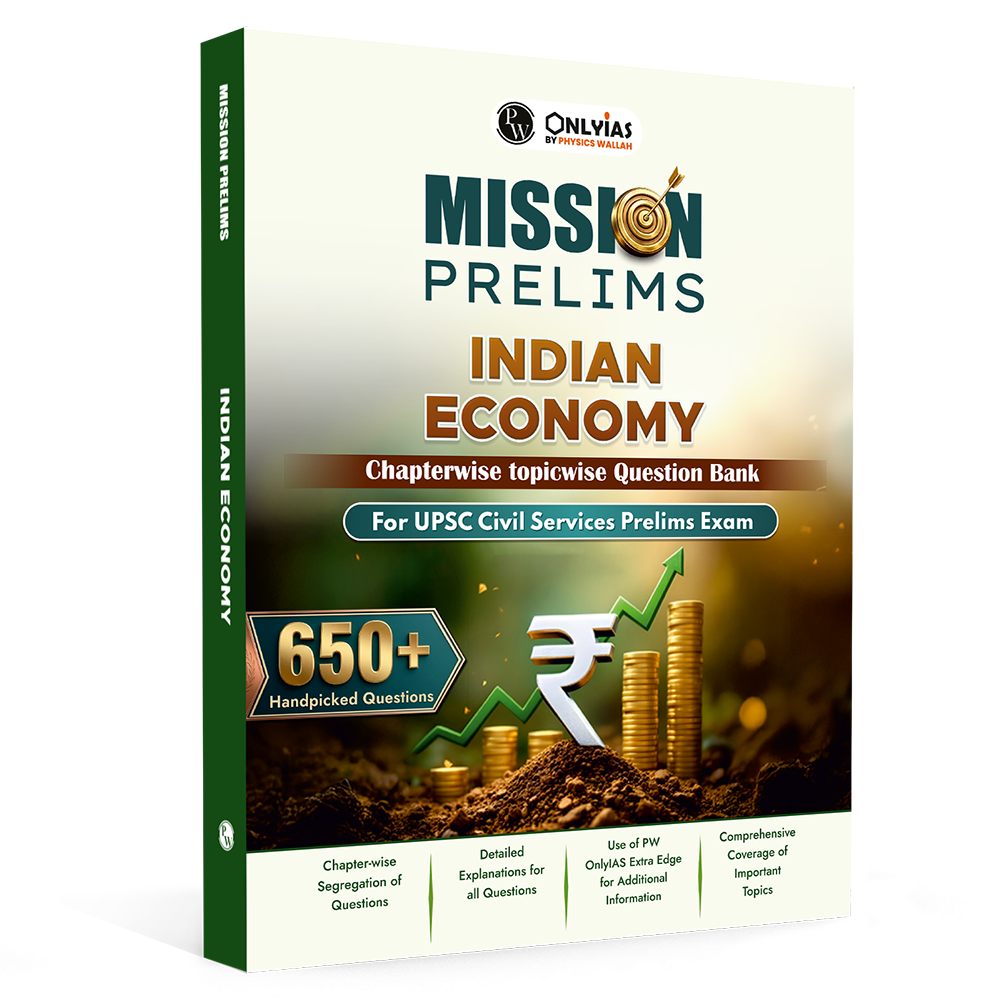
5020+ Questions for Regular Practice: Includes 5020+ handpicked questions based on the UPSC Prelims exam pattern and covering different question types.
-
Easy Chapter-Wise Revision: Questions are arranged chapter-wise and topic-wise, making it easier to revise one area at a time.
-
Learn From Detailed Answers: Clear explanations with the questions help aspirants understand the correct answer and the concept behind it.
-
Extra Support From Only IAS: Value-added facts and exam-related insights provide additional support during preparation.
-
Important Topics Covered: Covers major areas needed for UPSC Civil Services Preliminary Examination preparation and revision.
-
Practice With a Clear Goal: Regular question solving can help aspirants work on speed, accuracy, concept clarity, and confidence.
-
Complete Question Bank Combo: Combines subject-wise questions, topic-based revision, detailed solutions, and exam-focused practice in one preparation resource.
What are the Core Micro and Macroeconomic Concepts in UPSC Economy Question Bank?
Basic economic concepts provide the foundation for many other topics. Aspirants should understand these concepts clearly before moving to more detailed areas of the economy.
-
National Income Accounting: Practise questions on GDP, GNP, NNP, and different methods of measuring national income.
-
Inflation: Revise CPI, WPI, headline inflation, core inflation, and the basic difference between demand-pull and cost-push inflation.
-
Demand and Supply: Understand how changes in demand, supply, production costs, and government policies can affect market outcomes.
-
Economic Growth: Study concepts such as real growth, nominal growth, per capita income, and related indicators.
Questions based on economic aggregates can sometimes look similar, so regular practice is useful. Using relevant UPSC Books along with solving UPSC economy MCQs can help aspirants understand the difference between nominal and real values and improve their ability to read economic statements carefully.
What are the Banking and Monetary Policy in UPSC Economy Question Bank?
Banking and monetary policy are important areas of economy preparation. These topics include the role of the Reserve Bank of India, banking regulations, interest rates, and liquidity management.
-
Quantitative Tools: Study tools such as repo rate, CRR, SLR, and Open Market Operations and understand their basic purpose.
-
Qualitative Measures: Revise measures such as margin requirements and moral suasion.
-
Banking Sector Reforms: Practise questions on NPAs, capital adequacy, banking regulation, and measures used to improve the banking system.
-
Monetary Transmission: Understand how changes in policy rates can affect borrowing costs, spending, investment, and economic activity.
Regular economy practice questions can make these topics easier to revise. Aspirants should also check current RBI announcements and official updates separately because monetary policy and banking regulations can change over time.
What are the Budgeting and Fiscal Policy in UPSC Economy Question Bank?
Fiscal policy deals with government revenue, spending, borrowing, and taxation. These areas require a clear understanding of different deficit measures and the way government finances are managed.
-
Deficit Measures: Study fiscal deficit, revenue deficit, primary deficit, and effective revenue deficit.
-
Taxation: Understand direct and indirect taxes along with progressive and regressive taxation.
-
GST: Revise the basic structure and working of the Goods and Services Tax.
-
Government Spending: Understand the difference between capital expenditure and revenue expenditure.
-
Subsidies: Study why governments provide subsidies and the basic issues related to their management.
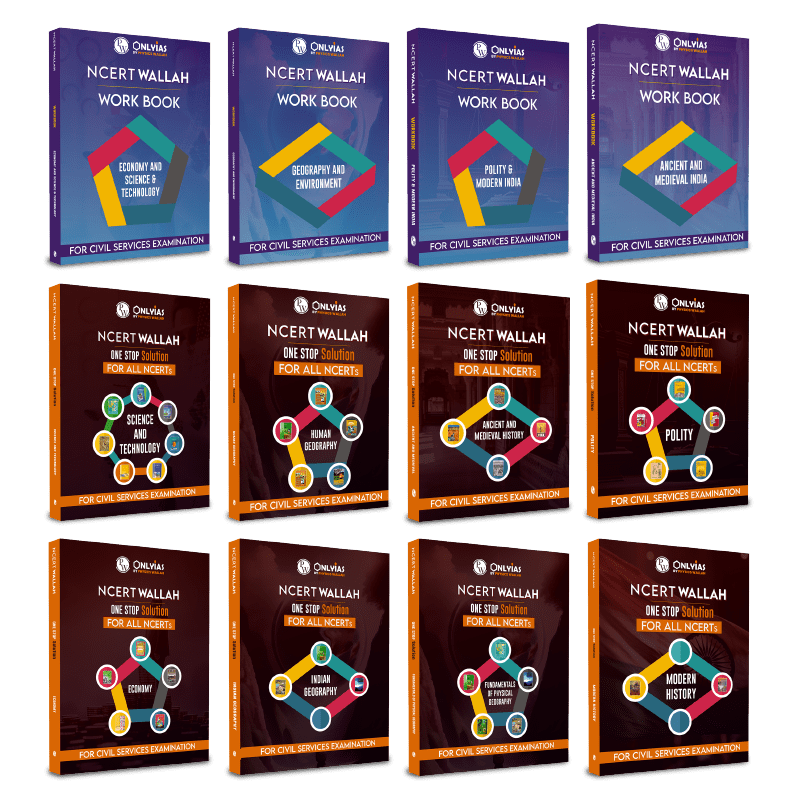
Practising UPSC prelims economy questions on these topics can help aspirants understand how different fiscal concepts are connected. Using UPSC Question Bank Combo Books for regular practice can help reinforce these concepts and improve familiarity with different question patterns. Questions should be reviewed carefully because small changes in wording can change the meaning of an economic statement.
What are the External Sector and International Trade in UPSC Economy Question Bank?
The external sector connects the Indian economy with the global economy. This area includes international trade, foreign exchange, balance of payments, and major global financial institutions.
-
Balance of Payments: Study the current account, capital and financial account concepts, and the basic meaning of a BoP surplus or deficit.
-
Exchange Rates: Understand fixed, floating, and managed exchange rate systems and the factors that can affect currency appreciation or depreciation.
-
International Trade: Revise imports, exports, trade balance, tariffs, and other basic trade concepts.
-
Global Institutions: Learn the main functions of the IMF, World Bank, WTO, and Asian Development Bank.
External sector questions may combine static concepts with current economic events. Using an economy question bank for regular practice can help aspirants revise the basic concepts before connecting them with current developments.
How Should be the UPSC Economy Question Bank Practice Strategy?
A question bank becomes more useful when aspirants follow a proper practice method. Instead of simply counting the number of questions solved, focus on what each question teaches.
-
Read the Topic First: Build a basic understanding before starting MCQs.
-
Attempt Questions Independently: Try to solve each question before checking the answer.
-
Review Every Mistake: Identify whether the mistake was caused by a concept gap, calculation, or incorrect reading.
-
Make Short Notes: Record confusing concepts, important terms, and repeated mistakes.
-
Repeat Difficult Questions: Revisit incorrect questions during revision.
-
Combine Static and Current Topics: Use standard books for concepts and reliable current-affairs sources for recent developments.
This method can turn an economy question bank into both a practice tool and a revision resource.
Read More: UPSC Economics Syllabus
UPSC Economy Question Bank FAQs
How many questions should I solve from an UPSC economy question bank daily?
There is no fixed number that works for every aspirant. Around 20 to 40 questions can be a practical daily target if you also spend enough time reviewing the answers and explanations. Quality of practice is more important than simply increasing the number of questions.
Are static concepts enough to solve UPSC economy questions in the exam?
Static concepts provide the foundation, but UPSC questions can also relate to current economic developments. Aspirants should combine basic concept preparation with current affairs and regular UPSC economy questions practice.
Which book offers the best chapterwise UPSC economy MCQs for practice?
Aspirants should choose a resource based on the quality of questions, explanations, topic coverage, and organisation. The Mission Prelims Question Bank is designed with handpicked UPSC economy MCQs, detailed explanations, and chapter-wise practice for structured preparation.
How do economy practice questions help improve accuracy in Prelims?
Regular economy practice questions help aspirants find weak concepts and become familiar with different statement-based question formats. Reviewing wrong answers can also reduce repeated mistakes and improve careful reading.
What makes UPSC prelims economy modules important for preparation?
A clear understanding of economic concepts, combined with regular practice and current-affairs revision, can help aspirants prepare for UPSC prelims economy topics. A question bank provides a structured way to test concepts and track areas that need more revision.