UPSC Exam Pattern 2026 for Prelims, Mains & Interview
It takes more than just hard studying to pass the Union Public Service Commission (UPSC) Civil Services Examination. You also need to grasp how the test works. The test is still one of the hardest and most regarded national-level tests, even though it will be held in 2026. It is supposed to pick the future heads of India's police, government, and foreign services.
At PW Store, we believe that clarity is the first step toward success. The ias exam pattern is structured in three distinct stages: the Preliminary Examination (Screening), the Main Examination (Merit-determining), and the Personality Test (Interview). Each stage is designed to test different facets of an aspirant's personality, from intellectual depth to emotional resilience.
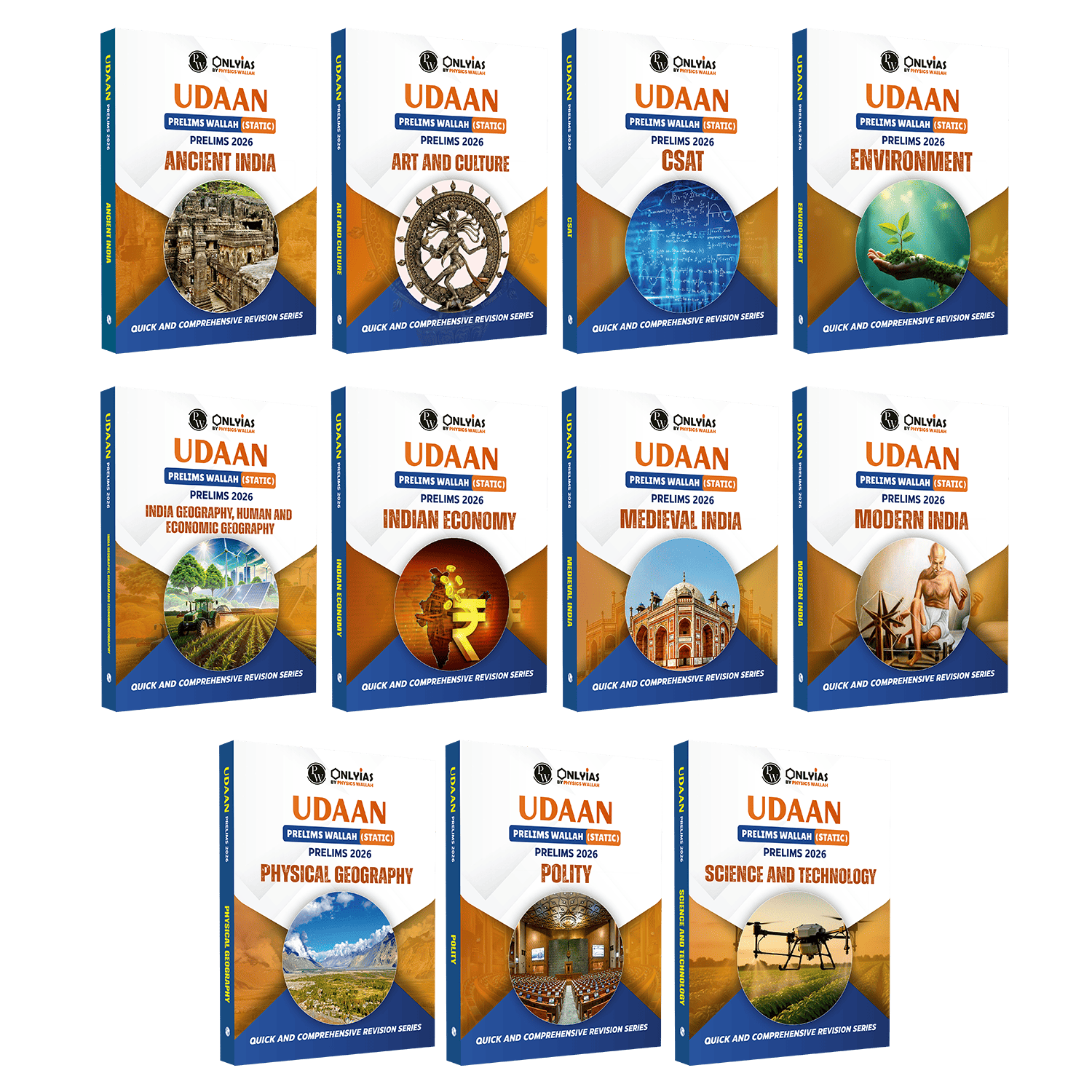
Check Out: UPSC Books for 2026 Preparation
UPSC Prelims Exam Pattern 2026
The upsc prelims test format is the route to get in. It is a one-day, offline screening test made up of two objective-type (Multiple Choice Questions) papers. The scores you get here don't go toward the ultimate merit list, but you have to pass this level to move on.
Overview of Prelims Papers
|
Paper |
Subject |
Questions |
Total Marks |
Duration |
Nature |
|
Paper I |
General Studies (GS) |
100 |
200 |
2 Hours |
Counted for Cut-off |
|
Paper II |
CSAT (Aptitude) |
80 |
200 |
2 Hours |
Qualifying (33%) |
Key Rules for Prelims:
-
Negative Marking: There is a penalty for wrong answers. 1/3rd (33.3%) of the marks allotted to a question are deducted for every incorrect response. For GS Paper I, this is 0.66 marks, and for CSAT, it is 0.83 marks.
-
Qualifying CSAT: Candidates must score at least 33% (66 marks) in Paper II. If you fail to qualify CSAT, your GS Paper I marks will not be evaluated, regardless of how high they are.
-
The Cut-off: The Prelims cut-off is determined solely by the marks obtained in GS Paper I.
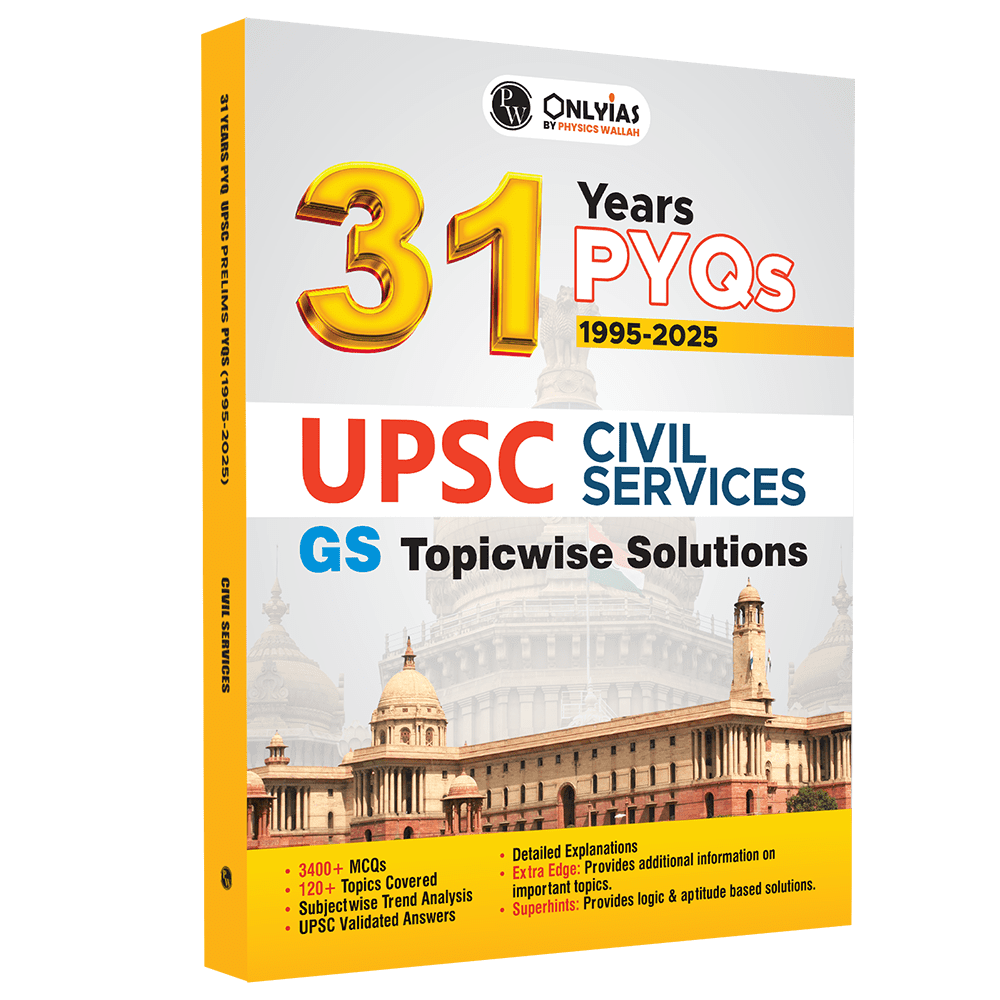
Check out: UPSC Previous Year Papers
UPSC Mains Exam Pattern 2026
The upsc mains exam pattern is significantly different from Prelims. This is a descriptive, pen-and-paper examination conducted over five days. It tests your ability to express complex ideas clearly, concisely, and logically. The upsc paper pattern for Mains includes a total of 9 papers, but only 7 are counted for merit.
A. Qualifying Papers (Non-Merit)
These papers are meant to ensure the candidate has a basic proficiency in English and an Indian language. You must score at least 25% (75 marks) in each.
|
Paper |
Subject |
Marks |
Duration |
|
Paper A |
Compulsory Indian Language* |
300 |
3 Hours |
|
Paper B |
English Language |
300 |
3 Hours |
|
*Chosen from the languages in the 8th Schedule of the Constitution. |
B. Merit-Determining Papers
The following 7 papers form the backbone of your final score. Each paper carries 250 marks, totaling 1750 marks.
|
Paper |
Subject |
Marks |
|
Paper I |
Essay (Two long-form essays) |
250 |
|
Paper II |
General Studies I (History, Geography, Society) |
250 |
|
Paper III |
General Studies II (Polity, Governance, IR) |
250 |
|
Paper IV |
General Studies III (Economy, Sci-Tech, Security) |
250 |
|
Paper V |
General Studies IV (Ethics, Integrity, Aptitude) |
250 |
|
Paper VI |
Optional Subject - Paper I |
250 |
|
Paper VII |
Optional Subject - Paper II |
250 |
Check Out: UPSC Question Banks
UPSC Interview
The final hurdle is the Interview, also known as the Personality Test. It carries 275 marks. Unlike the previous stages, this is not a test of your knowledge (which has already been tested in Mains) but a test of your character, mental alertness, and administrative potential.
-
Duration: Usually 20 to 30 minutes.
-
Total Merit Score: You got 2025 marks for your Mains (1750) and Interview (275).
UPSC Syllabus 2026
Even though the UPSC syllabus is very big, it can be broken down into these main parts that you need to know:
-
History: The history of India, including ancient, mediaeval, and modern times, as well as the Indian National Movement.
-
Geography: The physical, social, and economic geography of India and the rest of the world.
-
Polity: The Indian Constitution, the how Parliament works, and how local governments work.
-
Economy: Sustainable Development, Poverty, Inclusion, and Budgeting.
-
Environment: Biodiversity, Climate Change, and Environmental Ecology.
-
Science & Tech: Recent advancements in IT, Space, and Biotechnology.
-
Ethics: Moral philosophy, Case studies on administrative dilemmas.
UPSC Exam Structure
Here is the quick table for you to understand the UPSC Exam structure and bifurcation of marks:
|
Stage |
Mode |
Type |
Total Marks |
Merit Contribution |
|
Prelims |
Offline |
Objective (MCQ) |
400 |
No (Screening only) |
|
Mains |
Offline |
Descriptive |
1750 |
Yes |
|
Interview |
Face-to-Face |
Oral |
275 |
Yes |
|
Grand Total |
- |
- |
2025 |
100% |
Check Out: UPSC Revision Books
Conclusion
The upsc exam pattern is a strict way to select those who have both deep knowledge and common sense. You can get in by mastering the upsc prelims exam pattern, but your rank and service depend on the upsc mains exam format. In 2026, your best skills will be staying up to date on current events and composing answers on a regular basis.
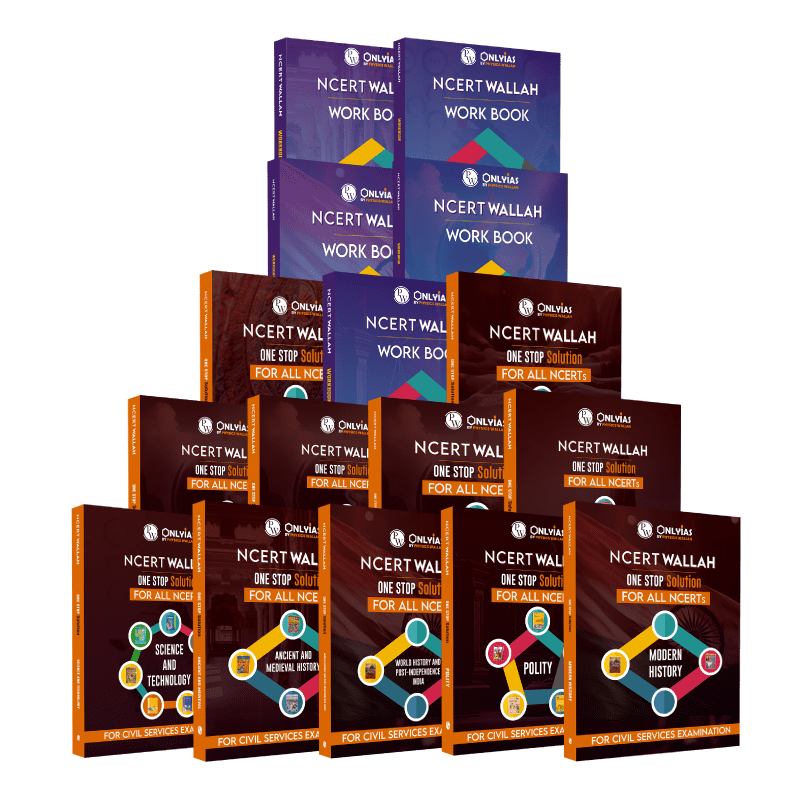
We have the most up-to-date NCERTs, standard reference books, and tailored test series at PW Store to assist you easily understand this complicated pattern. The trip to LBSNAA is long, but with the appropriate map, you can get there faster.
Read More: List of National Symbols of India with Names
UPSC Exam Pattern FAQs
1. Is the pattern of the upsc test in 2026 different from other years?
The three-stage structure is still the same for now. The official UPSC paper pattern (Prelims, Mains, Interview) stays the same, but the UPSC changes the difficulty level and types of questions from time to time.
2. Is there any negative marking in the upsc mains exam pattern?
No. Since the Mains exam is descriptive and requires long-form answers, there is no negative marking. However, marks can be deducted for poor handwriting, exceeding the word limit, or irrelevant answers.
3. Can I take the Mains exam in my first language?
Yes, anyone who want to take the Mains exams can write them in any language listed in the 8th Schedule of the Constitution, save for the English and Language papers. They just have to choose that language when they apply.
4. What is the lowest score you can earn on the Mains Language tests?
Candidates must get at least 25% (75 out of 300 marks) to be able to take Paper A and Paper B. If you don't meet this, your GS and Optional papers won't be graded.
5. How many optional subjects can I choose?
You choose one optional subject from a list of 48 (including various literatures). This subject is then split into two papers (Paper VI and Paper VII) in the Mains exam.