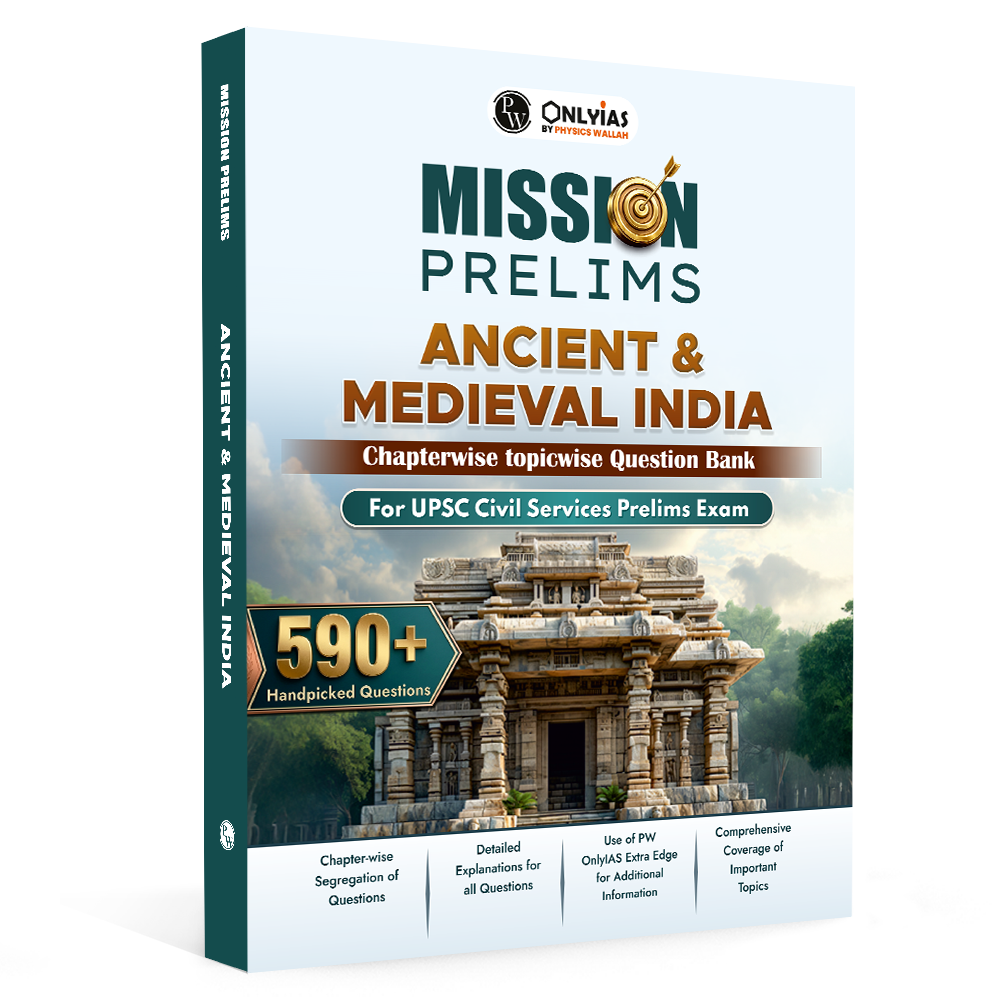
Using Ancient History Question Bank for Quick Prelims 2027 Revision
Retaining vast facts about ancient dynasties and archaeological sites can feel overwhelming during your civil services journey. Finding the right balance between reading and testing is often difficult. This article explains how utilising a quality UPSC ancient history question bank can transform your study routine, ensuring you retain core concepts effectively.
How UPSC Ancient History Question Bank Makes Ancient History Preparation Easier
The syllabus for the early periods of Indian history spans thousands of years. Candidates often struggle with the sheer volume of names, terms, and cultural developments. Without active testing, passive reading rarely leads to long-term memory retention. This is where dedicated practice becomes essential.
Historical terms can be incredibly confusing without contextual practice. For instance, administrative titles from the Gupta or Mauryan eras sound similar but carry entirely different meanings. Regular practice helps you distinguish between these terms easily.
Socio-economic history has become a major focus area in recent years. Questions often target trade guilds, land grants, and agrarian systems. Standard textbooks provide the facts, but application exercises teach you how to decode complex exam statements.
Benefits of an UPSC Ancient History Question Bank
Practising with a dedicated UPSC question bank offers multiple advantages for serious candidates. It shifts your learning process from passive reading to active recall. This method strengthens neural connections, making it easier to retrieve factual information under exam pressure.
A reliable UPSC question bank helps you identify high-yield topics. Instead of spending equal time on every page, you discover which areas require deep focus.
-
Active Recall: Forces your brain to retrieve stored facts efficiently.
-
Trend Identification: Highlights frequently tested themes like Indus Valley sites or Vedic literature.
-
Time Management: Teaches you to solve tricky statements within tight time limits.
-
Confidence Building: Reduces anxiety through familiarisation with complex exam patterns.
Using a well-structured question bank regularly exposes you to diverse question formats. This varied exposure prevents surprises on the actual exam day.
Evaluating your progress becomes much simpler when you use a metrics-driven approach. You can easily track how many questions you answer correctly in each specific sub-topic.
How to Revise Effectively with an UPSC Ancient History Question Bank
Effective ancient history revision demands a systematic approach rather than random reading. You should align your textbook notes directly with targeted practice sessions to see measurable progress.
|
Historical Era |
Primary Focus Areas |
Suggested Practice Hours |
|
Prehistoric Period |
Paleolithic sites, tool types, evolutionary traits |
Around two hours |
|
Indus Valley Civilisation |
Urban planning, trade routes, major seals |
Approximately four hours |
|
Vedic Age |
Social structures, rituals, philosophical texts |
Around three hours |
|
Mauryan Empire |
Ashokan edicts, administrative policies, art |
Approximately five hours |
Dividing your UPSC history revision into distinct phases prevents cognitive overload. It ensures that you understand one specific era before moving to the next.
Reviewing your mistakes is just as important as solving new problems. Spend around thirty minutes analysing why a specific option was incorrect before closing your books.
Repetition is the cornerstone of memory consolidation. Plan to revisit your marked questions at least twice before moving on to full-length practice tests.
Benefits of Chapter-Wise Learning with an UPSC Ancient History Question Bank
Attempting mixed mock tests too early can hurt your confidence. Utilising chapterwise history questions allows you to test your knowledge immediately after finishing a specific topic.
If you complete a chapter on Buddhism and Jainism, solving relevant questions straight away cements those concepts. This targeted approach prevents gaps in your understanding from growing larger over time.
-
Immediate Feedback: Reveals your weak points right after studying a topic.
-
Granular Coverage: Ensures no minor sub-topic or dynasty is completely overlooked.
-
Progressive Difficulty: Helps you move from basic factual checks to complex conceptual statements.
Organising your study calendar around specific topics makes large subjects feel highly manageable. You can set realistic daily goals based on chapter lengths.
Isolated facts become integrated knowledge when you see them arranged by topic. This structural clarity is incredibly useful when writing analytical answers later.
To strengthen your preparation further, study alongside UPSC Books, which provide comprehensive subject-wise theory, conceptual explanations, practice questions, and exam-oriented content. Combining structured textbook learning with chapter-wise practice helps build a strong foundation for both the UPSC Prelims and Mains.
Study Plan with an UPSC Ancient History Question Bank
To gain the most value, your question bank should not sit on a shelf until the final months. Regular exposure is key to building deep familiarity with ancient terminology.
Dedicate around forty-five minutes every single day to solving quality questions. Treat this practice as a core part of your learning, not an optional extra.
-
Morning Review: Scan through around ten questions from the previous day's topic.
-
Evening Testing: Solve approximately twenty new questions based on your current reading.
-
Error Logging: Maintain a separate notebook to record every single mistake you make.
Using a structured question bank regularly helps you build a highly personalised error log. This log becomes your most valuable tool during the final weeks of the exam cycle.
Consistency beats intensity when dealing with vast historical data. Solving a few questions daily is far more effective than cramming hundreds over a single weekend.
Prelims 2027 Strategy with an UPSC Ancient History Question Bank
Long-term success in your UPSC Prelims 2027 preparation requires consistent study habits established early. Ancient Indian History forms a foundational part of the General Studies paper, making it an important area for scoring well.
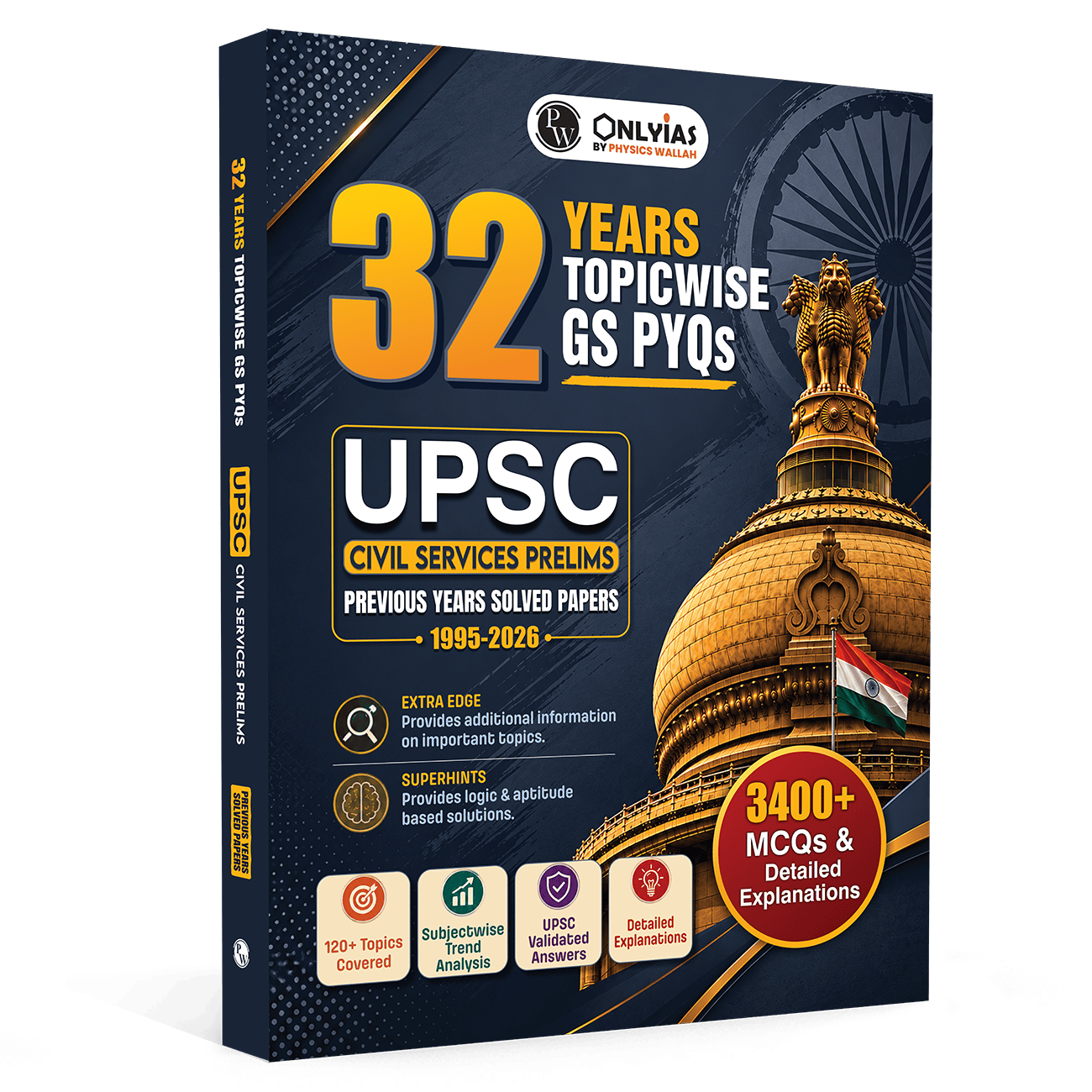
A balanced strategy combines thorough conceptual reading with smart elimination techniques. Since factual options can often be confusing, regular practice helps you identify patterns and eliminate incorrect statements systematically. Along with an Ancient History Question Bank, solving UPSC PYQ book is equally important, as they reveal the nature of questions asked over the years, highlight high-weightage themes, and help develop the analytical approach required for the examination.
-
Syllabus Mapping: Ensure your practice aligns perfectly with the updated exam syllabus.
-
Source Consolidation: Limit your reading materials to around two standard textbooks.
-
Repeated Testing: Revisit the same question bank at least three times.
Staying updated with recent archaeological discoveries is also beneficial. Often, exam questions connect ancient sites with modern developments or excavations found in current affairs news.
How to do Quick Revision with UPSC Ancient History Question Bank
When the exam approaches, you will need a system for quick revision. You cannot re-read thousands of pages in the final days, so compressed tools are essential.
Combining a comprehensive question layout with clean chronological timelines ensures you grasp the flow of historical events without getting lost in lengthy text paragraphs.
-
Chronological Order: Always study dynasties in their exact historical sequence.
-
Map Mapping: Match ancient sites directly with modern geographical locations.
-
Term Glossaries: Maintain short lists of administrative terms used by ancient empires.
Visualising how different empires overlapped geographically prevents confusion during the exam. Maps are particularly high-yield tools for tracking ancient trade routes and capital cities.
How an UPSC Ancient History Question Bank Helps Solve Analytical Questions
Modern civil services examinations have shifted towards highly analytical questions. Pure memorisation is no longer sufficient to clear the cut-off marks comfortably.
Using a comprehensive question collection exposes you to complex statement-based problems. These exercises train your mind to look for subtle qualifiers and hidden traps within exam questions.
-
Analyse Context: Look closely at the socio-economic conditions of the specific era.
-
Evaluate Keywords: Pay attention to extreme words like entirely, solely, or always.
-
Connect Concepts: Link art and architectural developments directly to royal patronage.
Developing a sharp analytical mindset takes time and deliberate effort. Every question you analyze deeply improves your ability to make educated guesses under exam pressure.
Read More: Are Last Years PYQs Enough for UPSC 2026 Preparation?
UPSC Question Bank FAQs
How does a UPSC question bank improve my final score?
A dedicated question resource trains your brain in active recall and helps you understand tricky statement-based elimination techniques. This targeted practice directly reduces silly mistakes on exam day.
Can I rely solely on chapterwise history questions for my exam preparation?
While topical questions are excellent for building structural clarity and confidence, you should eventually combine them with full-length mock tests to simulate real exam pressure.
Why is revision so critical during the final weeks?
The civil services syllabus is exceptionally vast, making it easy to forget early topics. Compressed tools and marked questions allow you to review the entire ancient period in just a few hours.
How often should I update my error log for the question bank?
You should update your error log immediately after every single practice session. Recording your mistakes straight away ensures you document the exact logic gap while it is still fresh in your mind.
What is the best way to handle confusing ancient administrative terms?
The most effective method is to solve targeted questions focused specifically on ancient governance. Grouping these terms by empire within your practice routine helps clarify their distinct meanings.