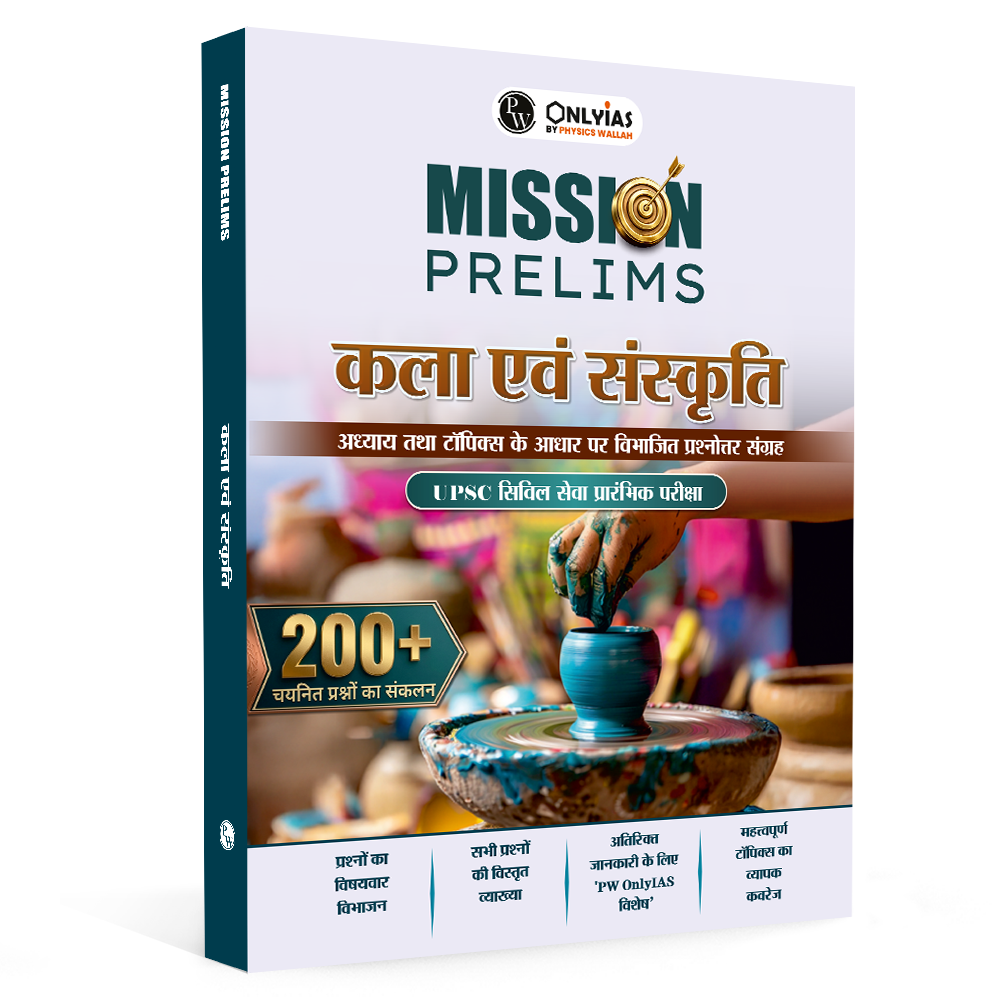
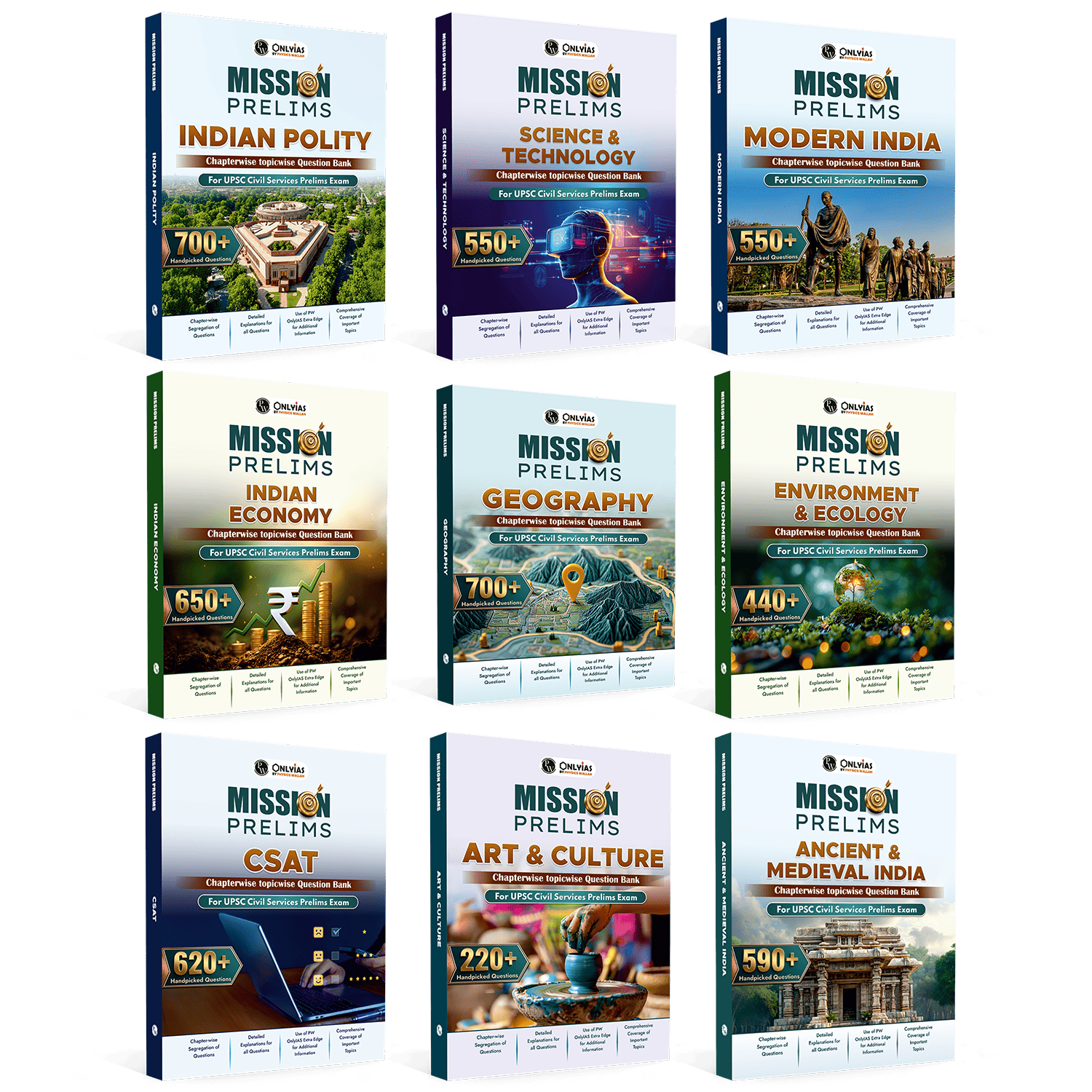
Why Art and Culture Questions Are Rising in UPSC Prelims Papers
Facing the UPSC art and culture question bank or looking at recent papers can feel overwhelming because the exam now demands deep conceptual clarity rather than simple memorisation. Understanding this changing dynamic is essential to clear the first stage of the exam. This article breaks down why this shift is happening and how you can align your study strategy to match the current expectations.
Importance of UPSC Art and Culture Question Bank for Changing Prelims Trends
The civil services examination has evolved significantly over the last few years. Traditional history questions that focused purely on dates, kings, and battles are fading away. Instead, the focus has shifted toward the structural, visual, and philosophical traditions of India.
This change reflects a broader movement to ensure future administrators possess a deep appreciation of the nation’s cultural heritage UPSC syllabus highlights. When examining recent papers, the trends show a clear inclination toward checking if a candidate understands the "why" behind historical developments, rather than just the "when."
Shift from Core History to Culture
-
Socio-Religious Movements: Questions now explore the social impact of Bhakti and Sufi saints rather than just their birthplaces.
-
Philosophical Schools: There is a regular appearance of ancient Indian philosophies, including Buddhism, Jainism, and orthodox schools.
-
Administrative Context: Culture is frequently linked with ancient administration, such as how temple architecture reflected the political power of a dynasty.
Importance of Analytical Questions in an UPSC Art and Culture Question Bank
The UPSC current pattern explicitly discourages rote learning. The examiners are designing questions that require a combination of static knowledge and sharp analytical elimination skills. For example, a question might ask you to identify a specific school of painting by describing its distinct style, raw materials, or royal patrons.
This analytical nature makes standard UPSC books insufficient on their own. Candidates often struggle because they treat this segment as a side topic, whereas the weight assigned to art and culture questions regularly decides the cutoff line for the preliminary stage.
|
Analytical Focus |
Traditional Rote Learning |
|
Focuses on regional variations in temple architecture. |
Memorising just the names of famous temples. |
|
Explores the evolution of classical dance forms. |
Listing the states where dances originated. |
|
Explains the underlying philosophy of rock-cut caves. |
Recording only the total number of caves. |
How Current Affairs Shape an UPSC Art and Culture Question Bank
A major reason for the rise in these questions is the direct connection to modern events. Whenever a historical site receives a UNESCO heritage tag, or an ancient artifact is returned to India from overseas, it immediately enters the zone of probable questions.
The examiners use current events as a launchpad to test the static background of that heritage. Therefore, prelims preparation must bridge the gap between daily news and historical roots. If an ancient site is mentioned in the news for excavation or restoration, you must look into its architectural style, the ruling dynasty of that era, and its religious affiliation.
Key Areas Influenced by Current Events
-
Archaeological Excavations: New discoveries at Indus Valley sites alter previous timelines and spark conceptual questions.
-
National Festivals: Geographical indications or GI tags given to traditional crafts, textiles, and toys frequently find a place in the paper.
-
Global Recognition: Monuments visited by global leaders or highlighted in international summits become highly important for the upcoming exam cycle.
To strengthen your preparation further, practise with an UPSC PYQ Book, which contains authentic previous year questions along with detailed explanations and topic-wise analysis. Solving PYQs alongside current affairs helps you understand how UPSC connects contemporary events with static Art and Culture concepts, improving both conceptual clarity and exam readiness.
Right Ways to Use an UPSC Art and Culture Question Bank
To tackle this unpredictable section, practicing with a dedicated UPSC question bank is highly beneficial. Simply reading the chapters repeatedly will not help you catch the subtle traps laid out in the multiple-choice options.
A structured question bank helps you learn how to eliminate options systematically. It teaches you to distinguish between micro-details, such as the subtle differences between Nagara and Dravida temple styles or the specific mudras in Buddhist iconography.
Quick Tips for Practice:
* Always read the detailed explanations behind every practice question.
* Track the micro-themes that repeat every year, like coinages or terms for land grants.
* Practice matching columns, as this format is increasingly used to test diverse facts efficiently.
How to Prepare for Prelims with an UPSC Art and Culture Question Bank
Learning this portion requires a balanced mix of visual learning and standard reading. Because culture is inherently visual, trying to understand architecture or paintings purely through text makes the process unnecessarily difficult and dry.
Your prelims preparation should involve looking at quality images or diagrams of stupas, temple pillars, and coins while reading about them. This creates stronger mental associations and makes it easier to recall specific artistic features under exam pressure.
-
Map-Based Learning: Mark important rock-cut caves, major temples, and ancient ports on a physical map of India.
-
Thematic Timelines: Create a timeline that connects major literary works with the specific royal courts where they were composed.
-
Term Index: Maintain a separate notebook for complex ancient terms related to taxes, crafts, and social classes, as these are highly scoring.
By organizing your study around these evolving patterns and practicing consistently with a reliable UPSC Art and Culture question bank, you can turn this challenging section into a major strength for your Preliminary exam. To strengthen your preparation further, refer to the PW Informative Atlas – India & World, which covers detailed physical, political, regional, and thematic maps useful for UPSC.
UPSC Art and Culture Question Bank FAQs
Why is art and culture gaining more weight in the prelims?
The exam is moving away from basic factual memorisation. Examiners use these topics to test a candidate's analytical skills and their awareness of the nation's diverse historical traditions.
How can I track important prelims trends for history and culture?
You can track these changes by thoroughly analyzing the past five to seven years of official papers. Look for repeating themes like ancient terminology, philosophy, and architectural styles.
What is the best way to handle unpredictable questions about art and culture?
The best approach is to build strong conceptual foundations and supplement your reading with a focused UPSC question bank to understand the art of option elimination.
Should I focus more on static facts or current affairs for this section?
You need a integrated approach. Use current affairs to identify which historical sites or art forms are in the news, then study their complete static background from your main notes.
How often do questions about cultural heritage UPSC topics appear?
Questions related to heritage, preservation, and ancient monuments appear every single year, usually making up a significant portion of the total history questions in the paper.