JEE Books: How to Choose Between Modules, PYQs and Question Bank?

Choosing between comprehensive coaching modules, past year paper collections, and high-volume question banks creates unnecessary confusion when you should be focusing on learning. Every resource serves a distinct purpose in your exam roadmap, but using them at the wrong stage can slow down your progress.
To crack competitive exams, you must match your current preparation level with the right book. This guide breaks down the core features of each resource type, helping you select the ideal JEE books to build conceptual clarity, accuracy, and examination speed.
Importance of JEE Books
Selecting the right preparation tools directly influences how well you grasp complex topics in Physics, Chemistry, and Mathematics. Standardized books provide structured pathways that keep your revision organized and reduce overall exam stress.
-
Structured Learning Path: Quality books guide you sequentially from basic definitions to advanced multi-concept problems.
-
Exam-Level Accuracy: Well-edited resources align strictly with the official exam syllabus and current testing formats.
-
Consistent Progress Tracking: Systematic exercise sets help you measure accuracy and solving speed continuously.
Using high-quality JEE study material ensures you spend less time searching for questions and more time mastering key subjects.
What Do JEE Books Offer Through Modules, PYQs and Question Banks
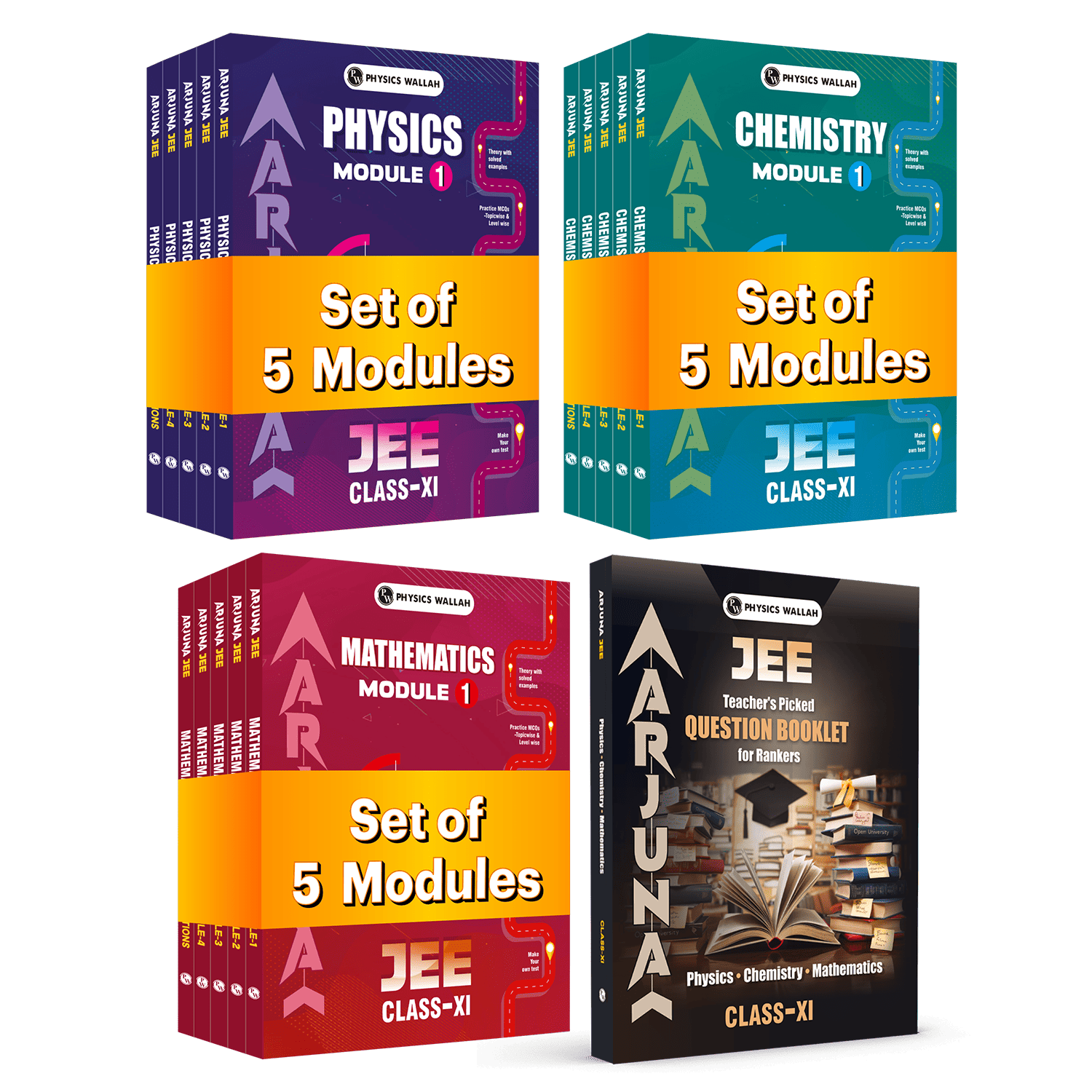
Each JEE Modules caters to a specific milestone in your overall preparation journey. Understanding their structure helps you avoid overlapping efforts.
Coaching Modules
Coaching modules serve as your primary learning base. They combine detailed theoretical notes with step-by-step solved examples to build fundamental understanding.
-
Comprehensive Theory: Covers every topic in the syllabus with clear explanations and diagrams.
-
Graded Exercises: Features questions organized into beginner, intermediate, and advanced difficulty tiers.
-
Concept Application: Includes worked-out examples that demonstrate how to apply formulas correctly.
Past Years Question Papers
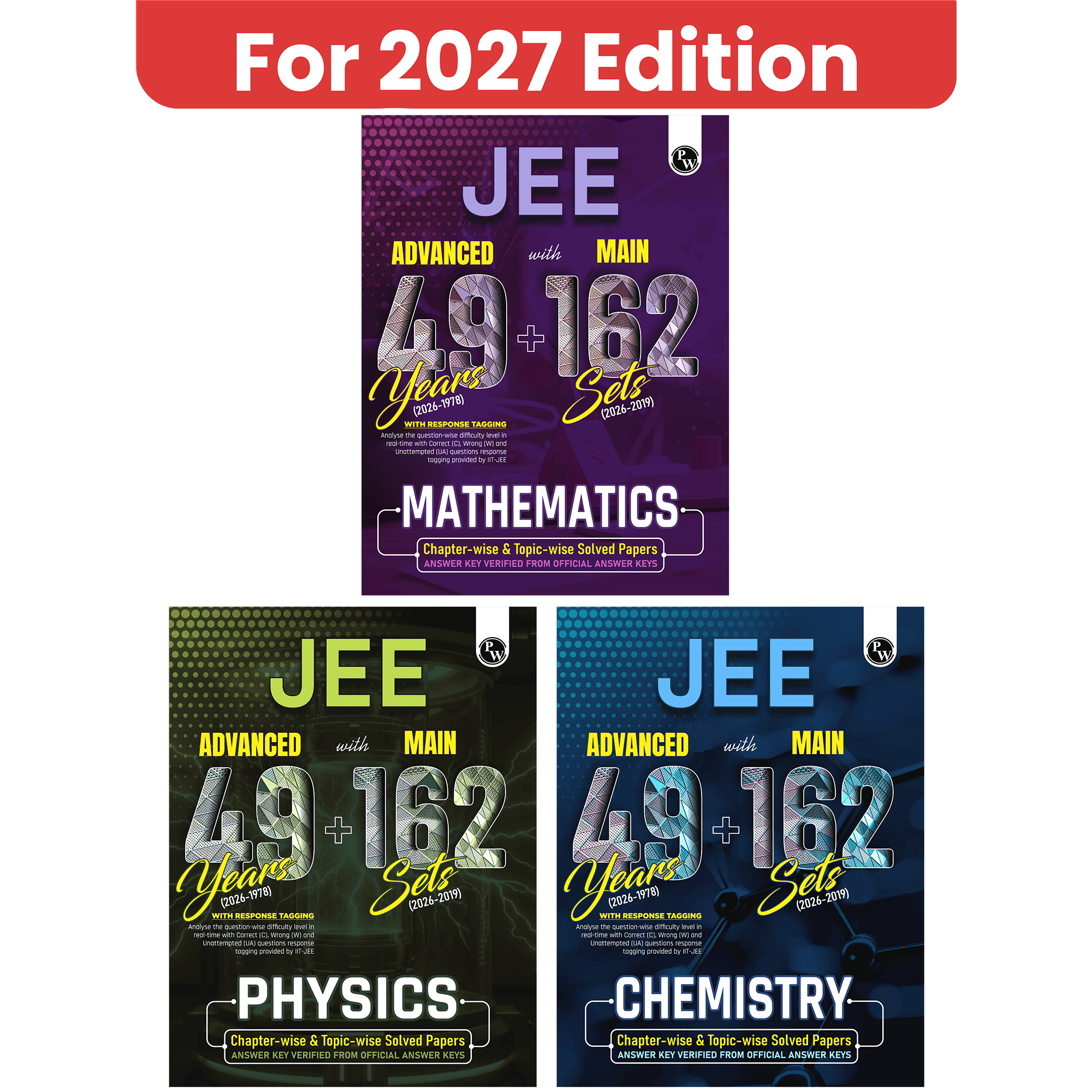
A dedicated JEE pyq book provides direct exposure to actual test items used in previous years.
-
Trend Identification: Highlights recurring question styles and high-weightage topics across past paper sets.
-
Real Difficulty Benchmark: Sets accurate expectations for exam day by showing exact problem complexity.
-
Exam Pattern Familiarity: Builds comfort with multiple-choice and numerical value question formats.
Specialized Question Banks
A targeted JEE question bank acts as a practice engine designed to sharpen speed and numerical handling.
-
High Question Volume: Offers extensive question sets for topics requiring repetitive drills.
-
Mixed-Concept Problems: Challenges advanced students with multi-layered questions connecting different topics.
-
Skill Refinement: Focuses on eliminating calculation errors through continuous exercise sets.
How to Choose JEE Books Based on Your Preparation Needs
Matching your resource selection to your immediate academic requirement prevents wasted time and confusion.
|
Resource Type |
Main Focus |
Ideal Student Stage |
Primary Output |
|
JEE modules |
Fundamental theory & basic applications |
Beginner / Early Chapter Phase |
Strong conceptual base |
|
JEE pyq book |
Actual exam trends & pattern mastery |
Mid-Stage / Revision Phase |
Familiarity with real test difficulty |
|
JEE question bank |
Speed, volume & advanced drills |
Advanced / Test Series Phase |
Improved accuracy and calculation speed |
Carefully evaluating these options ensures you select effective JEE preparation books tailored to your immediate needs.
When Should You Use Different JEE Books During Preparation
Timing your material transition is crucial for steady academic improvement. Jumping into advanced question sets without finishing theory leads to unnecessary struggles.
-
Learning Phase (Months 1–6): Focus primarily on modules. Read the theoretical content thoroughly, review solved problems, and attempt introductory chapter exercises.
-
Consolidation Phase (Months 7–10): Begin incorporating past paper books. Solve chapter-wise past questions to verify if your conceptual understanding meets actual exam demands.
-
Refinement Phase (Final Months): Work heavily with question banks and full-length past paper papers. Use timed practice sessions to maximize solving speed and reduce numerical mistakes.
Study Strategy Plan with JEE Books for Modules, PYQs and Question Banks
Establishing a disciplined study routine ensures balanced coverage across all subjects while using JEE Previous Year Papers for regular practice and exam-oriented preparation.
-
Step 1: Theory Base: Spend time reading module theory and taking structured notes for Physics, Chemistry, and Mathematics.
-
Step 2: Immediate Application: Solve basic worked examples in your module right after finishing a topic.
-
Step 3: Chapter-Wise Past Questions: Turn to your past paper book and solve 8 to 10 years of recent exam problems for that chapter.
-
Step 4: Targeted Drills: If a topic feels challenging, use your practice bank to solve 30 to 40 additional problems until confident.
Tips to Choose the Right JEE Books for Practice
Selecting proper study tools requires evaluating specific content features rather than picking books randomly.
-
Verify Syllabus Alignment: Ensure the material reflects current exam patterns and recent syllabus revisions.
-
Prioritise Detailed Solutions: Choose books that provide step-by-step explanations rather than simple answer keys.
-
Avoid Overcrowding: Stick to one primary book set per subject instead of gathering multiple overlapping references.
-
Focus on Quality Explanations: Select books written by expert subject educators to guarantee conceptual accuracy.
Practice Sheet to Use with JEE Books for Better Preparation
Organizing your daily numerical goals by subject keeps your study plan structured and effective.
|
Subject |
Recommended Resource Focus |
Daily Practice Target |
Strategic Objective |
|
Physics |
Modules & Question Banks |
25–30 Numerical Problems |
Strengthen core formulas and physical concept application |
|
Chemistry |
Modules & PYQ Books |
35–40 Speed-based Questions |
Build rapid recall for reactions and theoretical facts |
|
Mathematics |
Question Banks & PYQs |
20–25 Complex Problems |
Enhance calculation speed, accuracy, and pattern recognition |
Read More: How Many Hours to Study for IIT JEE?
JEE Books FAQs
Which book should I solve first when starting a new chapter?
Begin with coaching modules to understand foundational concepts and solved examples before moving to extra practice sets.
Are past year question books enough to clear the exam?
Past year paper collections are essential for understanding trends, but they must be combined with modules to build initial theory first.
How many questions should I practice daily from question banks?
Aiming for 30 to 50 quality questions per subject daily provides strong numerical practice without causing study fatigue.
Should I buy separate books for Main and Advanced stages?
Starting with modules covering basic to intermediate levels works well initially, followed by specialized Advanced-level practice collections as exams draw near.
How do I manage time when solving past paper books?
Solve past questions in timed blocks of 45 to 60 minutes to simulate real exam conditions and improve time management.